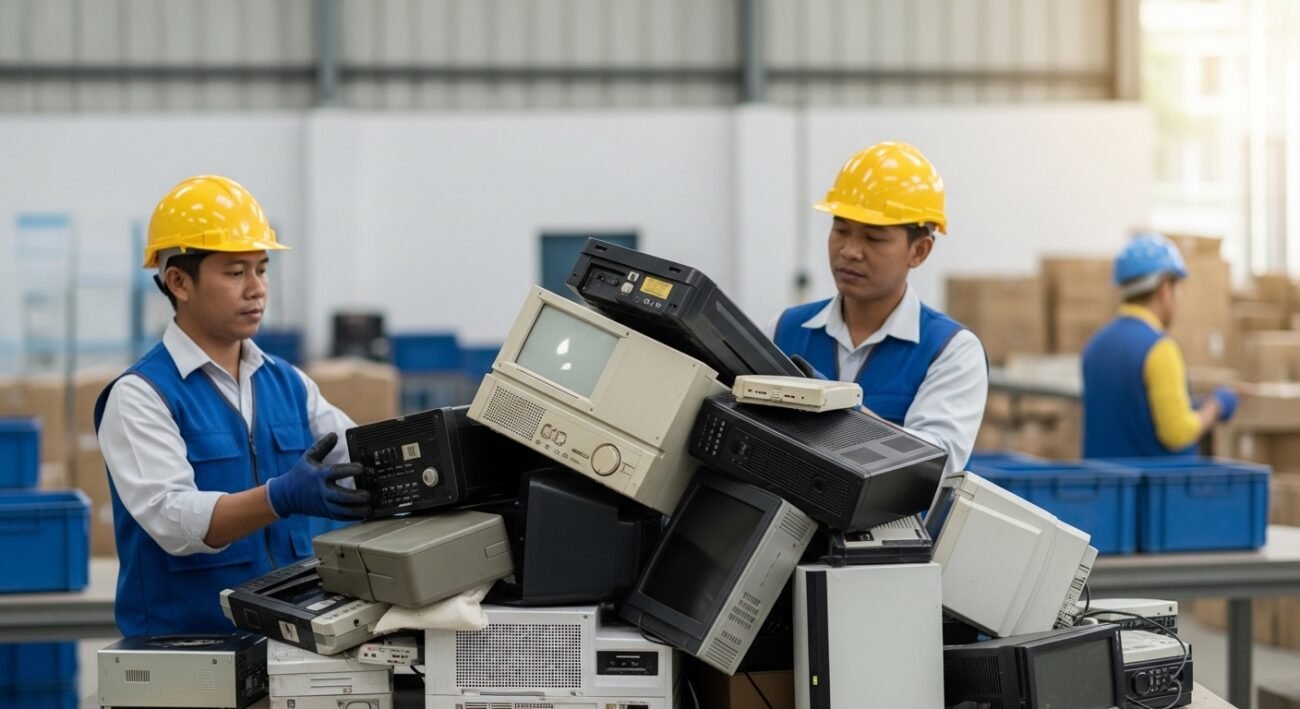
Old phones, broken chargers, and old laptops, in most cases are in the drawers. There are a lot of households where electronics are stored without use over several years. One day, they end up being discarded with normal garbage. Such a move is environmentally unfriendly. E-waste has metals, plastics and chemicals which should be dealt with carefully. Appropriate recycling preserves soil, land, water and health of people. It also enables the reuse of useful materials. It is possible to recover gold, copper and rare metals by use of safe procedures. Proper disposal is not a difficult task. It only takes conscious efforts and strategising. Following some realistic measures, as a person we can dispose of electronic waste properly and have a cleaner, more environmentally friendly neighbourhood.
Understand What Qualifies as E-Waste
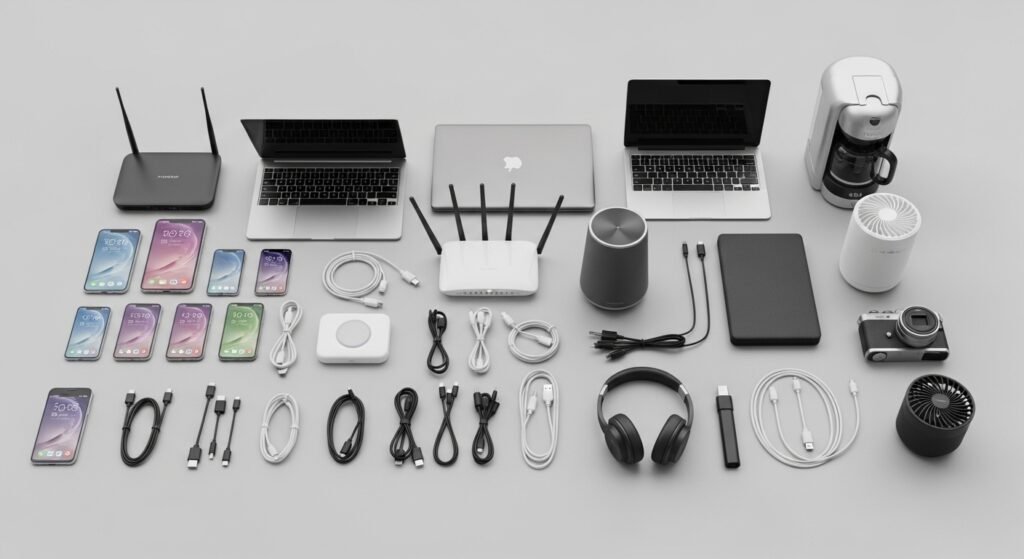
E-waste comprises of phone, laptops, printer, cables, batteries, televisions and small kitchen appliances. There are several things that most people fail to notice such as power banks or headphones. In case it is operated on electricity or battery, then it probably must be recycled rather than disposed of at home.
Back Up and Erase Personal Data
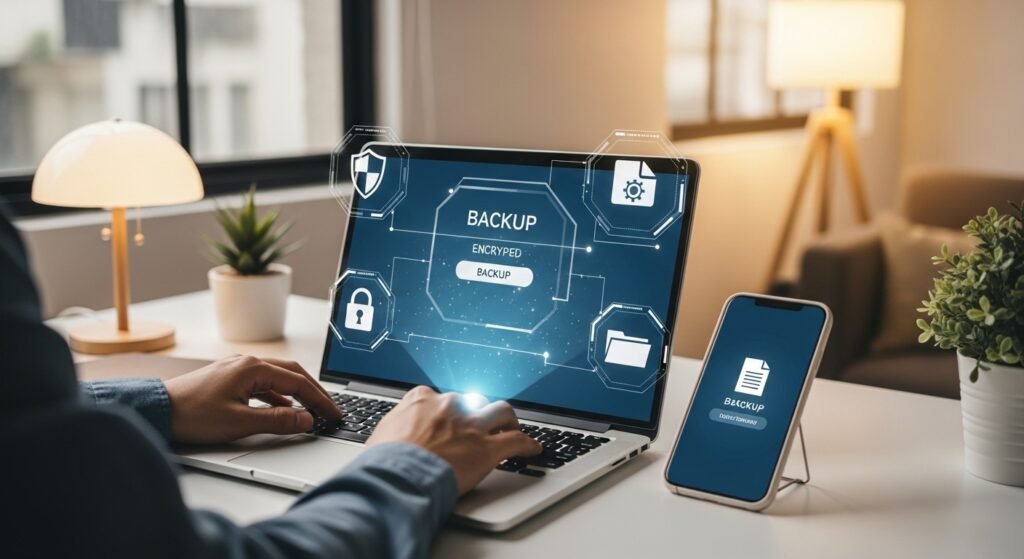
Take a backup of important files, before recycling of phones or computers. Then perform a factory reset. Erase SIM cards and memory cards. By doing it, you can save your privacy and make sure that your personal information is not used improperly once the device is in other hands.
Use Authorized Collection Centres
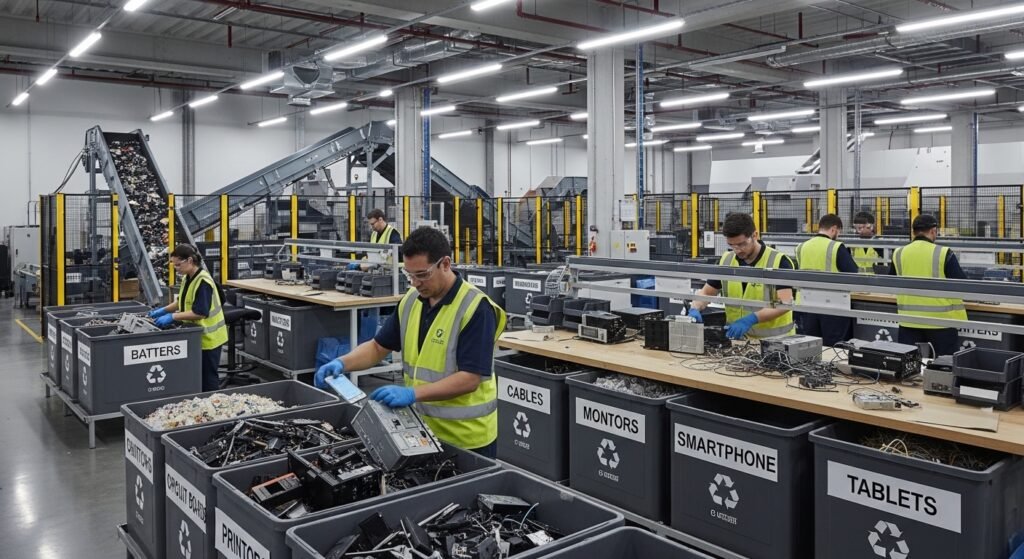
Find certified recycling centres either by the manufacturer or local government. Such brands like Apple and Samsung have take-back programs. These plants are subject to safe dismantling and recovery of materials.
Check Municipal E-Waste Drives
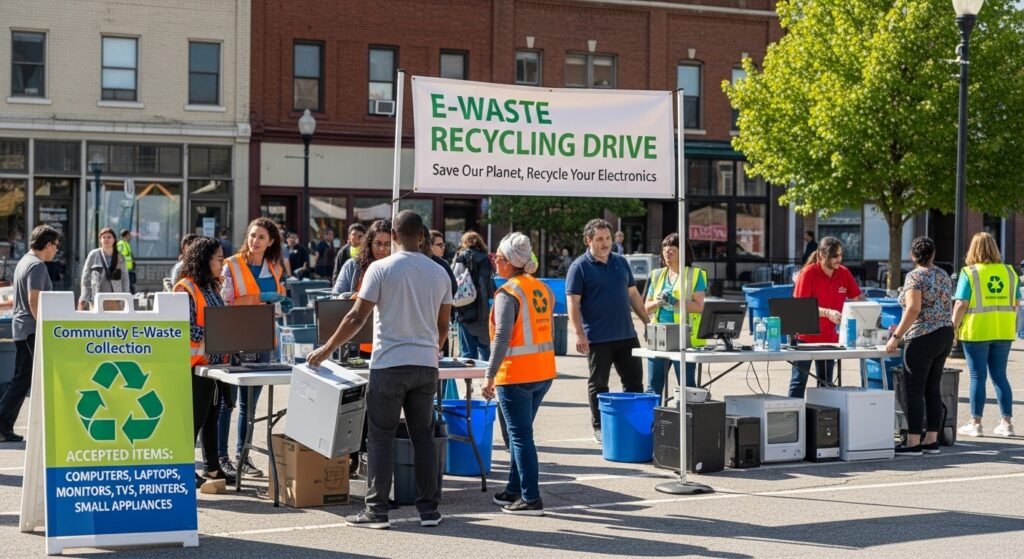
There are a lot of cities which hold e-waste collection events periodically. Such motives render recycling hassle-free. Check with your city office or the city website to find out when drop-off days will be held in your neighbourhood.
Donate Working Devices
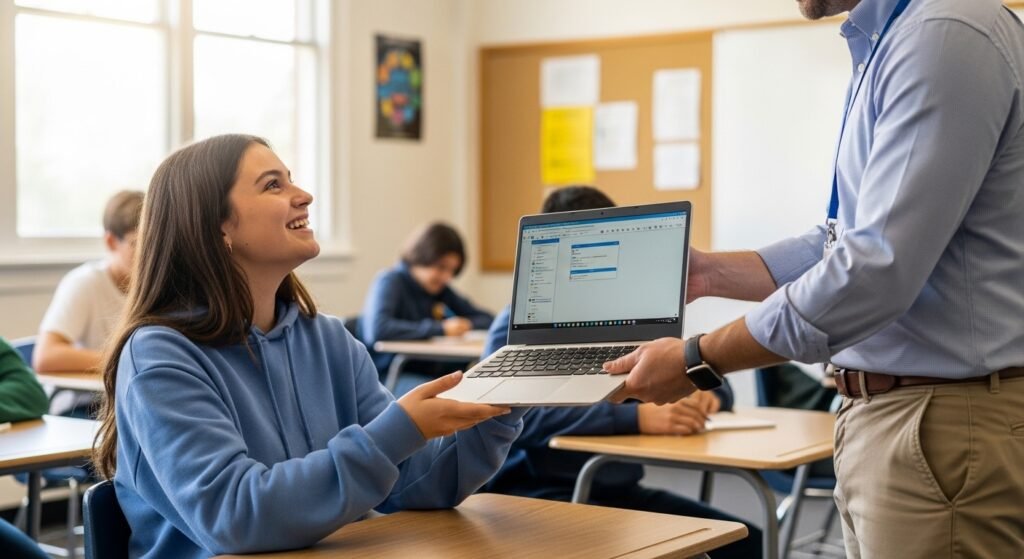
In case the device is working, give it away. Second-hand computers are usually taken in schools, non-profit organisations or other community centres. Digital learning can be facilitated by use of a working laptop rather than waiting at home.
Return Products to Retailers

Elaborate electronics outlets at times provide an exchange or take-back schemes. In a situation of buying a new appliance, enquire of the shop whether it will pick up the old item. This creates responsible recycling and does not require any additional efforts.
Separate Batteries Carefully
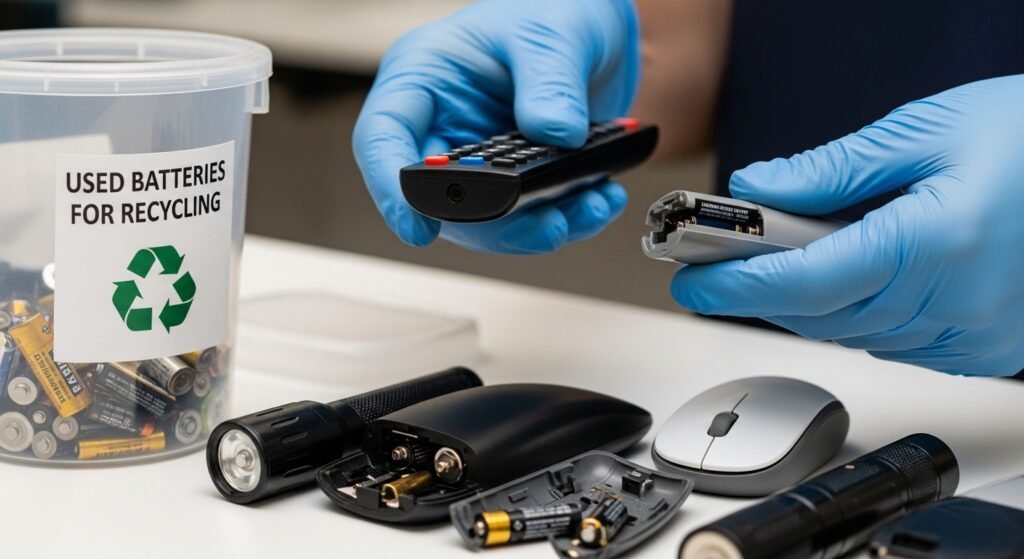
Batteries need to be handled with some special care. Eliminate them on devices as much as possible. Li-Ion blocks may be dangerous when crushed. Dispose them in specially marked battery recycling bags at most supermarkets and service centres.
Store E-Waste Safely Until Disposal
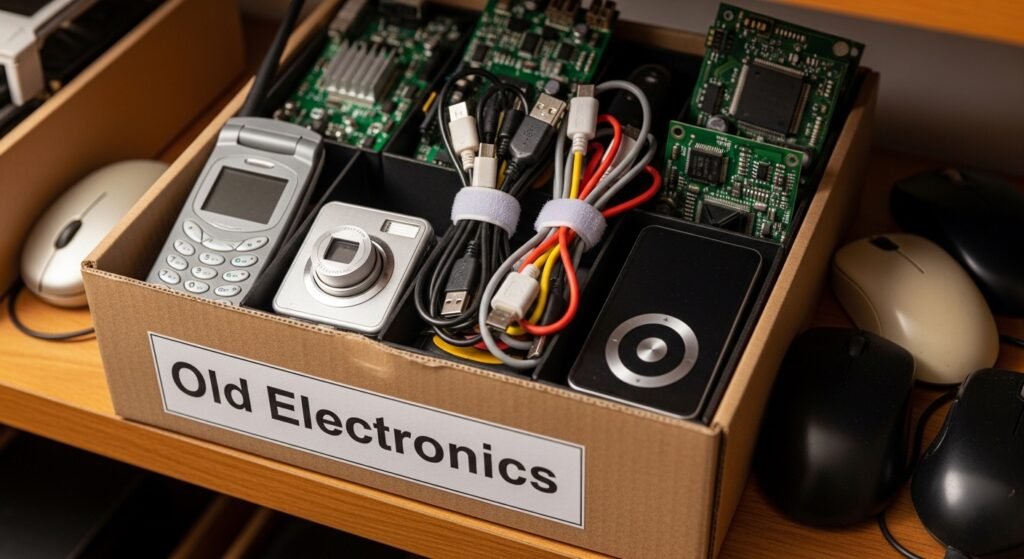
Store unused electronics in a dry and safe location until recycled. It is not advisable to put heavy objects on weak screens. Leakage, damage and accidental breakage occurrences are prevented before collection by proper storage.
Spread Awareness in Your Community

Discuss e-waste management with the neighbours and relatives. Many individuals are simply ignorant. Even minor talk can make other people stop disposing of electronic devices into the regular garbage bins.
Reduce Future Electronic Waste
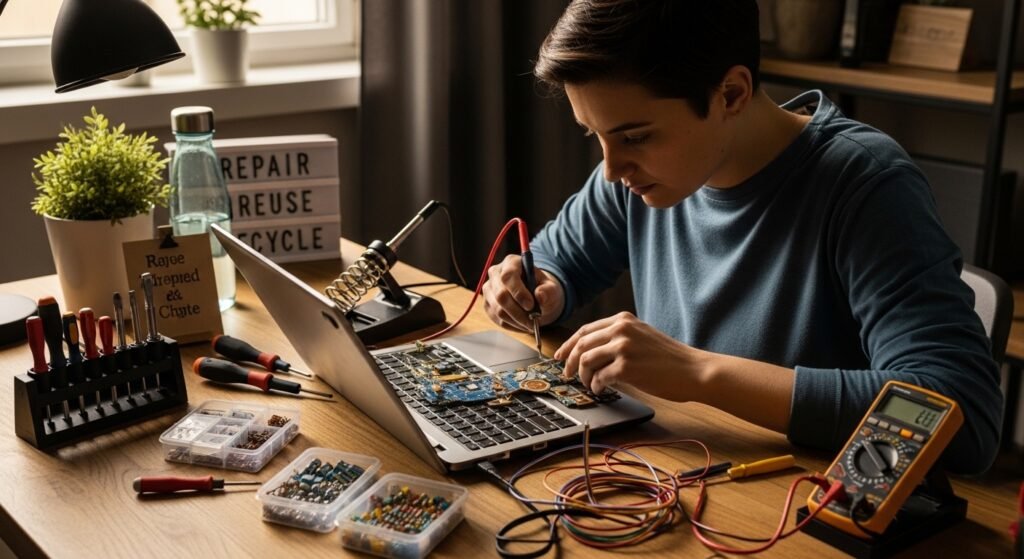
Get long-lasting goods and take good care of them. Use protective covers. Modify rather than dispose of repair devices. Reclaimed life of electronics, the waste will be minimized and the new raw materials will be required in lesser quantities.
