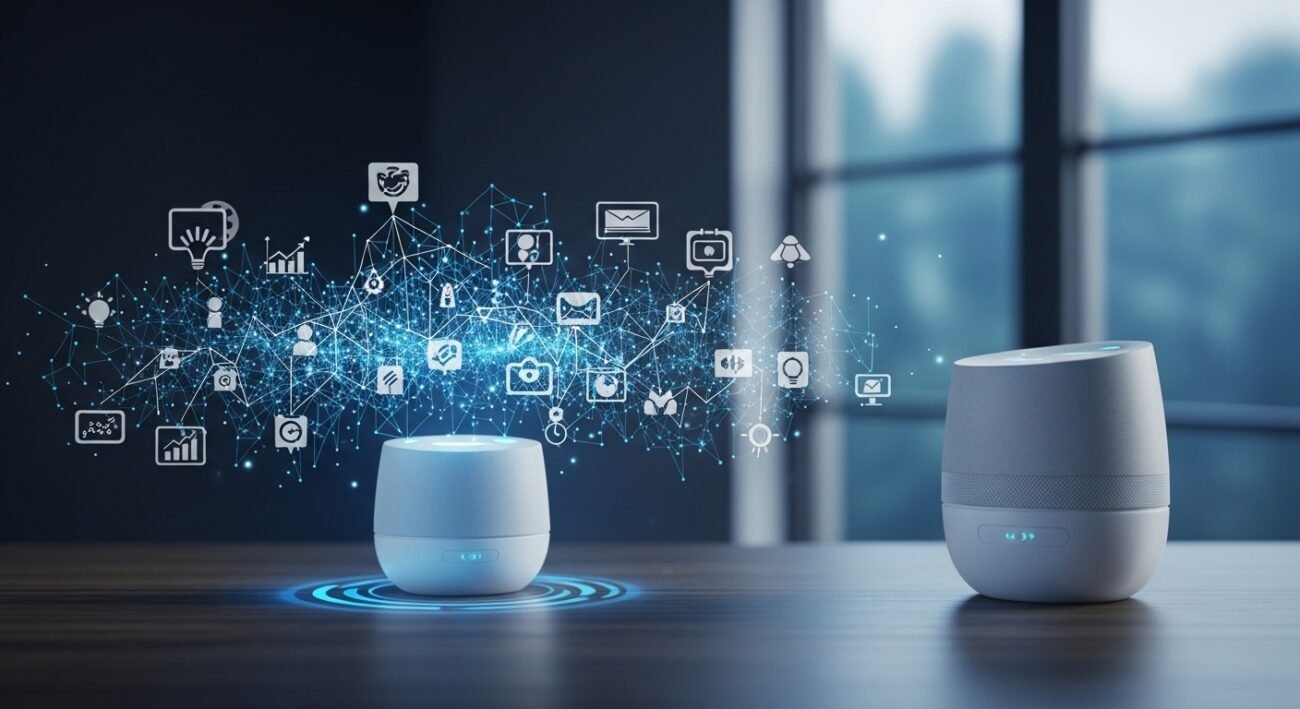
Arguably, one might think that artificial intelligence is something that is represented in scientific laboratories or during technological conferences, yet it might already be a part of our daily routine in some subtle, silent ways. Small systems may be running in the background from when the alarm clocks are rung in the morning to when the lights are turned off at night. These instruments tend to become routines so much that they do not stand out. Even many individuals may not consider them as AI. Rather, they appear to be standard functions of contemporary applications and gadgets. Smart technology, however, may be making decisions, saving time, and quietly suggesting directions of routine activities in very simple and almost unnoticeable ways.
Self-adjusting morning alarms

Certain alarm applications seem to analyze sleep habits and may select a lighter time to wake a person. It might be natural, such as waking up in time by accident. Ranging behind that minimalistic aspect, it is possible that there are intelligent systems that scan the motion and sound during the night.
Email organization without efforts

It may be a little gift to open an inbox and see the important messages already divided. It may be that email platforms are able to learn through intelligent filters to read habits and identify spam. Eventually, they might get to know their priorities in the order that emails can be considered.
Navigation apps that predicts traffic
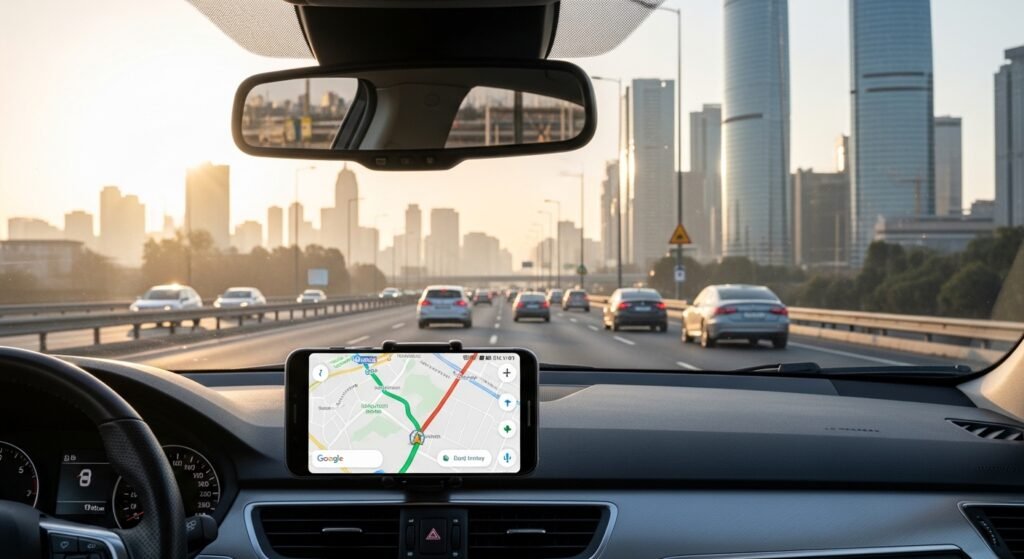
The routes displayed as driving directions by applications like Google Maps keep changing dynamically. Such modifications may be grounded on the traffic statistics of thousands of motorists. It might not appear to be like a robot, but intelligent systems might be ever-calculating alternatives more quickly.
Personal recommended playlists

Video streaming sites, such as Netflix, occasionally provide programs that are similar to the recent viewing patterns. The suggestions may not be haphazard. Rather, they might have to look at pattern recognition that analyzes watch history and other related user preferences to provide new choices.
Banking alerts and spending insights

Banking applications will sometimes alert people to suspicious purchases or monthly reports. These features could be driven by systems that consider spending behavior. Whenever something seems suspicious, the app may draw attention to it, which may be beneficial in keeping users updated.
Social media feeds that rearrange themselves

When using social media, it is seldom seen in a simple chronological order to scroll through the posts. Platforms could organize content according to previous interaction. The number of likes, shares, and comments may affect what actually shows up, and this manipulates what is visible daily.
Customer service chatbots

There are also chat windows that are instantly responsive on many websites. Such chatbots may use natural language processing in order to comprehend simple queries. Although they might not necessarily sound human, they might be able to deal with routine matters effectively and fast.
Photo apps that organize memories

Photo galleries will tend to categorize pictures according to their location or faces. These applications may have image recognition to detect patterns. Users do not need to sort through thousands of images manually, but they can find albums that are already sorted into place.
Fitness apps that track progress
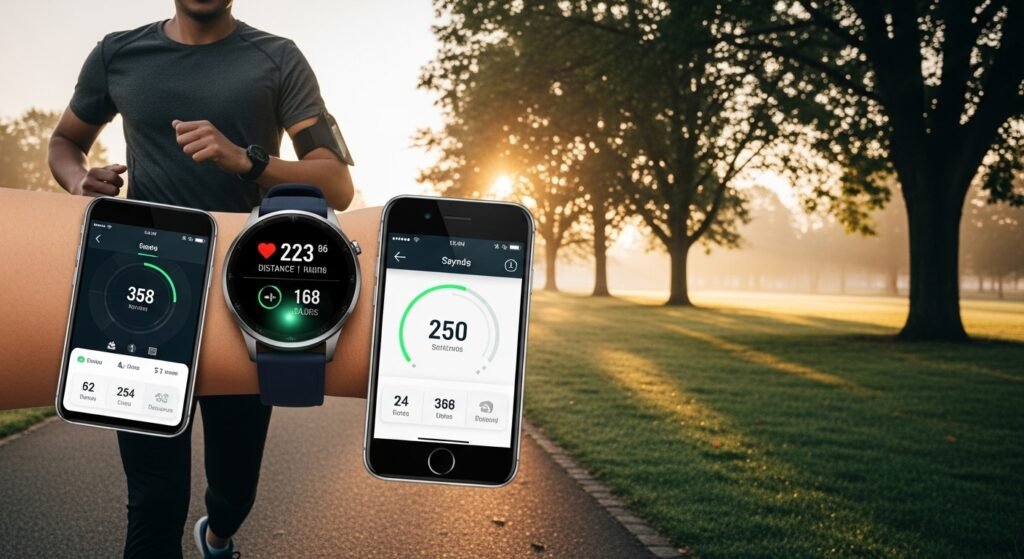
Sometimes fitness apps may give goals or indicate changes in activity level. They can gather movement data, identify patterns, and provide reminders. It may be as though friendly persuasion, potentially with intelligent data analysis in the background
