
The Stonehenge on Salisbury Plain is over 4,000 years old. Its stones, layout, burial sites surrounding have been examined by archaeologists over the decades. New studies have brought forth new information regarding the origin of some of the stones and the movement of the ancient people. These discoveries redefine the meaning of the purpose of the monument and the method of its building. As now evidence suggests, a greater regional interrelationship and long-range coordination.
Origins of the Bluestones
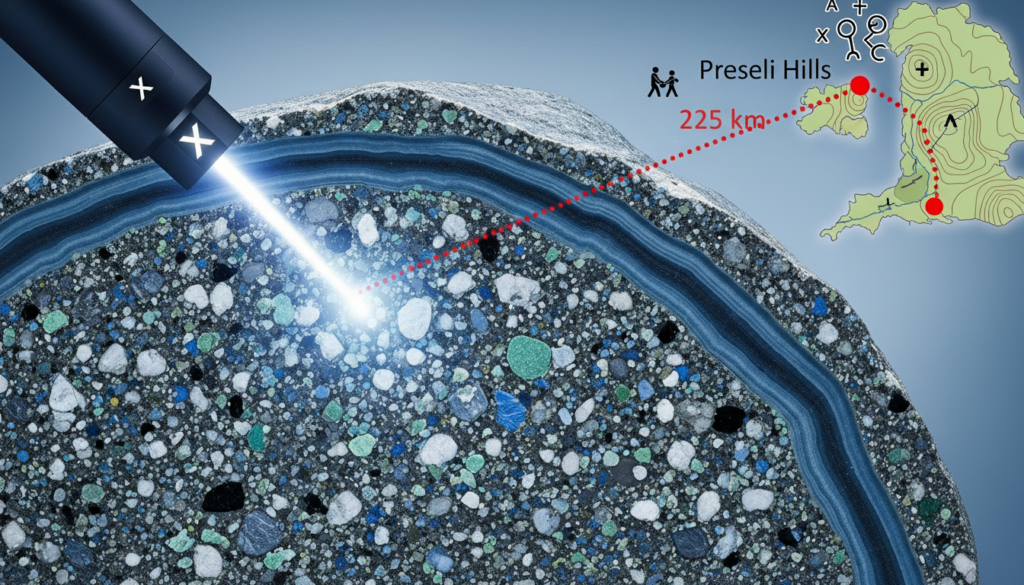
A recent geochemical sample dated some of the bluestones to the Preseli Hills in Wales, approximately 225 kilometers of Stonehenge. Portable X ray fluorescence instruments were used to match mineral signatures of researchers. This accuracy reinforces previous theories regarding the paths of transport and validates the locations of quarry with quantitative information.
Trade and Labour Organization

Stone blocks that weighed up to 3 tons could not be moved without organization. Projects of experimental archaeology demonstrate that a team of 100 to 200 individuals might take a single stone and transport it with the help of wooden sleddings and rollers. Organized transportation in such a distance means organized logistics and common objectives within societies.
Solar and Lunar Alignments

The monument coincides with the summer and winter solstices. The digital modeling events helped Aristologists to affirm sightlines between major stones. These relations support the theory of ritual congregations based on seasonal frequencies and agricultural time.
Funeral Grounds and Furniture

Cremated human remains found in excavations dating to c. 3000 BCE were found surrounding Stonehenge. Radiocarbon dating dates suggest that it was used earlier as a burial site. The high status grave goods have indicated that the area was a place of worship that was associated with the elite groups.
The Altar Stone Mystery

A recent discovery is the Altar Stone which is a block of sandstone of immense size and is located at the centre of the site. Isotopic dating indicates a northeast Scottish origin as opposed to Wales. This would widen the geographic network of construction in case it is confirmed and question the old models of transport.
Durrington Walls Feasting Evidence

Archeologists discovered animal bones and fragments of pottery at Durrington Walls, a nearby settlement. The analysis demonstrates that at around 2500 BCE, there were large scale feasting events. The presence of stable isotopes in pig teeth suggests the presence of livestock in distant areas, which suggests that they were far-reaching in seasonal meetings.
Engineering Techniques
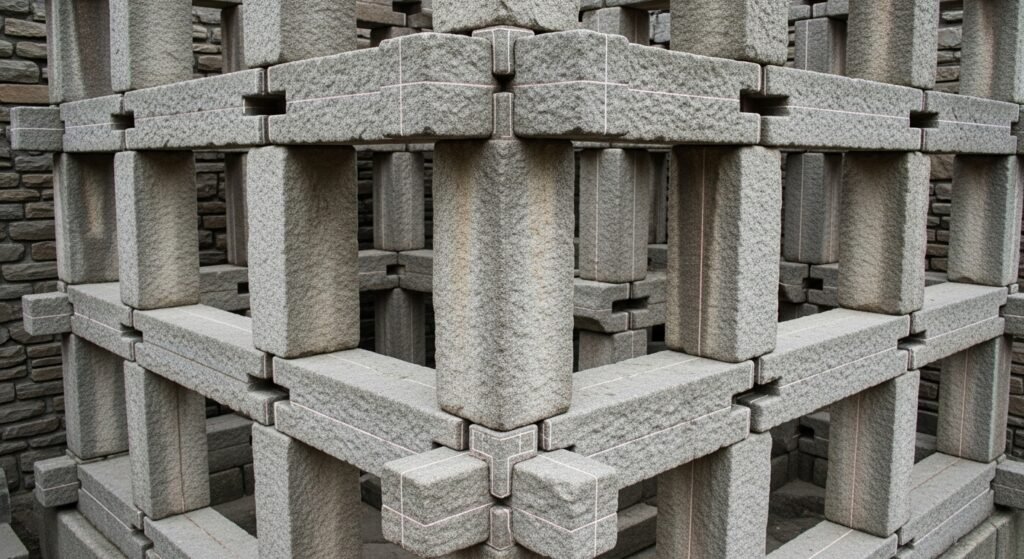
Stone sockets and stone mortise and tenon joints demonstrate high levels of carpentry knowledge modified to stone. Stability Laser scanning indicates the exact shaping. Interlocking joints minimized structural movement and demonstrate technical expertise not merely through simple stacking techniques.
New Breads of Interpretation of Purpose
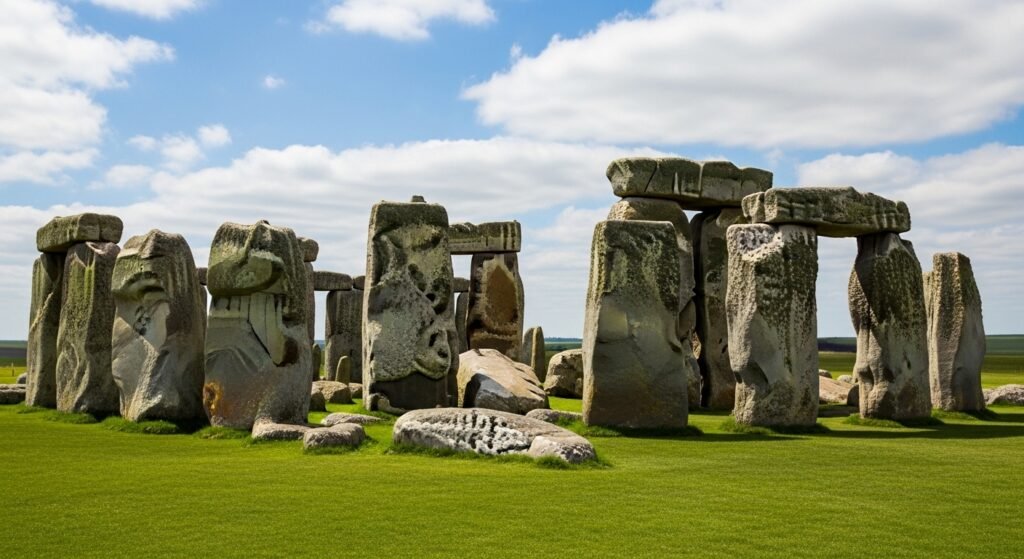
Evidence on a multifunctional role is supported by a combination of evidence including geology, burial information and the patterns of settlement. Stonehenge probably acted as a ritual and a place to be buried and a meeting place. The recent re-location of the Altar Stone increases the magnitude of the cooperation process and redefines the monument as a component of a bigger cultural chain.
