
A hoodie is an everyday item used in commuting, exercise, and traveling. There are lots of consumers who are interested in color or price and do not pay attention to the fabric weight, stitching, and fit. Chosen well hoodie keeps someone comfortable in all seasons and does not lose its shape even after washing. Customers that inspect the material makeup, quality of construction and size save replacement frequency as well as long term price.
Fabric Weight and Composition
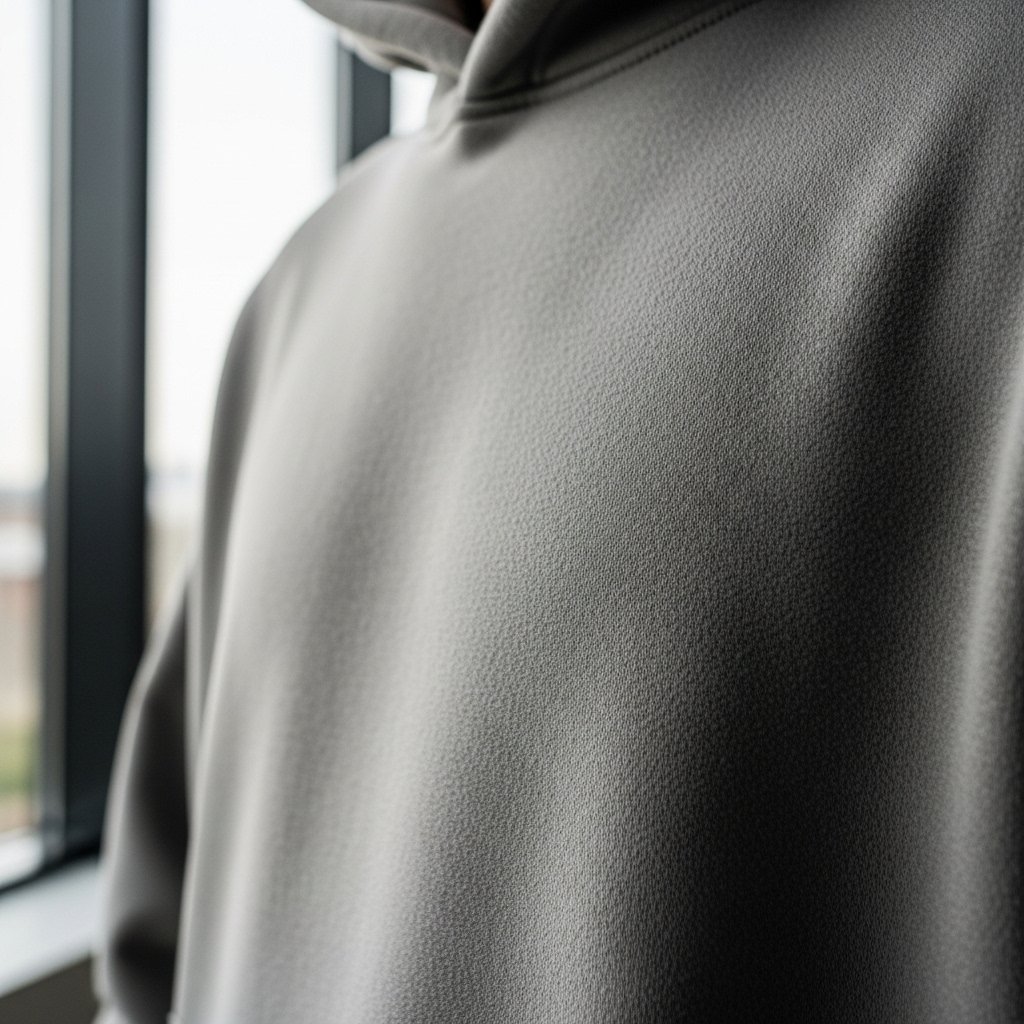
Warmth and durability depend on the weight of the fabric. Lightweight mid weight cotton fleece between 280 to 320 GSM is used in moderate weather whereas heavy blends of above 350 GSM are used in cold weather. Cotton that contains low percentage of polyester enhances retention of shape and minimizes shrinkage after several washings.
Stitching and Seam Strength
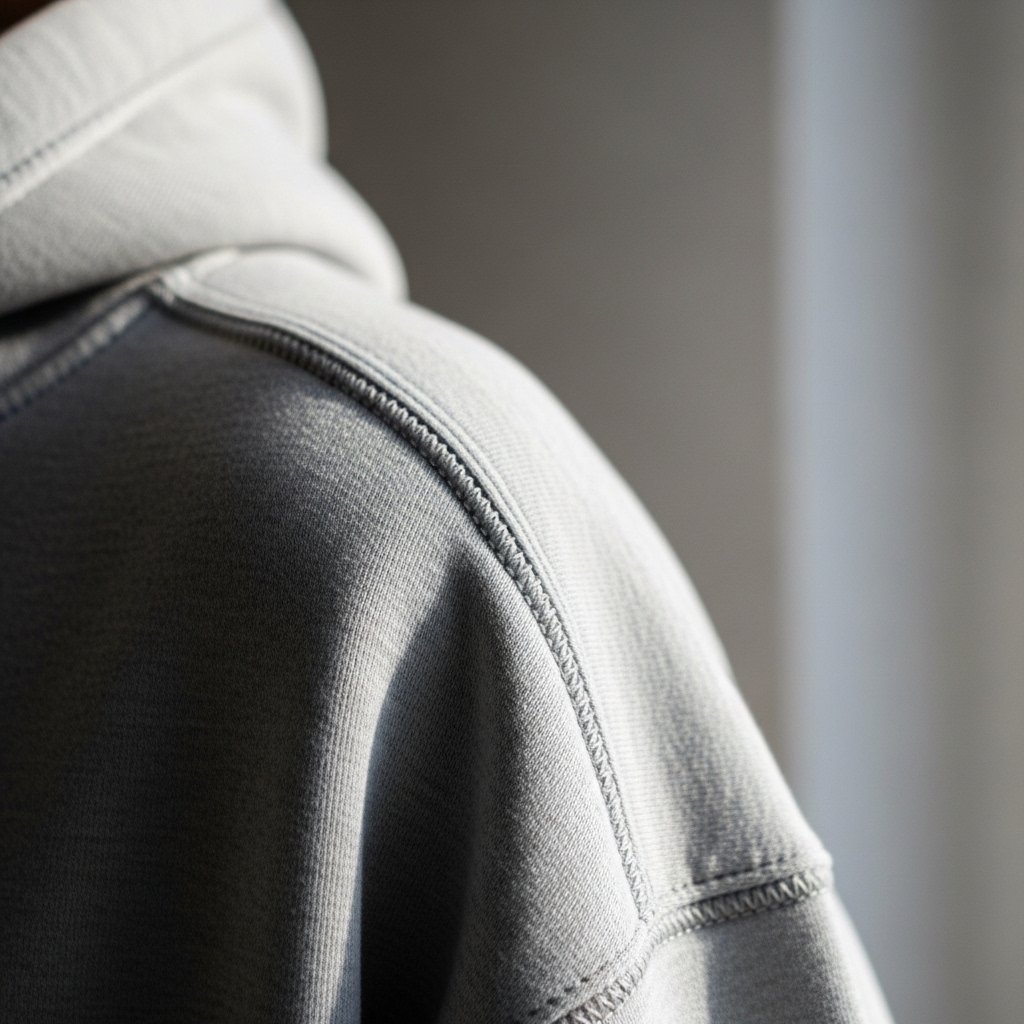
Fraying along the hems and cuffs is prevented by strong stitching. Shoulder and side panel seams are made with double stitching that enhances the strain resistance with daily use. Since a loose thread or a jagged line indicates ineffective construction, buyers need to examine the interior seams to find them.
Fit and Proportion

Comfort and appearance are determined by fit. A high and well-designed shoulder line and equal sleeve length will eliminate the sagging. Room in chest and torso supports lieering without bulk and ribbed cuffs hold their place on motion.
Hood Construction
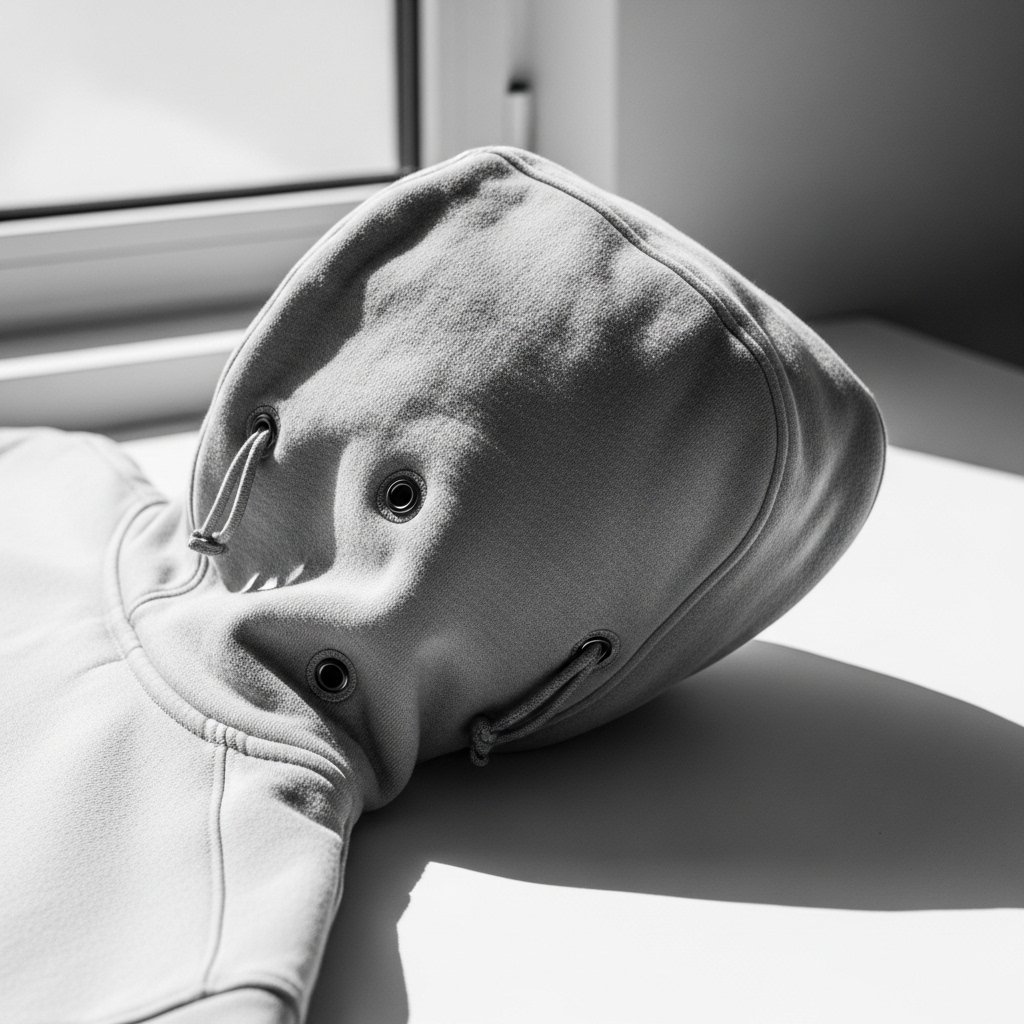
The hood is well constructed and lies flat in the back when it is not in use. Two panel or three panel styles succeed head design and minimise bunching. Drawstrings are reinforced with eyelets to minimise tears once adjusted frequently.
Pocket Design and Placement
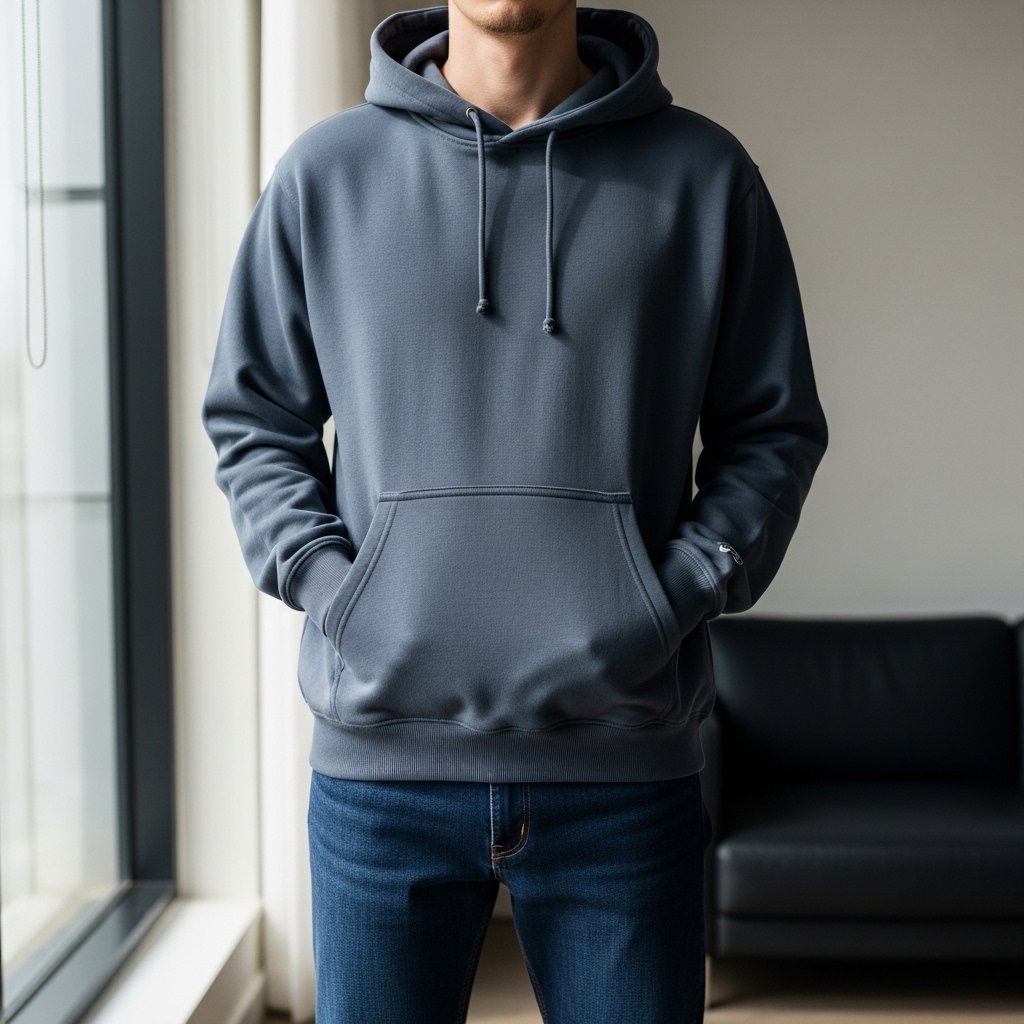
The front pockets must be even, and at a natural position of a hand. High stress areas are reinforced by bar tack stitching at corners of pockets. There are deep pockets of between 15 to 18 centimeters, which assist in holding phone or wallets when traveling around.
Cuff and Hem Elasticity
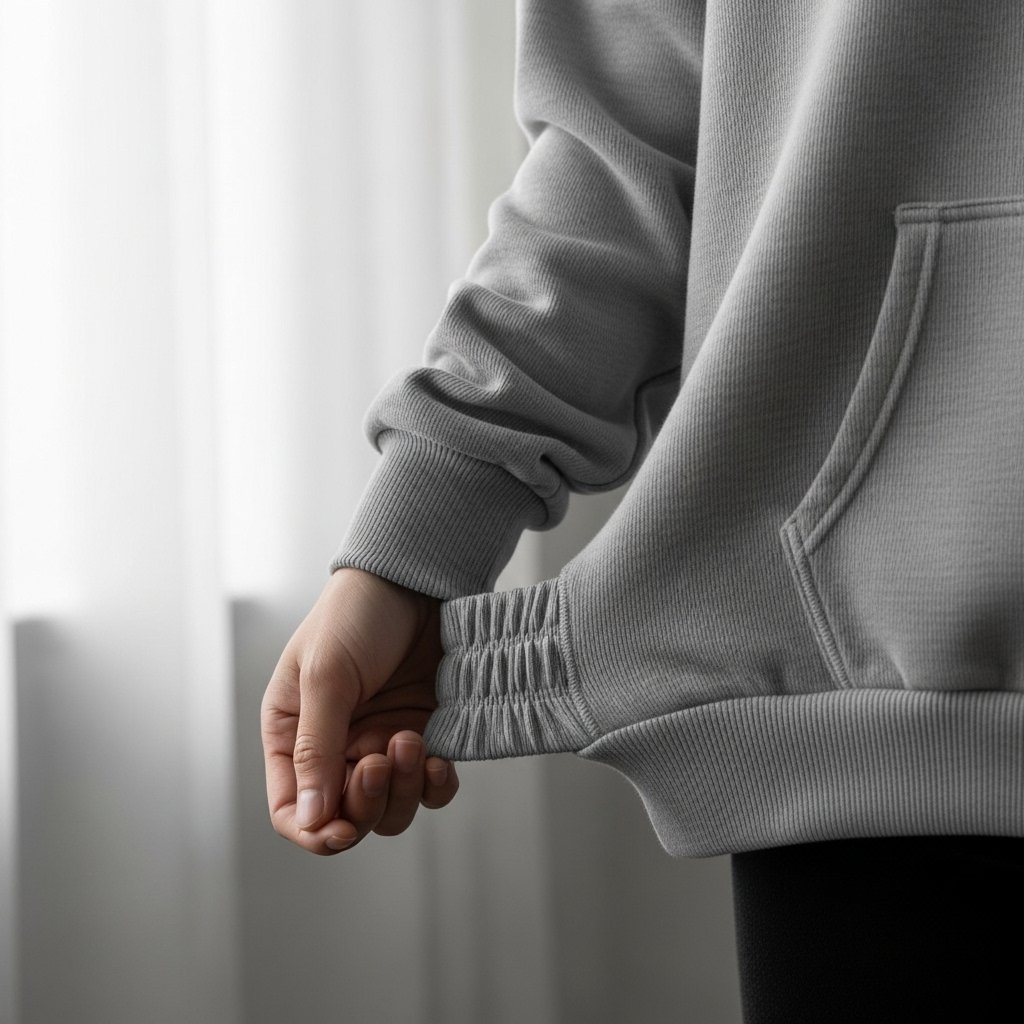
Ribbed cuffs and hems are also maintained with the stretching done repeatedly. Good quality rib knit has spandex or elastane to recover after the wear. Weak also loses its grip hence loose sleeves and uneven hem line.
Retention of Colors and Dye Quality
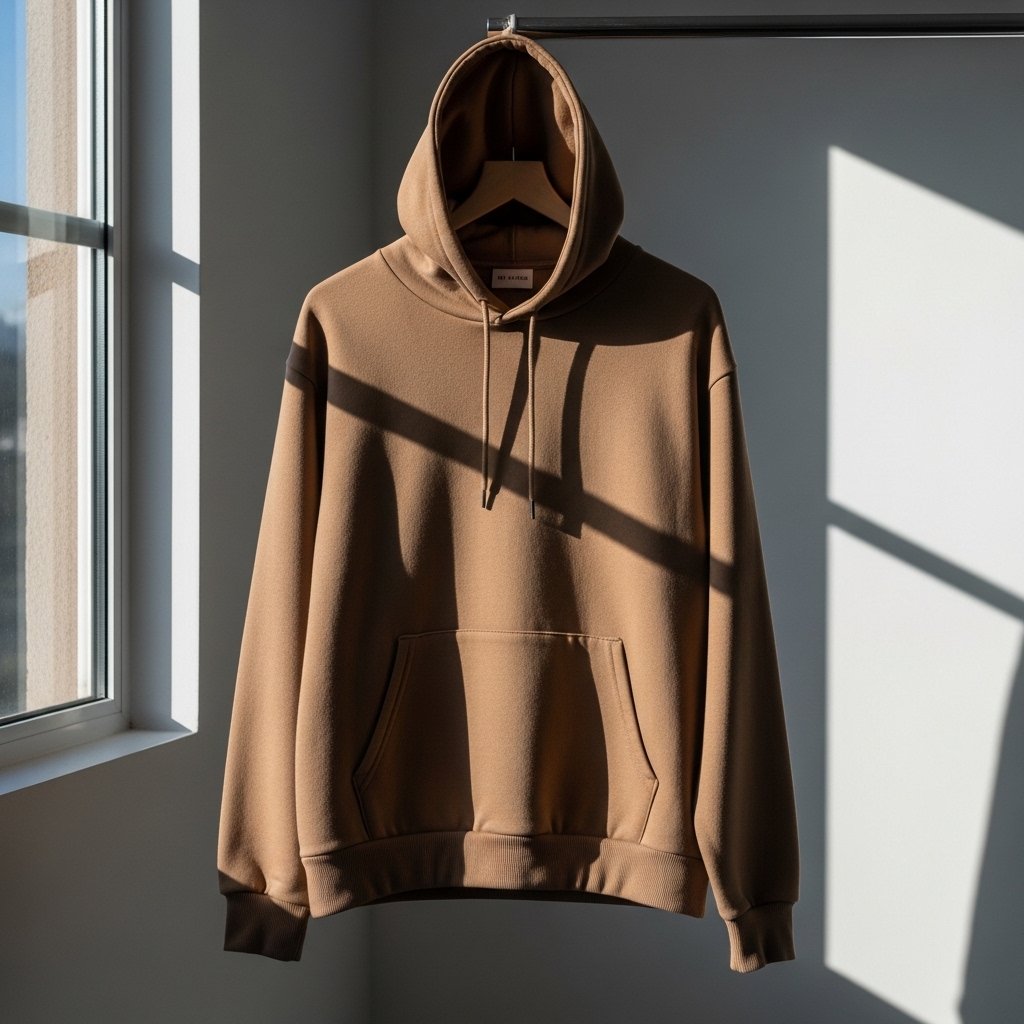
Fading after washing can be avoided due to constant use of dye. Colour bleeding is minimised in pre shrunk and garment dyed fabrics. Customers should check the instructions on the labels of the clothes they buy when using cold wash, as high temperatures cause the color to fade rapidly.
Breathability and Comfort

The interiors have brushed fleece which feels soft against the skin. Perforated cotton fabrics decrease dampness and help to keep sweat away when worn longer. To be used actively, the fabrics with moisture managing properties keep the fabric dry and do not lose its warmth.
Ease of Care
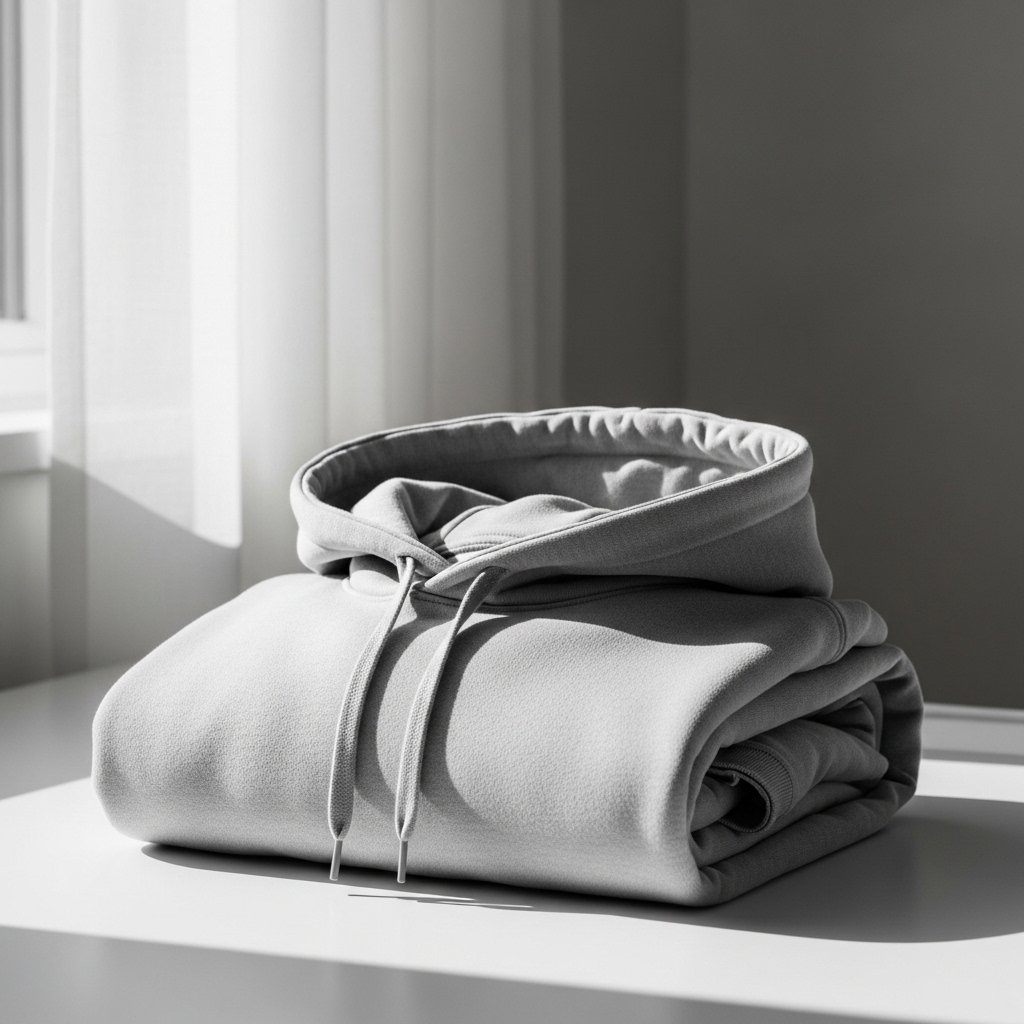
Minimalist clothing decreases the long term work. Clothes that can be washed by machines and shrink very little provide the opportunity to use them regularly. Labels that suggest to wash clothes using air will in most cases retain the integrity of the fabric and also prolong the total life of the clothes.
Price and Value Assessment
The price must be based on the fabric density, level of stitching and brand consistency. A mid/premium priced hoodie can frequently provide more formidable construction and increased wear. Comparative buyers in terms of GSM, blend ratio and seam finish can have better value evaluation prior to purchase.
