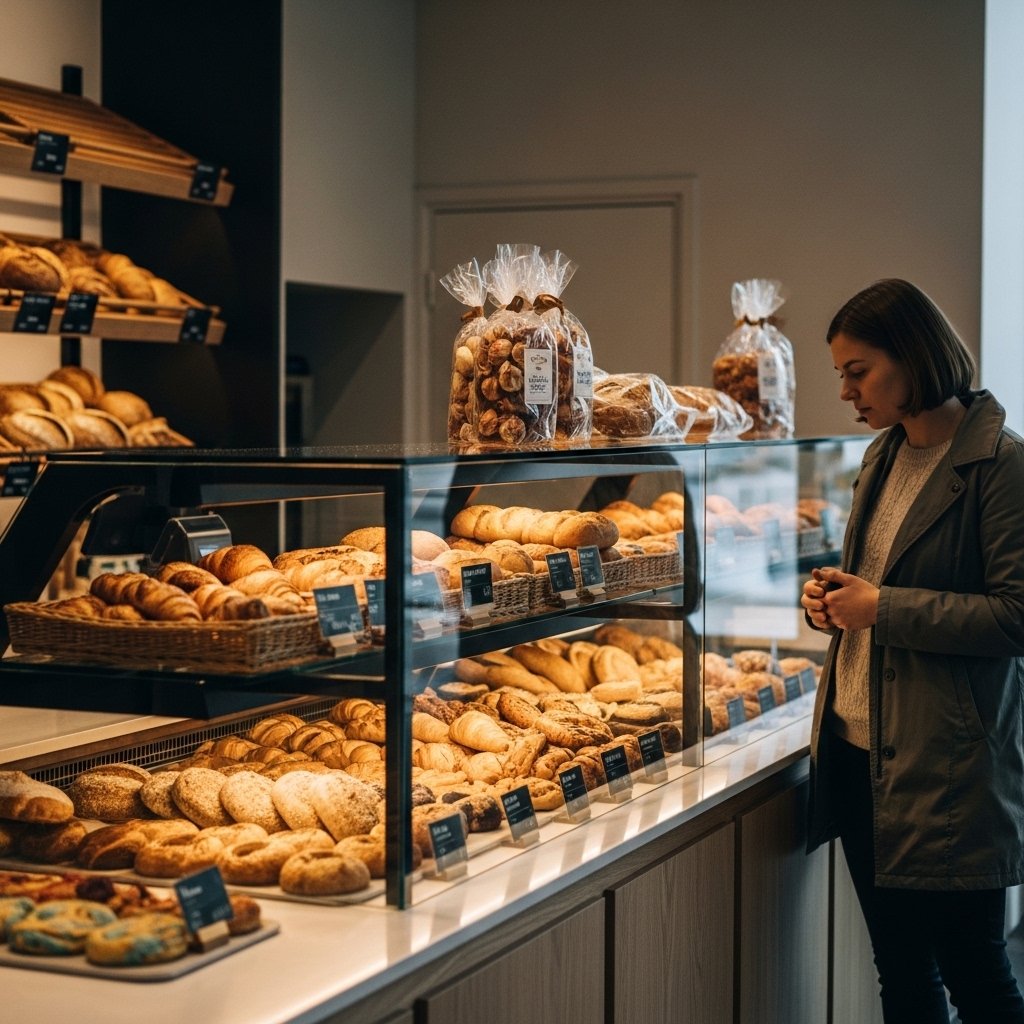
Most cities have constant pedestrian traffic because of fresh bread and pastries. According to sales reports provided by retail food outlets, bakeries rely on it to get more than 60 percent of their income through repeat buyers. It is the visual appeal that makes the repeat visits. An exhibition stand can be used as storage and a promotional aid. Product safety and quality are questioned when there are red flags within that case. Certain red flags are to be observed to enable the customers to make informed choice.
Visible Mold on Any Item
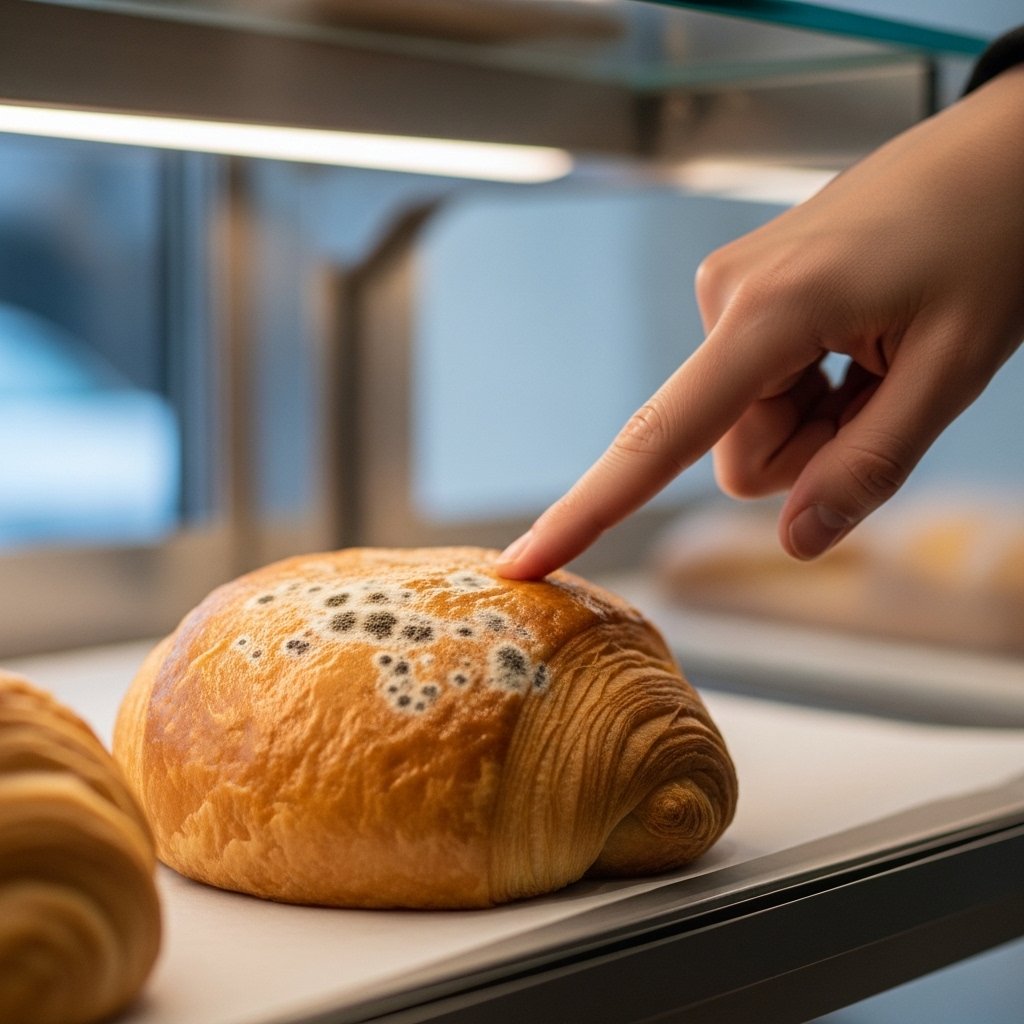
Mold is presented in the form of green, white, or black dots on bread, cakes, or pastries. The slightest spot is an indication of improper storage or outdated stock. Mold becomes transmitted by the spores in the atmosphere, therefore, a molded item becomes an issue to look into other products in the same case.
Condensation Inside the Display Case
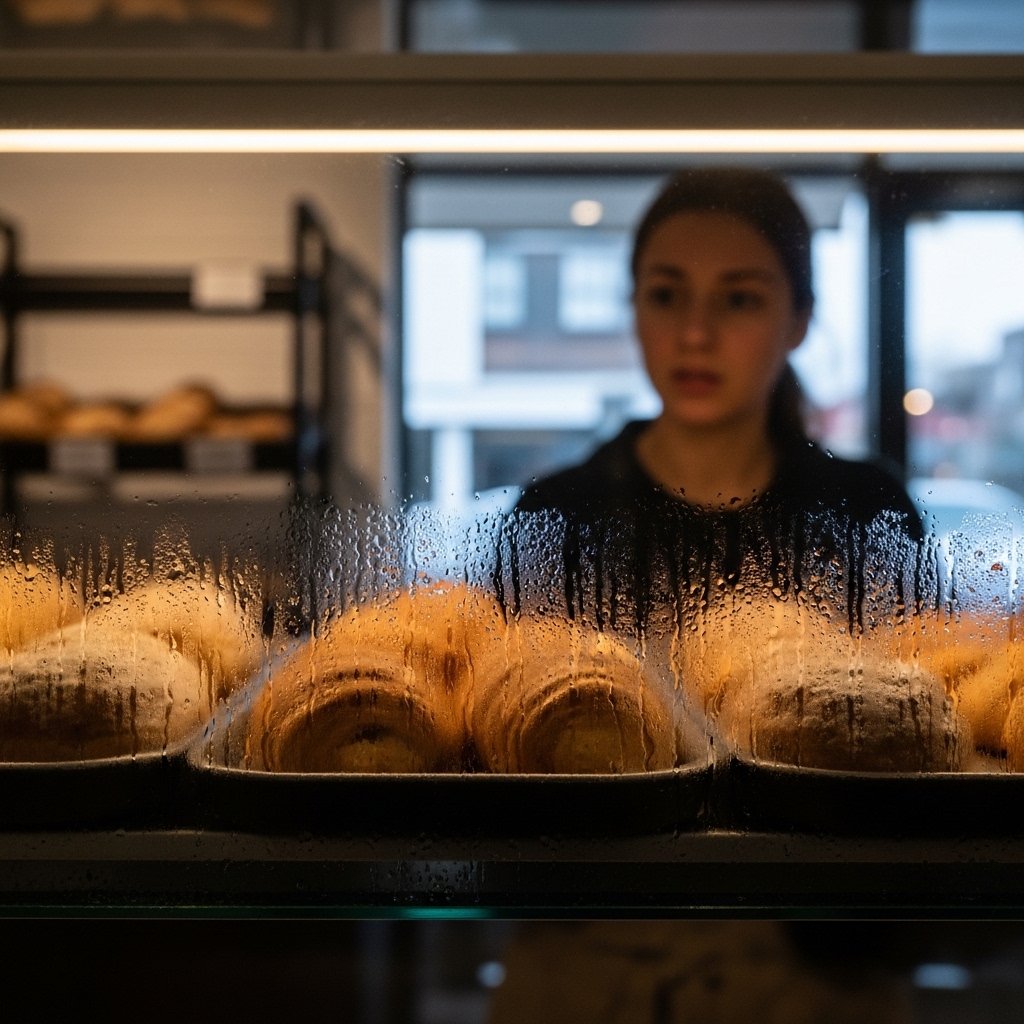
The presence of water droplets on the interior glass means that it has a lack of temperature control. The accumulation of moisture promotes the growth of bacteria and reduces shelf life. Cases in the commercial bakery are expected to be kept at a constant humidity level to maintain the texture and safety.
Strong Sour or Unpleasant Odor

Fermented or sharp odor indicates products have exceeded optimum freshness. Baked goods with dairy ingredient spoil faster like cream filled pastries. When one can smell what is in the case, there is a possibility that storage habits are not within food safety guidelines.
Flies or Other Insects Present
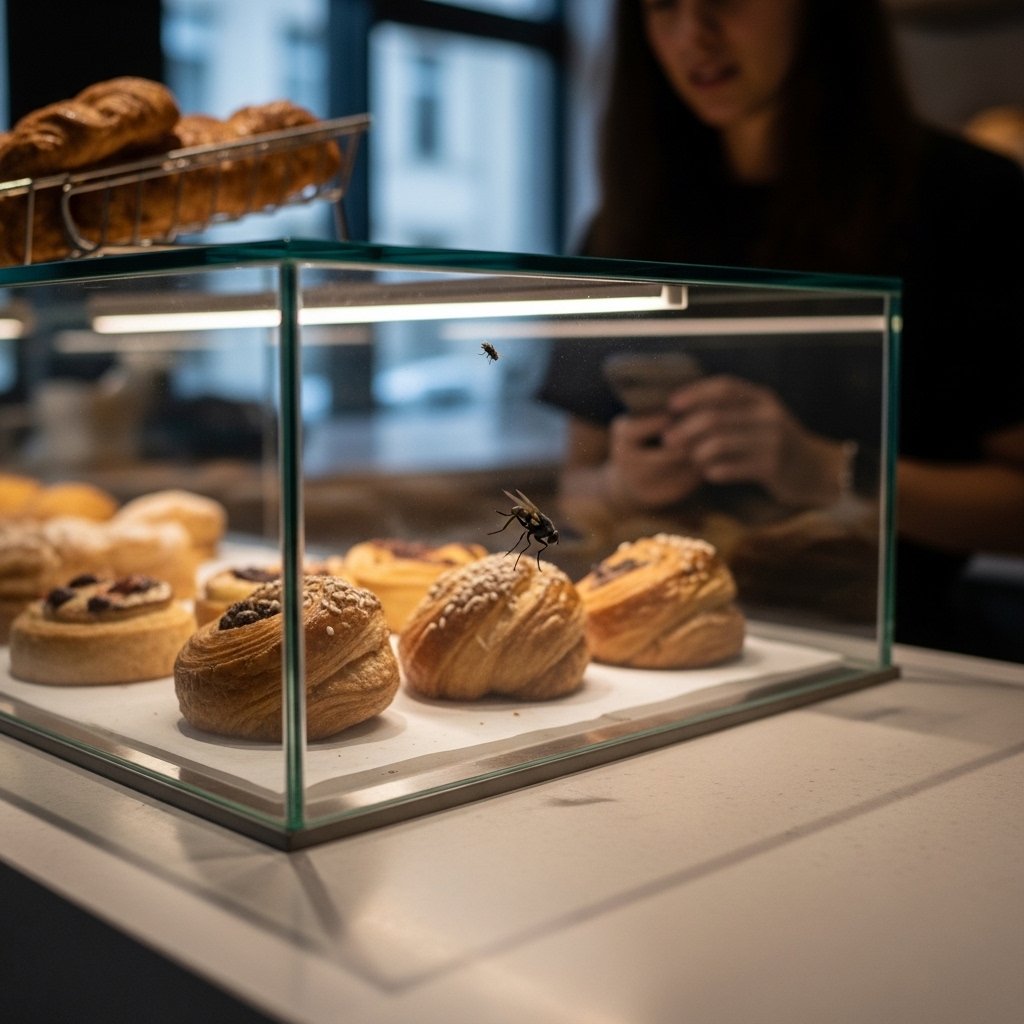
Insects around food indicate defects in sanitation. Pest activity has been mentioned as a major violation in a health inspection in many regions. A single fly in the display case shows that there are barriers and cleaning processes which need to be enhanced.
Dry, Cracked, or Hardened Surfaces

Pastries that have broken icing or dried edges are not sold likely within a long period of time. The majority of fresh baked goods retain the best texture of 24 to 48 hours. Observable dryness indicates that stock rotation practice might not be based on first in first out.
Improper Labeling or Missing Dates

Clear labels help customers identify ingredients and freshness. Absence of preparation or expiry dates reduces transparency. Bakeries that track batch timing and ingredient lists demonstrate structured inventory management and accountability.
Discolored Cream or Filling
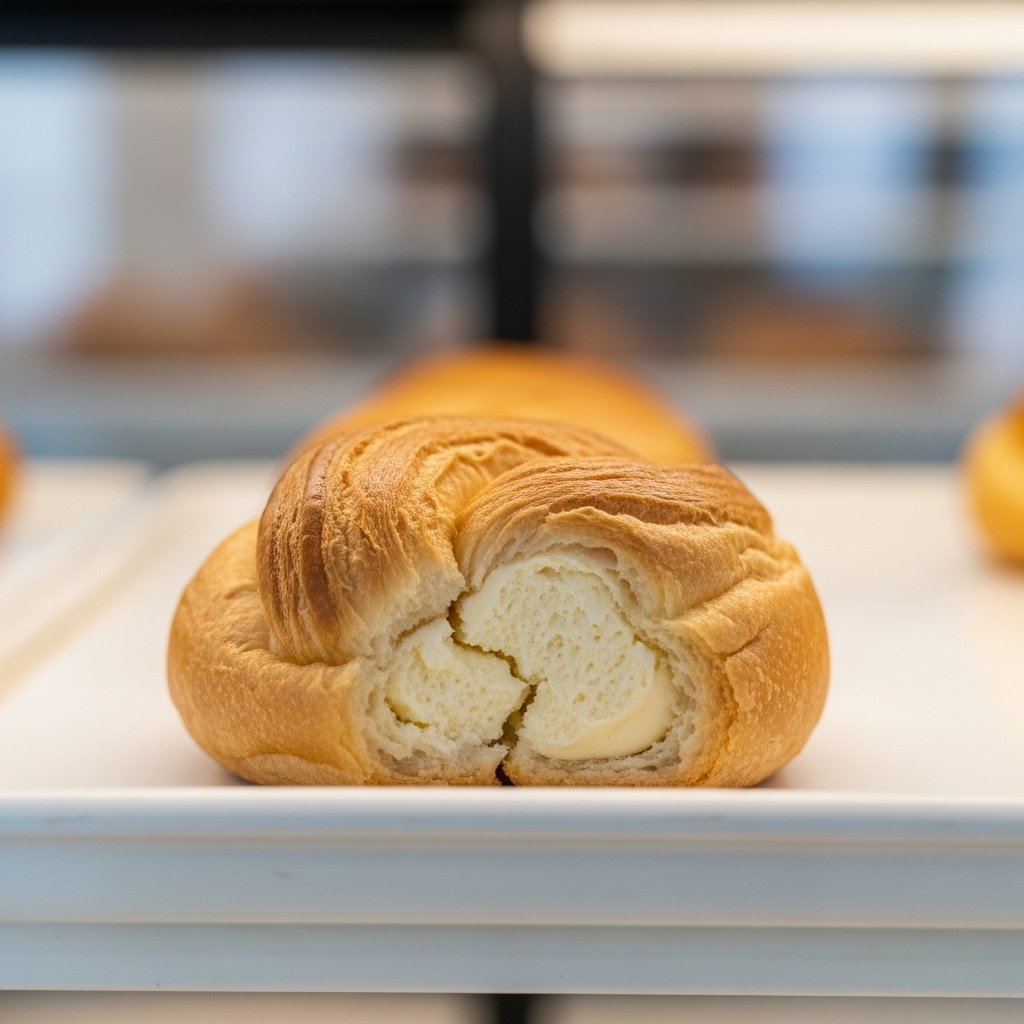
The cream fillings must be smooth and of homogenous color. Yellowing, separation or crusts on custard based products, shows that they have been exposed to a long period or have been subjected to change of temperature. Dairy products have to be kept at a refrigeration temperature of less than 5 degrees Celsius to limit the proliferation of bacteria.
Broken or Dirty Glass Panels

Smudged glass and food residue along edges suggest weak cleaning routines. Clean surfaces limit cross contamination and present products accurately. A bakery that neglects visible surfaces may overlook less visible sanitation tasks.
Mixed Old and Fresh Items Together

Stacking older items behind newer batches without clear separation confuses buyers. Proper rotation places newer stock at the back and older stock at the front. Disorganized arrangement signals poor inventory oversight and raises questions about freshness control.
Uncovered Ready to Eat Products

Open trays without protective covers expose items to airborne particles and customer contact. Many food safety authorities require physical barriers between customers and ready to eat goods. Covered trays or enclosed cases reduce contamination risk and maintain hygiene standards.
