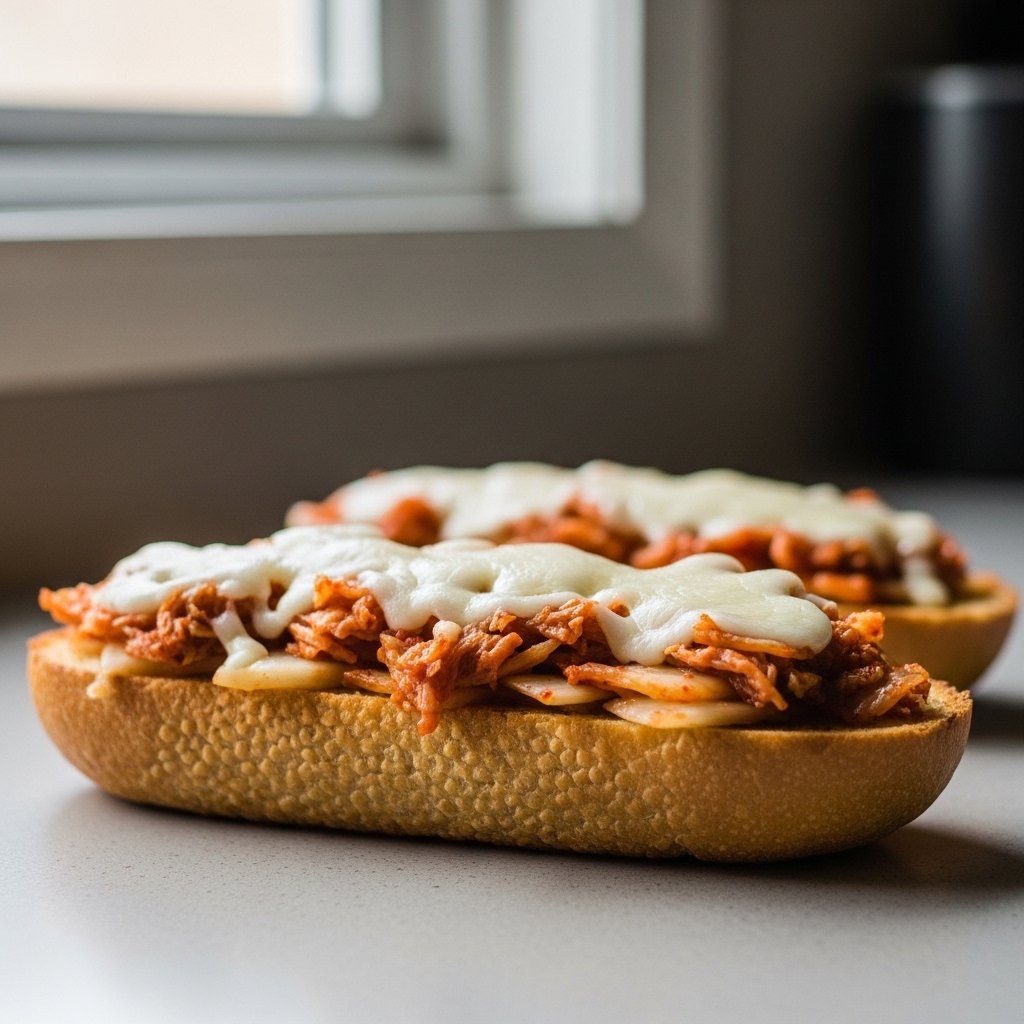
The garlic bread is a common dish served in most houses alongside pasta, soup, or grilled food. Majority of the people adhere to butter, garlic and herbs. Not many think of the addition of fermented vegetables. Kimchi provides spiciness, acidity and texture. When put in between bread made of garlic, the outcome provides contrast and balance. It is a cooking method which does not demand any sophisticated culinary skills and is priced in a way which does not add any significant value in terms of cost.
The Reason why Kimchi is Made in Garlic Bread.

Kimchi is a mixture of salt, chili, garlic and fermentation. There is already fat and starch in garlic bread. The butter and cheese are cut by the acidity of fermented cabbage. This ratio stops weightiness and enhances taste. Korean families eat fermented foods on a daily basis as a way of digesting the food.
Nutritional Value of Kimchi
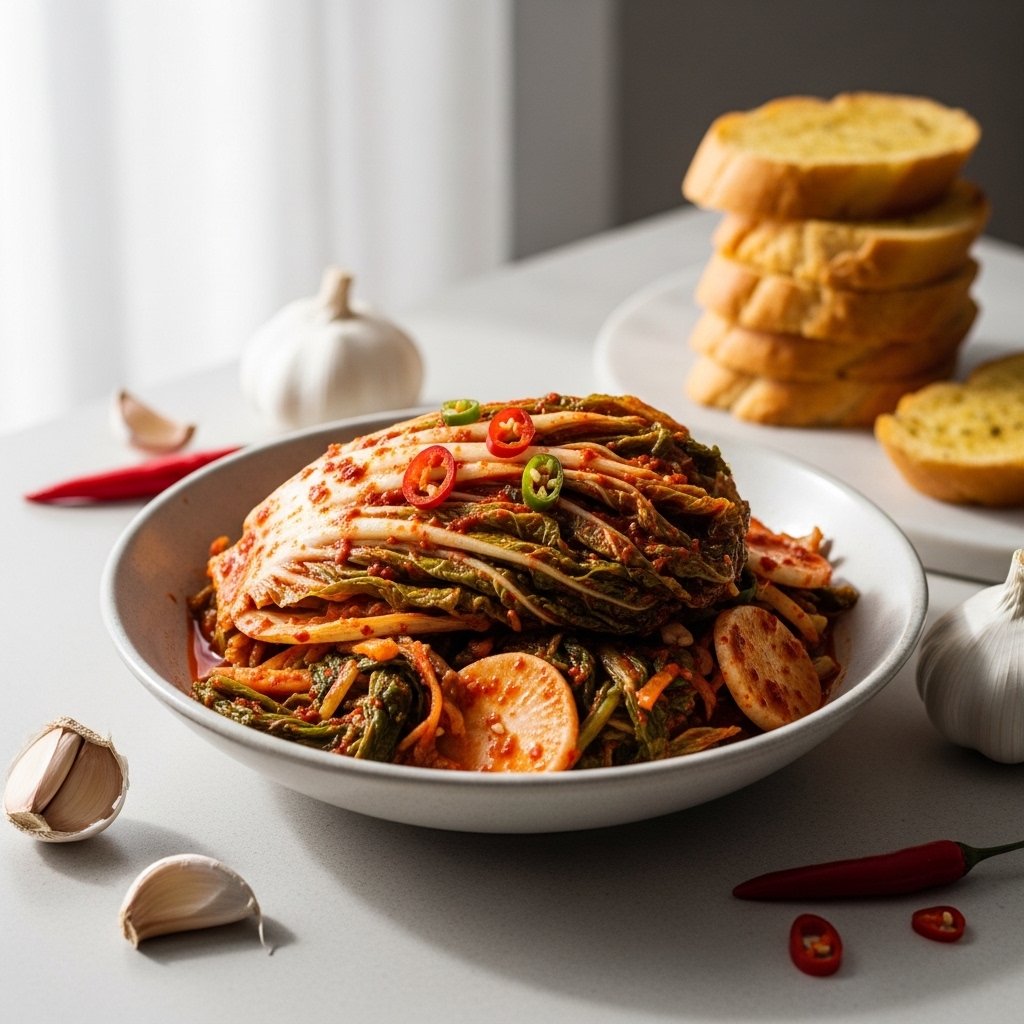
Kimchi is a good source of probiotics, fiber and vitamins A and C. Korean nutrition research studies have associated fermented vegetables with better gut microbial diversity. A single portion of kimchi is low-calorie and helps in digestion. A little bit of it in bread enhances the nutrient density but does not introduce refined sugars.
Finding the Third Way between Fat and Fermentation.
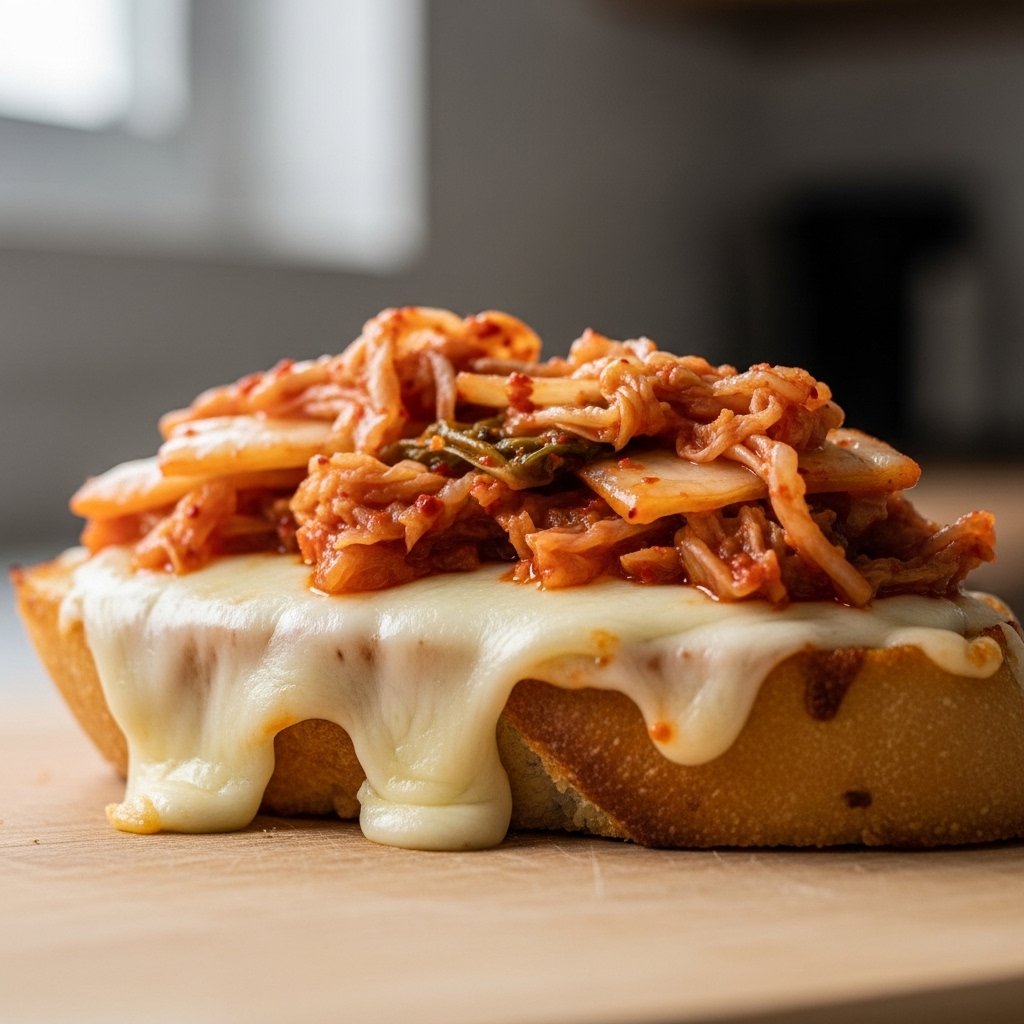
Garlic bread is commonly prepared using butter and mozzarella. Fat is rich and may be dense. Cabbage fermented is composed of lactic acid bacteria. This acid makes grease perception less. Pickles and other acidic toppings are common in restaurants to counteract fatty food. Kimchi also plays the same role.
Tactile Difference Enhances Food Intake.
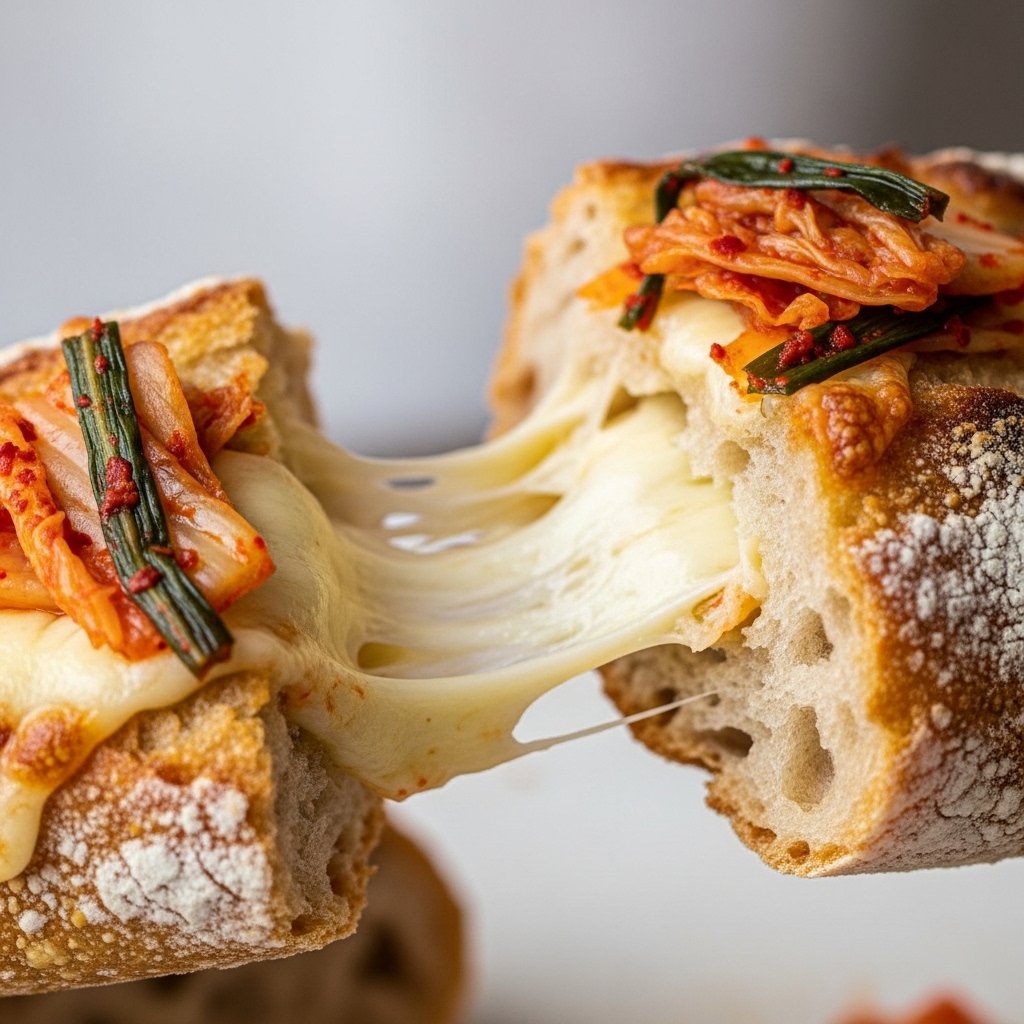
Bread has crisp edges as well as a soft interior. The melted cheese spreads and covers the palate. Kimchi adds crunchiness of cabbage and carrots. Contrast on the texture enhances satisfaction. According to food scientists, different texture enhances a higher level of sensory experience in the food.
Simple Preparation Method

Slice a baguette lengthwise. Spread garlic butter evenly. Place a thin layer of drained kimchi prior to cheese. Bake it at 180 degrees Celsius between 10 and 12 minutes. Draining saves the bread and does not allow it to be wet.
Controlling Spice Levels

The level of heat in kimchi is dependent on the amount of chili. Novices need to rinse minimal to minimize severity. Kimchi and shredded mozzarella worked together to dilute the spices. This technique will enable the households that are not accustomed to the Korean food to adjust flavors overtime.
Serving Occasions
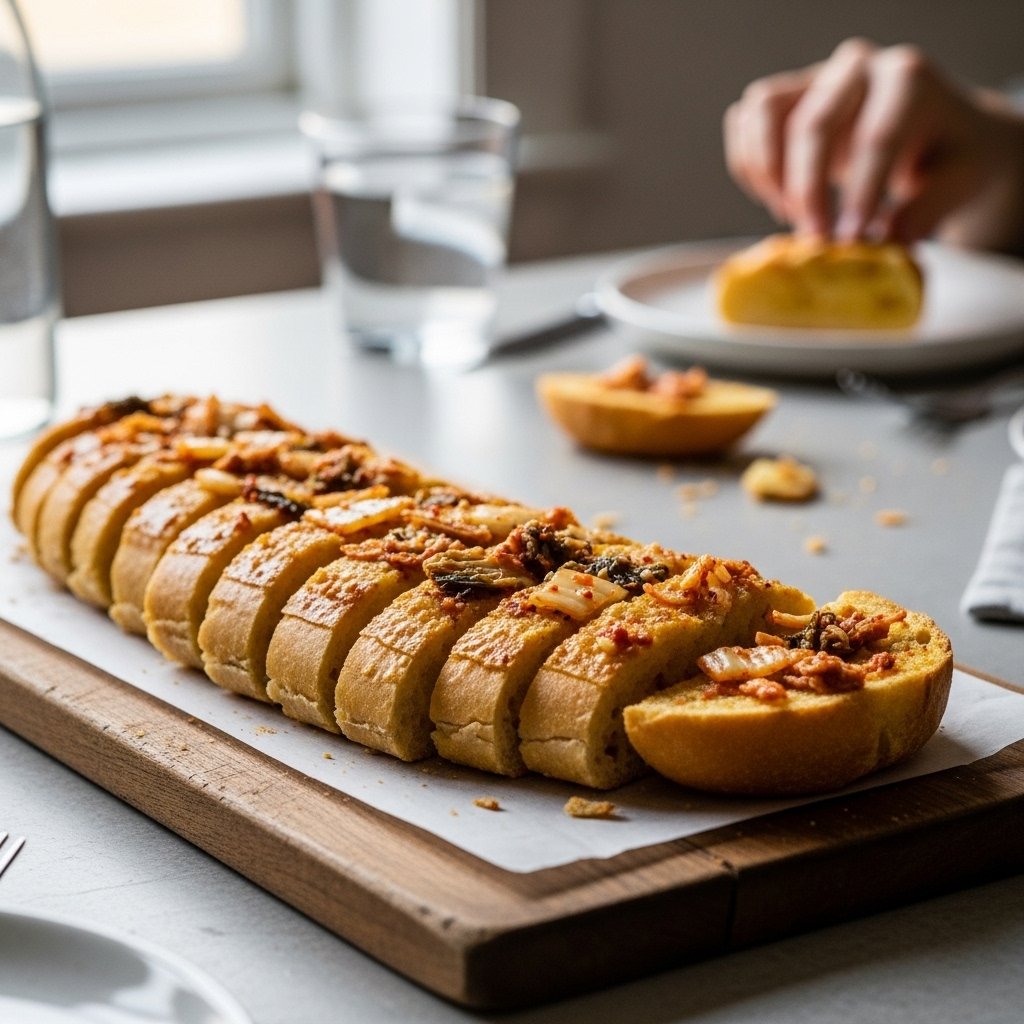
Kimchi garlic bread is appropriate in the cases of casual dinners, gatherings, and snacks during the weekends. Statistics on the international food delivery schemes indicate increased popularity of fusion meals. The young consumers like intense flavors. The dish can satisfy those tastes without the need to use rare dishes.
Pairing With Main Dishes
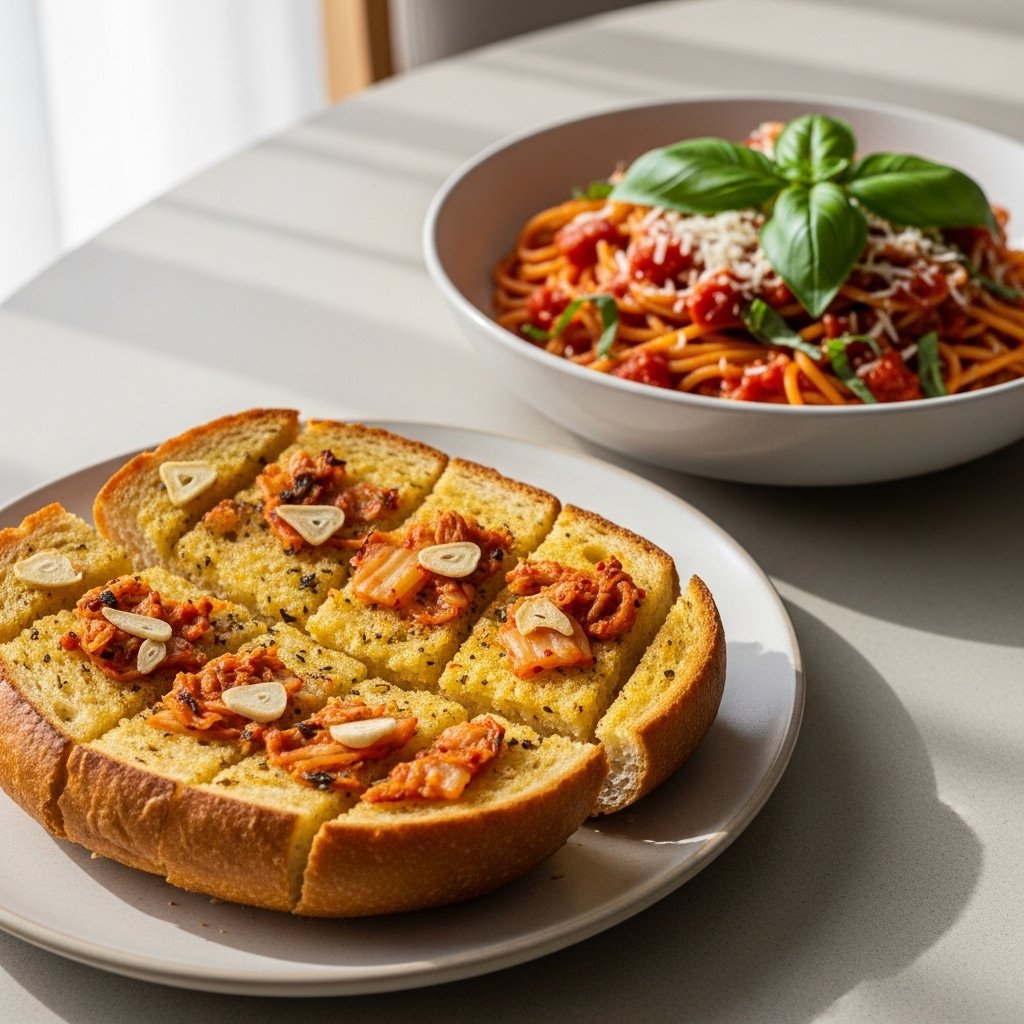
Accompaniment with tomato based pasta, grilled chicken or vegetable soup. The acid counts on savory foods that contain high fat. Fermented vegetables are commonly used in the Korean cuisine to balance the flavor of rice and meat. The same rule is applicable here.
Cost and Accessibility
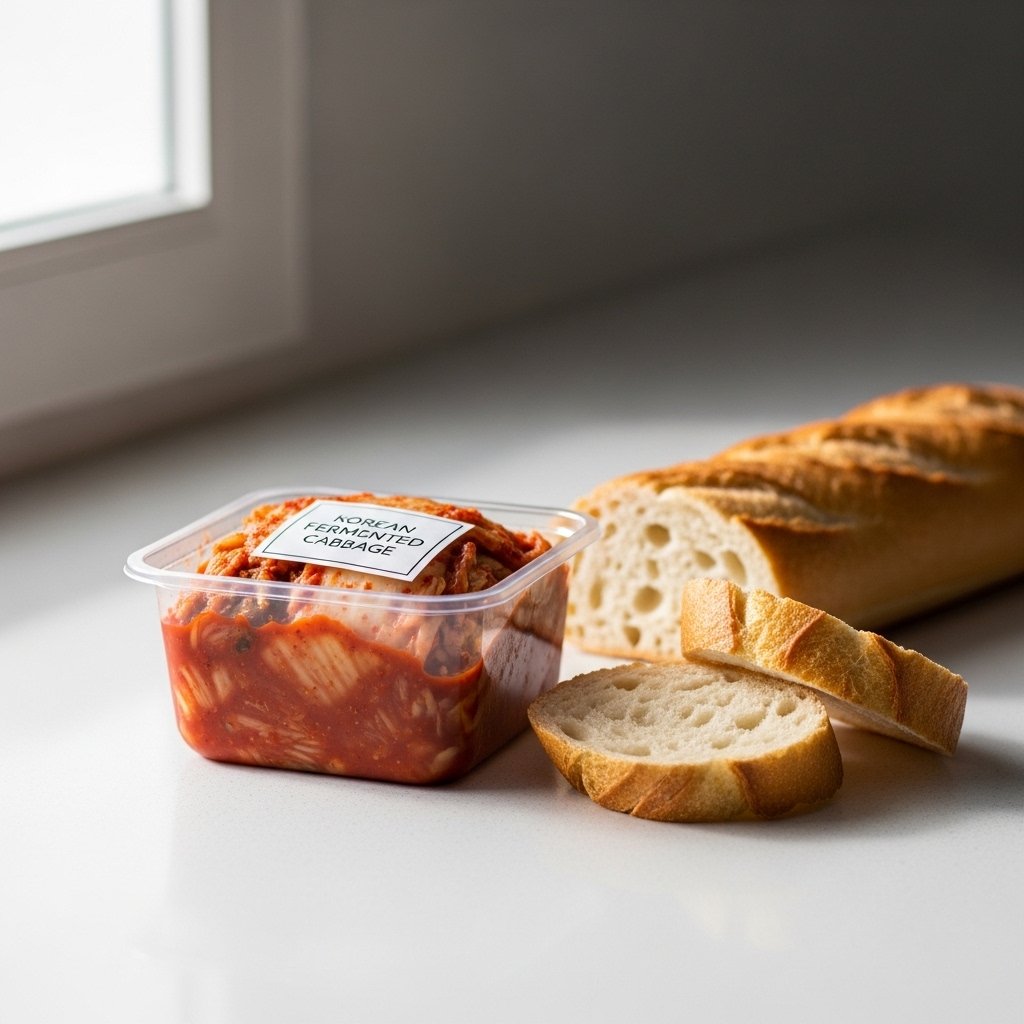
Kimchi is sold in supermarkets of most countries. Homemade variants are made with cabbage, chili powder, garlic, and salt. A 500 gram pack usually retails cheaper than specialty cheeses. The cost of a small portion added to the meal maintains the overall price level.
Food Safety Considerations
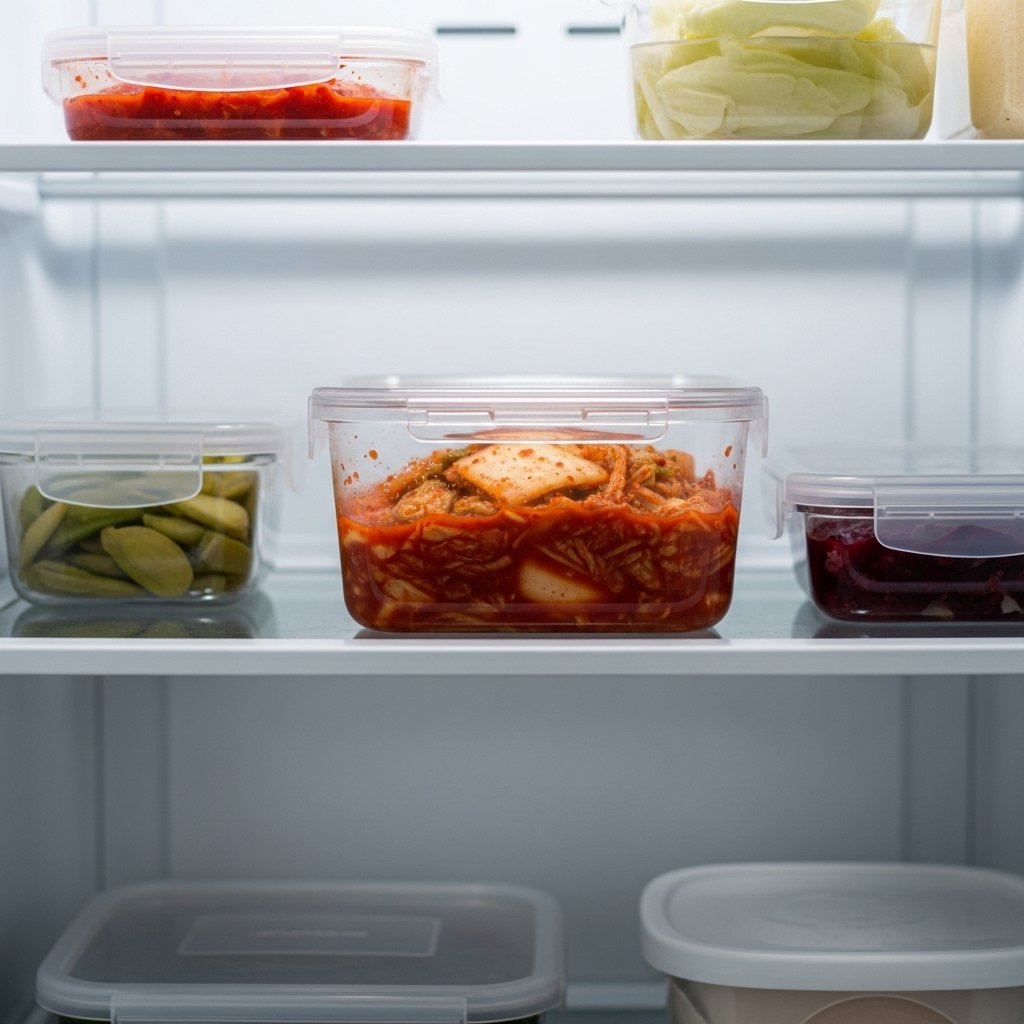
Keep kimchi in a fridge at at least 4 o C. Contamination can be avoided by using clean utensils. Abort in case an odd smell appears. Proper storage maintains the content and flavor quality of probiotics over several weeks.
