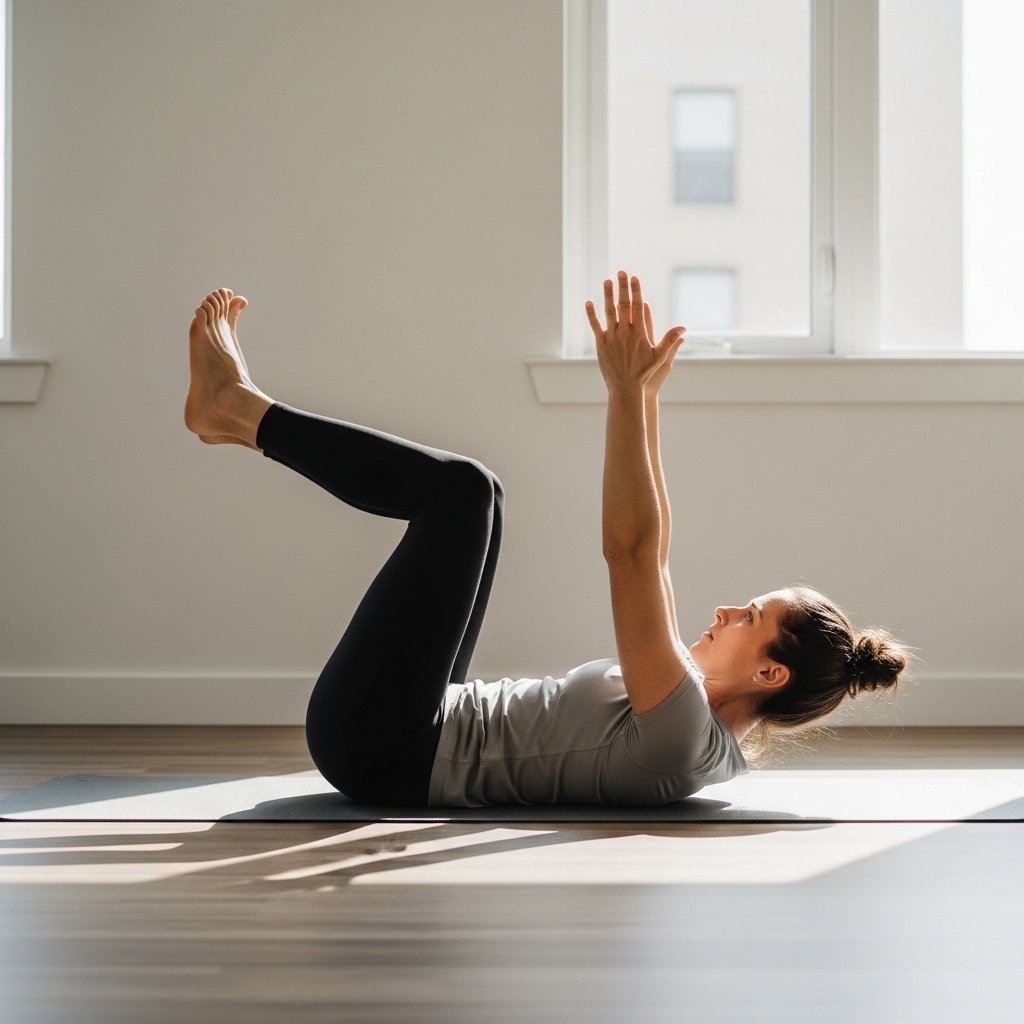
A powerful core facilitates posture, balance and injury prevention. The studies indicate that core stability training will enhance functional movement and decrease lower back pain in adults. Yoga is a set of poses that involve abdominal, hip and spinal muscles simultaneously. The next one is concentration on match breathing and orientation. The poses have specific instructions to enhance the strength and stay safe during the practice.
Forearm Plank
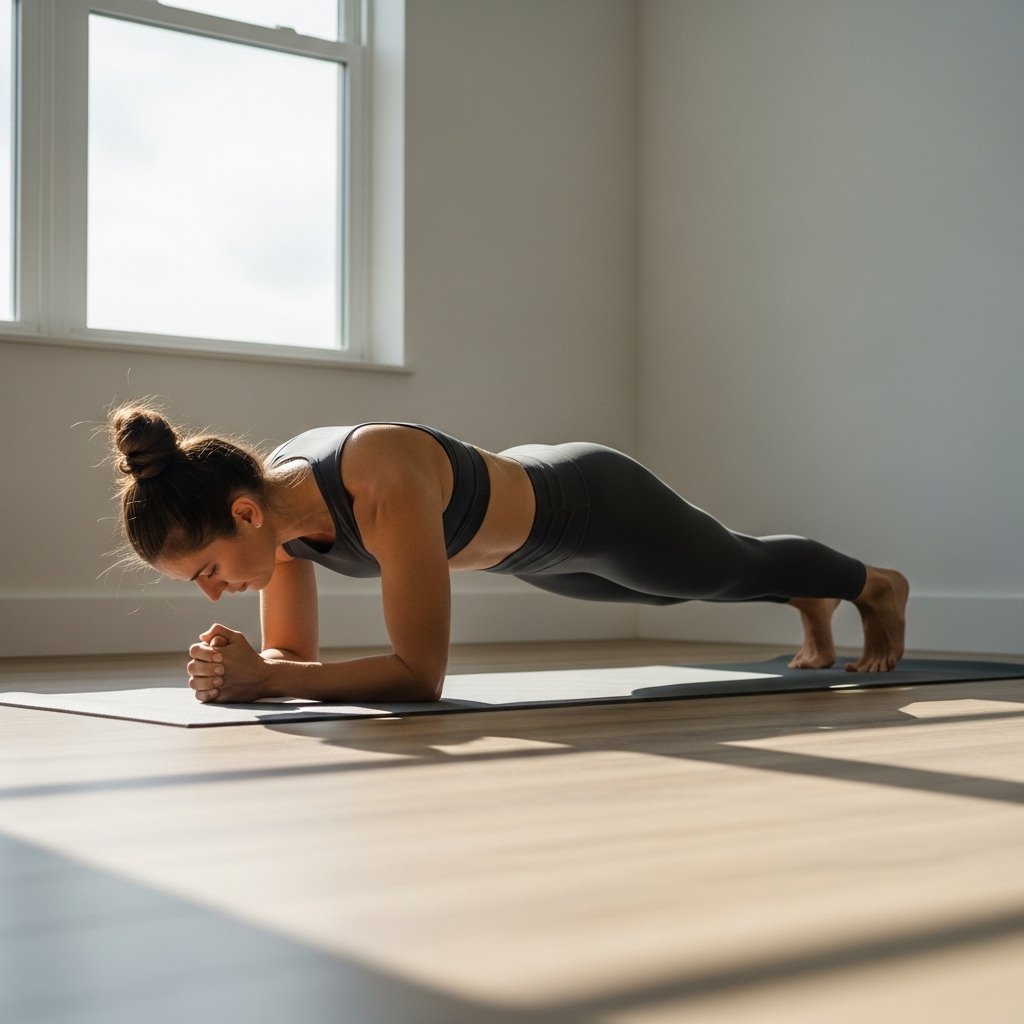
Forearm plank uses the transverse abdominis and rectus abdominis. Electromyography studies indicate that plank changes yield high core muscle activity. The practitioner maintains the position of elbows under shoulders and straightens the head to heels. 30-60 seconds of holding strengthens without straining the joints.
Boat Pose
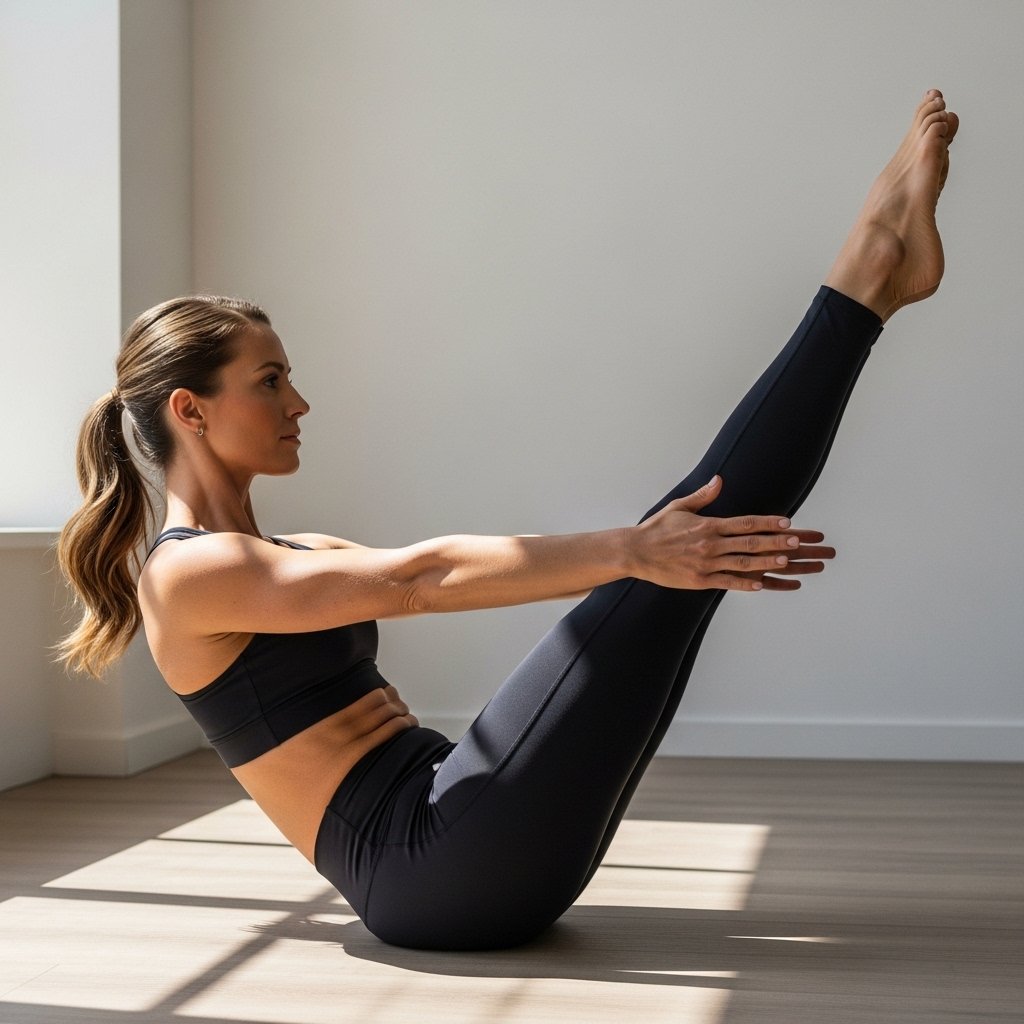
Boat pose works on hip flexors and deep abdominal. The practitioner sits on the sit bones as legs are brought upwards, and arms stretched forward. Stiffening the spine helps to lower the pressure on the lower back. Balancing and abdominal control is tested in the time-span of 20 to 40 seconds.
Side Plank

Side plank helps to strengthen obliques and shoulder stabilizers. Evidence points to the fact that the lateral core exercises enhance stability of the trunk. The practitioner puts stacked feet and raises hips using weight on one forearm. A straight posture with the head and feet in alignment enhances activating muscle and control of the posture.
Warrior Three
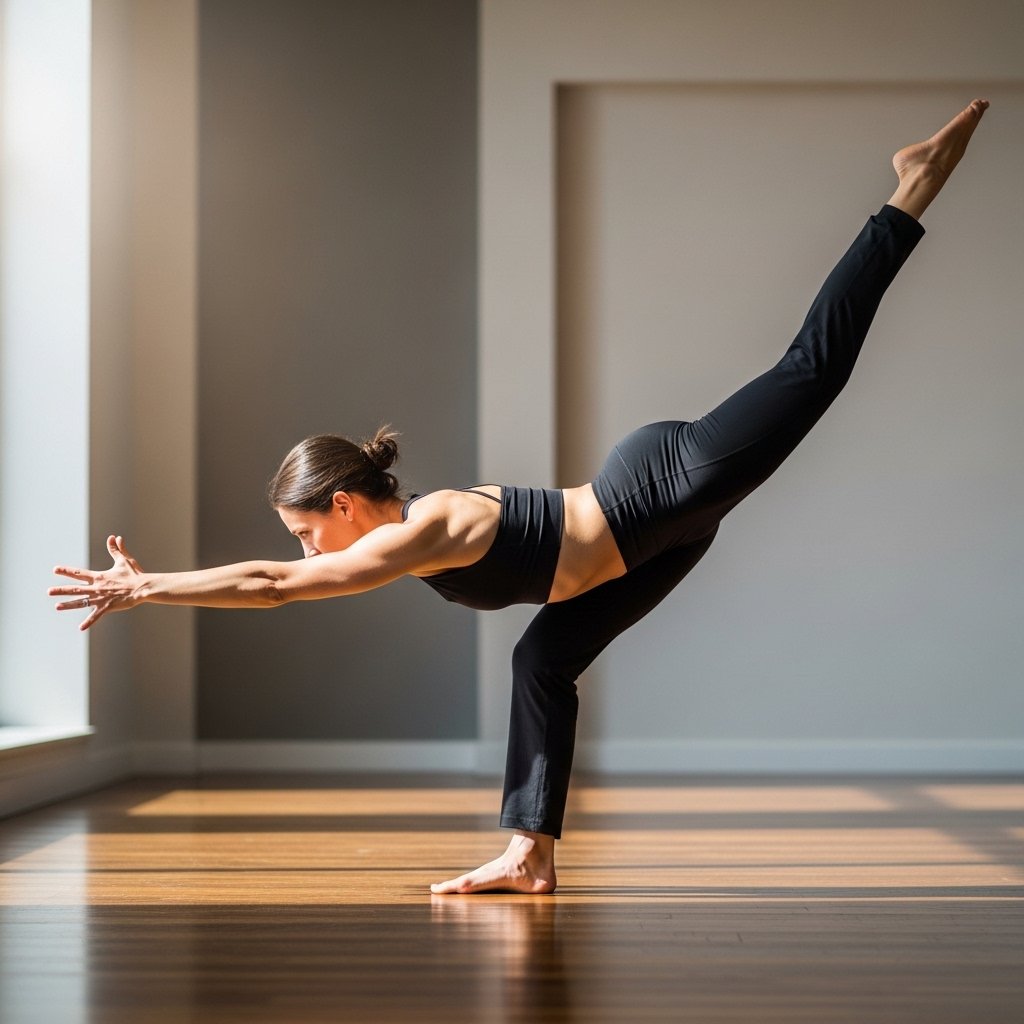
Single leg balance gives warrior three core stability. The practitioner relocates the weight to one leg and reaches out to the other leg behind oneself as he or she leans forward. The use of the abdomen will avoid hip rotation. The 20-30 seconds hold on each side improves balance and coordination.
Bridge Pose

The bridge pose engages lower back and glute muscles together with the core. The practitioner walks on feet on the floor and raises hips upwards. Pulling the abdomen helps in spinal alignment. The 30-second holds enhance the strength of the posterior chain and stability of the pelvis.
Chair Pose
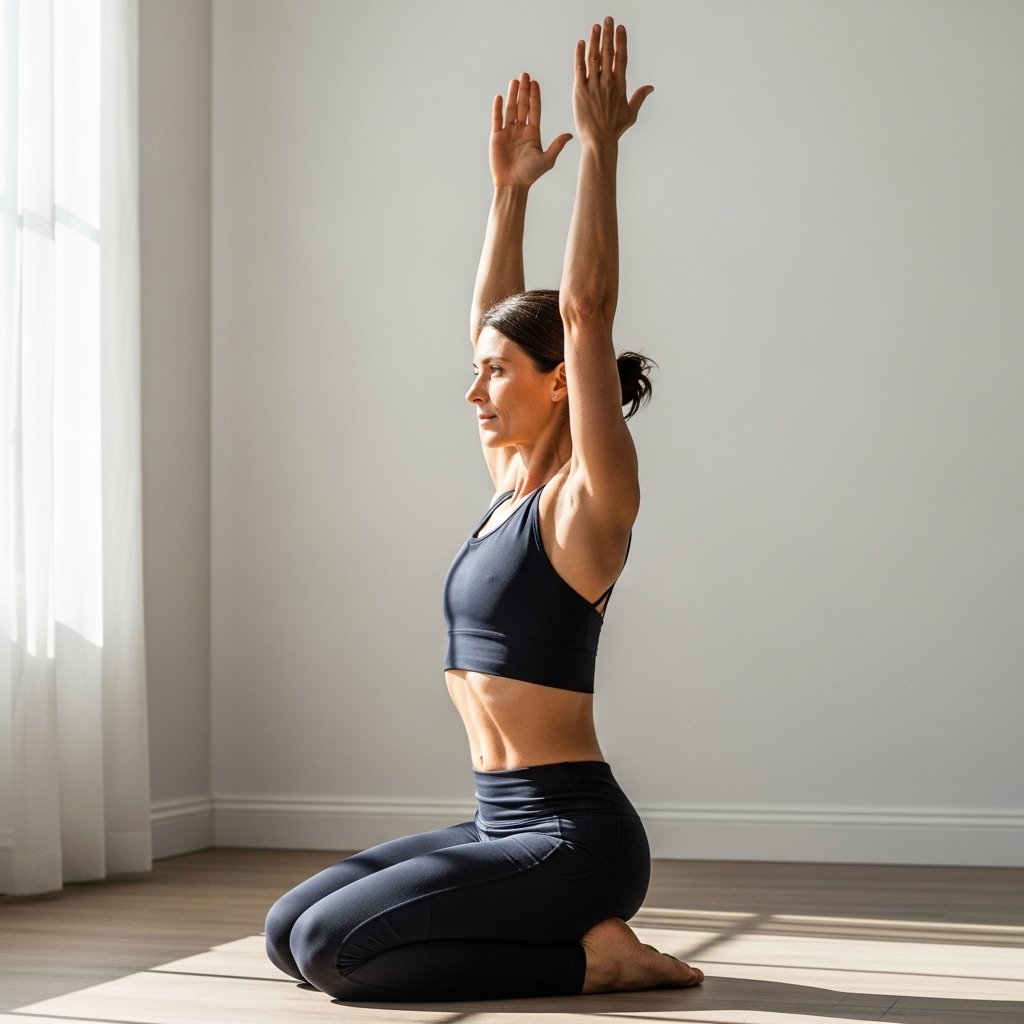
Chair pose involves the use of both quadriceps and abdominal. The practitioner squats and humps hips and raises hands over head. Holding the torso straight demands more core. A 30-45 second hold enhances the stability of lower body and trunk.
Dolphin Pose
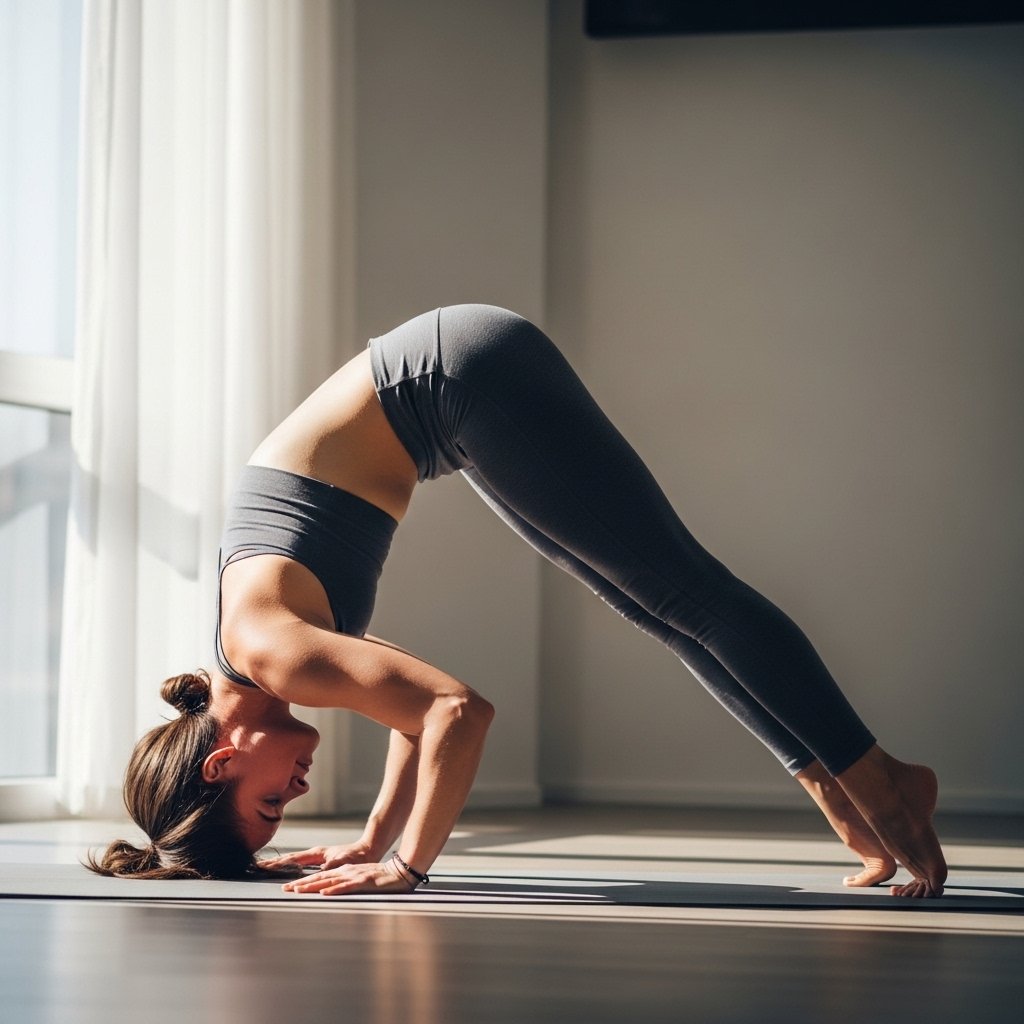
Dolphin is a workout of shoulders and deep abdominal muscles. The practitioner lays his forearms on the mat and raises hips upwards. The spine should be held in a neutral position to avoid strain. An upper body and core endurance is enhanced by holding between 20 to 40 seconds.
Locust Pose
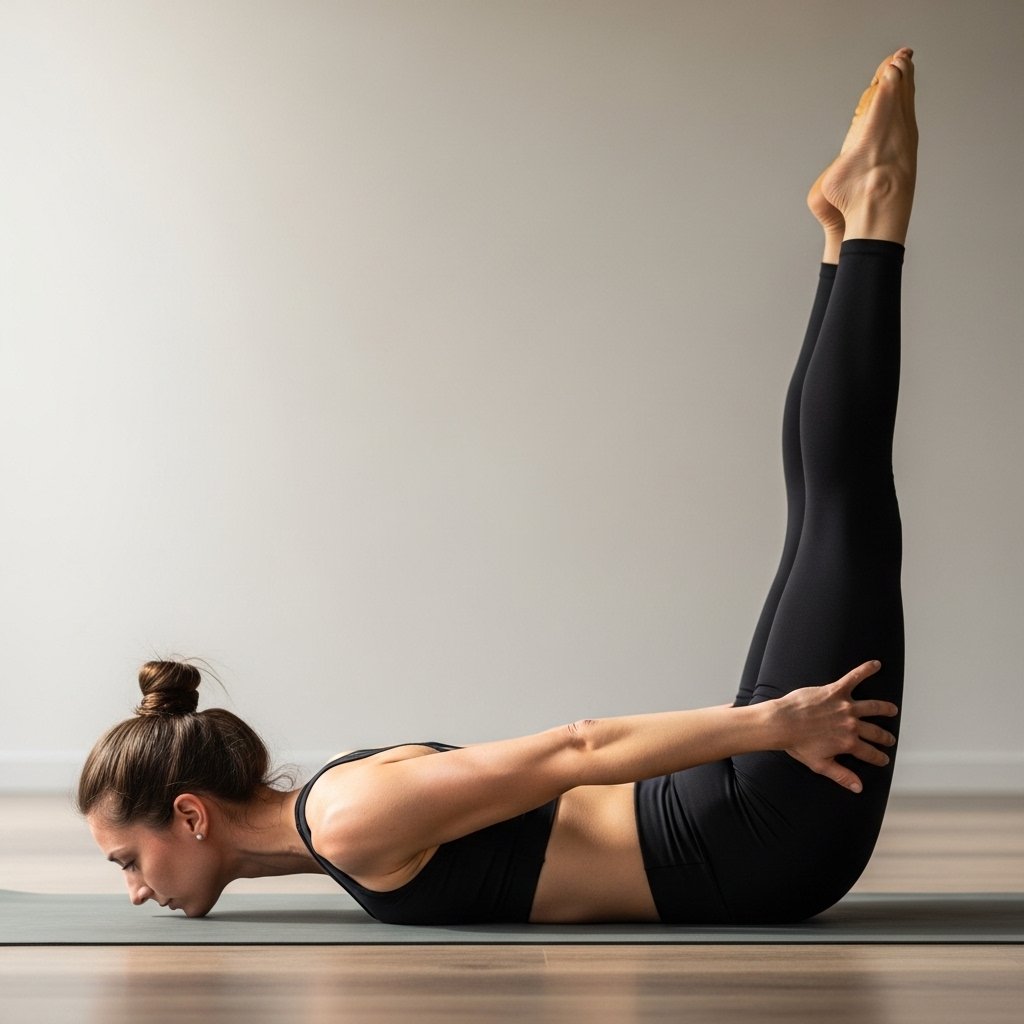
Locust pose strengthens the back body and the spinal extensors. The practitioner is lying on his back and raising his chest and legs. The lower spine is shielded by using abdominal muscles. The 15-30 seconds hold enhances the posterior chain activity and posture support.
Extended Side Angle
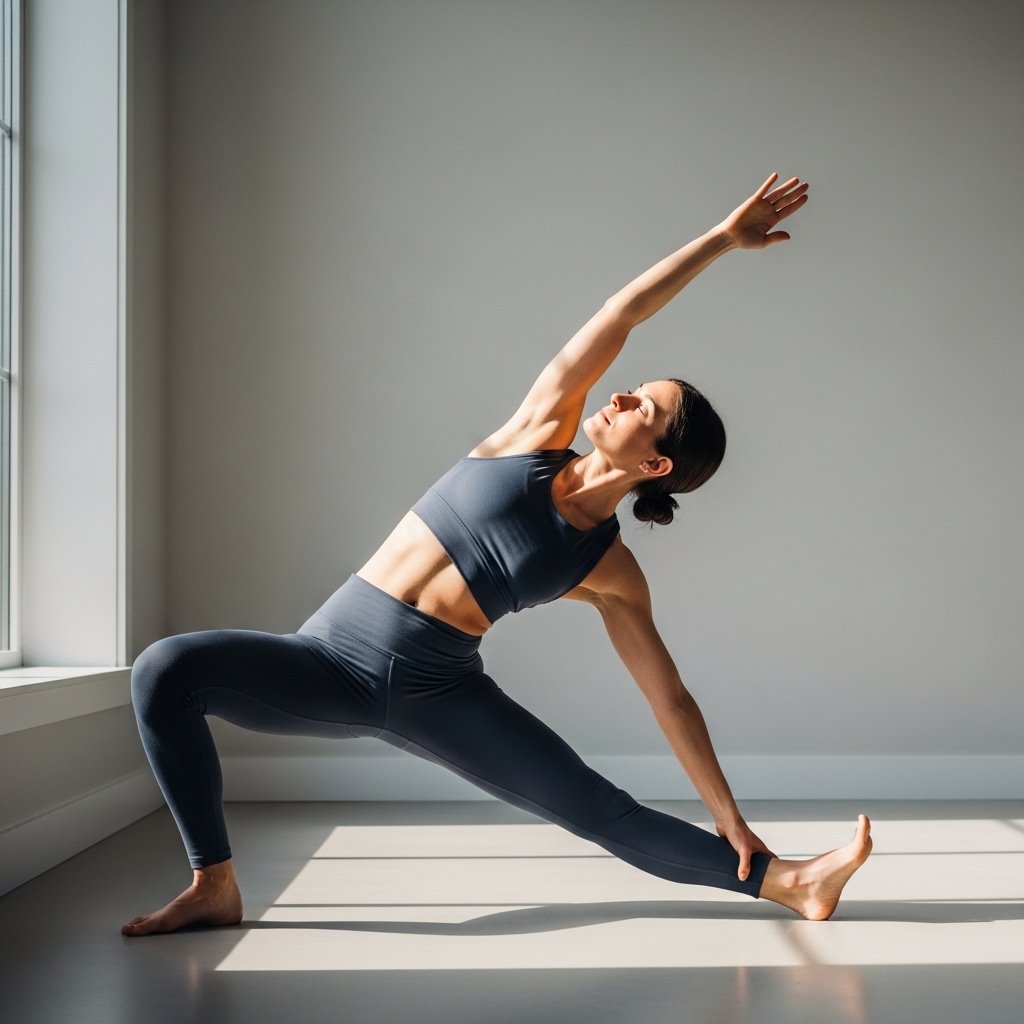
Extended Side Angle involves obliques and hip stabilizers. The practitioner folds one knee and extends the other arm upwards. Tilting the ribs will enhance alignment. 20-30 seconds of holding per side improves rotational stability and endurance of the core.
Crow Pose
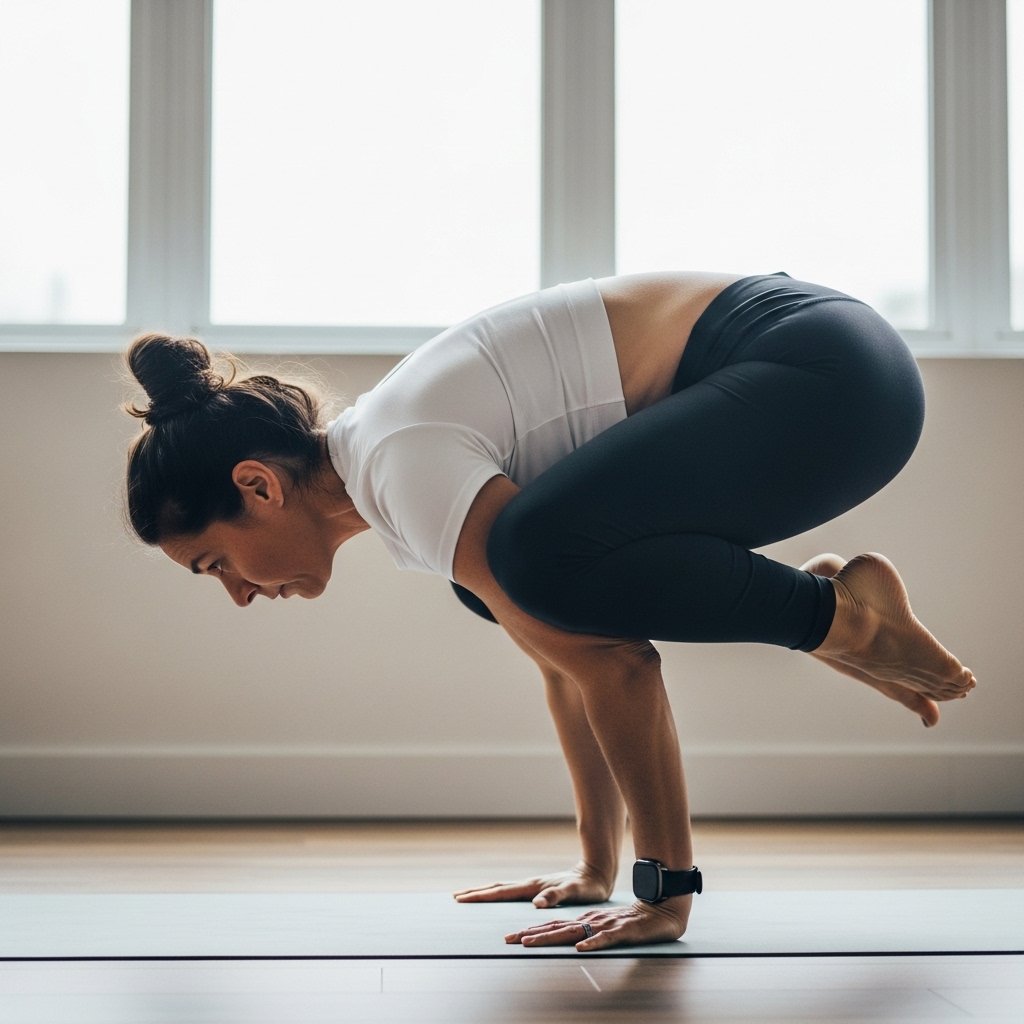
Crow pose develops core with help of arm balance. The practitioner will put hands on the floor and knees on upper arms. Use of abdomen helps to avoid forward collapse. 10-20 second short holds help in better coordination and upper body stability.
