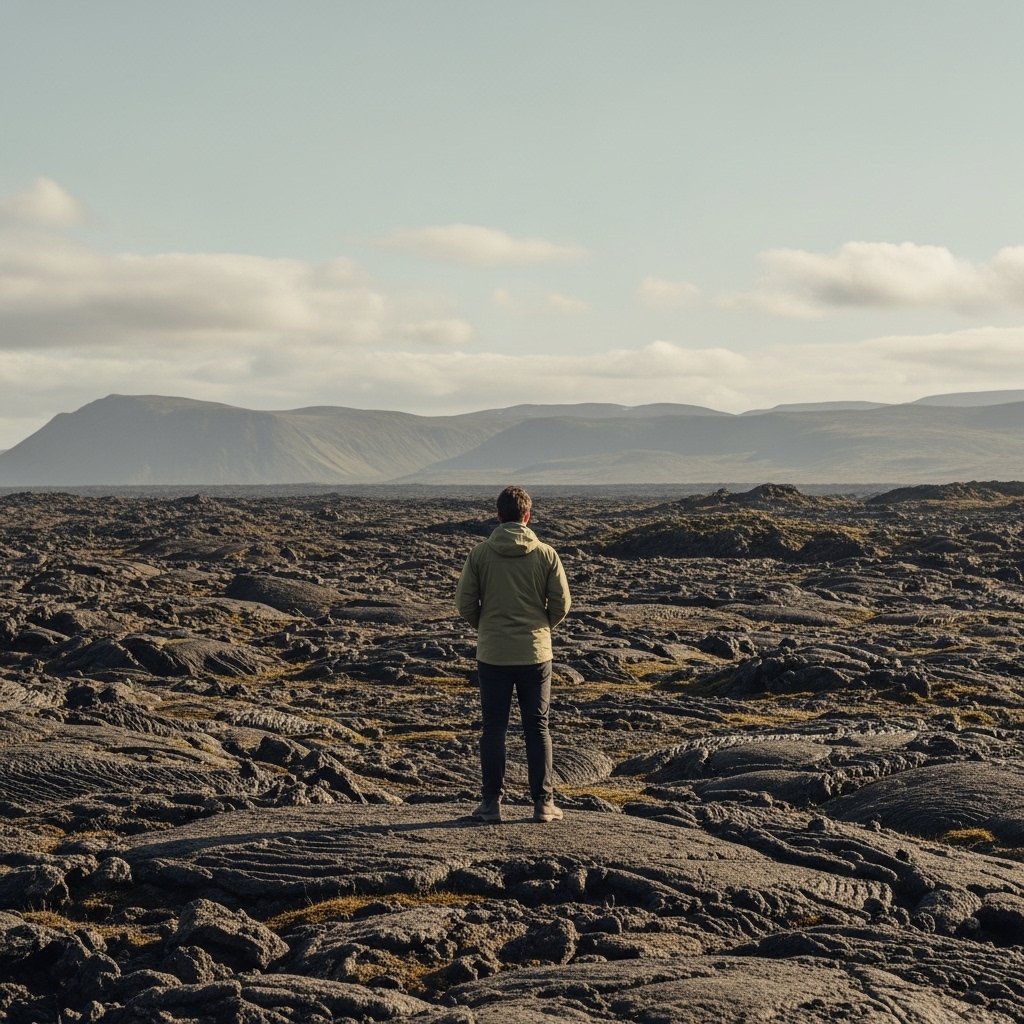
The barren landscape, volcanic nature and extreme climate of Iceland appeal to planetary scientists. These are some of the conditions that are similar to some of the features found on Mars. Field research is done in the remote areas of Iceland where research teams develop equipment, train astronauts, and study geologic features. The information collected in Iceland is useful in mission planning and instrument design in the exploration of Mars. The site provides easy topographic conditions on Earth with quantifiable comparable characteristics to Martian topographies.
Lava Rocks and Volcanoes
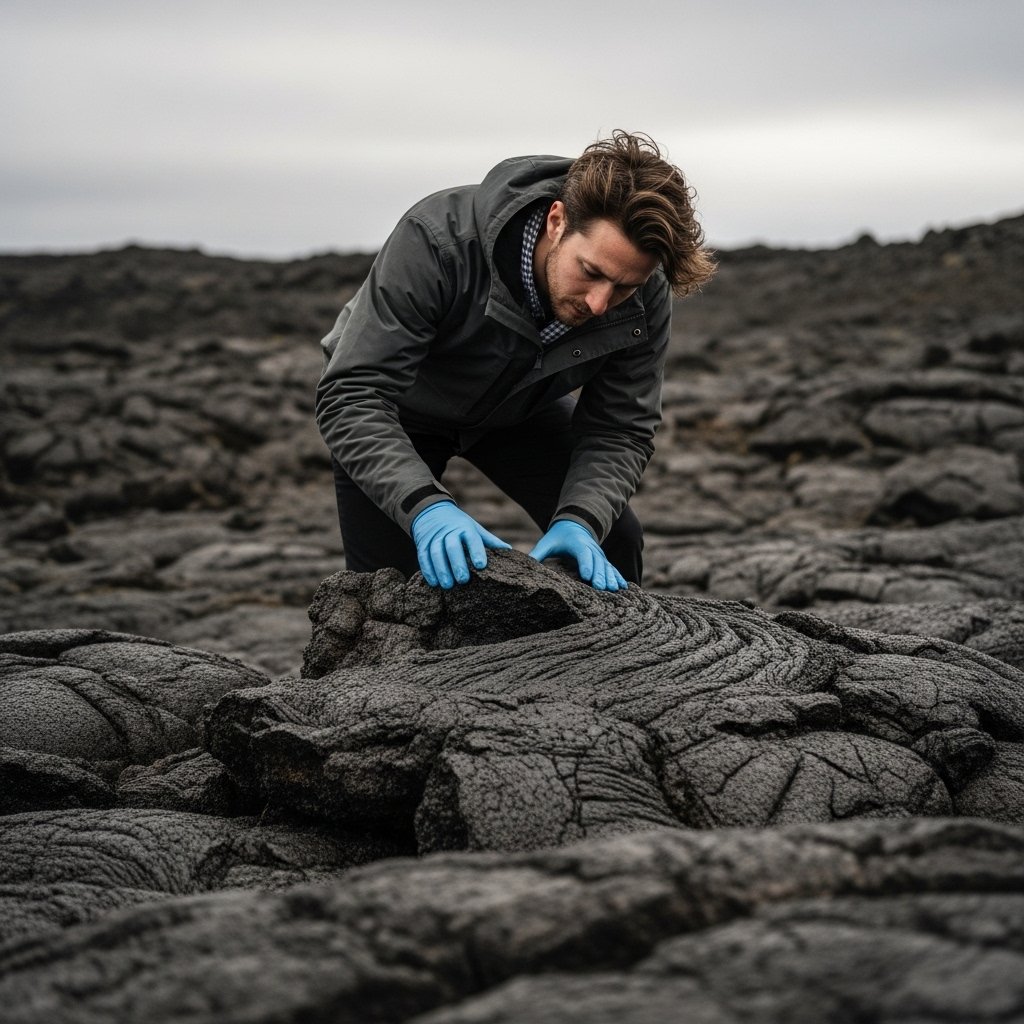
Iceland is made up of basalt which is a volcanic rock and is also present on Mars in large portions. Available orbital data of Mars missions reveal vast basaltic plains. Similar types of rocks are easily accessible in Icelandic lava fields. To hone remote sensing analysis to be used in missions to Mars, scientists analyze texture, mineral composition, and patterns of weathering.
Gloracial and Periglacial Features
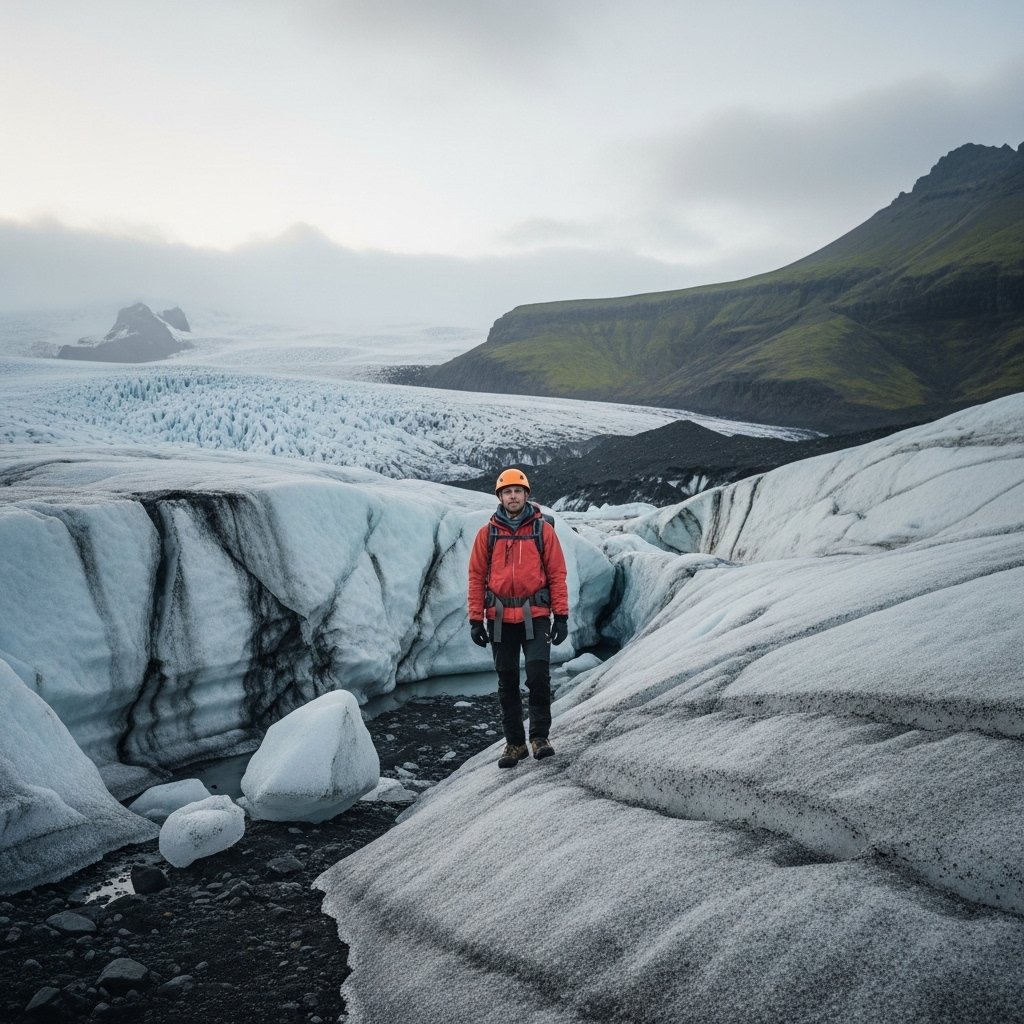
There are glaciers, subglacial volcanoes and freeze thaw cycles in Iceland. Mars has evidence of the former ice deposits and potential glacial activity. Scientists study the interaction process of ice and volcanic ground in Iceland. The observations are used to interpret Martian surface features taken by satellites and rovers.
Low Population and Low Vegetation

There is very little vegetation cover and human facilities within many parts of the highland regions in Iceland. This environment minimizes contamination in field research. Mission Mars simulated outdoor work is performed in teams. The absence of the noise in the city and the artificial buildings enhances the validity of equipment tests.
Mars Analogs Research Stations
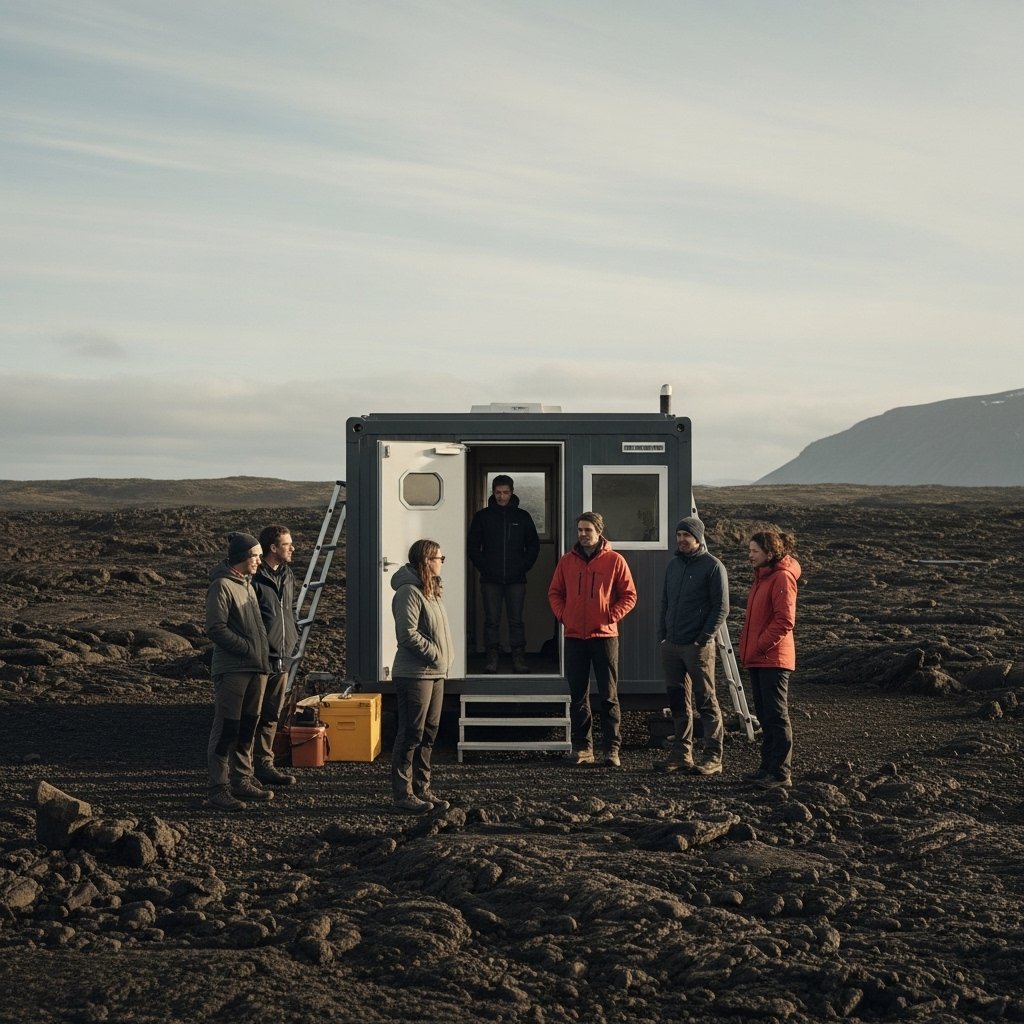
Companies like the Mars Society do field programs in Iceland. Mars Society operates the Flashline Mars Arctic Research Station in Canada, but Iceland is also used repeatedly as the site of analog missions. Scientists perform habitat simulation and geological survey with strict operational guidelines that are similar to those designed to be used in the Mars missions.
Instruments and Rovers Testing
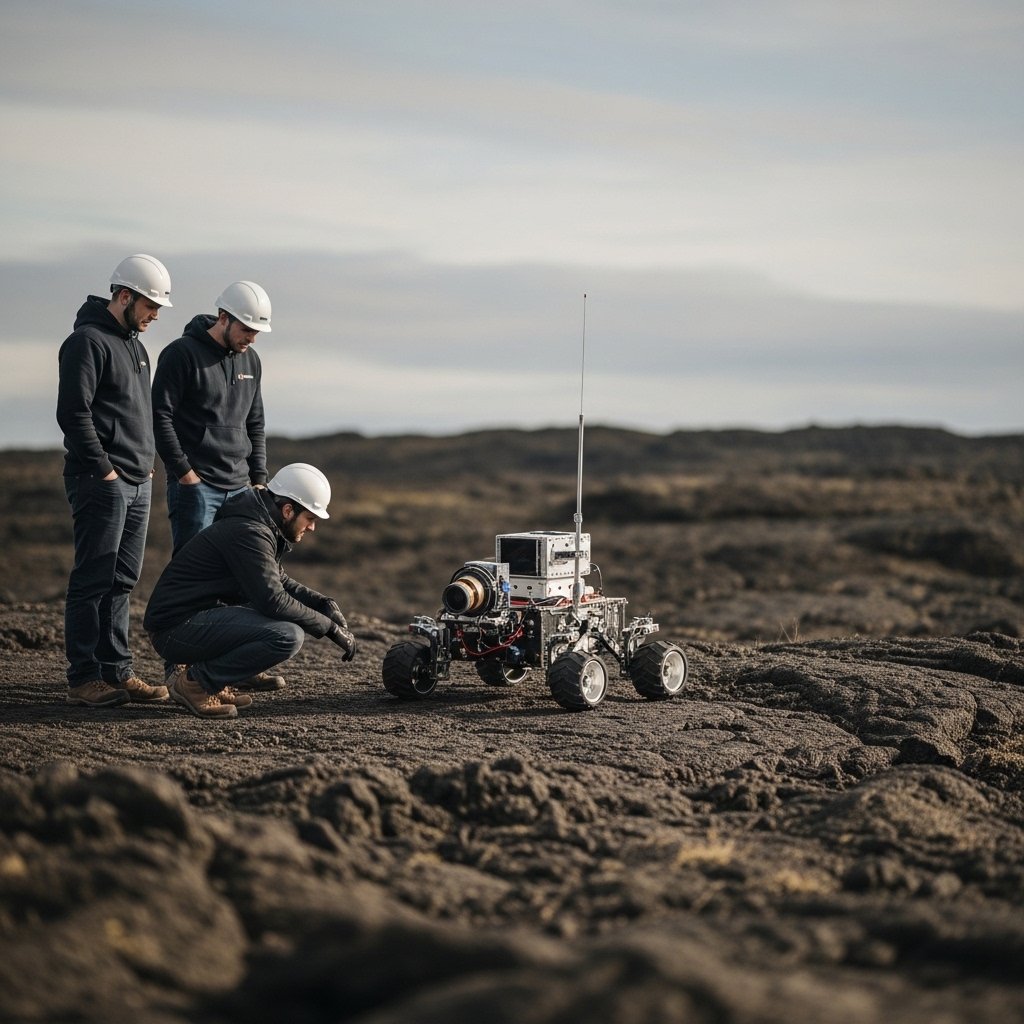
The Mars Martian robotic vehicles should be evaluated on rough and rocky surfaces. Troubling lava fields in Iceland can offer mobility challenges. Engineers determine the traction of wheels, navigation systems and precision of sensors. Field data minimises risk prior to taking to missions like NASA projects.
Training for Astronauts
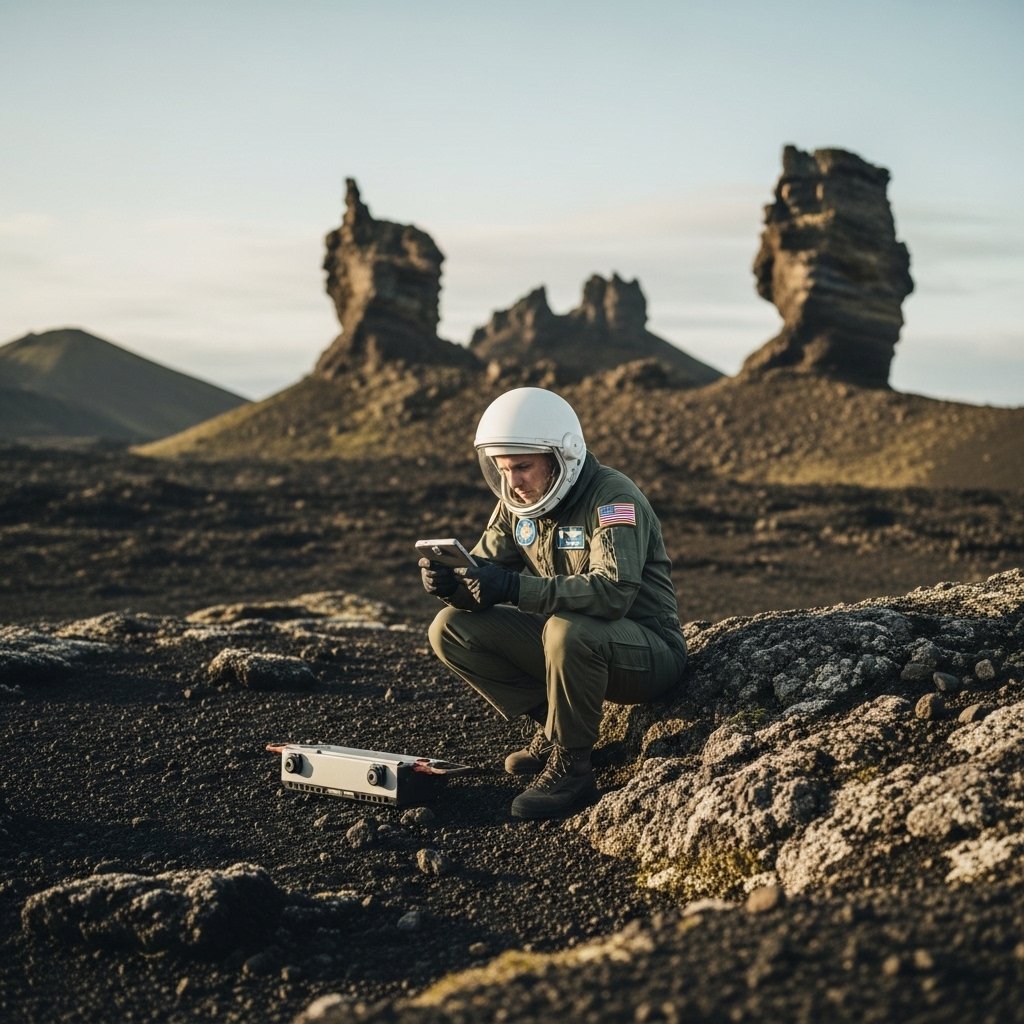
Space organizations such as NASA are taking astronauts to study geology in the volcanic areas on the earth. Iceland provides practical experience in the field of rock identification and sample collection. Astronauts train on how to write field notes and choosing specimens. These capabilities facilitate outer-surface exploration in the further Mars missions.
Microbial Studies of the Subsurface

Microbes in Icelandic lava tubes and geothermal sites are studied by scientists. The Mars exploration is based on the evidence of former or current microorganisms. Iceland research is useful in defining biosignatures and sampling strategies. Planetary science Laboratory tests on Icelandic samples enhance the techniques of detection.
Climate and Extreme Conditions

Iceland is a land of cold weather, fierce winds and sudden weather changes. Mars is characterized by low temperatures and dust storms. Iceland field teams also test the protective clothing and communication system. These tests provide performance metrics, which are used in the engineering decisions of Mars equipment.
Lava Tubes as Habitat Models
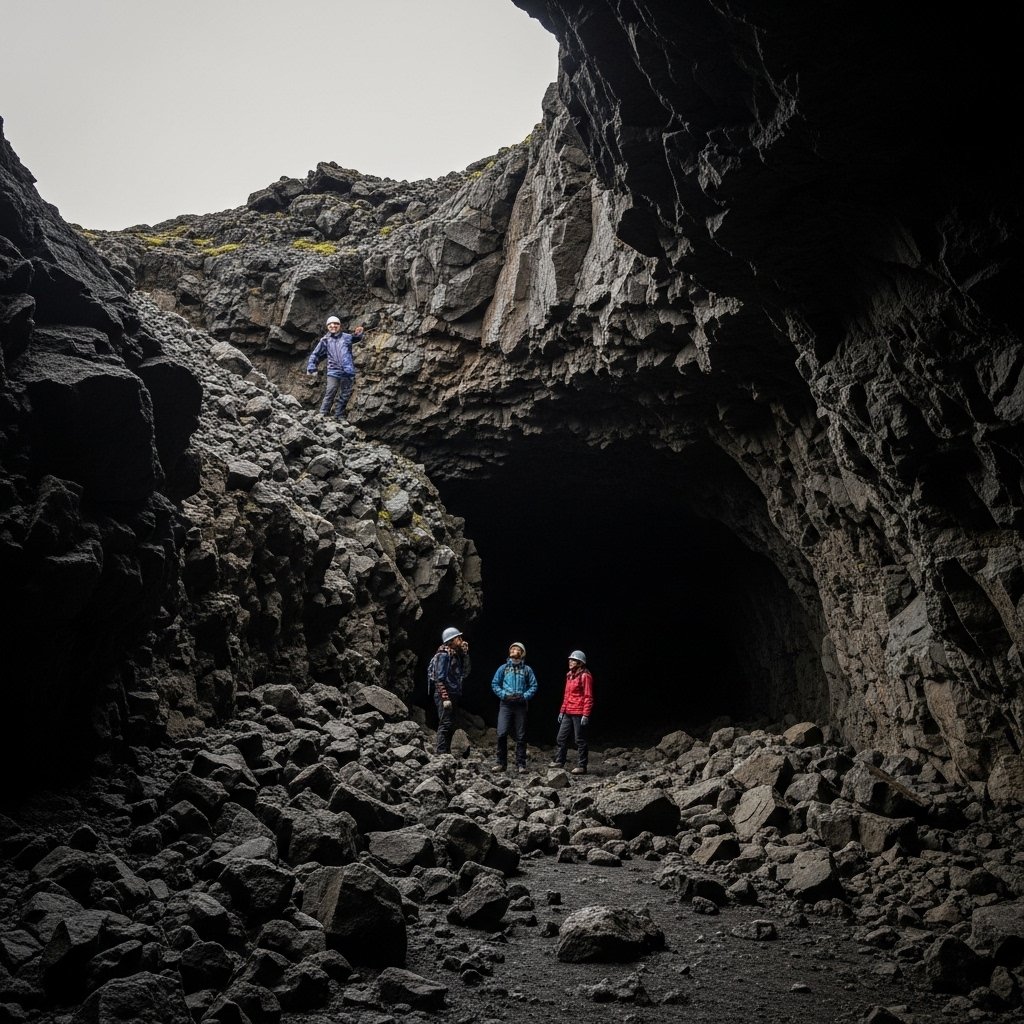
Lava tubes occur when the molten rock is flowing under hardened crust. Lava tube structures are present in both Mars and Iceland. Scientists investigate Icelandic tubes in order to research stability and radiation shielding. These structures provide information on possible shelters in future missions to Mars.
Remote Sensing Calibration

Calibration of instruments used in orbit around Mars uses known surfaces in the earth. Spectral analysis is used to compare the Icelandic basalt fields. Ground samples are compared by scientists to satellite data. Such a process enhances precision in discovering the presence of minerals on Mars in an orbital state.
