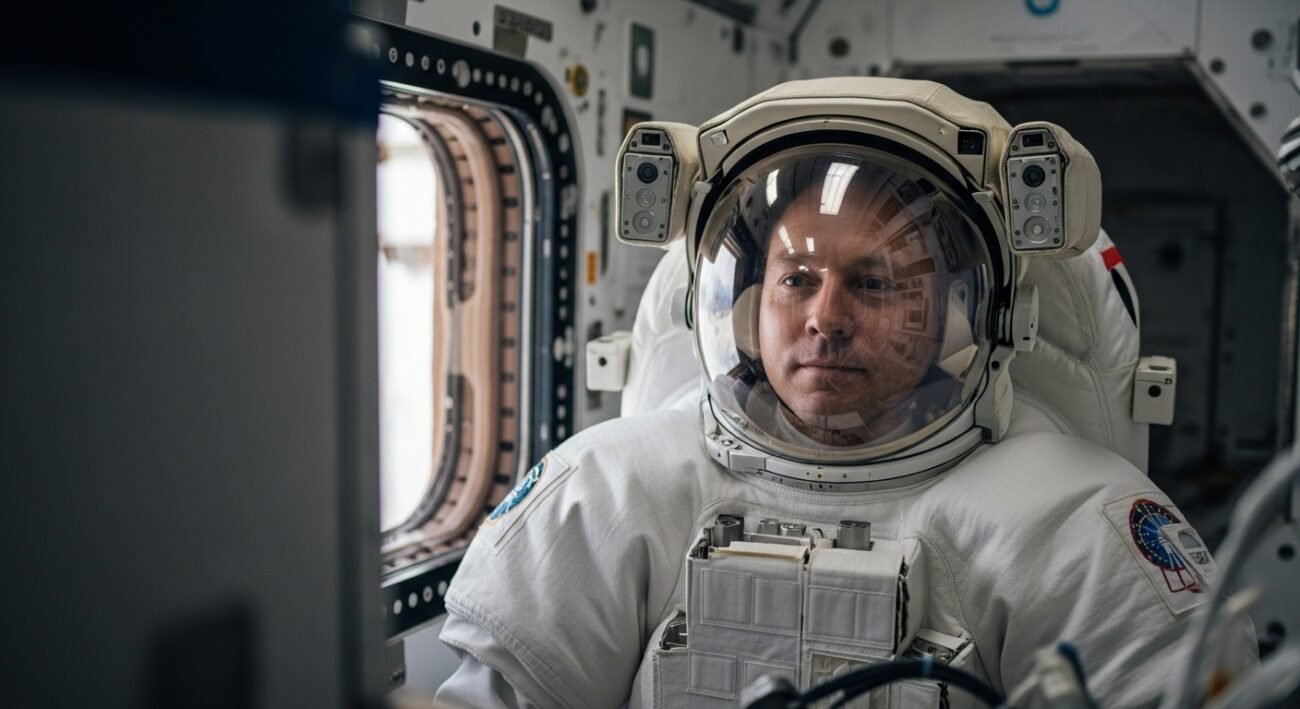
Space travel exposes the human body to environment not available on earth. The latest neurological studies put on astronauts post prolonged missions have indicated quantifiable changes in brain shape and position. These alterations were monitored by pre-flight and post-flight imaging. Results have an operational implication on mission planning, post flight maintenance and future deep space travel whereby crews spend more time in microgravity and fluid redistribution.
Brain Position Shifts After Spaceflight

Brain imaging shows upward displacement of brain tissue following extended missions. Cerebrospinal fluid movement changes under microgravity, placing pressure on upper regions. Researchers observed measurable elevation near the top of the skull. Such movement links directly to fluid redistribution rather than injury or disease.
Ventricular Volume Expansion

The cerebrospinal fluid is contained in the ventricles and the pressures are regulated. Months after being in orbit, the size of ventricular spaces increases. MRI of astronauts demonstrates the continued enlargement of MRI weeks post-return. Growth implies reduced drainage of the fluid in microgravity, which develops pressure variations within the skull.
Cerebrospinal Fluid Redistribution

Here on earth, gravity helps in the flow of fluids on the lower body. Fluids move towards the head in orbit. This change changes the circulation of cerebrospinal fluid. Fluid pooling is visualized as being more in the areas around the upper part of the brain and this is as expected through tissue migration patterns.
Impact on Visual and Balance Systems
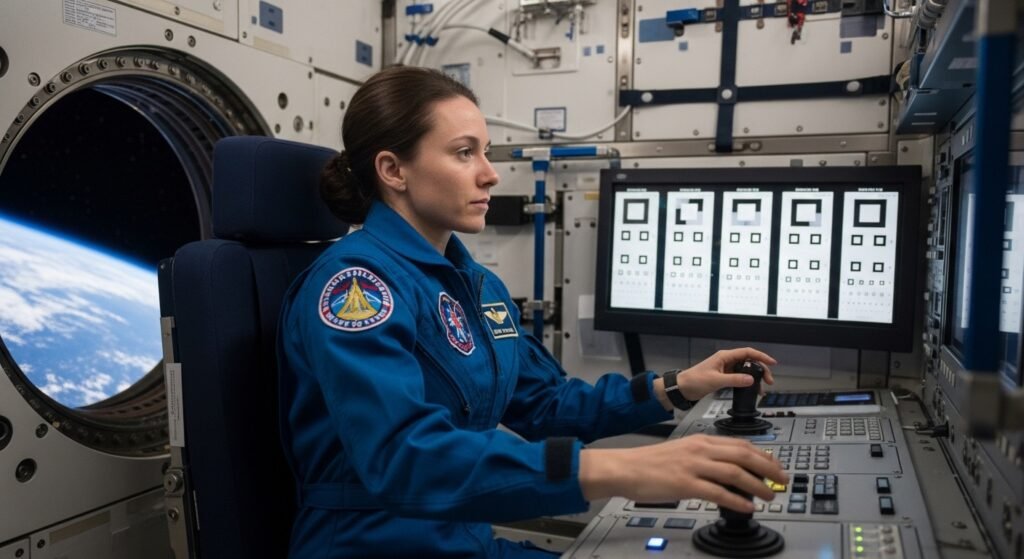
Visual and balance symptoms reported by the crew members are associated with structural brain changes. Other astronauts complain of blurred vision or inability to see depth after the mission. The brain areas that are associated with sensory integration are subjected to pressure differences, which provide a neurobiological rationale to these difficulties in operations.
Persistence After Return to Earth

Brain changes do not reverse immediately after landing. Follow up scans show partial recovery over months. Ventricular size and brain position normalize slowly. This delayed recovery period matters for astronaut readiness, rehabilitation planning, and scheduling of repeat missions.
Differences Between Short and Long Missions

Short missions produce minimal structural change. Long duration missions exceeding six months show pronounced effects. Data comparisons confirm duration as a key variable. Mission planners use such findings to guide crew rotation limits and recovery timelines.
Relevance for Deep Space Missions

Planned missions to Mars involve longer exposure than low Earth orbit flights. Brain adaptation trends raise planning concerns for crew health. Prolonged fluid shifts increase neurological stress. Countermeasures require validation before committing to multi year missions.
Role of Advanced Imaging Techniques

High resolution MRI enables precise measurement of subtle brain movement. Researchers rely on pre flight and post flight comparisons. Consistent imaging protocols improve accuracy. These tools support early detection of structural stress linked to space conditions.
Potential Countermeasure Strategies
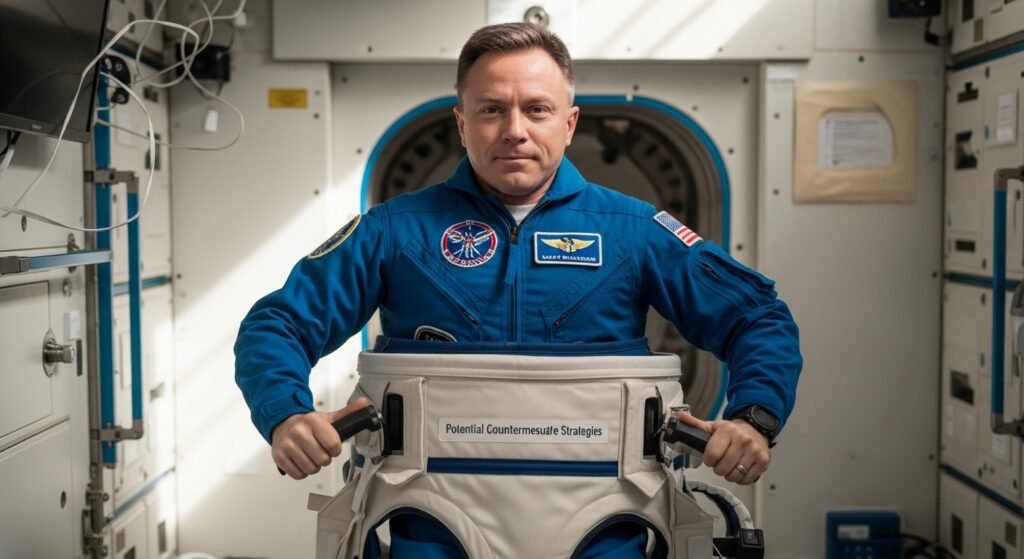
Agencies test lower body negative pressure devices to redirect fluids downward. Exercise protocols aim to stabilize circulation. Early trials show partial success. Continued testing seeks methods to reduce cranial fluid buildup during missions.
Operational Implications for Astronaut Health

Understanding brain adaptation supports safer mission design. Medical teams adjust monitoring schedules based on mission length. Training programs incorporate recovery expectations. Research findings inform policy decisions tied to long term human presence beyond Earth.
