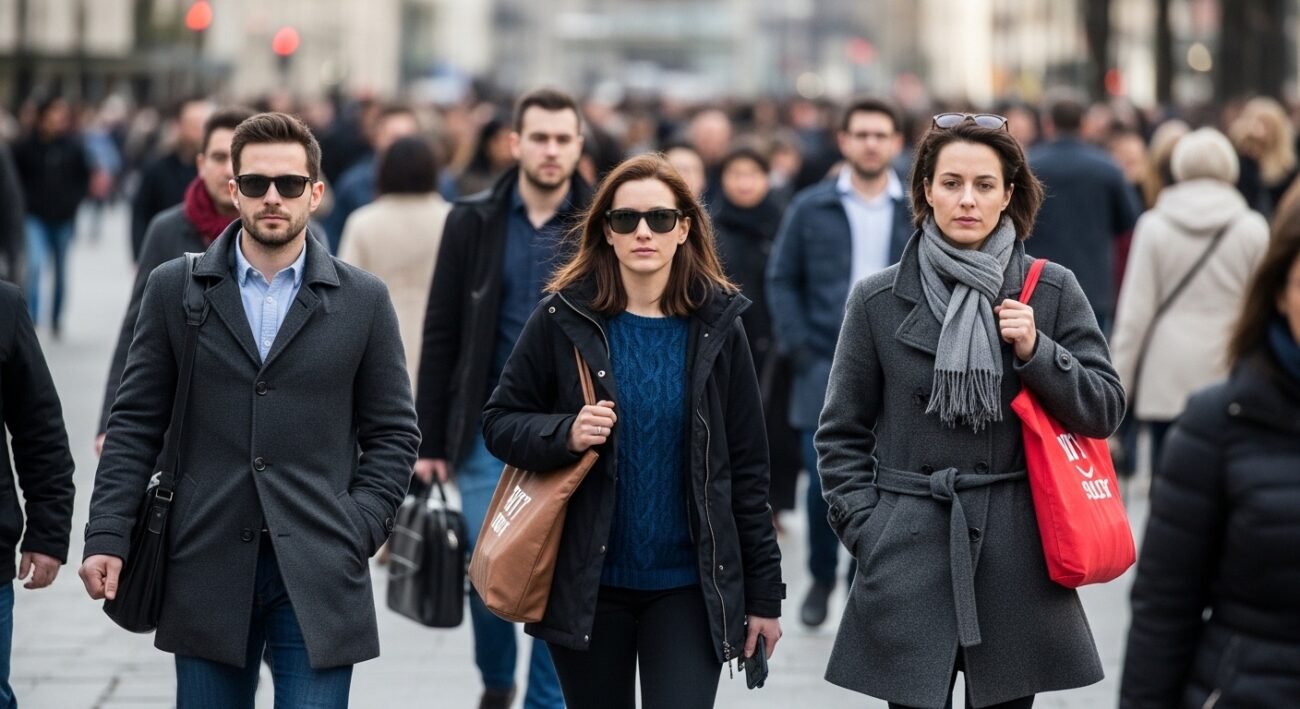
Crowded public spaces place constant demands on personal awareness. Clothing choices influence visibility, mobility, and how others respond nearby. Research from urban safety studies shows attention often moves toward people who stand out through dress or accessories. Fashion decisions also affect movement speed and personal space control. A practical review of clothing related risks supports safer daily routines without limiting personal style.
Bright and High Contrast Outfits
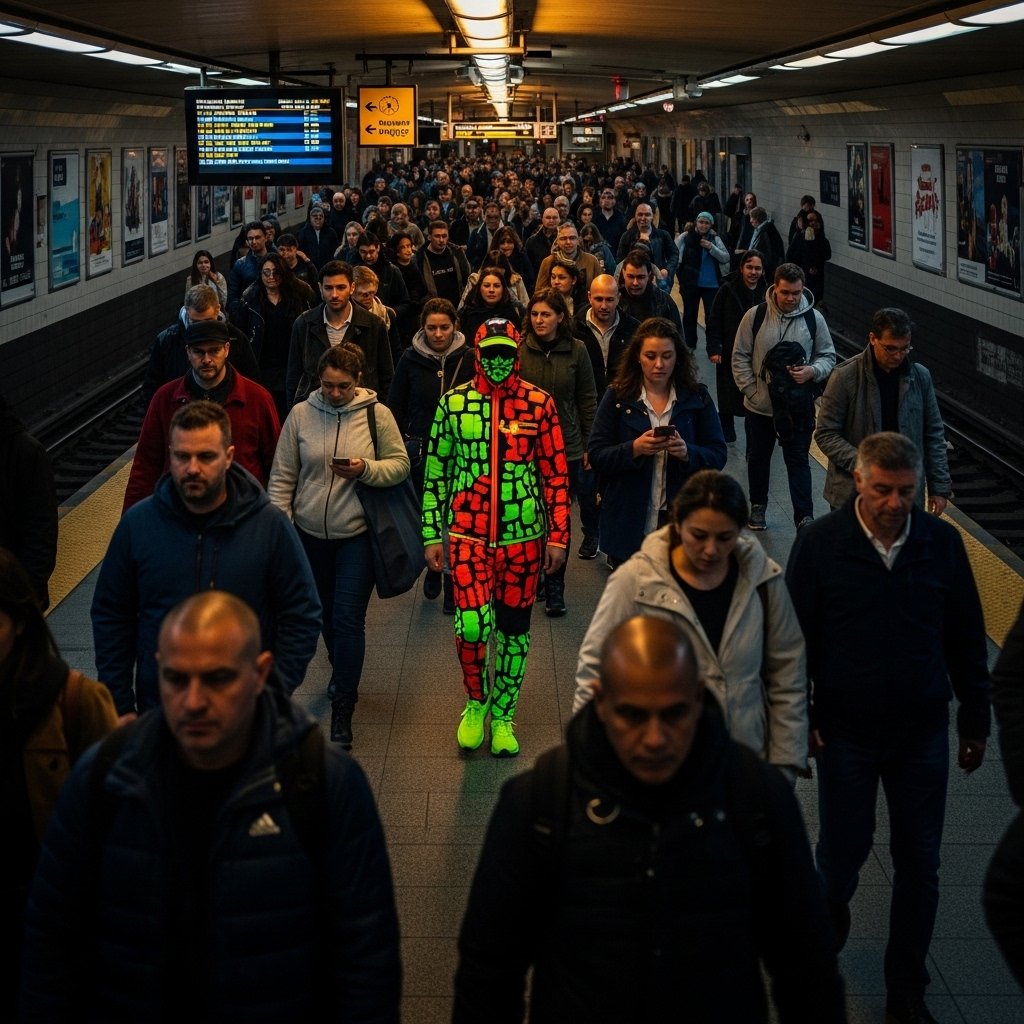
Bright colors and sharp contrasts draw attention in dense environments. Visual perception studies show eyes move first toward high contrast objects. In transit hubs, people wearing neon tones receive more glances and longer visual tracking. Neutral palettes reduce visual prominence and blend into surrounding groups during peak hours.
Oversized Bags and Open Totes
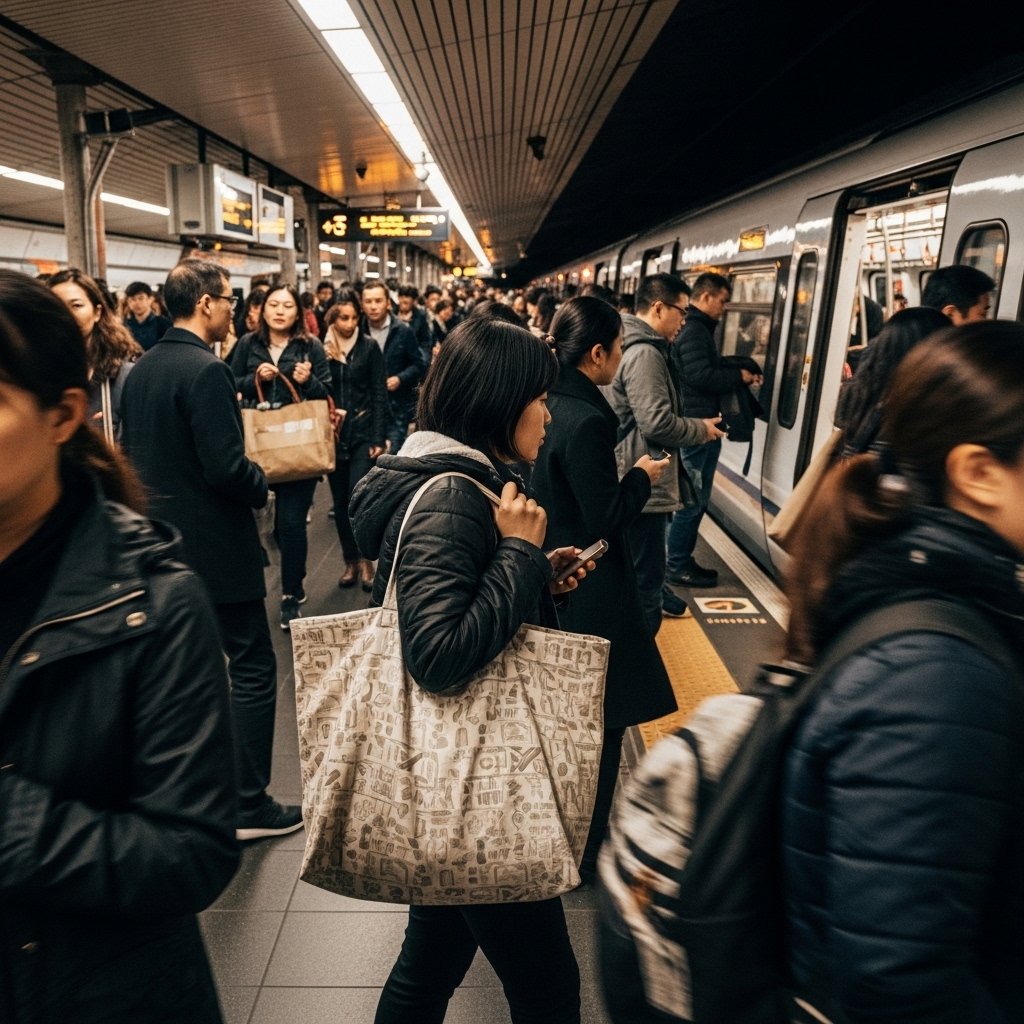
Large bags increase physical footprint and distract attention. Crowded train audits report higher interference rates around oversized totes. Open designs expose contents and require frequent checking. Smaller crossbody bags placed in front improve control and reduce distraction during movement through dense walkways.
Loose Jewelry and Dangling Accessories
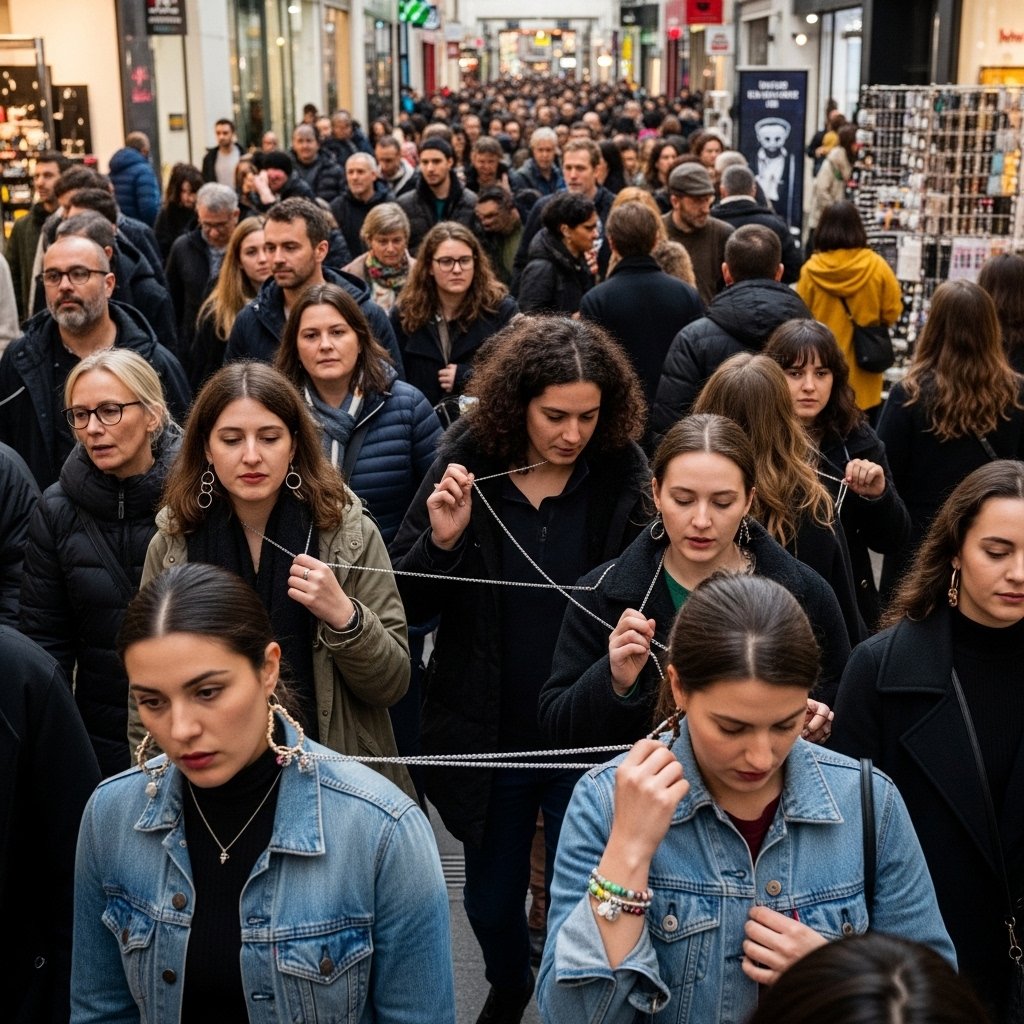
Long chains, scarves, and dangling accessories restrict movement. Crowd simulation tests show entanglement risk rises with loose items. Accessories also invite grabbing during close contact situations. Short, secured jewelry limits obstruction and supports faster reaction during sudden crowd shifts.
Headphones Blocking Ambient Sound
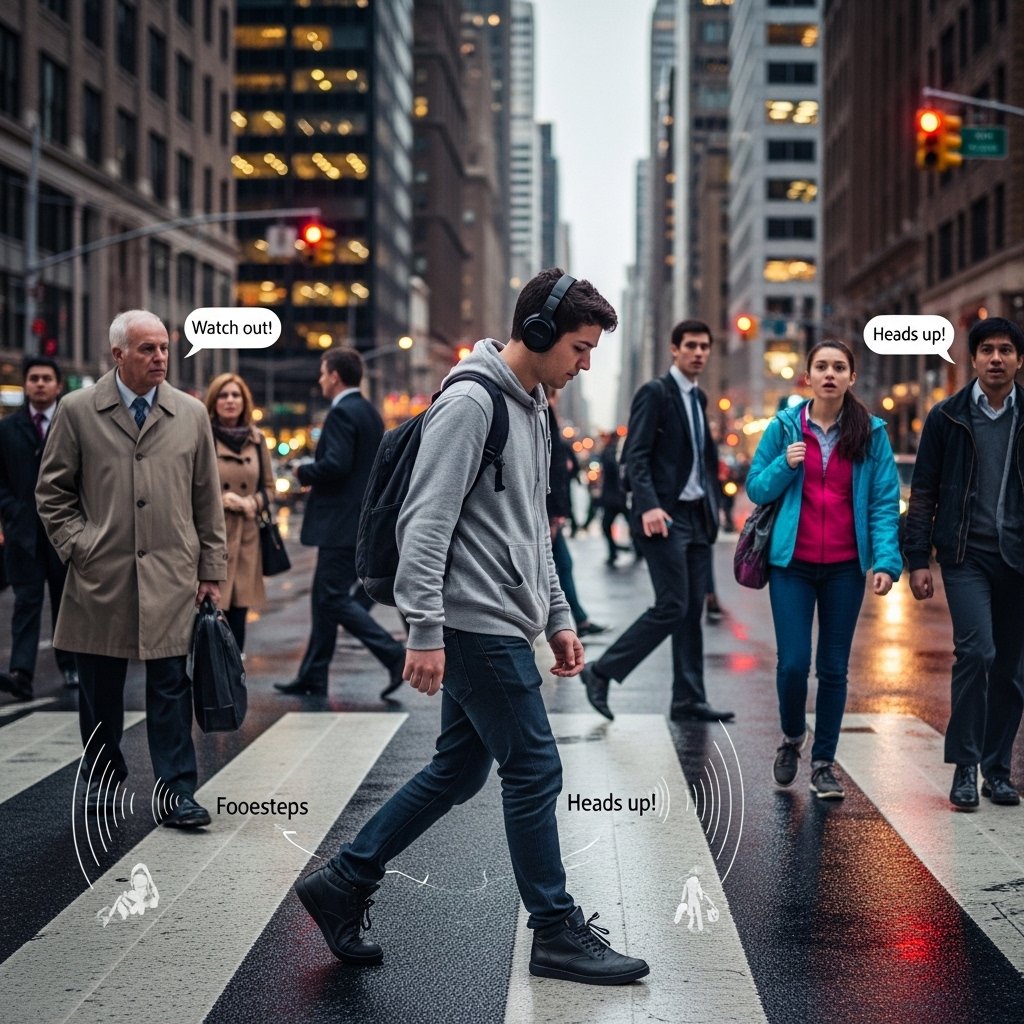
Noise awareness supports spatial judgment. Studies on pedestrian safety show reduced reaction speed among people wearing over ear headphones. Loud audio masks cues such as footsteps or verbal alerts. Low volume earbuds or bone conduction devices preserve environmental awareness without removing audio access.
High End Logos and Luxury Signals
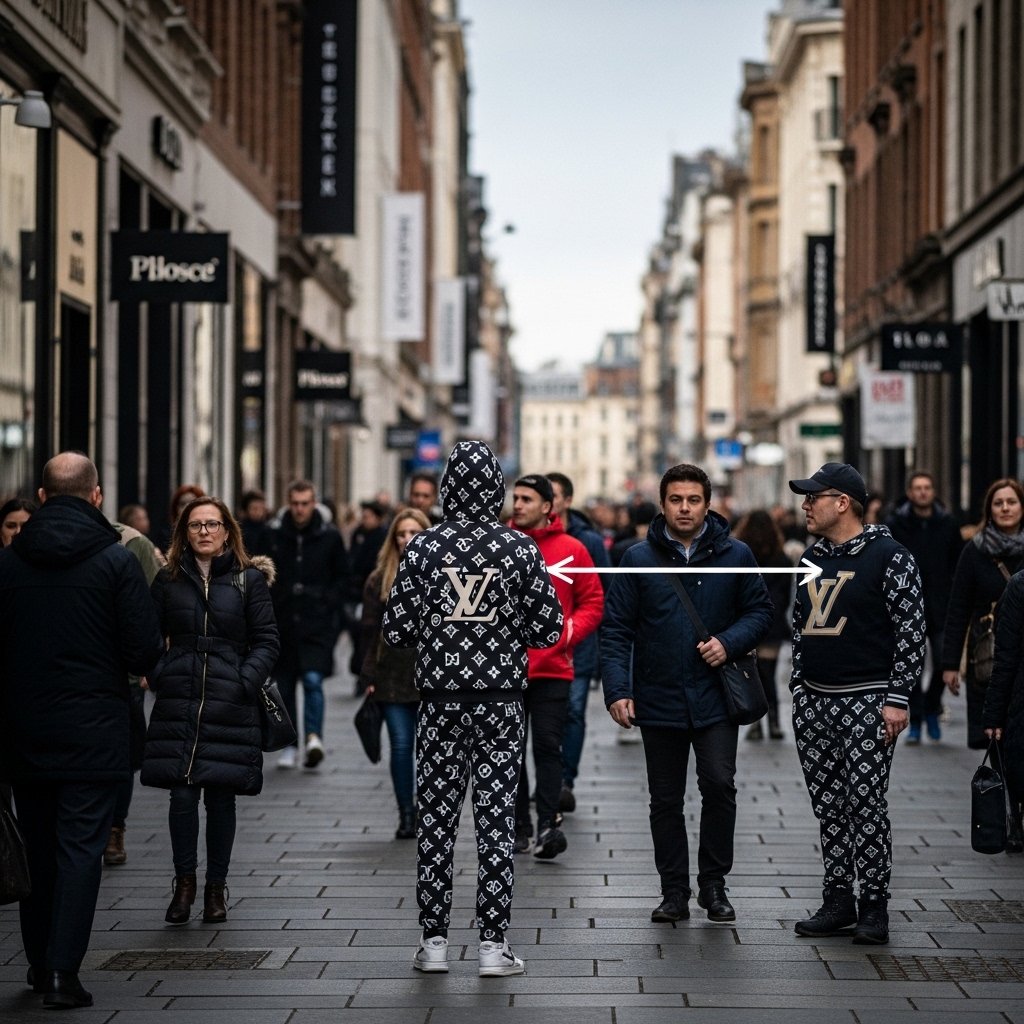
Luxury branding increases attention from strangers. Retail theft research shows logo visibility correlates with longer gaze duration. Expensive cues suggest higher value targets. Minimal branding reduces signal strength and lowers visual prioritization in crowded commercial districts.
Restrictive Footwear
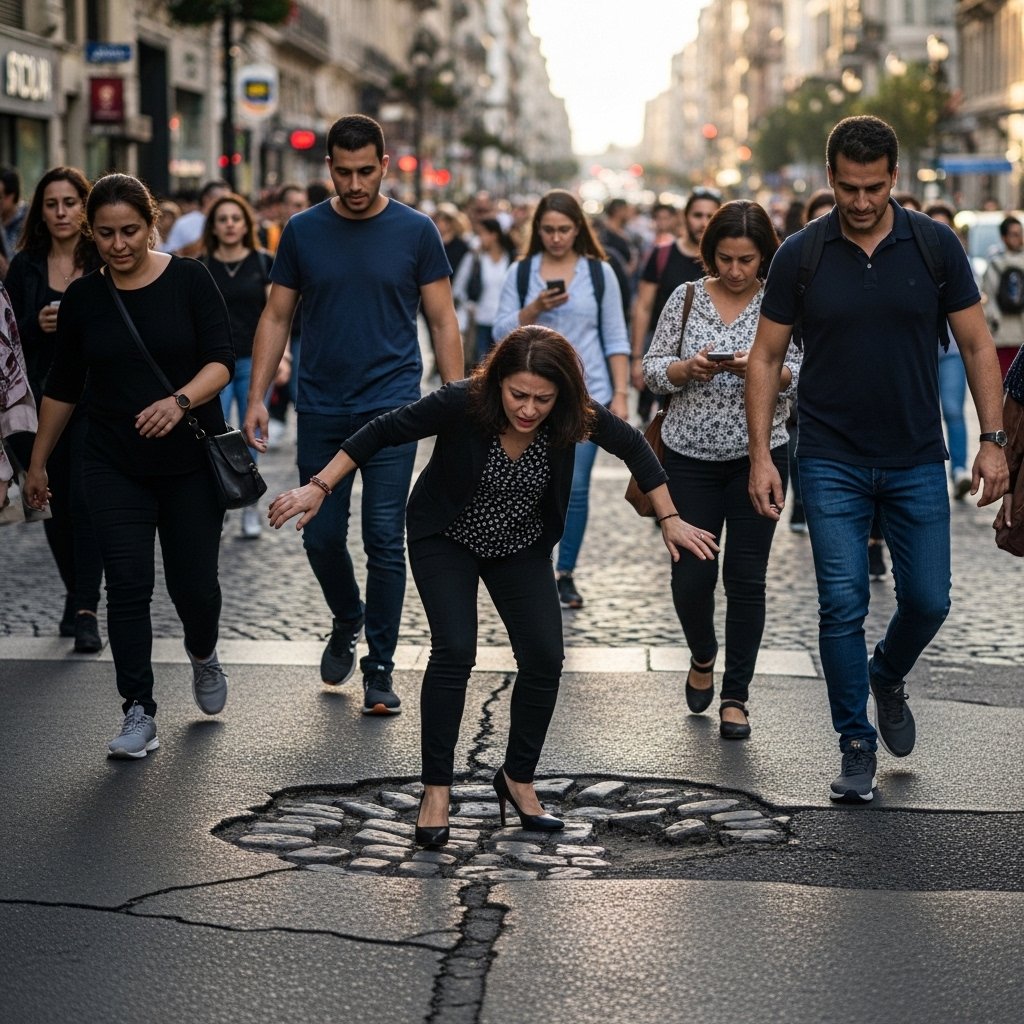
Footwear affects balance and escape speed. Urban mobility research links rigid soles and high heels to slower reaction times. Uneven surfaces in crowds demand flexibility and grip. Athletic or flat shoes support stable posture and faster directional changes.
Clothing Requiring Constant Adjustment
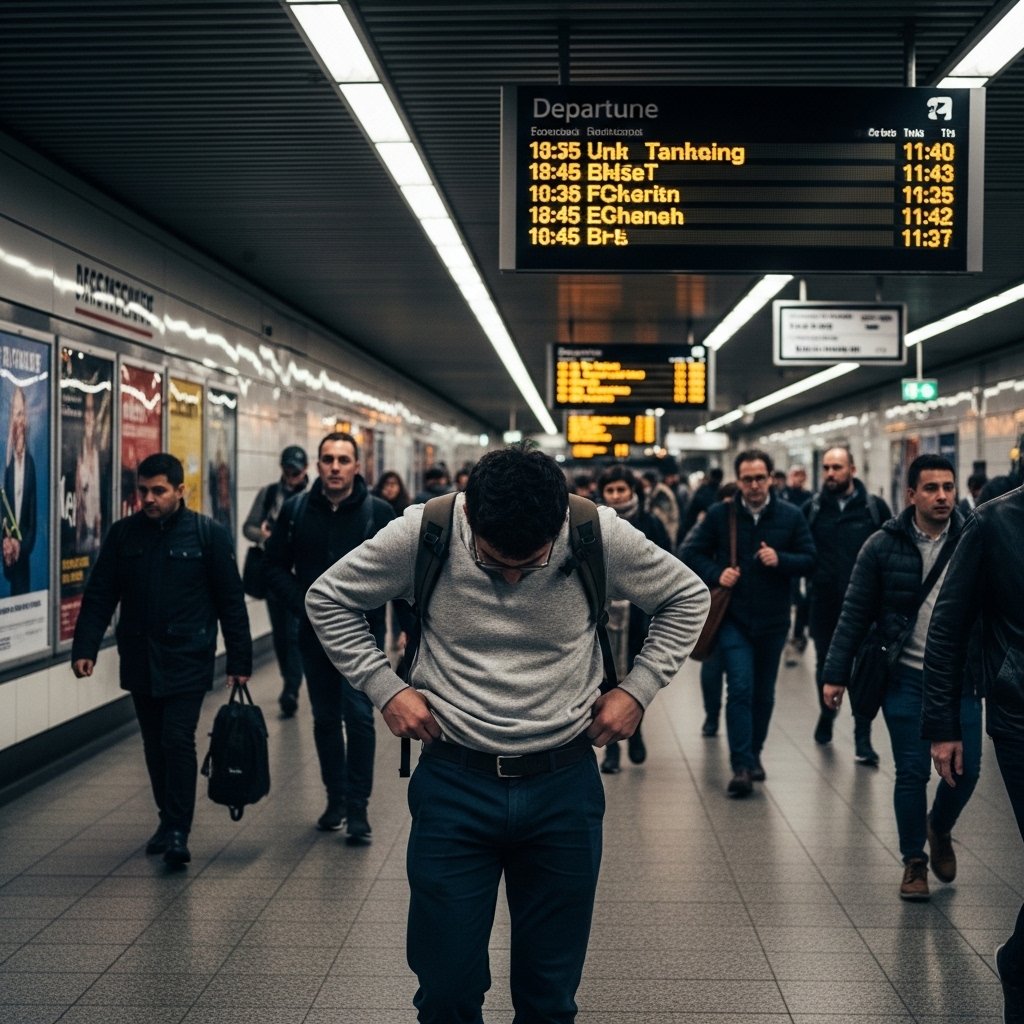
Frequent adjustment distracts focus. Garments needing repositioning shift attention away from surroundings. Observational studies in transport hubs show higher distraction behaviors among people adjusting straps or waistlines. Well fitted clothing reduces hand movements and preserves situational awareness.
Large Hats and Obstructed Vision
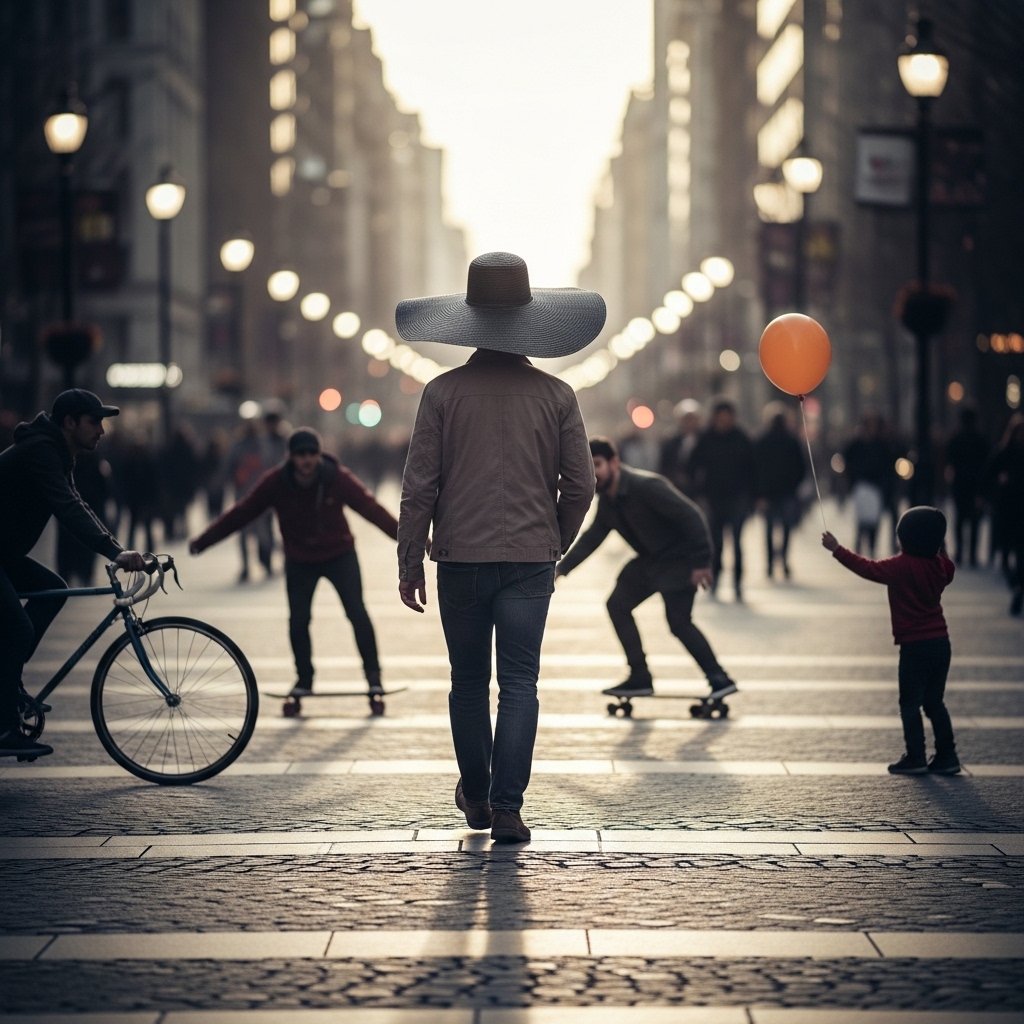
Wide brims limit peripheral vision. Vision field tests show reduced side awareness with oversized hats. In dense crowds, peripheral cues guide safe navigation. Streamlined headwear maintains full visual range and improves detection of nearby movement.
Excessive Layering in Warm Conditions
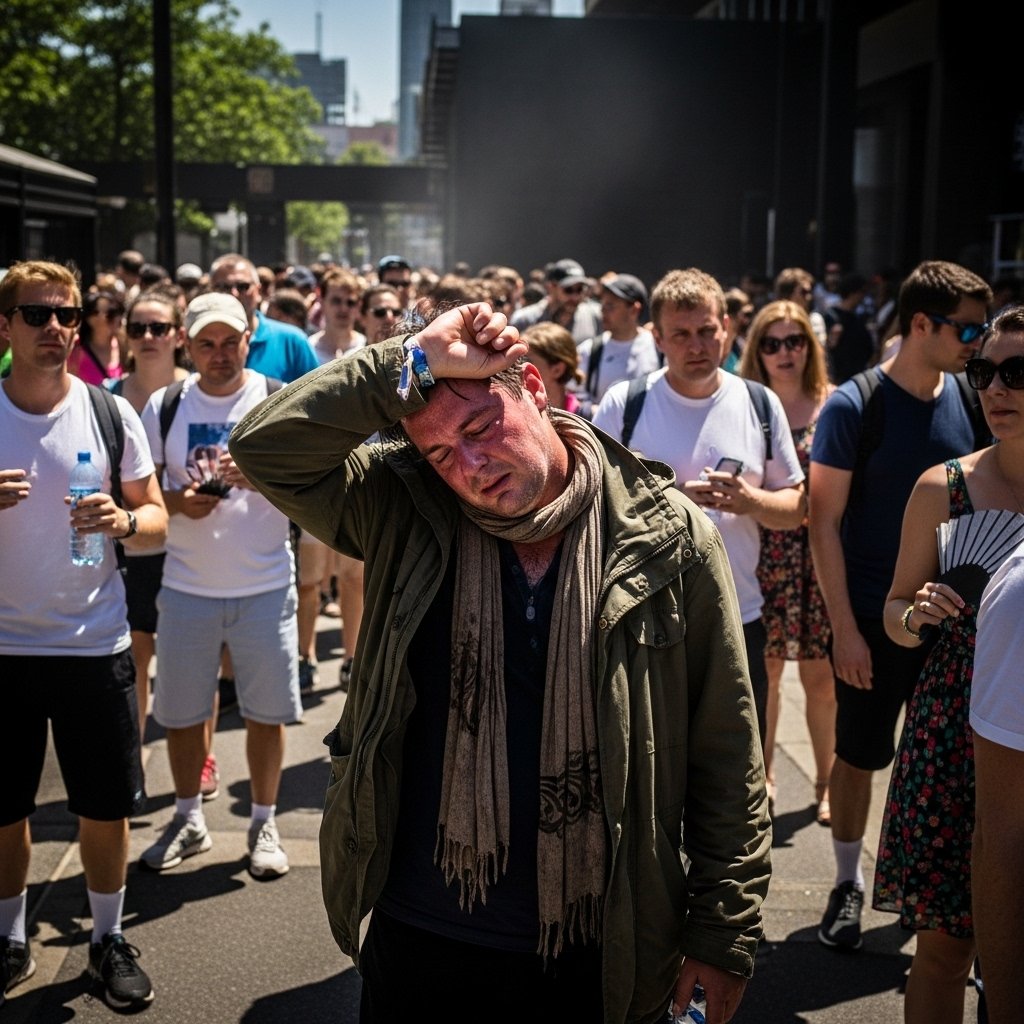
Over layering increases fatigue and irritation. Thermal comfort studies link overheating with impatience and reduced focus. Crowded settings intensify heat retention. Climate appropriate layers support comfort and maintain attention during extended exposure.
Distracting Text and Graphic Prints
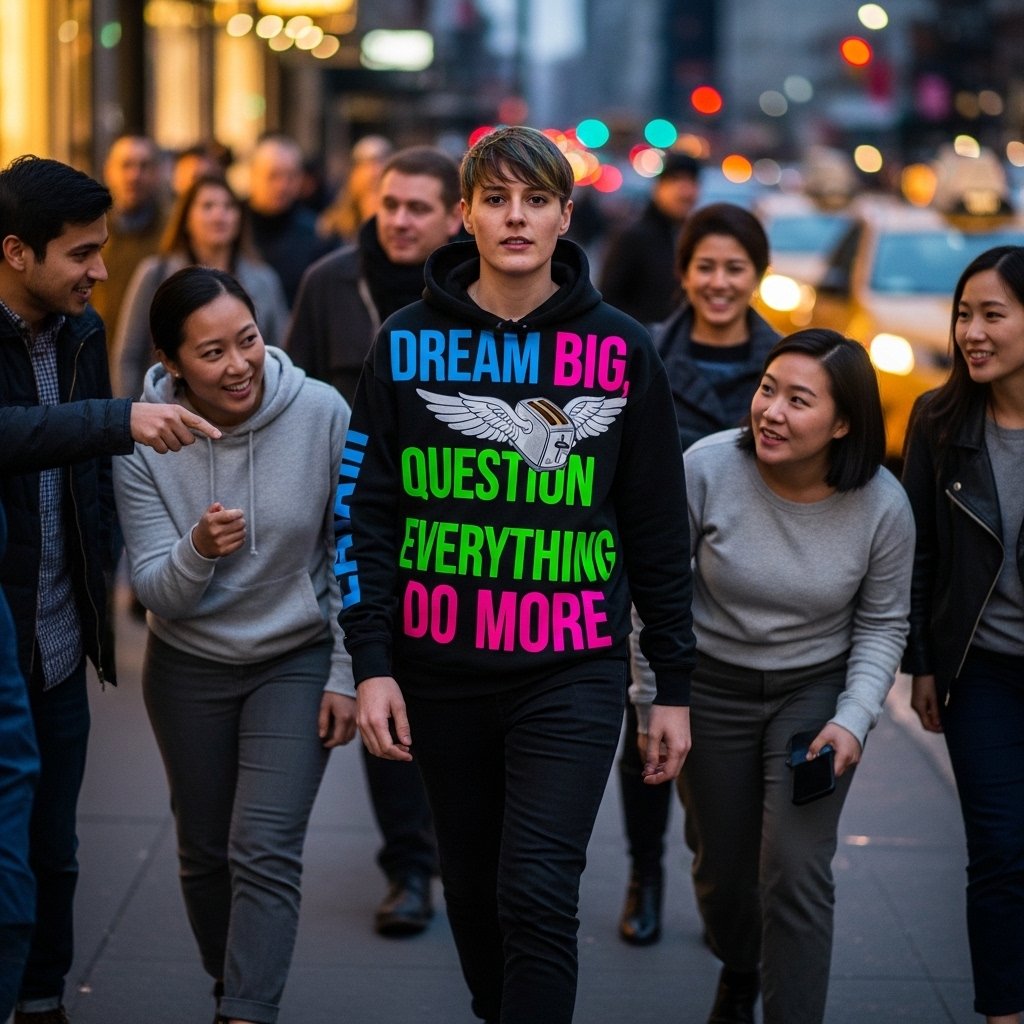
Bold slogans attract attention and reactions. Social behavior studies show text based clothing invites reading and eye contact. Messages also trigger responses from strangers. Plain fabrics reduce interaction triggers and support low profile movement through busy spaces.
