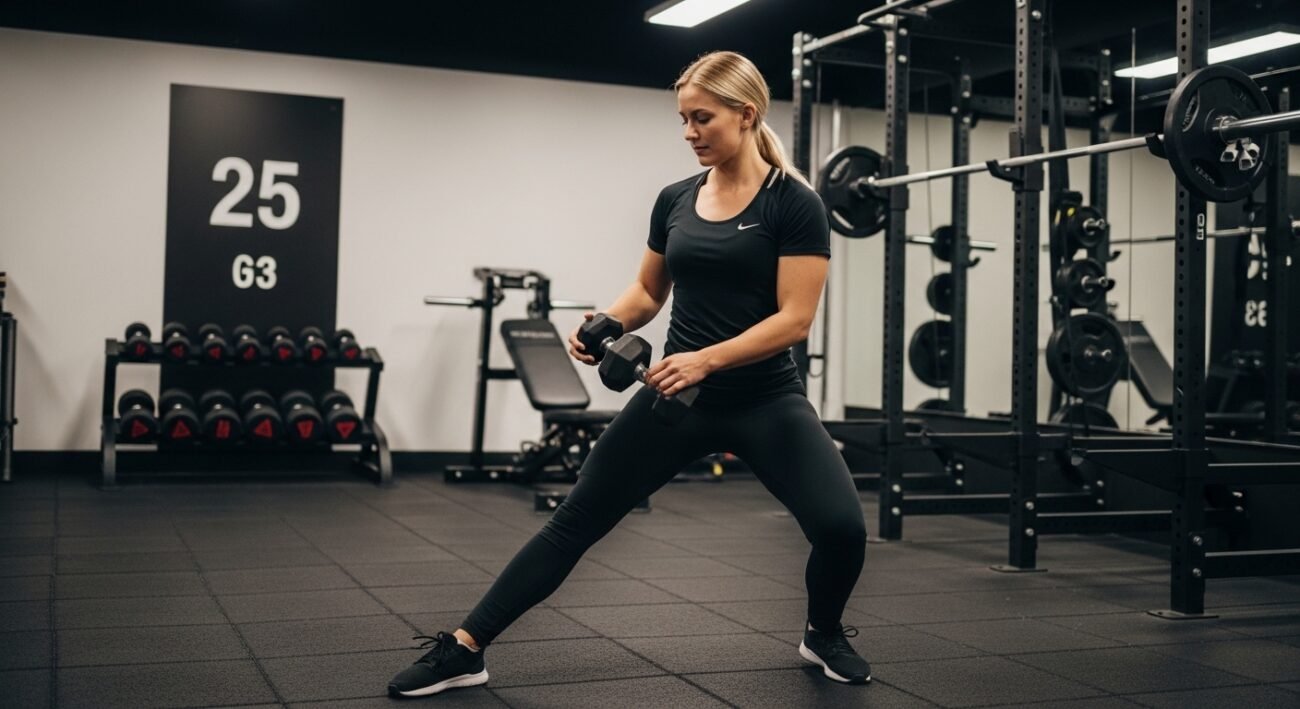
Fitness training often centers on gym numbers such as lifted weight or session length. Such measures rarely reflect daily physical demands. A life focused approach treats training as preparation for work tasks, family care, movement efficiency, and long term health. Strength, stamina, and mobility gain value when applied outside workout spaces. Training aligned with real routines supports consistency and reduces injury risk across years.
Movement Over Machines

Life focused training prioritizes natural movement patterns over fixed machines. Squats, carries, pushes, and pulls mirror actions used during work and home tasks. Research from functional training studies shows higher transfer to daily performance when free movement exercises form the core of programs. This structure supports coordination and joint stability across varied environments.
Strength for Daily Tasks

Strength training serves daily demands such as lifting objects, climbing stairs, or maintaining posture. Moderate load compound lifts develop usable force without excess strain. Studies on occupational health link baseline strength with lower injury rates in manual and sedentary roles. Training aligned with common tasks supports safer movement throughout long workdays.
Endurance Beyond Cardio Equipment

Endurance extends past treadmill sessions. Walking capacity, sustained effort during errands, and recovery between tasks define practical stamina. Evidence from public health data links daily step volume with reduced fatigue and improved cardiovascular markers. Mixed pace walking and interval based conditioning reflect real movement patterns more closely than steady indoor sessions.
Mobility as a Daily Requirement

The joint mobility influences the comfort related to sitting, reaching, and bending. Reduced mobility increases the tension of normal activities. Movement science research links frequent musculoskeletal pain to habitual mobility training. Brief exercises based on hips, shoulders and spine help to minimize the motion difficulty during both active and inactive time.
Balance and Coordination
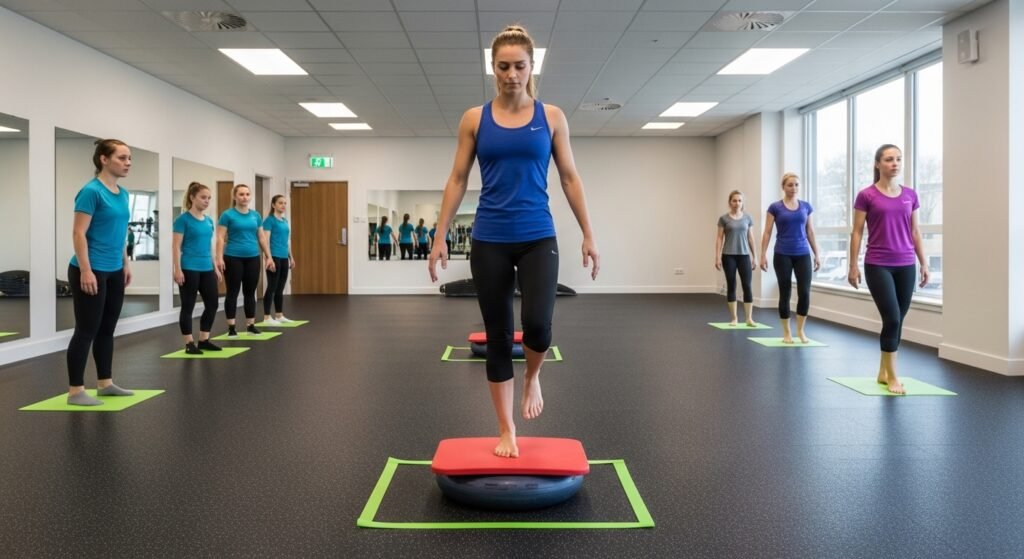
Balance training facilitates stability with uneven surfaces and when making a sudden change of direction. Falls are a significant source of injury of all ages. Research indicates that neuromuscular control is enhanced in a few weeks by balance exercises. Single leg activities and controlled transitions train the body to adapt to unforeseen conditions beyond the confines of the organized spaces.
Recovery as Part of Training

The success of long term training is determined by recovery practices. Physical preparation is affected by the quality of sleep, hydration, and low-intensity movement. The data on sports medicine associates deficit in recovery with poor performance and increased incidence of injuries. Consistency between months and not short-term training intervals is supported by structured rest days and active recovery periods.
Consistency Over Intensity
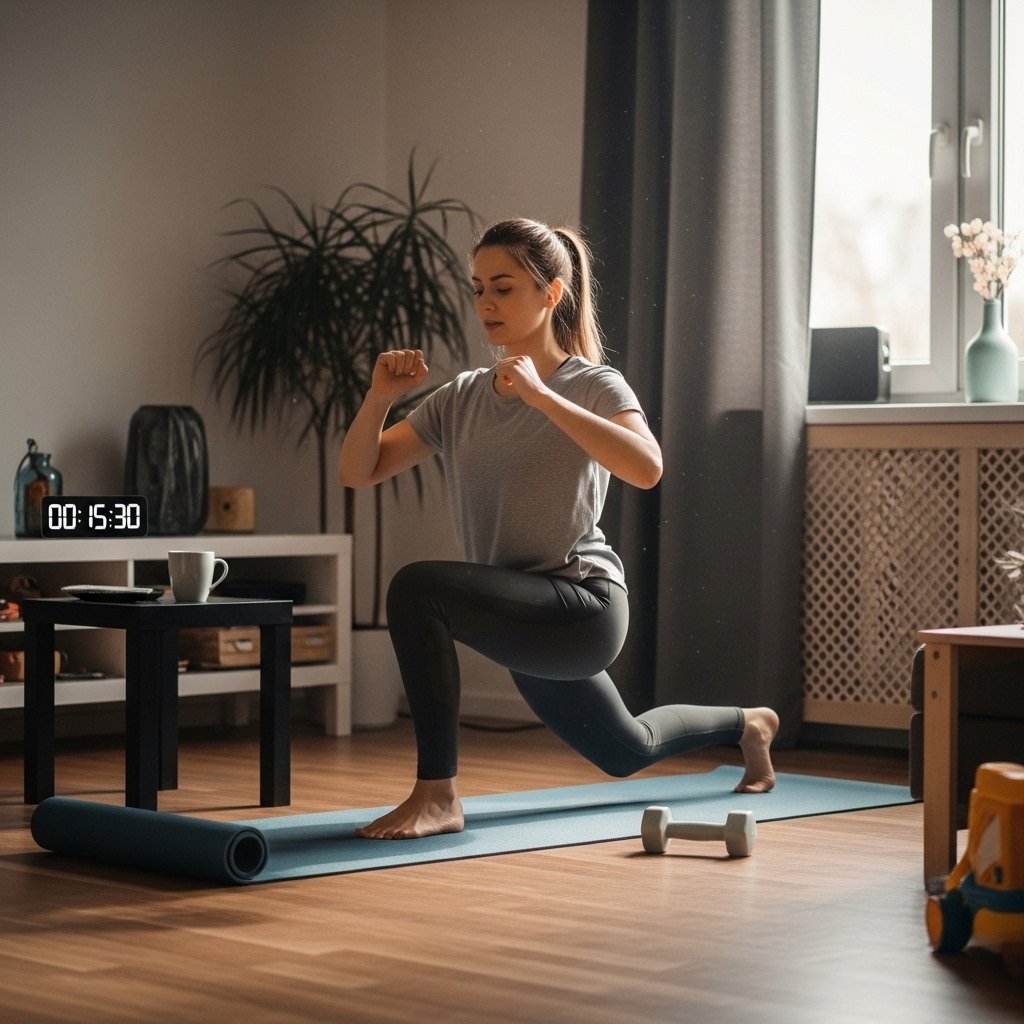
Peak intensity is not as predictive as training compliance predicts. Intermediate programs in accordance with day-to-day activities are more continuous. The routine integration is a major element in the creation of habits through behavioral research. Brief effective training sessions would suit work and family needs better than the few extreme efforts.
Mental Resilience Through Movement

Combat preparation helps with psychic stability by exercising and physical control. Regular exercise is associated with better control of stress and concentration based on clinical exercise research. The systematic movement offers both predictable rest and work intervals. This trend will help in emotional management at periods of high work load or personal stress.
Training for Longevity

The long term body strength depends on the condition of joints, muscle sustenance and cardiovascular assistance. Resistance and aerobic training are associated with aging research that is related to maintained independence. The focus programs on form, recovery and progression are in line with decades of usage. Life centred training gives more attention to durability rather than short term performance noticeable displays.
