
Creatine is frequently used in conjunction with weight training and muscle size. This kind of framing restricts the perception of wider uses. Studies in nutrition and physiology indicate that creatine helps in the provision of energy in most body systems. Adults who do not work in fitness facilities consume creatine to increase work stamina, support aging, and recover after hard work. This paper demonstrates why creatine is appropriate to the overall health program with gauged facts and action cases instead of preaching the production program.
Everyday Energy Demands

The human cells depend on quick energy turnover when performing their daily activities like walking, carrying groceries, or working late in their jobs. The creatine enhances ATP renewal, which supplies short term efforts. It has been found that there is enhanced energy efficiency in repeated low intensity activities. Workers in the office, as well as in the field, report fewer fatigations during the extended activity without any alterations in the exercise patterns.
Support During Aging

Muscle mass and strength decline with age, affecting balance and independence. Creatine intake combined with normal protein consumption supports lean mass retention in older adults. Research involving adults over sixty shows improvements in chair stand tests and grip strength. Such outcomes relate to daily function rather than athletic performance.
Bone Health Interaction

Bone density depends on mechanical loading and muscle support. Creatine indirectly contributes through improved muscle force production. Studies in older populations show modest gains in bone mineral density when creatine accompanies resistance based movement. Stronger surrounding musculature reduces fall risk and supports skeletal integrity during routine movement.
Metabolic Health Considerations

The creatine affects the glucose processing on muscular tissue. Studies indicate that there is improved glucose intake in the body during exercise with the aid of creatine on balanced diets. People who have to deal with sedentary lifestyles will have better utilization of energy in the course of light movement. These effects facilitate normal sugar levels in blood without medication in non clinical subjects.
Recovery From Daily Physical Stress

Physical stress is not only sports related, it may be excessive commuting, repeated lifting, or standing. Creatine aids in repair of cells by providing them with energy during the time of recovery. The observation studies record less muscle soreness after normal labor. These recovery benefits enhance next day preparedness as opposed to peak output.
Vegetarian and Vegan Nutrition Gaps

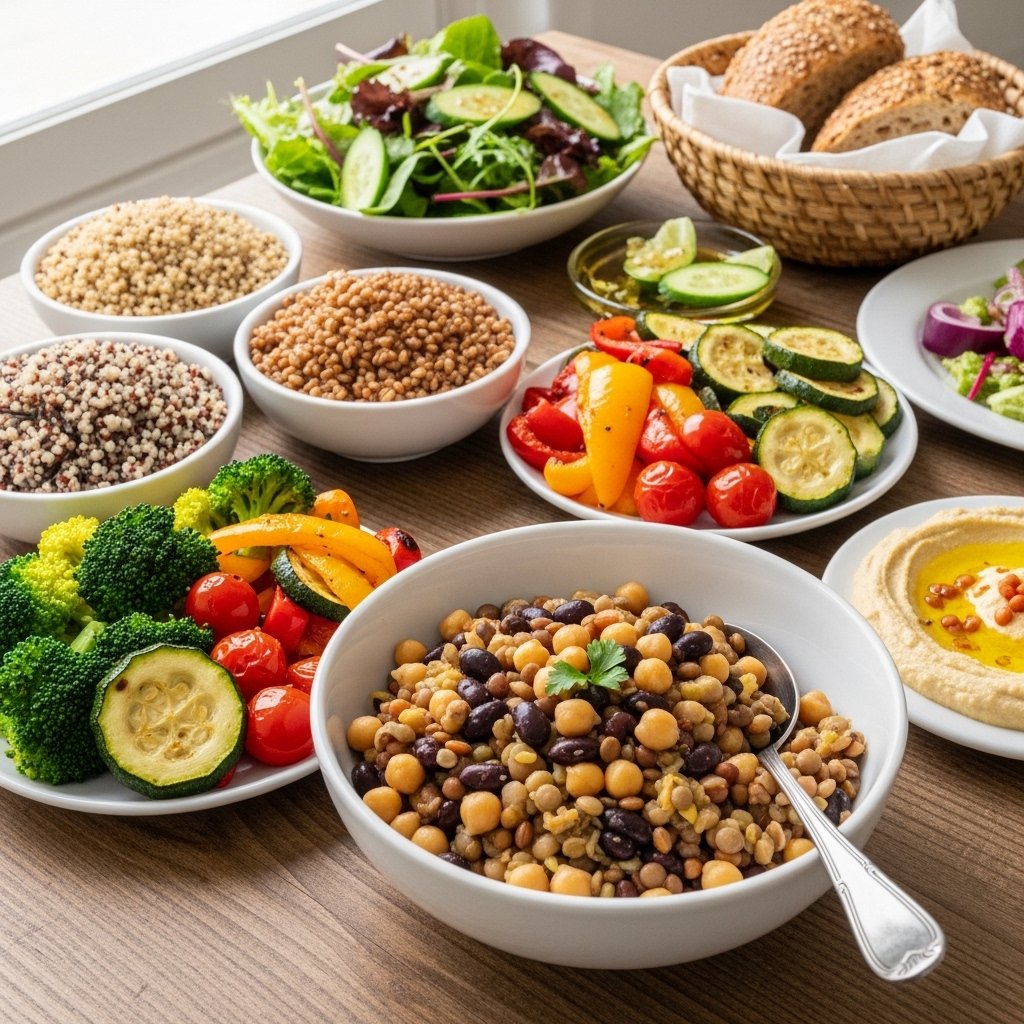
Creatine is low in plant based diets. The natural production is usually not in line with the daily demand. This food gap is addressed through supplementation. Studies indicate that vegetarians are more responsive such as higher muscle creatine stores and better strength indicators with simple activity programs.
Safety Profile and Accessibility
Creatine is one of the most researched dietary supplements. Clinical trials indicate high safety records with all age groups when the trials are administered in normal dosing regimes. Per serving is very affordable as compared to most wellness items. This availability helps in the unproblematic usage without straining their financial resources.
Use Beyond Structured Exercise

The effects of creatine are evident even in the absence of training programs. Even non exercising adults that are studied demonstrate an increase in muscle phosphocreatine stores. These alterations facilitate the performance of daily movement. The advantages are associated with simple physiology as opposed to gym attendance or athletic ambitions.
Practical Integration Into Daily Routines
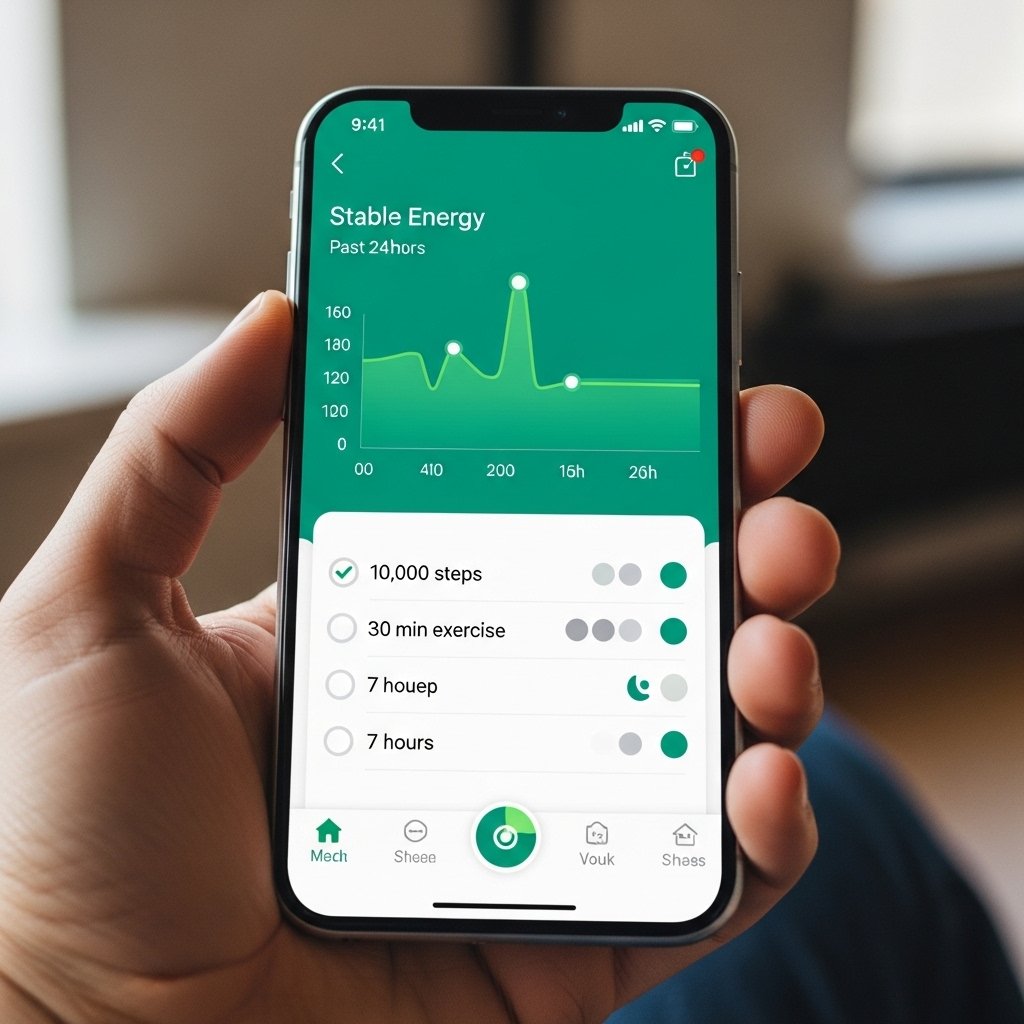
Creatine is easily accommodated into the daily schedules. The powder forms combine with water or meals. Common dosage regimens are low daily doses, not cycled. Timing is not important at all. This simplicity promotes a following among the busy adults interested in functional support of health and not in performance improvements.
