
People believed for many years that humans possess only five basic senses. Our current understanding from neuroscience and biology shows that our sensory experiences are actually more complicated than we previously thought. Scientists have discovered that our senses function together as a system which enables people to create their own individualized understanding of the world.
We Have Way More Than Five Senses

Modern scientific research now shows that humans possess approximately 21 or more intact sensory systems. Humans possess three additional senses because they can perceive body position through proprioception and experience temperature through thermoception and maintain balance through equilibrioception.
The Nose “Sees” in Stereo
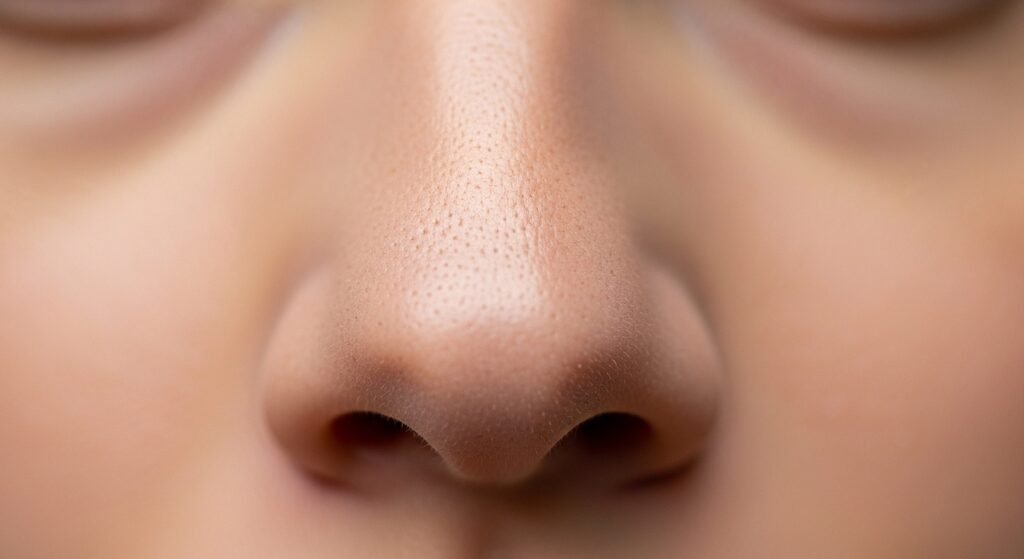
Humans use their nostrils to locate smells through independent nostril usage according to recent research findings which compare this function to how humans use their two ears to locate sounds. The brain processes information from each nostril which enables our sense of smell to achieve precise scent directional determination.
“Hearing” with Your Eyes

Our visual system responds to a person’s lip movements in a noisy environment by activating the brain connection to sound processing centers according to research findings. Visual information helps your brain create missing sound elements which enable you to comprehend speech better.
The Secret Sense of “Magnetoreception”

Recent research findings indicate that humans possess a subtle capacity to perceive Earth’s magnetic field through a subconscious mechanism. Certain eye proteins enable humans to detect magnetic fields although we lack the proficiency of migratory birds.
Skin Can “Hear” Frequencies
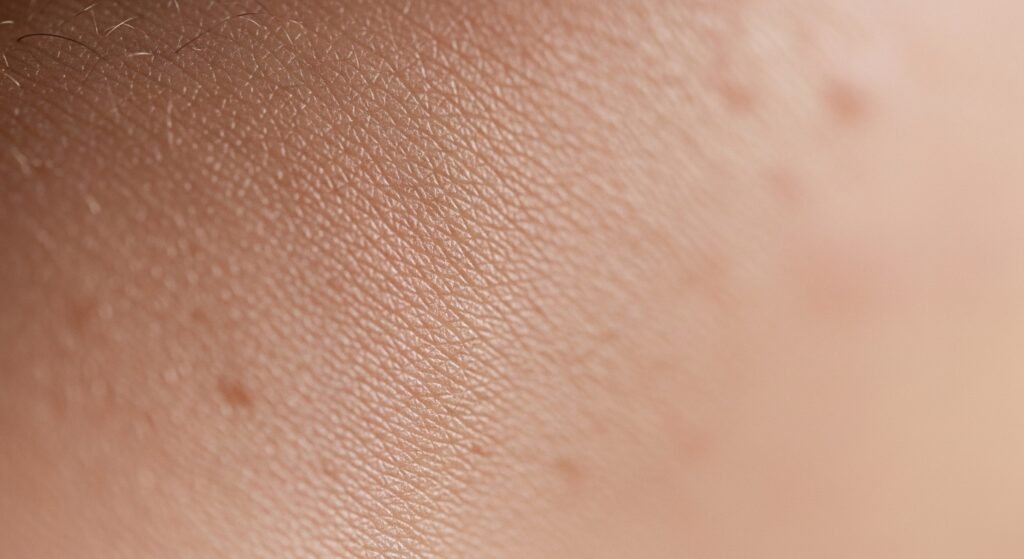
Human skin has the ability to detect subtle touch sensations while it also picks up tiny air vibrations. The study results indicate that people who experience air puffs or skin vibrations while listening to sounds can better differentiate between sounds that are closely related.
Smell Affects Your Memory More Than Sight

Brain scans show that the brain’s smell center establishes direct connections to both the hippocampus and amygdala regions which function in memory and emotion processing. A specific scent creates a quicker emotional flashback than a photo or song can.
Taste Is Actually 80% Smell

Scientists have established that flavor exists as a sensory experience which involves multiple senses. Our tongue detects basic tastes when we lose our sense of smell because our tongue cannot taste anything except saltiness and sweetness. The complex flavor of chocolate and the strawberry originates from air transmission that occurs when air moves from the back of our mouth to our nasal cavity.
The “Sixth Sense” of Internal Organs

Interoception enables us to experience what occurs inside our body and we can feel our heartbeat and digestive activity through this sense. People who possess strong interoceptive perception tend to handle their emotions and stress more effectively according to recent research findings.
Colors Affect the Taste of Food

People who think they need to eat first before tasting food apply this rule without understanding. The studies show that plate color and food color affect our taste perception. People believe that red drinks taste sweeter than clear drinks although both drinks contain identical sugar content.
