
Some individuals consider warming up to be one of the annoying ones–a job only a few would ever do before getting back to doing whatever they are actually up to. Cold muscles rushing into any difficult move are like stretching a rubber band that has been put into the freezer–rather obvious high-risk chances of its snapping–back. A good warm-up prepares the heart, lungs and muscles so that actual stress from the workout is a performance-enhancement tool rather than one that sets one on the path to an injury.
The most important aspects of a warm-up can be distilled into the following nine simple rules:
Movement Should Emphasize a Dynamic Pattern

Counting thirty seconds of standing and stretching does not make for a real warm-up. It requires so much more. Dynamic stretching is that type of stretching wherein the limbs move through full ranges of motions–leg swings, arm circles–anything to that effect. It sends a message to the nervous system: “Hey, let’s start moving”; besides, it actually lubricates the joints.”
A Slight Increase in Core Temperature

Other important aspects of warming–up are getting warmed up. A normal warm-up includes 5-10 min of slow walking, slow jogging, or easy-paced cycling. The slight increase in core temperature is shown to change blood viscosity, and it is made easier to flow toward the muscles demanding oxygen with their activity.
More in Relation to Practical Training

Warming-up is a kind of rehearsal for what you’re about to do. So if you’re going in for some heavy squats, do some body-weight squats for warm-up. If you’re going out for a run, power walk first. This gets whatever muscle pathways you’re going to be using activated-such an edge for your efficiency.
Core Activation

The stiff core stabilizes the spine through all kinds of movements. Work harder on the exercises that activate the core-such as planks or bird dogs-as part of the warm-up. That activates a variety of deep abdominals that are crucial for stabilization in preparation for heavy loads or quick short distances.
Less Concern for Joints
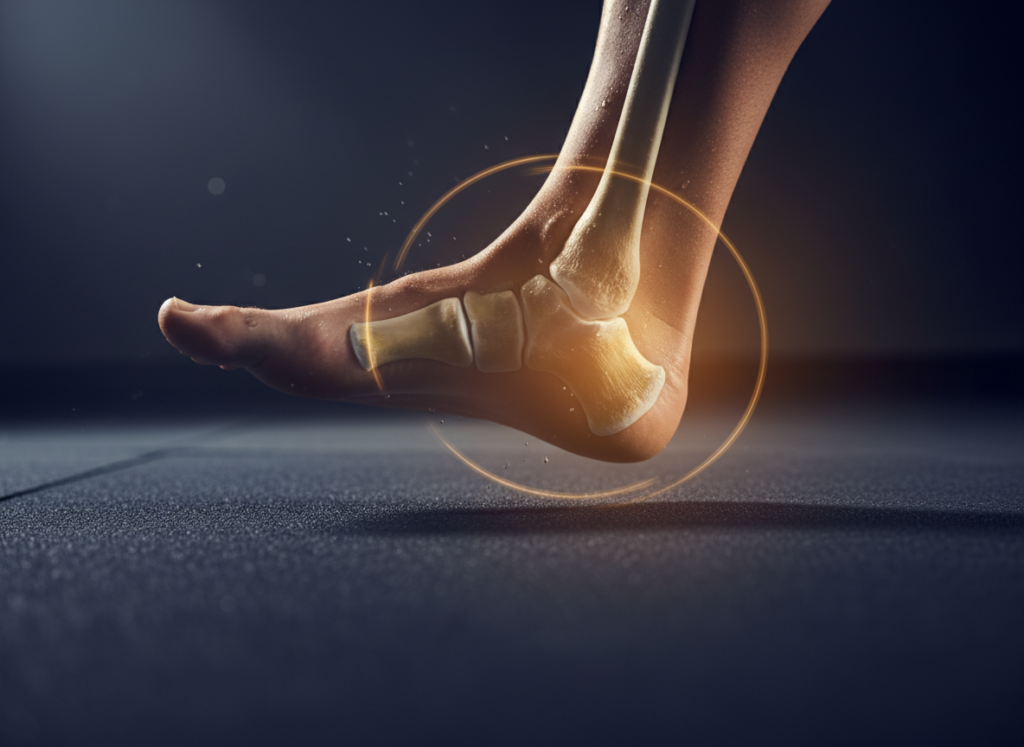
While concentrating on muscles, joints are important too. Give gentle joint control rotations for the ankles, knees, hips, and shoulder girdles in order to promote the secretion of synovial fluid that assists in lubrication of the joints, thus minimizing friction and that irritating clicking or stiff available sensation on the very first couple of sets of any given exercise.
Strict but Sufficient

Don’t tire an athlete during warm-up. To feel the little “squash” of energy is great. No feeling of fatigue should set in. Warm-up should last about 10-15 minutes. Anything less should push us to choose to focus on a quick 5-minute warm-up instead of skipping altogether.
Environmental Considerations

Winter warm-up should be extended while exercising inside a cold garage or outdoors. Coolness stiffens muscles for an extended period. For summer evenings, it is the other way; you wish to “wake” faster. Adapt time zones according to how your body feels that particular day.
Foam Roller

If tight areas come up for airing, roll them for a couple of minutes, keeping in mind that this is self-massaging of the fascia tissues surrounding your muscles–pick one tight region, whether it is your lats, quads, or calves, and smash it to maximal range of motion prior to your real work.
Mental Rehearsal

Begin by checking into your workout while warming up. This mental check-in and mind-muscle connection will pay off later down the line in terms of your form and technique once the real work begins, based on your breathing and awareness.
