
People today still maintain superstitious beliefs which existed since ancient times. The human brain exhibits this behavior because it developed through evolution to protect humans from danger according to scientific research.
Pattern Recognition Gone Wrong

The human brain functions as a machine which continuously searches for patterns. Our ancestors used this “false positive” mechanism to determine whether they should flee from dangerous situations. Superstition occurs when our brain makes incorrect connections between two events which have no link to each other.
The Illusion of Control

Life presents itself as a series of unpredictable events which follow no particular pattern. The scientific evidence demonstrates that people use superstitions as a psychological defense mechanism. Our stress level decreases when we perform a minor ritual which makes us feel like we control an uncertain upcoming event.
Lowering Performance Anxiety

Studies show that “lucky charms” produce real results through their scientific effects. People believe in their lucky status which boosts their confidence during situations. Users experience less anxiety while completing their academic and athletic responsibilities because their self-efficacy has increased.
The “Placebo Effect” for the Mind

Just as a sugar pill can make a patient feel better because they expect it to work, a superstition can provide a mental placebo. Your brain generates calmness through dopamine release and cortisol reduction when you believe a ritual protects you from dangers.
Coping with High-Stakes Situations

Superstitions appear most frequently among people who work in occupations which combine high danger with minimal workplace authority control. People who experience extreme danger turn to ritualistic behavior because they want to create safe conditions which help them handle their fears about upcoming results.
Social Bonding

Teams and cultures both share the same superstitious beliefs throughout their members. People use these “rules” which include theater whistling bans to establish their group affiliation and create shared community ties. The act shows that you belong to the “in-group” while you maintain respect for the community’s traditional practices.
Operant Conditioning

The psychological principle explains how rewards function to strengthen specific behavior patterns. Your brain associates the particular hat you wore during your promotion day with a success reward. The brain wants to repeat the behavior because it sees a connection between your body and the hat you wore which brought you success.
Cognitive Ease

Our brains prefer to take shortcuts because it helps them conserve energy. The human brain finds it simpler to complete basic tasks than to continuously estimate the odds of an accident happening based on specific situations.
The “Just-In-Case” Logic

People consider superstitions to have low “cost” because knocking on wood takes only one second to complete but they believe its worth causes high “benefit” by protecting them from major disasters. Scientists call this “Game Theory”—our brains decide it is a cheap insurance policy.
Handed Down Through Evolution
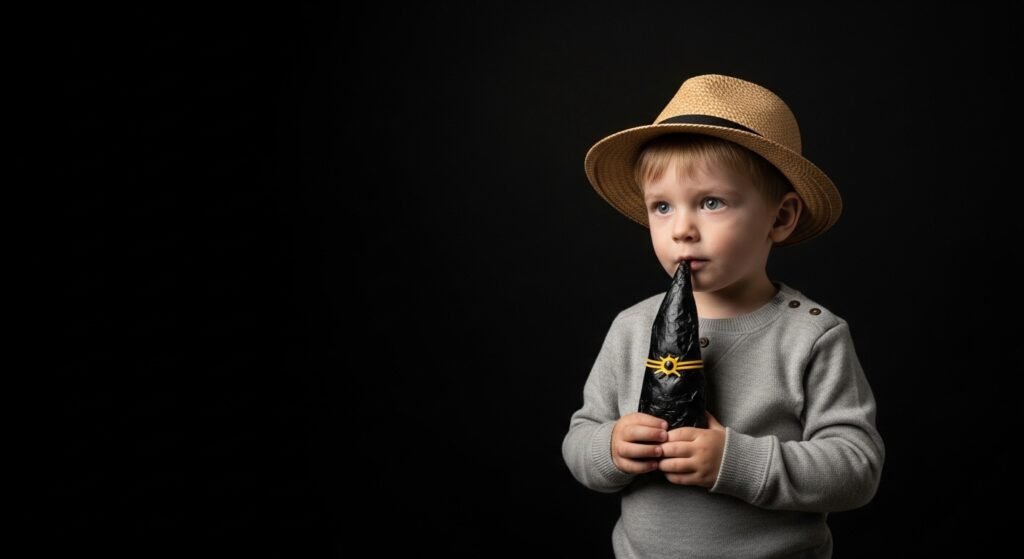
Children develop a biological tendency to accept all information their parents provide them without any doubt (such as the warning “don’t touch the stove”). The ability to accept handed down beliefs from our ancestors helped our species survive but this same ability allows us to effortlessly adopt all “magical” traditions which people pass down through time.
Relieving the Burden of Responsibility
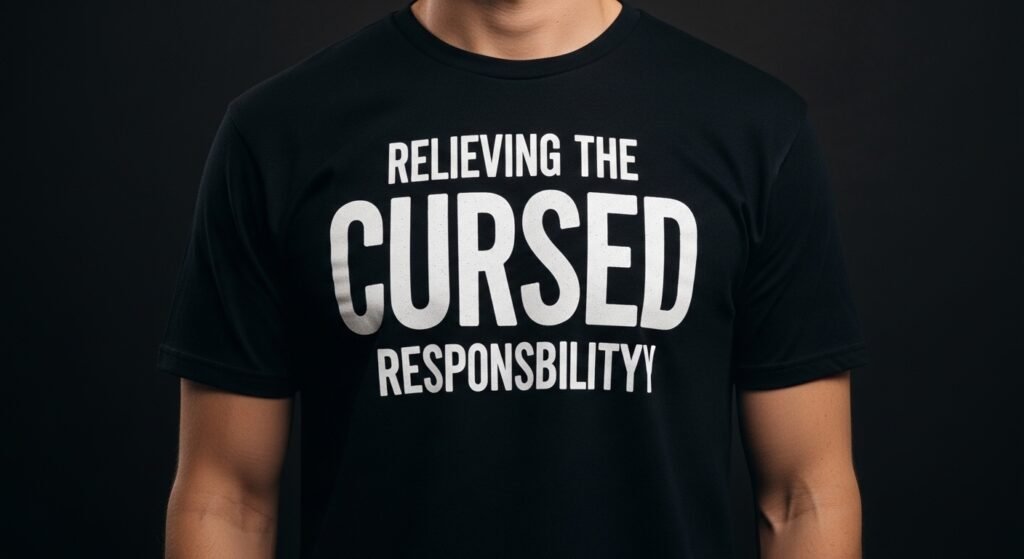
People use superstitions to help them overcome their failures in life. People use the “cursed” clothing item as their basis for losing a match because it makes them feel better than acknowledging their floor name which requires ceiling height assessment. The method protects the ego from experiencing any form of damage.
Brain Chemistry and Rituals

The body of people who make repetitive movements such as finger crossing enters into a light “trance” state which helps them achieve physical tranquility. The brain uses this rhythmic behavior to stop prefrontal cortex activity which analyzes worries about potential problems.
