
Skeletal muscle is an active tissue that has a direct impact on lifespan health. Literature associates muscle mass and strength with mobility, metabolism control, resistance to injury and independence. Weakness starts at an early stage of adulthood and increases with age. This paper describes why skeletal muscle development and maintenance is important to the functioning of the body on a daily basis, the long-term well-being and physical capacity in the old age, based on clinical and population level research.
Muscle as a Metabolic Regulator

In normal adults, skeletal musculature contributes about 40 percent of the body weight. This tissue controls much of the postprandial disposition of glucose. In longitudinal cohort, the increased muscle mass is linked to insulin sensitivity, reduced fasting glucose, and decreased risk of diabetes type 2.
Role in Daily Physical Function

Basic activities that are supported by muscle strength include standing, lifting, walking, and climbing stairs. The research demonstrates that lower limb strength is a predictor of walking speed and balance in adults aged more than 40 years. Weakness is associated with increased fall rate and remission period of minor trauma.
Muscle and Bone Integrity

Contraction of muscles exerts force on bone. This load induces bone remodelling and retention of minerals. Resistance training has been demonstrated through trial as a way of enhancing or maintaining bone density in the hip and spine. Strengthening muscle also enhances stability of the joints that create less stress on the cartilages and connective tissue.
Protection During Weight Loss
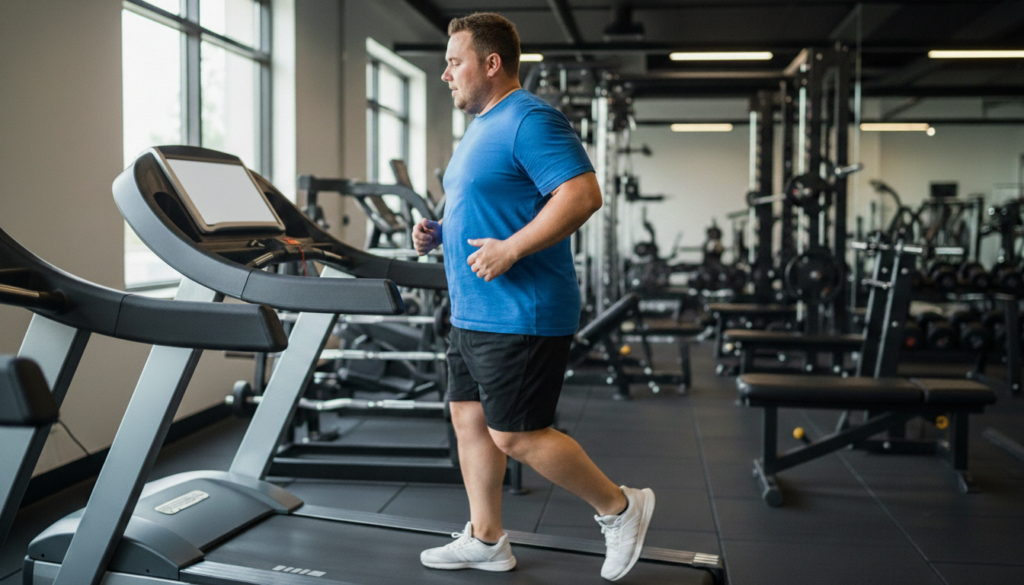
Resistance training results in a loss of lean mass in case of weight loss without resistance training. Skeletal muscle loss decelerates the resting metabolic rate and enhances fatigue. Based on controlled intervention studies, programs involving calorie control and strength training conserve lean tissue and help to maintain fat loss.
Impact on Aging and Independence

Once past 30 years the rate of muscle depletion is 3-8 percent per decade. Rapid loss is associated with less autonomy in old age. In observational research, increased midlife strength is linked to decreased disability rates in later age (65 years).
Muscle and Injury Recovery

Amino acids needed in repairing tissue are stored in the muscle tissue. Increased muscle mass at baseline is related to more rapid recovery following illness, surgery, or immobilisation. Hospital records indicate that patients with higher muscle reserves have fewer complications and reduced stay at the hospital as they undergo rehabilitation.
Influence on Posture and Pain

Weak supporting muscles contribute to poor posture and uneven joint loading. Strengthening trunk and hip muscles reduces incidence of lower back pain in working adults. Randomized trials report pain reduction and improved work capacity following structured resistance programs.
Mental Health and Cognitive Links

Physical training involving muscle strengthening correlates with lower rates of depressive symptoms. Exercise studies show resistance training improves executive function and memory in older adults. These effects associate with improved blood flow, hormonal response, and activity of growth factors.
Muscle Health in Youth and Midlife

The best body development is during adolescence and the early adulthood. Increased peak levels lead to decreased age related decline later. The results of long term studies have indicated that adults who are stronger at earlier ages have higher functional capacity decades after even though they have equal aged processes.
Practical Strategies for Maintenance

The maintenance of the muscles depends on progressive resistance training done two to three times a week. Intake of protein in a form of meals facilitates muscle protein synthesis. Training response and recovery are enhanced by a length of sleep exceeding seven hours and holiday throughout the day.
