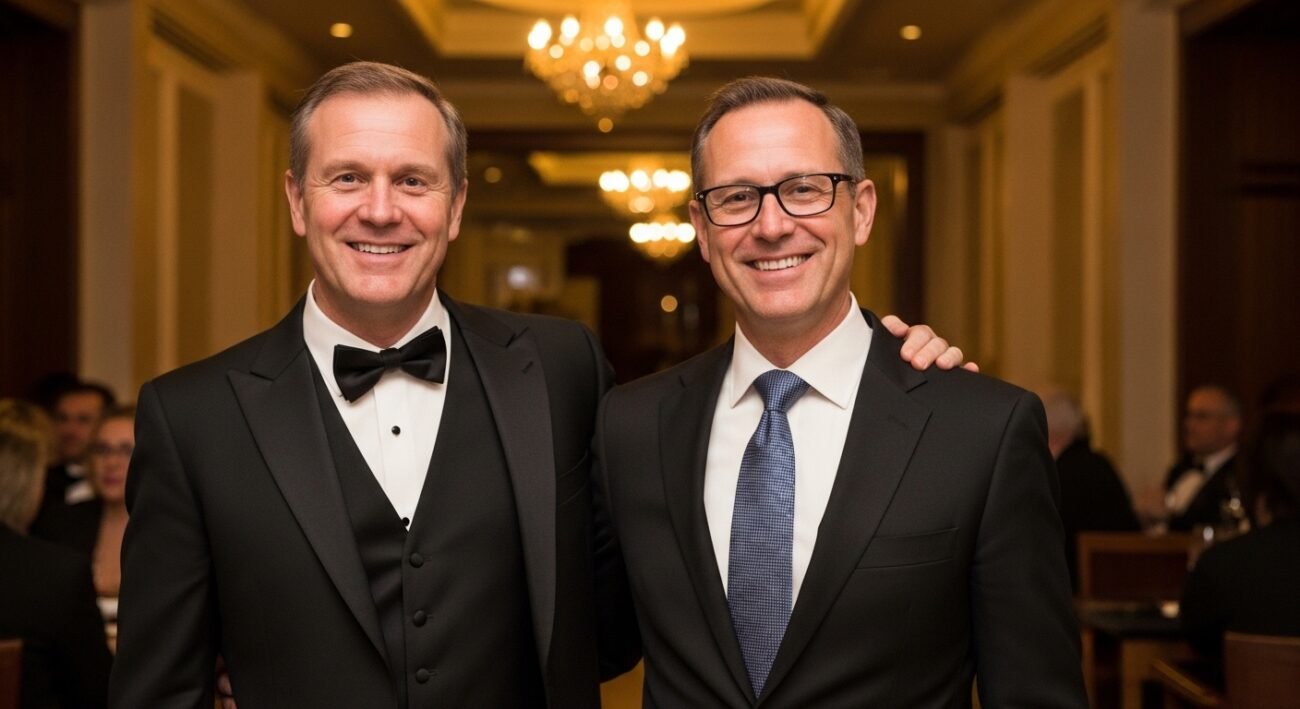
Black tie parties are very rigid in the social structure with decades of formality. The needs of the guests are misunderstood and guesswork is used by many. Very specific standards minimize errors and contribute to confidence. This code of conduct identifies the set standards of dress, grooming, and appearance. Every paragraph is concentrated on the observable rules applied during galas, weddings, and formal dinners. The advice is typical of the best practice in high end establishments and invitation etiquette.
Understanding the Black Tie Standard
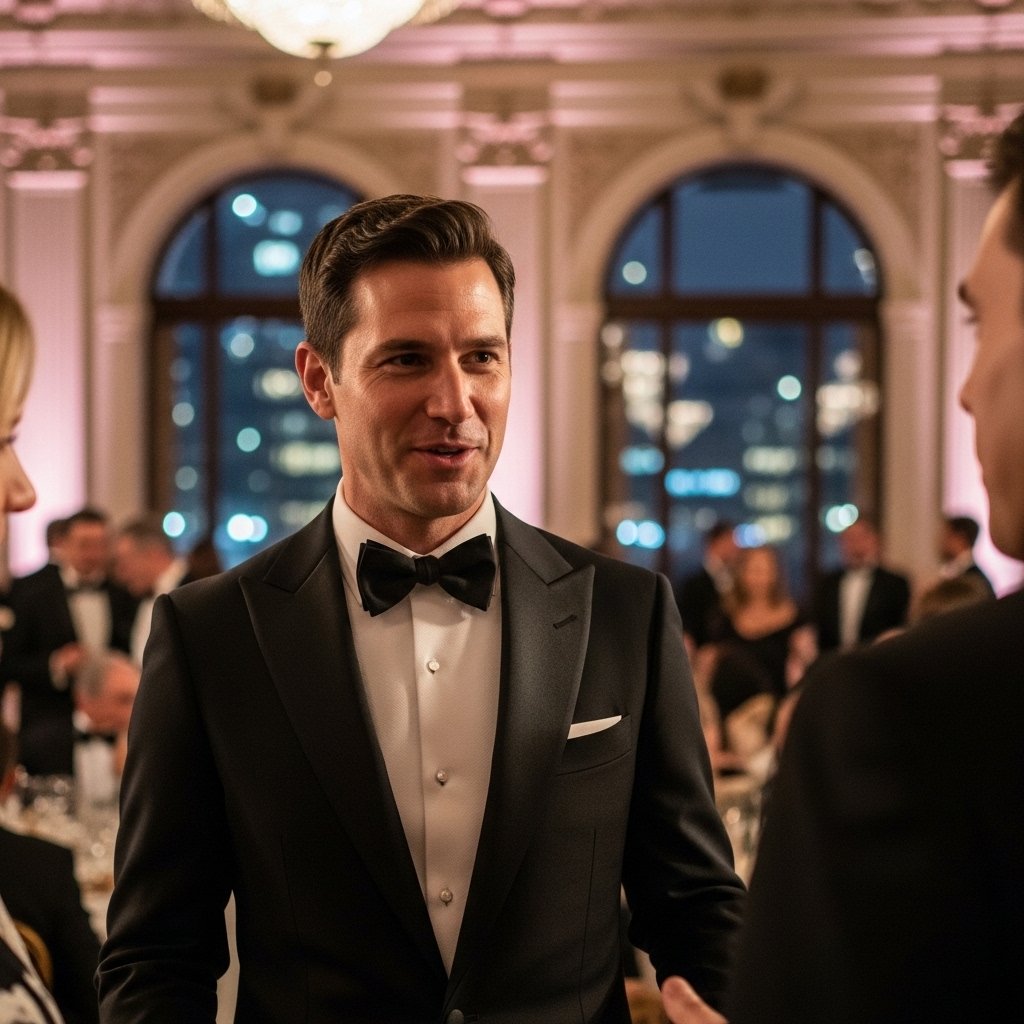
Black tie is a dress code of the evening that is characterized by uniformity and not fashion. Hosts would insist on observance of old rules which are based on time of the day and location. It is often launched after 6 PM, and the events include ritualized meals or official party. Deviation signals are not personalized but unprepared.
The Role of the Dinner Jacket
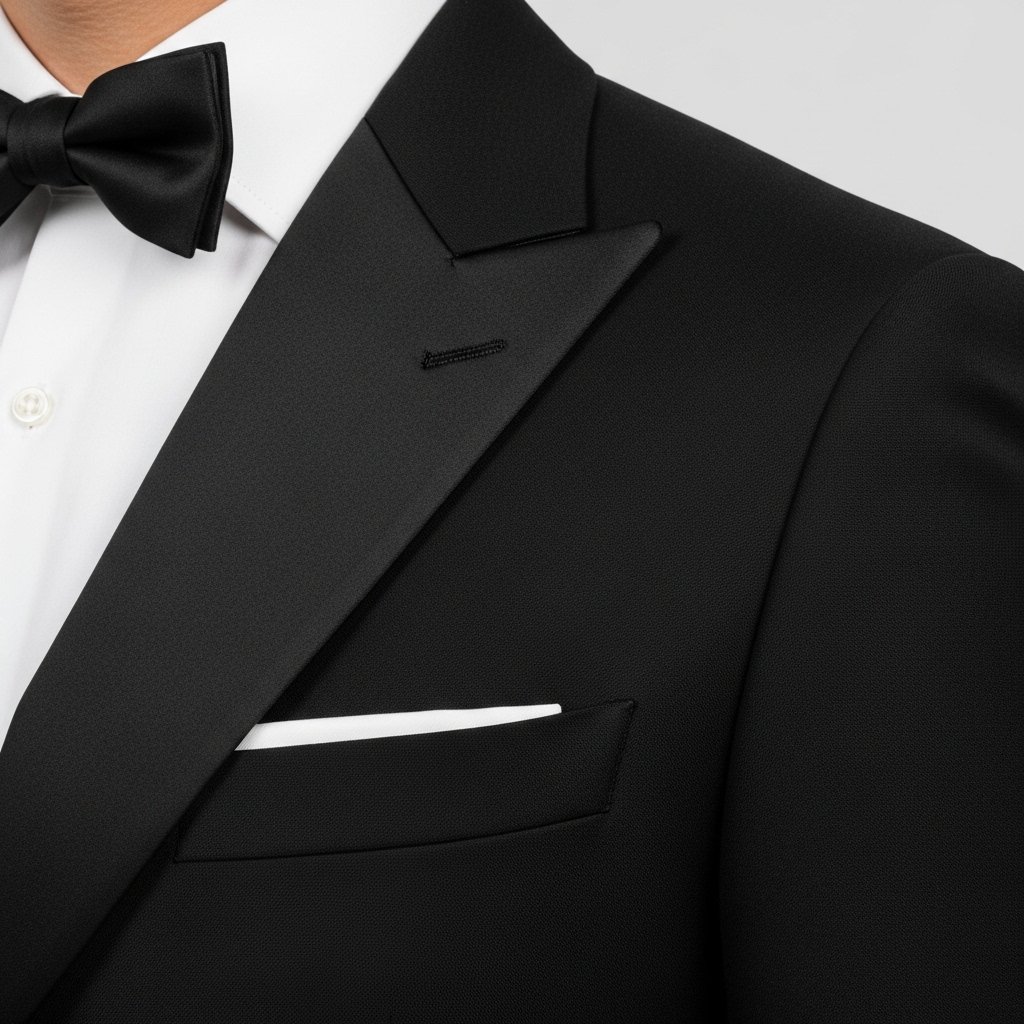
Black tie attire consists of the dinner jackets. Black or midnight blue wool, with satin or grosgrain lapses is still the acceptable. Both Shawl and peak lapels are in compliance with protocol. Formal settings are characterized by single button closures. Shoulders and chest should be neatly tailored.
Trousers and Proper Fit
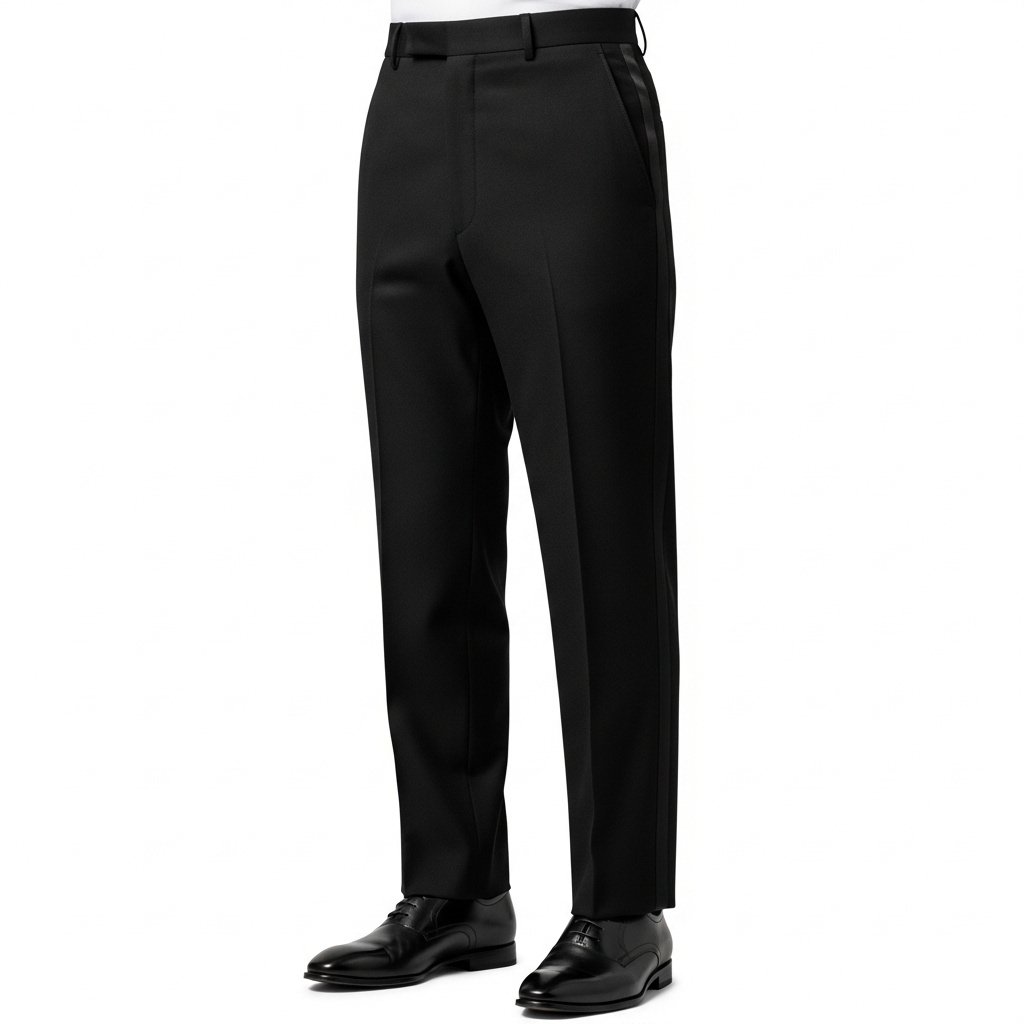
Formal trousers match the jacket fabric and feature a satin side stripe. Belt loops do not belong within black tie standards. A high rise supports suspenders and maintains structure during long events. Breaks at the shoe remain minimal. Excess fabric signals poor fit and disrupts proportion.
Shirts and Collar Expectations
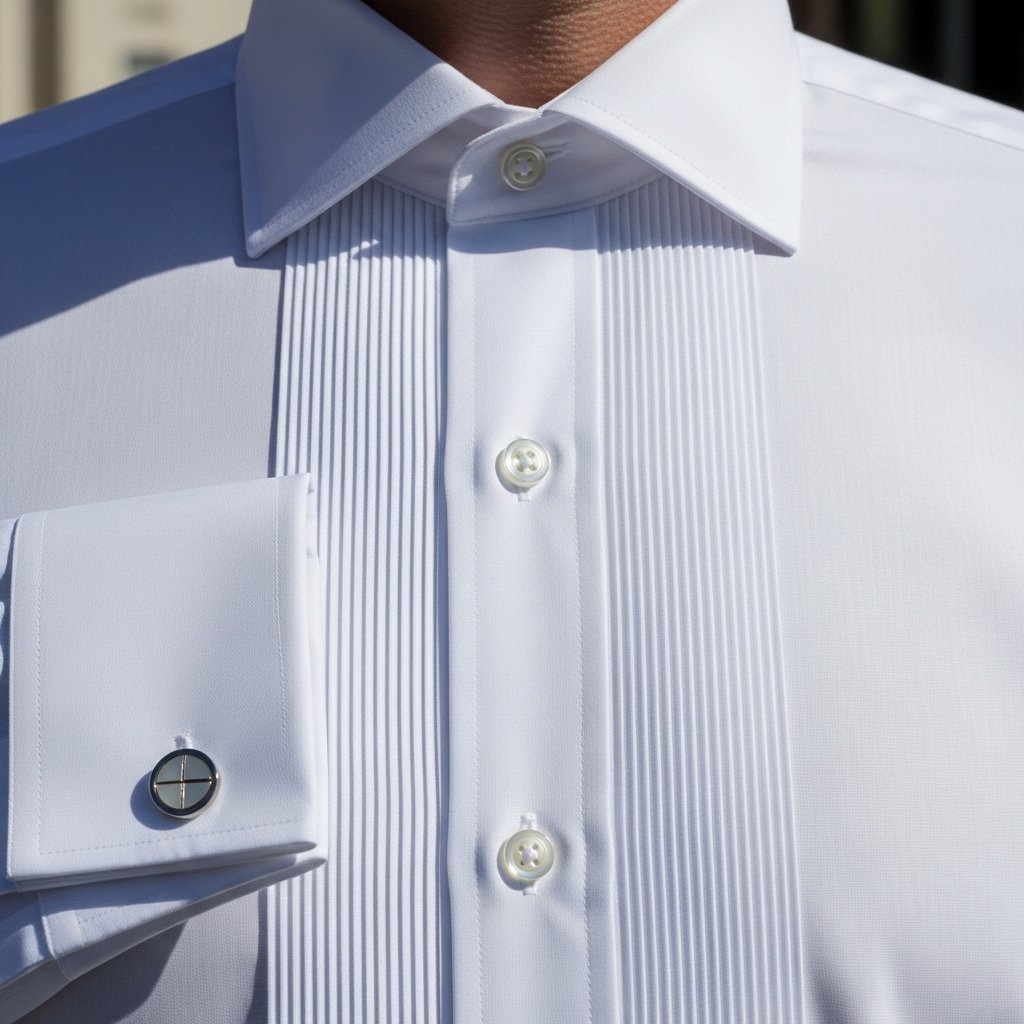
A white dress shirt anchors the ensemble and provides contrast. A marcella or pleated front fits traditional standards. Turn down collars outperform wing collars in most modern settings. Double cuffs with cufflinks remain essential. Plastic buttons undermine the formal structure expected at black tie events.
Bow Ties and Neckwear Rules
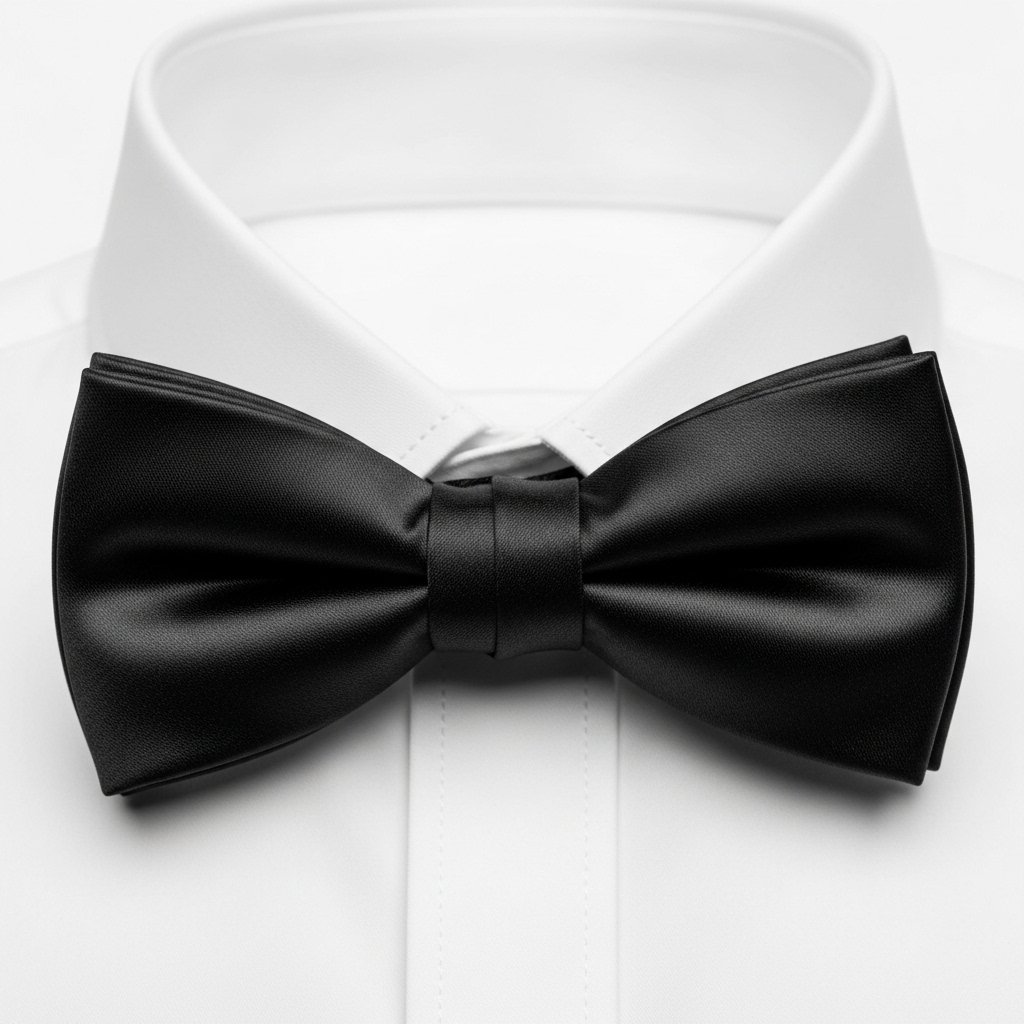
A black bow tie remains mandatory within black tie dress codes. Pre tied versions reduce authenticity and attract scrutiny. Silk or satin materials align with formal standards. The bow shape stays modest and symmetrical. Neckties and colored bow ties fall outside accepted norms.
Footwear and Hosiery Choices
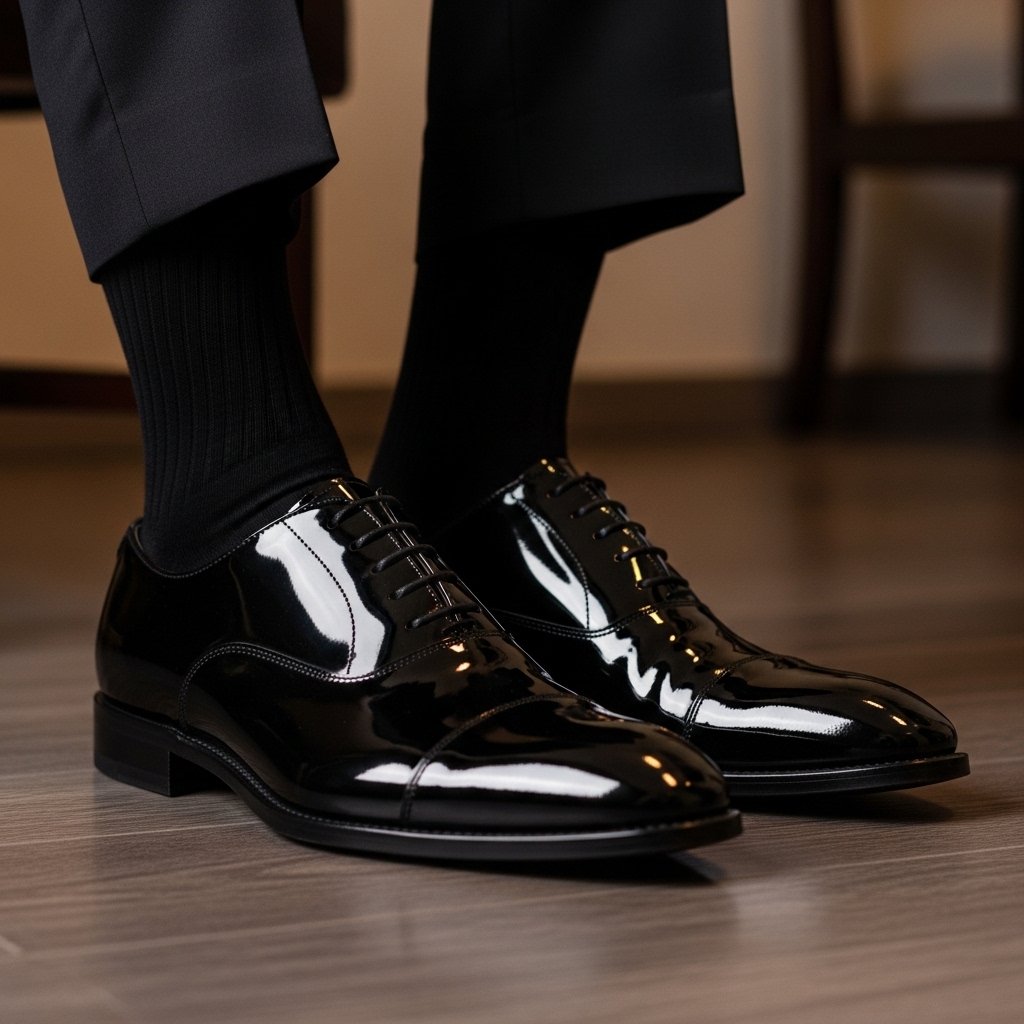
Black patent leather or highly polished calf leather shoes suit black tie settings. Oxford styles dominate formal environments. Loafers and boots fail dress code expectations. Black silk or fine wool socks maintain visual continuity. Patterned hosiery distracts from the formal silhouette.
Outerwear and Seasonal Layers
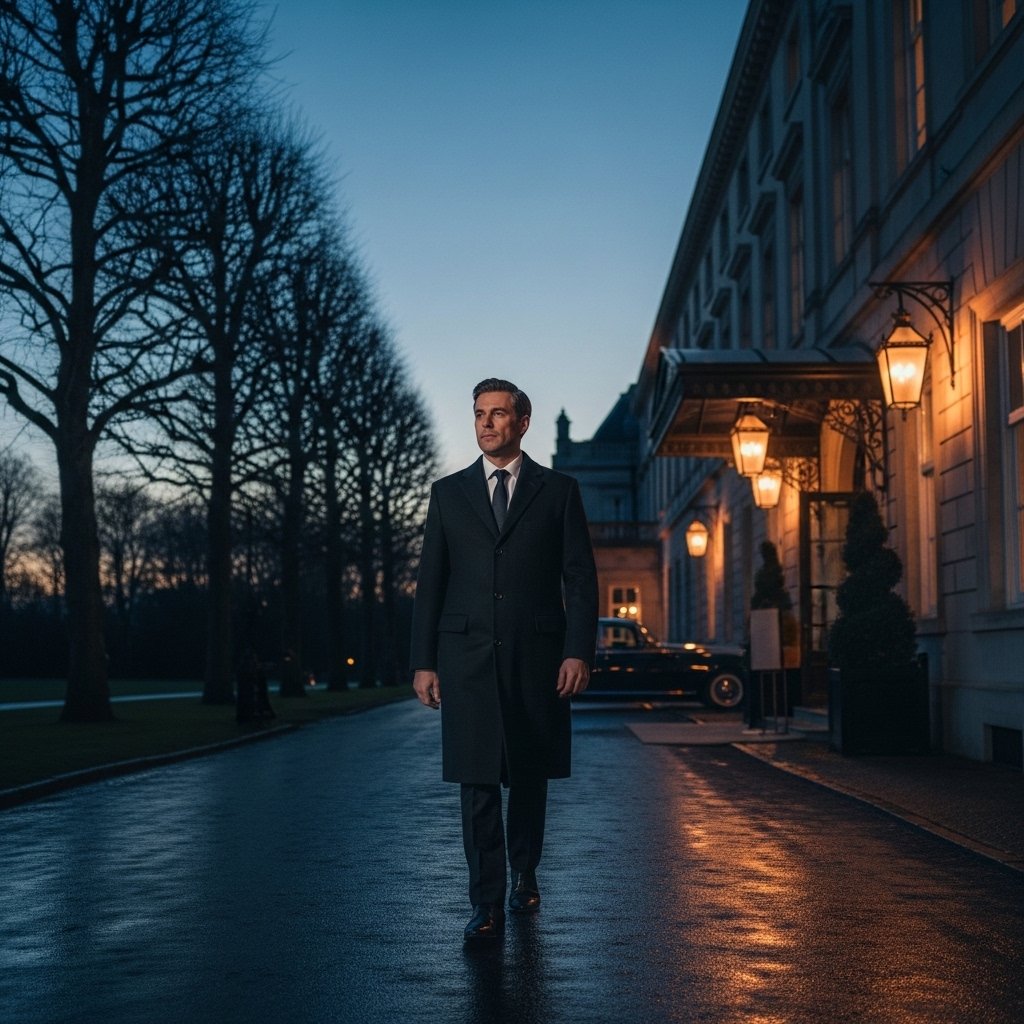
Formal outerwear supports function without compromising presentation. A black or dark navy overcoat suits evening wear. Length reaches near the knee for balance. Scarves remain simple and dark toned. Casual jackets and padded coats clash with formal expectations.
Accessories and Jewelry Discipline
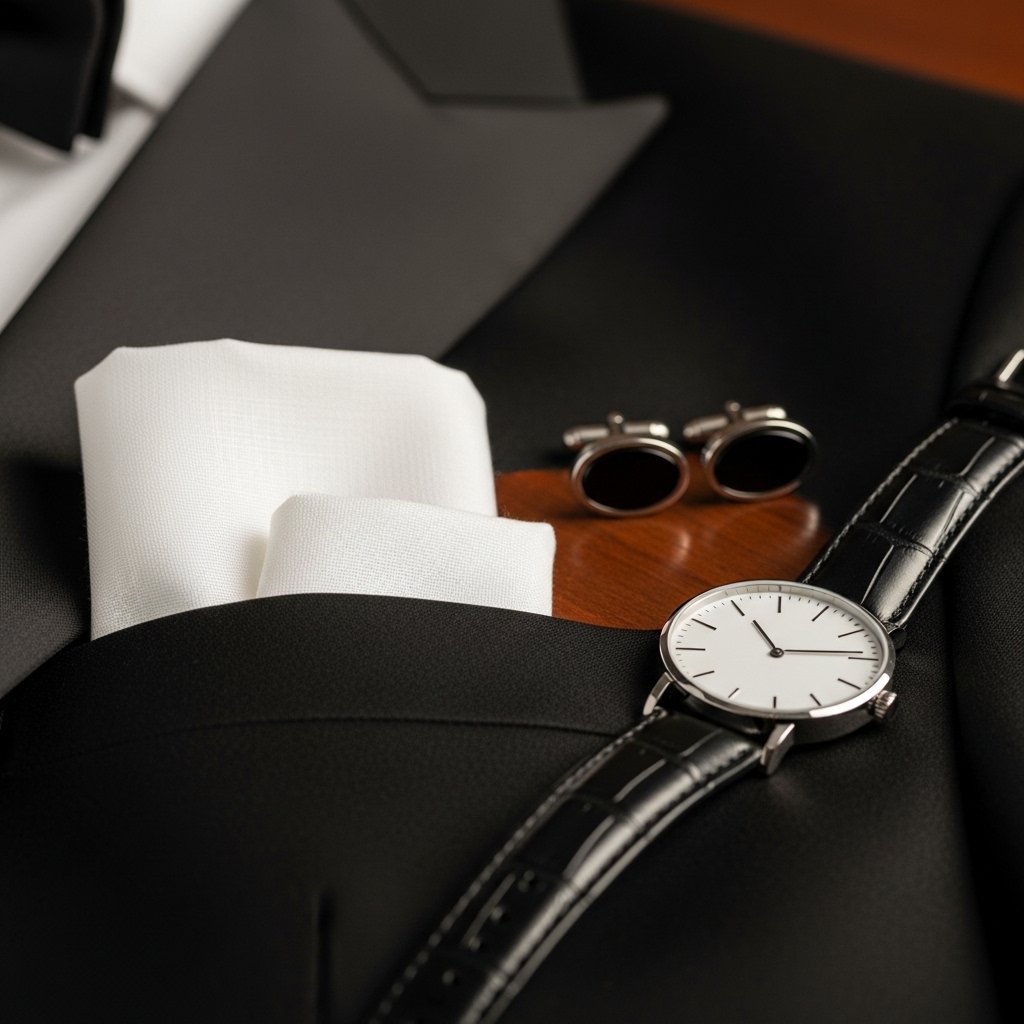
Accessories serve restraint rather than display. A dress watch with a black leather strap aligns with tradition. Metal bracelets attract attention and disrupt uniformity. Studs and cufflinks remain minimal and silver or onyx toned. Pocket squares stay white and neatly folded.
Grooming and Final Presentation
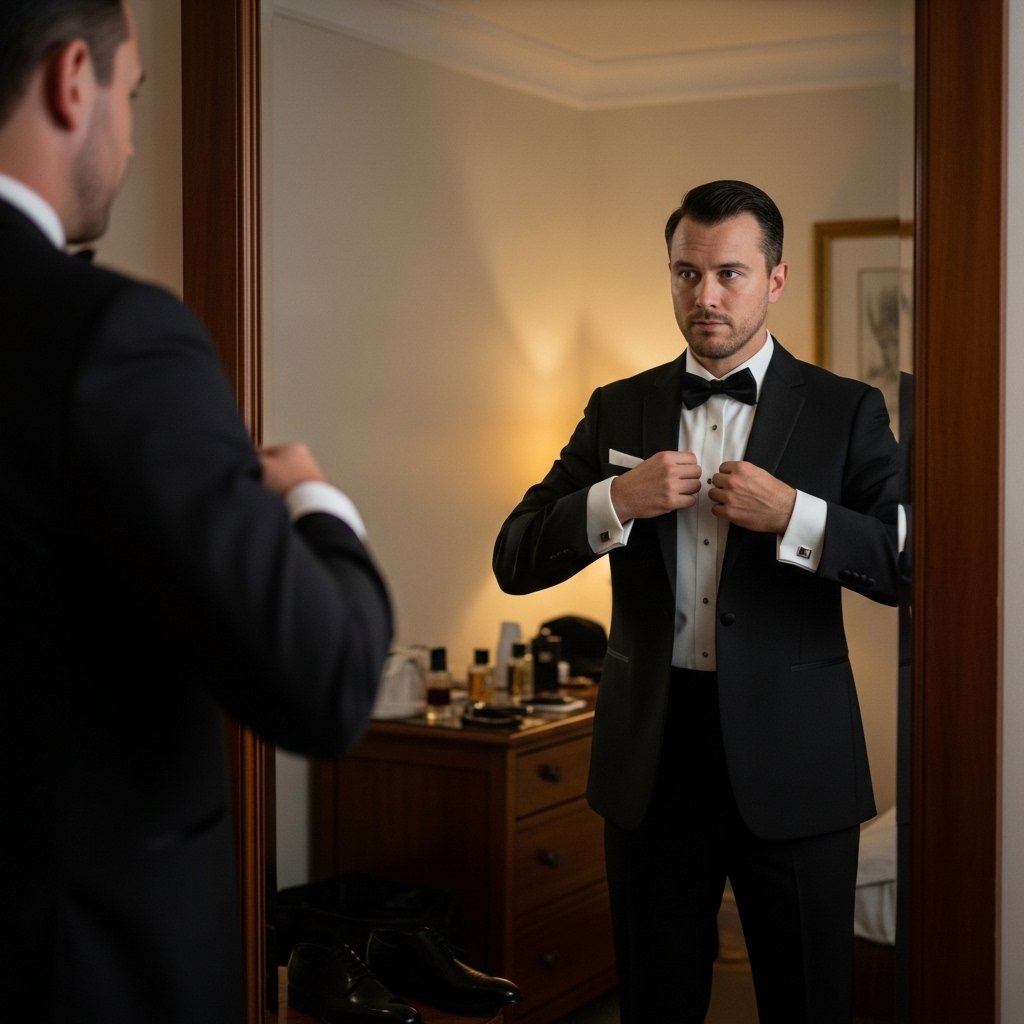
Personal grooming completes black tie presentation. Hair appears clean and controlled with no visible styling residue. Facial hair remains trimmed and intentional. Fragrance stays subtle and close wearing. Clothing inspection before departure prevents visible lint, wrinkles, or loose threads.
