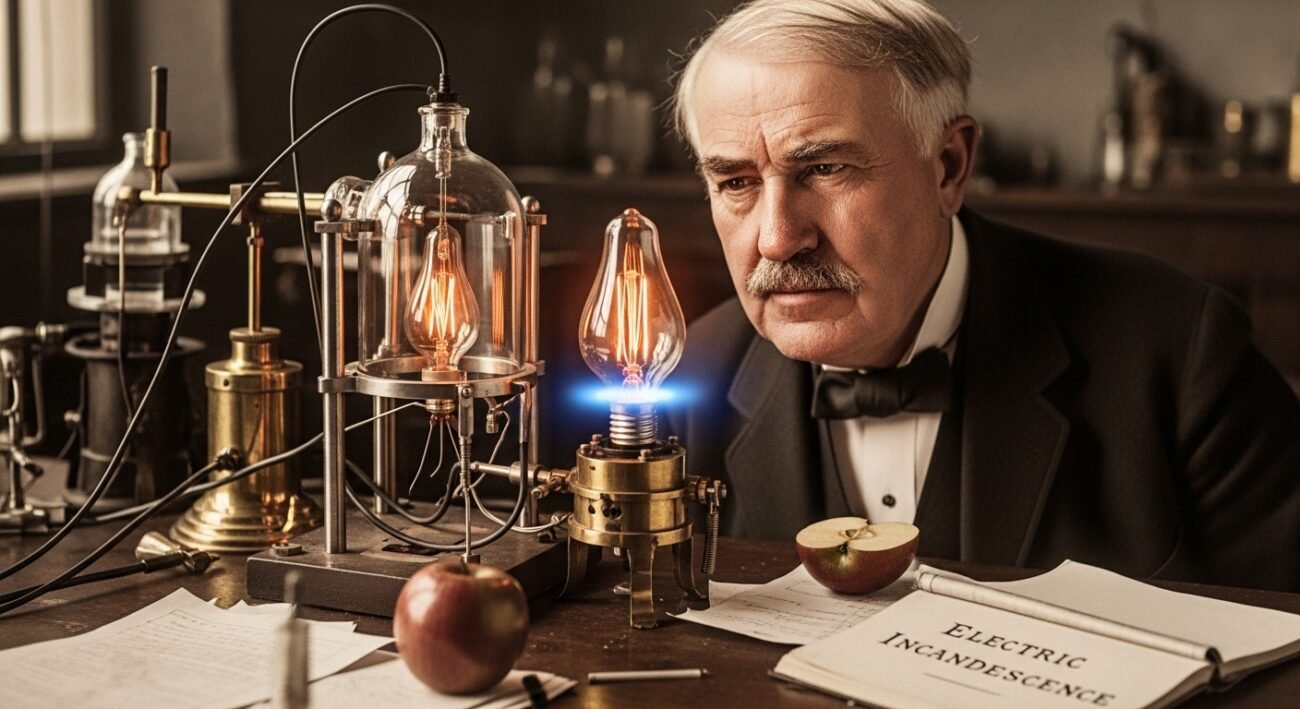
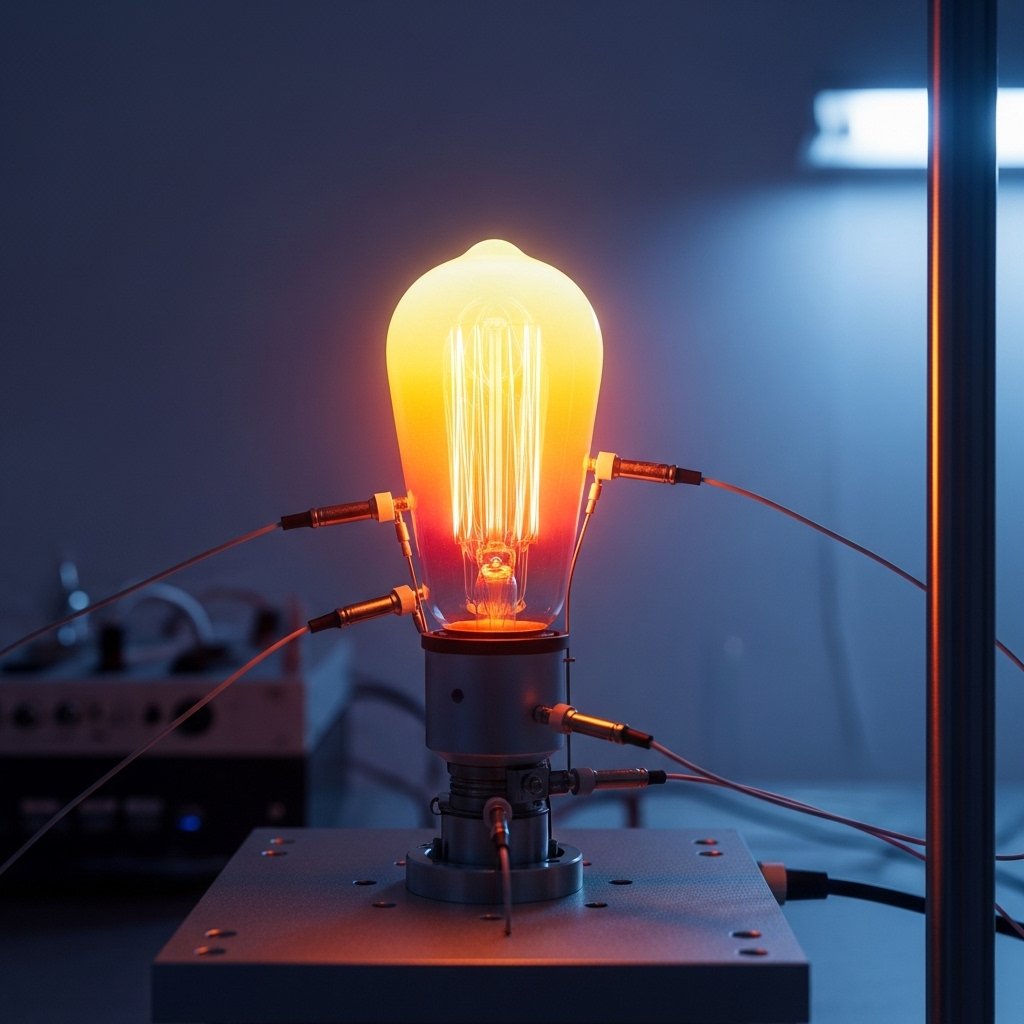
In late 1879, Thomas Edison tested early incandescent lamps through repeated trials involving carbon filaments, vacuum quality, and electrical stability. A modern research group recreated these experiments using period accurate materials and documented methods. The aim focused on verification, not reinterpretation. During replication, researchers observed an effect Edison noted only briefly. The observation pointed toward filament behavior rather than power delivery, adding new context to early electrical science.
Materials Used in the Replication
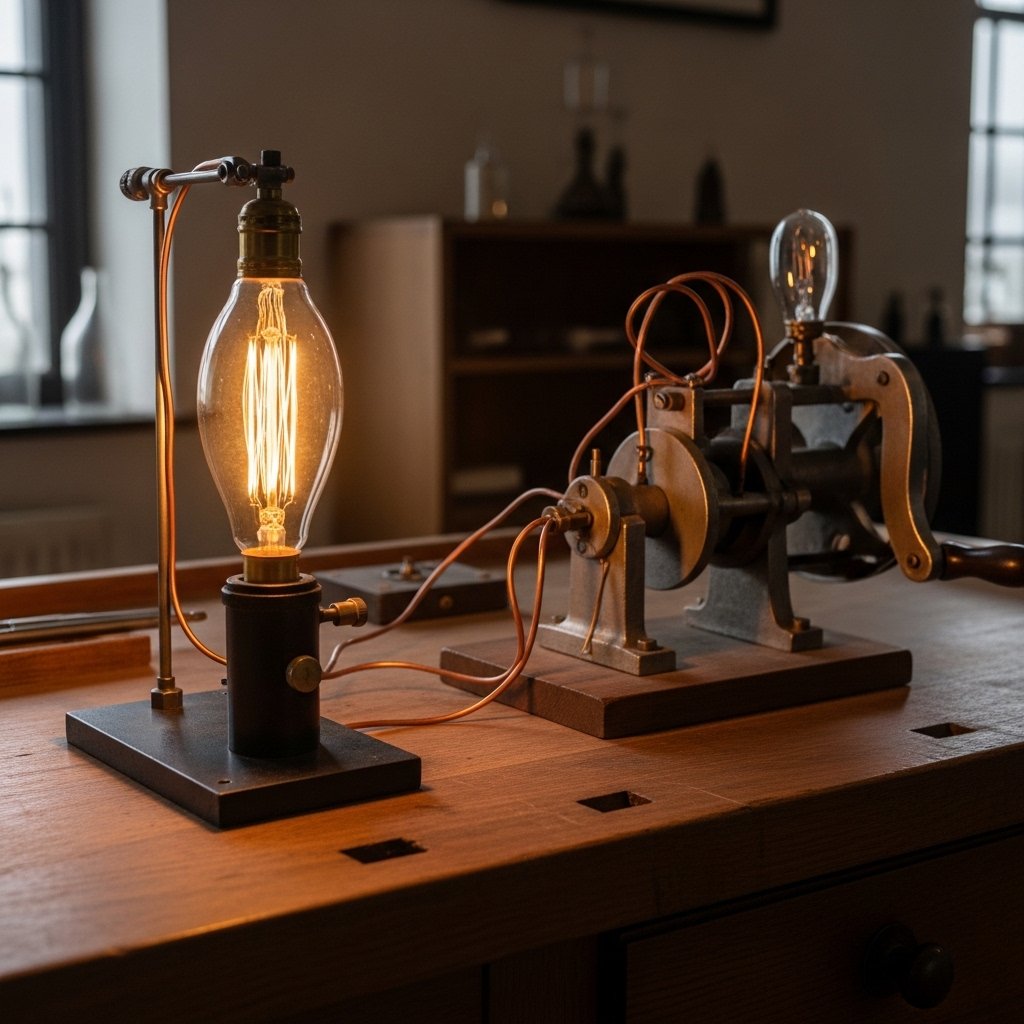
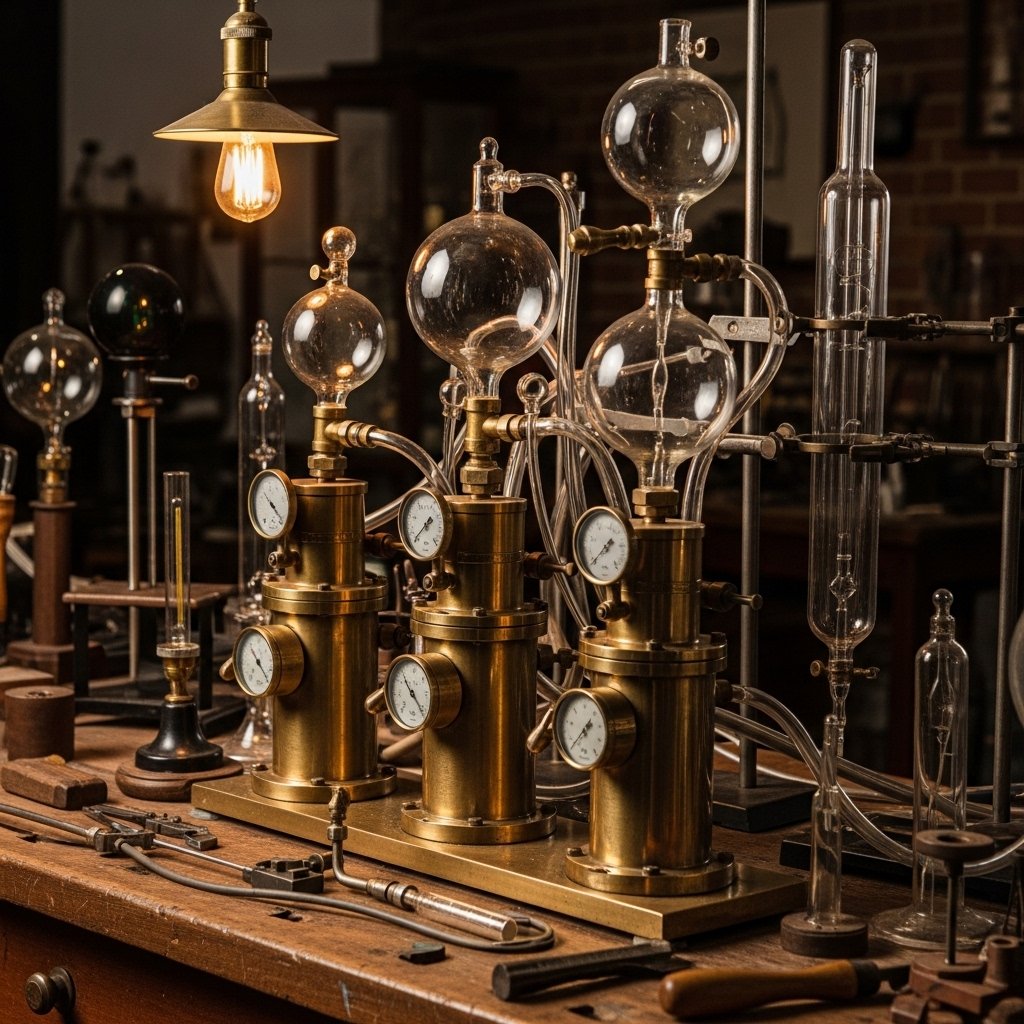
The team sourced carbonized cotton, bamboo fibers, and glass envelopes similar to nineteenth century designs. Vacuum pumps matched historical pressure limits rather than modern standards. Copper wiring followed original gauge estimates. These constraints limited efficiency. The setup reflected working conditions Edison faced during initial testing rather than optimized laboratory environments.
Rebuilding the Electrical Setup
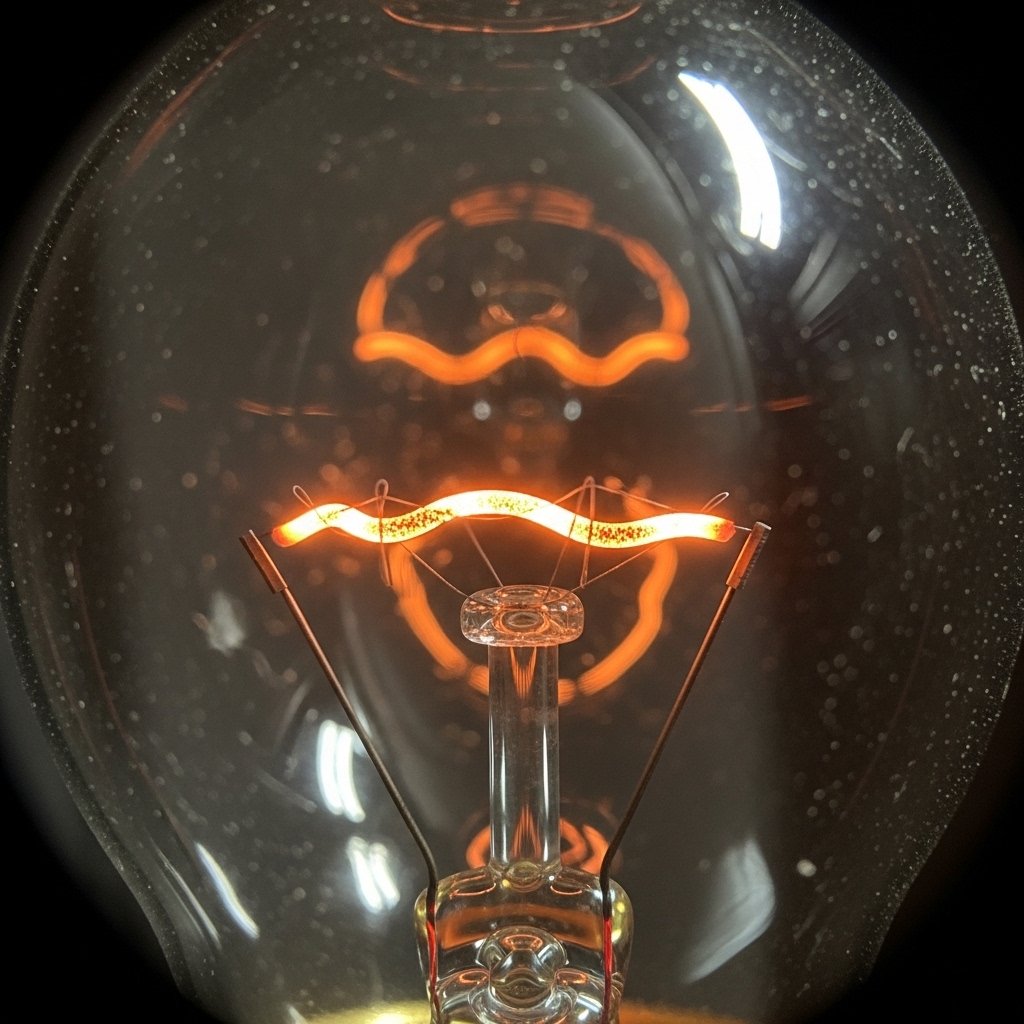
Power delivery relied on low voltage direct current produced through controlled generators. Resistance levels mirrored values recorded in Edison’s notebooks. Heat buildup occurred unevenly across the filament length. Researchers tracked temperature gradients using modern sensors. The uneven distribution matched several unexplained failures documented in original records.
Filament Behavior Under Prolonged Use
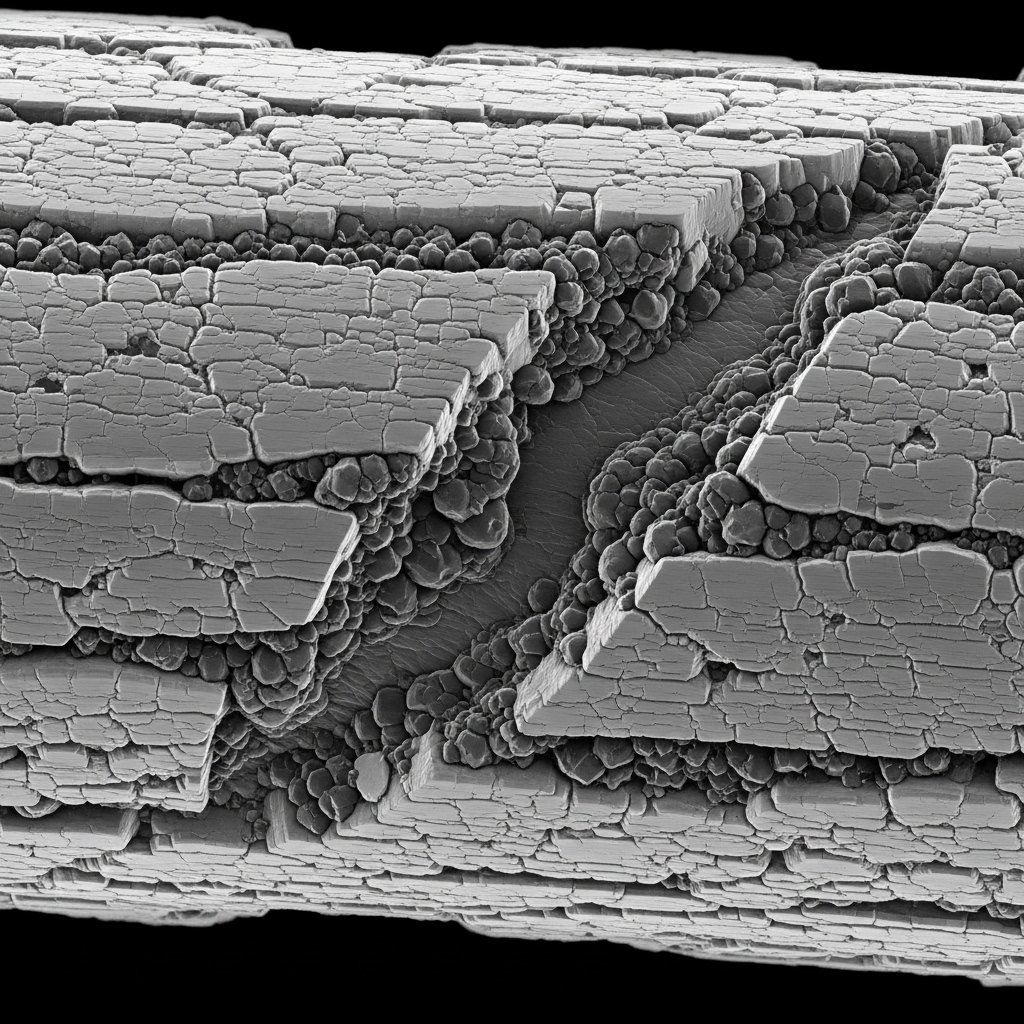
After hours of continuous operation, filaments altered shape at microscopic levels. Carbon grains shifted along stress points. This movement affected brightness stability. Edison described flickering without clear cause. Modern imaging linked flicker to filament restructuring rather than voltage fluctuation or air leakage.
Vacuum Quality and Gas Interaction
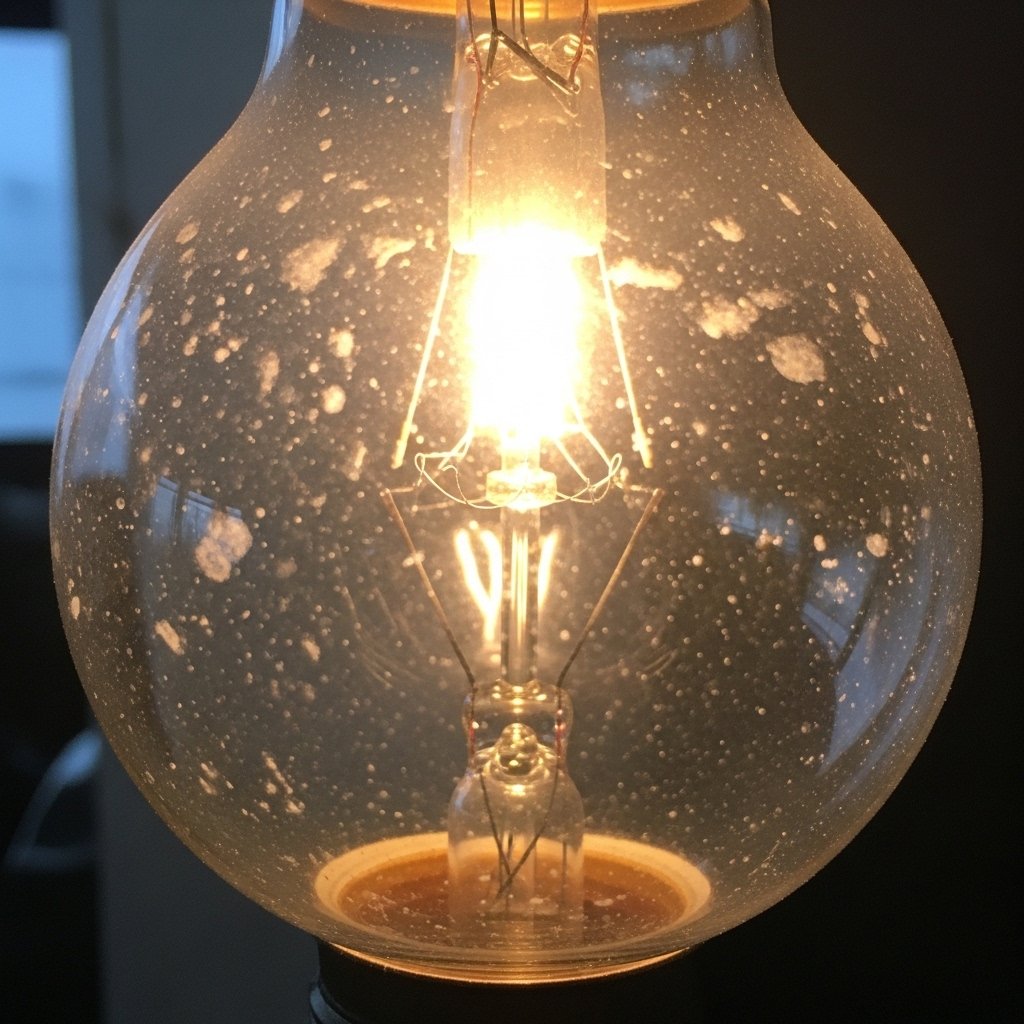
Vacuum levels stayed imperfect by design. Trace gases remained inside the bulb chamber. These gases interacted with heated carbon surfaces. Over time, deposits formed along inner glass walls. Researchers confirmed this slowed filament decay during early stages. This effect contradicted assumptions favoring higher vacuum as the sole solution.
Unexpected Thermal Self Regulation
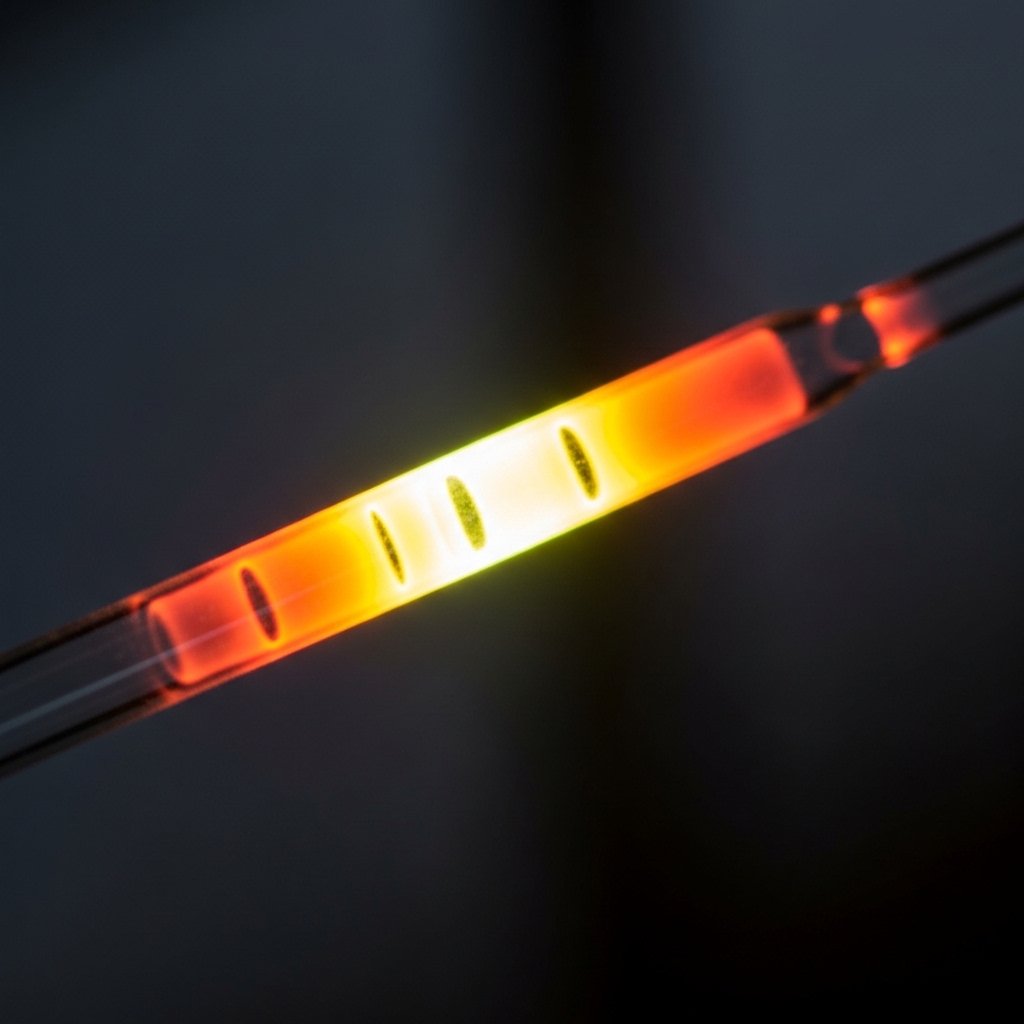
A key finding involved localized resistance changes. As filament sections heated, resistance increased in those zones. Current flow shifted slightly toward cooler areas. This created a balancing effect. The process reduced immediate burnout risk. Edison noted longer lamp life during specific trials without clear explanation.
Brightness Stability Over Time
Light output followed a predictable curve. Initial brightness dropped within minutes, then stabilized for extended periods. Data showed correlation with filament grain alignment. Edison focused on total lifespan metrics. Replication showed short term stability mattered more for practical indoor use.
Why Edison Overlooked the Effect
Edison worked under commercial pressure. Focus stayed on durability and patent timelines. Subtle thermal dynamics lacked measurement tools at the time. Notes mention anomalies without follow up. The modern study framed these remarks as early recognition without analytical support.
Implications for Early Electrical Engineering
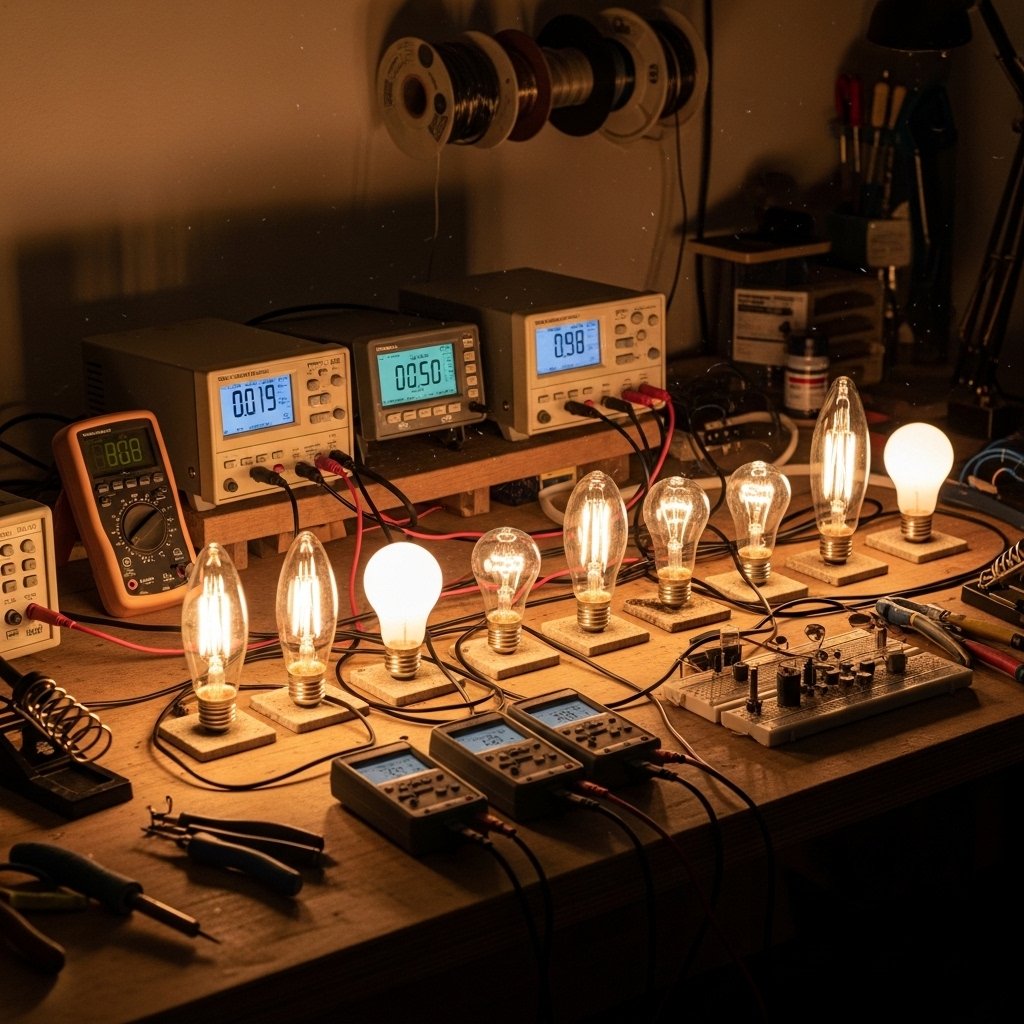
The finding reframed early incandescent development as partly self correcting rather than purely trial based. Engineers of the era relied on empirical success. Understanding natural stabilization processes explains why certain filament materials outperformed others despite similar compositions.
Modern Lessons From Historical Experiments

Replication highlighted value in constrained experimentation. Modern labs often remove inefficiencies. Edison’s environment exposed behaviors hidden under optimized conditions. Studying limitations revealed system level responses. This approach supports reevaluation of other foundational experiments using original constraints.
Relevance Beyond Lighting History
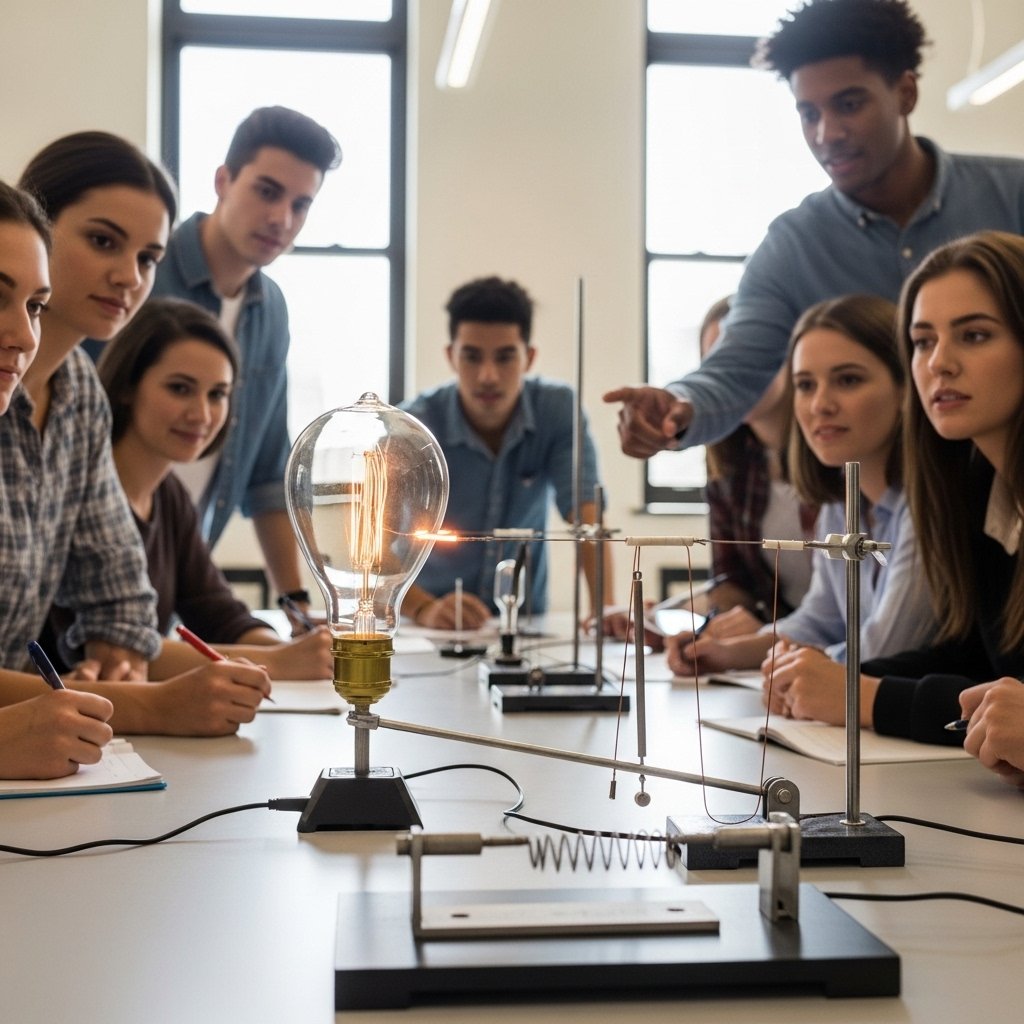
The study informed materials science and thermal engineering education. Filament behavior illustrated adaptive resistance in simple systems. Similar principles apply to modern conductive materials under stress. Historical replication served as a low cost method to observe physical responses ignored by contemporary design focus.
