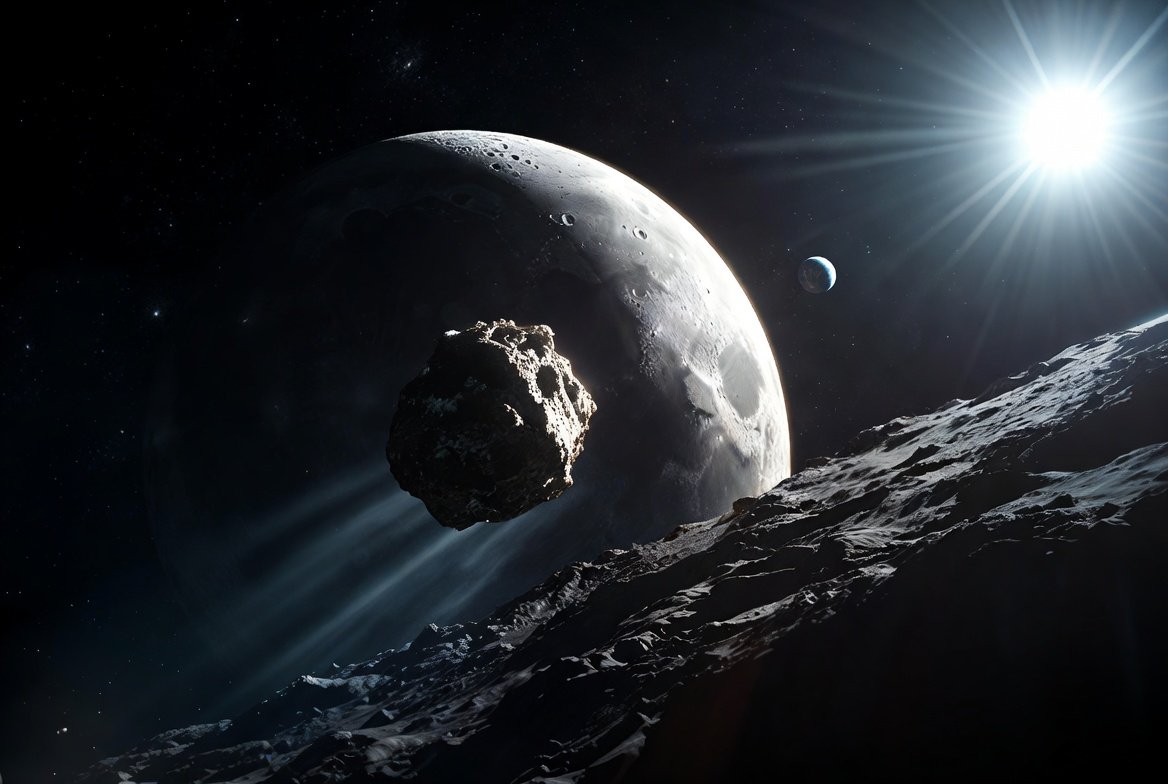
The asteroid that will spare Earth might hit the moon instead. What happens if such an event occurs draws attention from planetary scientists and space agencies. Earth faces no direct contact in this scenario. The Moon absorbs the encounter. Lunar geology, orbital behavior, and near Earth space conditions would experience measurable change. Research based on prior impacts and simulation models outlines expected outcomes. Public concern often rises around indirect risk. Scientific evidence offers structured explanations grounded in observation and physics.
Lunar Surface Impact Dynamics
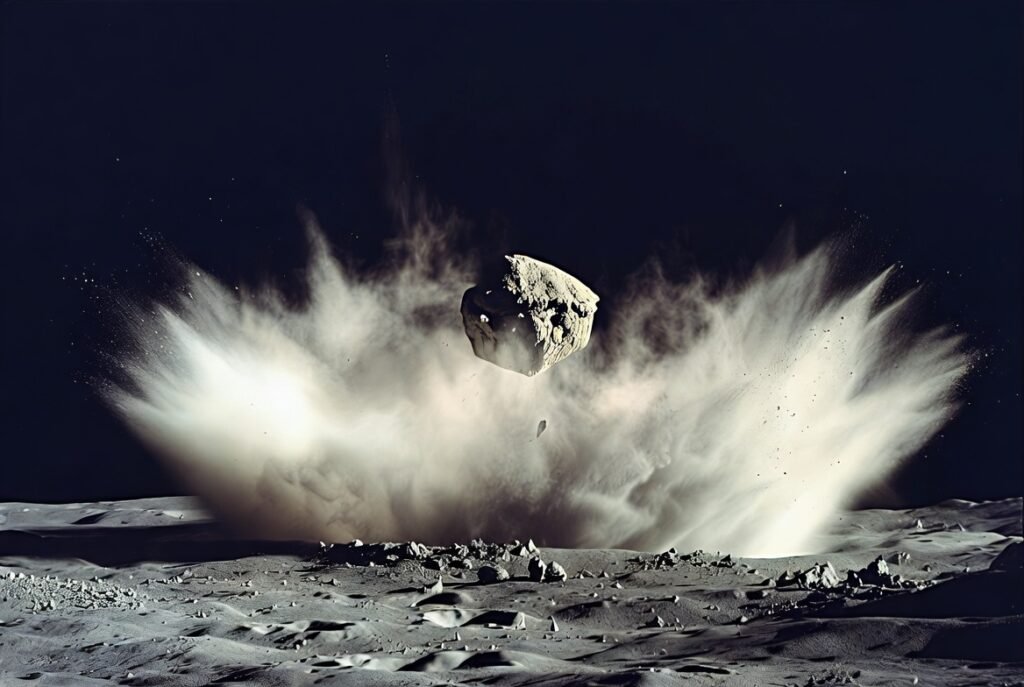
A high speed asteroid strike on the Moon would transfer energy into surface material. Rock would fracture and eject outward in a circular pattern. The absence of atmosphere allows debris to travel farther than on Earth. Crater size would depend on asteroid mass, velocity, and angle. Comparable impacts already exist across lunar terrain.
Crater Formation and Scale
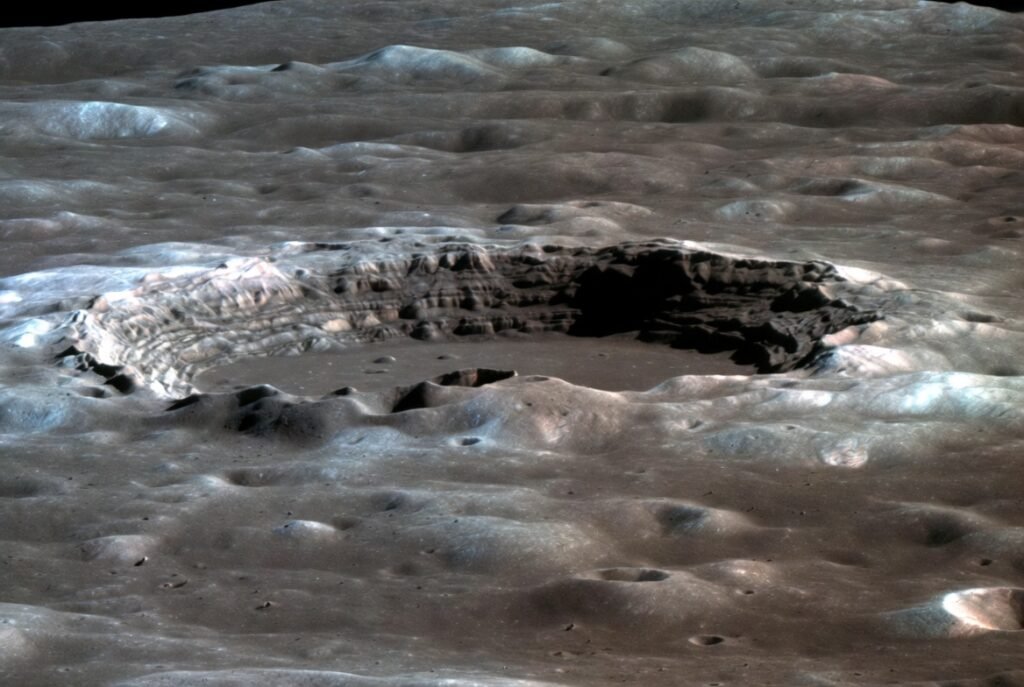
Crater dimensions would follow established scaling laws. A one hundred meter asteroid striking at typical solar system velocity would form a crater several kilometers wide. Depth would reach hundreds of meters. Lunar regolith composition influences final shape. Past missions mapped thousands of such structures, offering reliable comparison data.
Ejected Debris and Space Environment
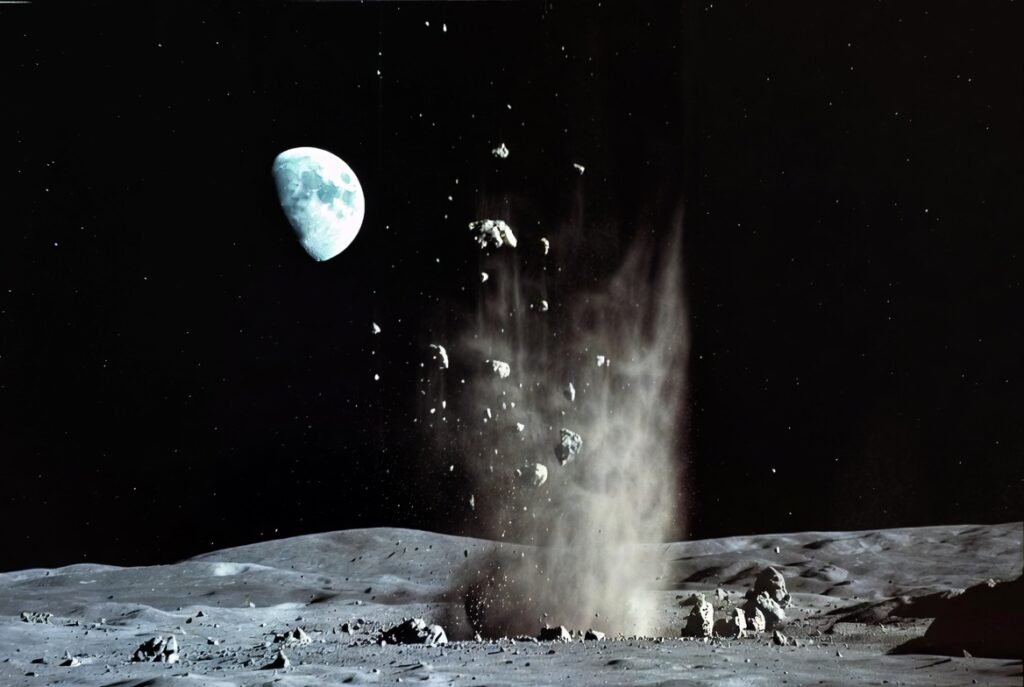
Debris launched from the impact site would enter temporary lunar orbit or escape into near Earth space. Most fragments would disperse quickly. A small fraction would intersect Earth orbit paths. Atmospheric entry would burn many fragments. Satellite operators would monitor elevated micrometeoroid levels during early phases.
Visibility From Earth
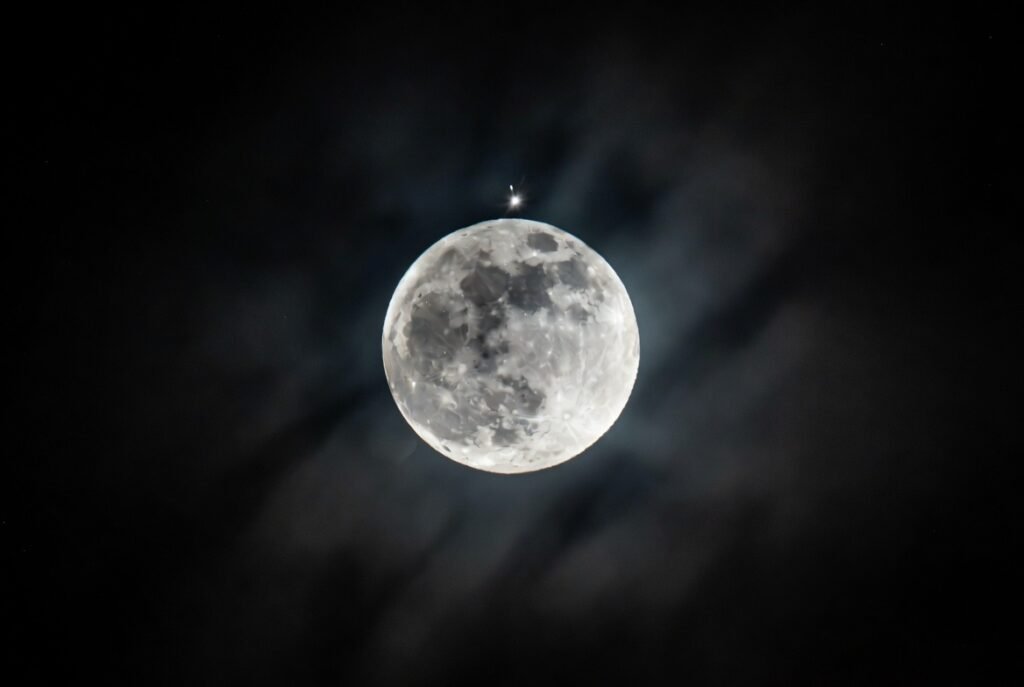
Observers on Earth would notice a brief flash during impact if timing aligned with night visibility. Professional telescopes would record light emission and thermal signatures. Amateur astronomers already track smaller lunar impacts yearly. A larger event would offer clearer optical data without long term visual change to the lunar face.
Seismic Effects on the Moon
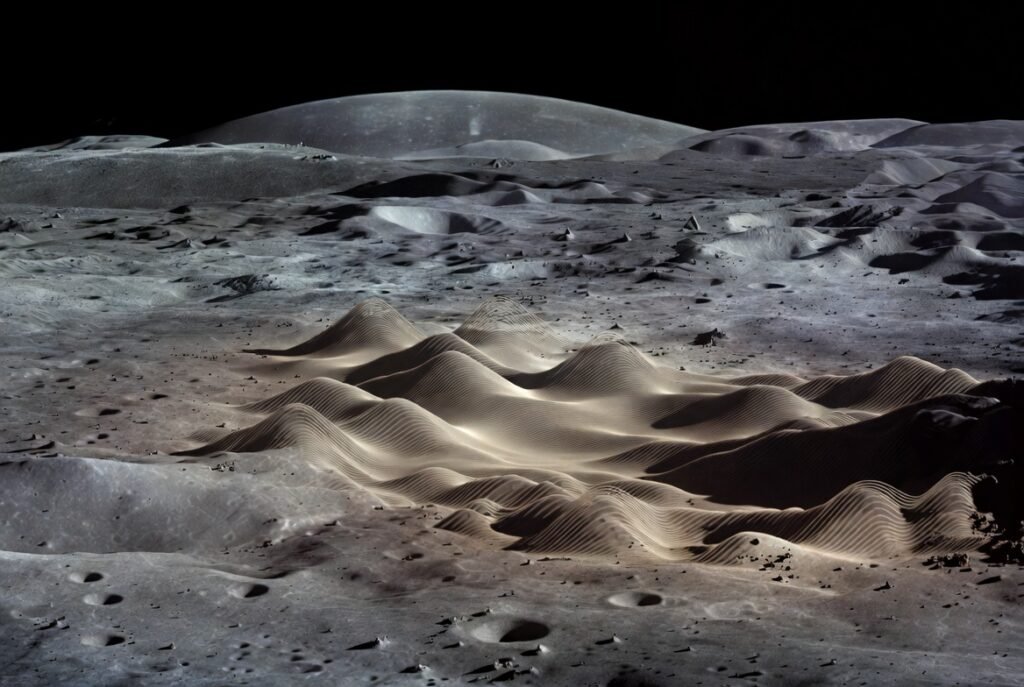
The Moon experiences seismic activity from impacts. Instruments left by Apollo missions confirmed long duration vibrations due to dry crust structure. A sizable asteroid would trigger measurable moonquakes. These vibrations would travel across the lunar body for hours. Data would refine internal structure models.
Orbital Stability and Tides
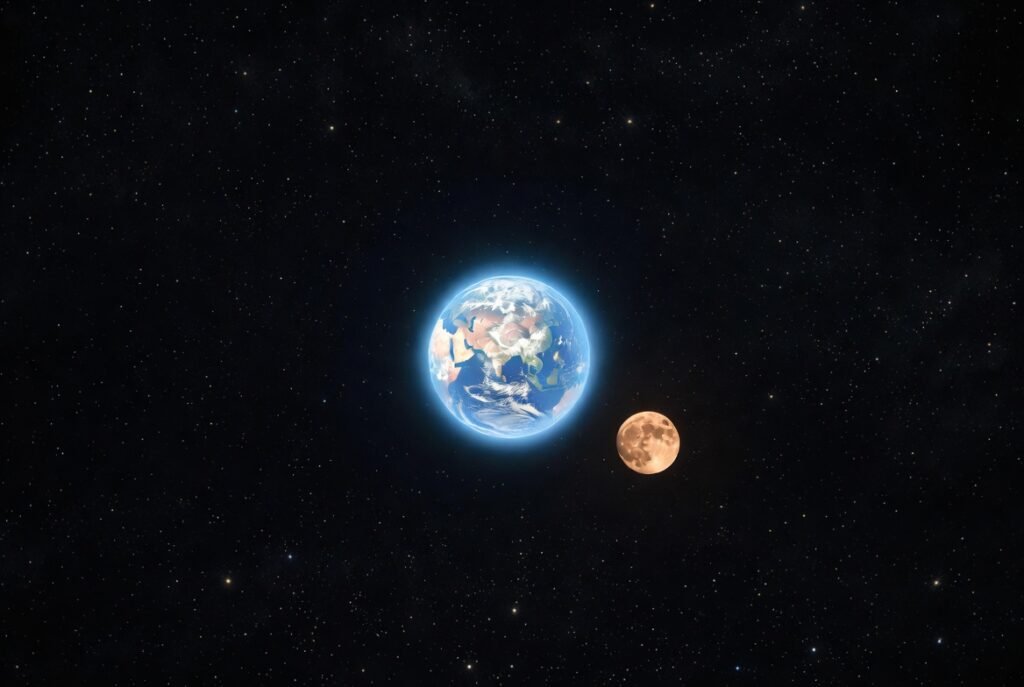
Lunar orbit would remain stable. Asteroid mass relative to lunar mass stays negligible. Earth tides depend on lunar gravity, which would show no measurable shift. Long term orbital parameters would stay unchanged. Calculations confirm no alteration to Earth day length or axial tilt.
Risk to Earth Based Systems
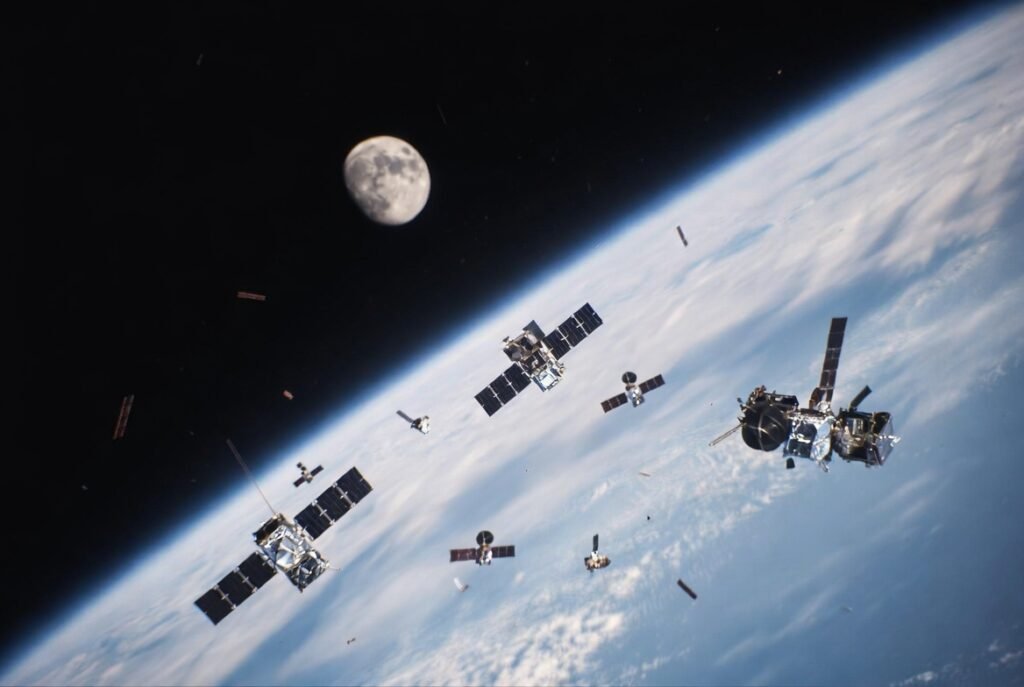
Earth based infrastructure would face minimal exposure. Space stations and satellites operate with shielding against small debris. Agencies would issue avoidance maneuvers if needed. Historical meteor showers linked to comet debris show limited operational disruption. A lunar impact presents lower density particle fields.
Scientific Opportunity and Data Collection
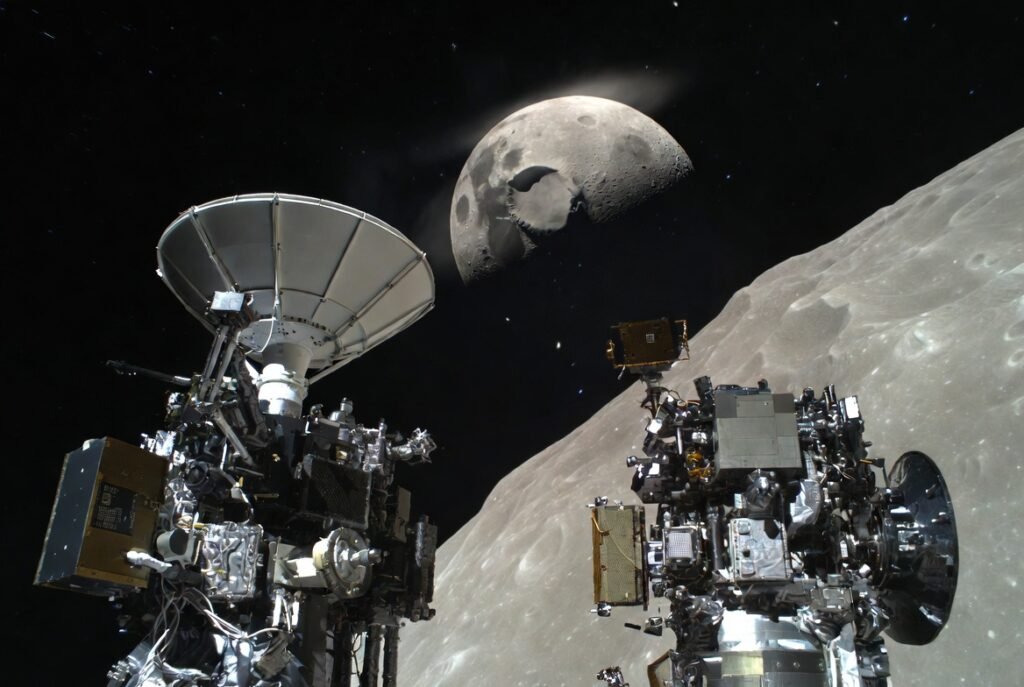
Such an event would offer a controlled natural experiment. Sensors across multiple platforms would capture impact energy, ejecta velocity, and seismic response. Findings would support planetary defense research. Impact modeling for Earth scenarios would gain improved accuracy through real observation.
Public Response and Communication
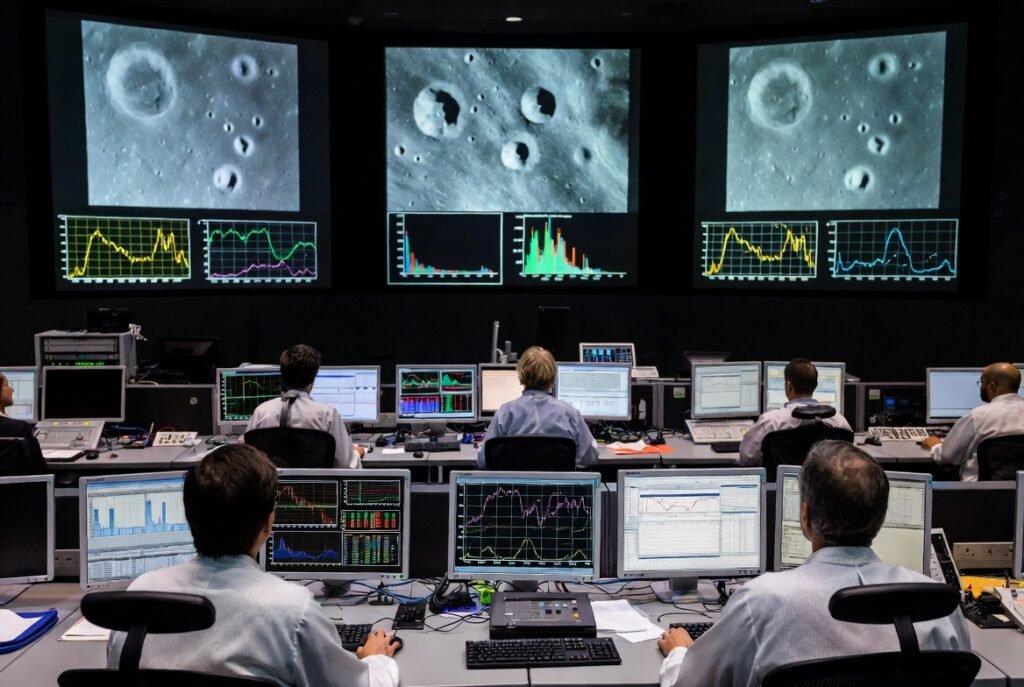
Public concern often centers on indirect danger. Clear communication from space agencies reduces misinformation. Prior examples show transparent data sharing stabilizes public response. Educational outreach would explain differences between lunar and terrestrial impacts. Emphasis remains on measured risk rather than speculation.
Long Term Lunar Research Implications
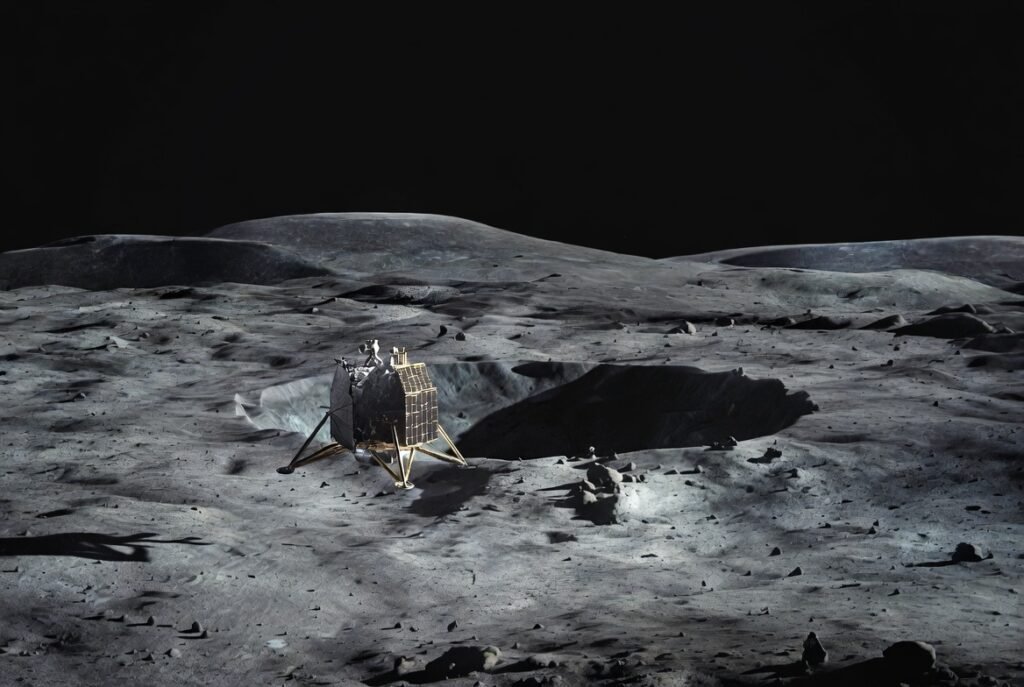
Future lunar missions would study the fresh crater. Pristine material from subsurface layers would become accessible. Robotic landers would analyze composition changes. These findings inform lunar formation theories. Planning timelines for exploration missions already account for surface variability driven by impacts.
