
The constant music practice attracts attention, memory and coordination to one routine. Studies in aging and cognitive functioning associate music practice with a stable mental functioning as one ages. Playing an instrument or singing requires the brain to work in tandem on processing sound, timing and movement. This recurrent brain activity helps concentration in the day-to-day activities. Goals are also clear in structured practice and this helps in consistency and long term engagements.
Music Engages Multiple Brain Areas

Instrumental playing simultaneously involves the hearing, sight and movement systems. Co-ordination in both hemispheres occurs in studies in brain imaging when performing music tasks. This wide interaction helps in the enhancement of neural links. When reactivated, pathways associated with attention, sequencing, and working memory are strengthened, which contributes to the daily mental tasks.
Memory Benefits From Repetition

Listening to music is based on memorization of notes, rhythms and lyrics. Repetition is strengthening long term and short term memory because of this recall. The research with elderly individuals demonstrates that their memory is enhanced with regular music training. The memorization in practice is transferred to other memorizing based activities, e.g., to memorizing instructions or lists.
Attention Control Improves With Practice

Music education requires prolonged concentration of time blocks. Late notes or timing causes instantaneous feedback. This feedback conditions error correction and detection. The control of attention also enhances over time in the process of doing non musical activities like reading or solving a problem as a result of strengthened focus habits.
Timing and Processing Speed Stay Active

Music is dependent on timing and rapid changes. Rhythm exercises involve rapid processing of sound information. Studies associate rhythm training with a quicker reaction. Timed patterns keep the processing speed up and active and it helps in tasks that require fast decision-making or reaction.
Fine Motor Skills Support Cognitive Health
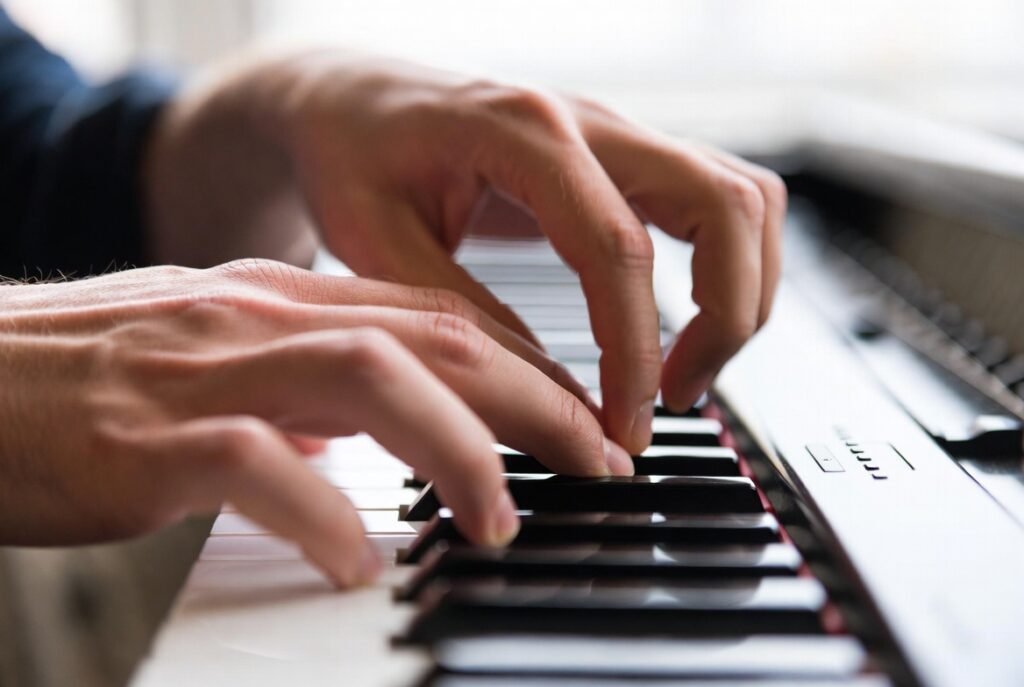
Playing an instrument requires the use of fine finger or breath control. These motions enhance synchronization between the motor planning and execution. Research relates the fine motor activity to improved mental results in adulthood. Recurrent coordination activities favor neural effectiveness concerning planning and execution.
Stress Regulation Supports Mental Clarity

Musical playing and singing promote the peaceful breathing patterns. Regulated breathing reduces stress reactions. Reduction of stress enhances focus and recall during complicated activities. By reducing mental strain, mental performance is sustaining since they are able to think more effectively during their daily activities.
Social Interaction Strengthens Engagement
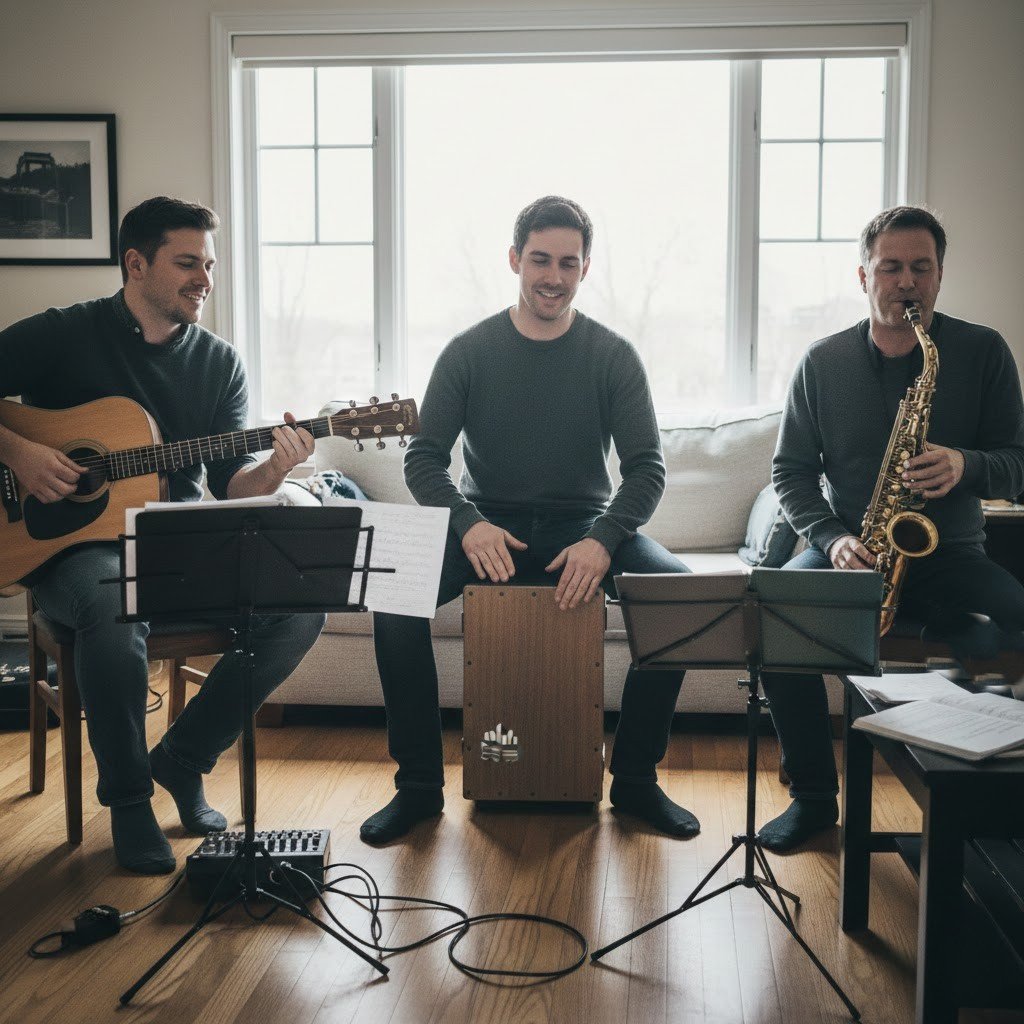
Social structure is brought in by group singing or ensemble playing. Social interaction connects with enhanced cognitive resiliency. The practice routines are shared, promoting both accountability and routinely. These social factors favour brain stimulation more than solo practice.
Learning New Material Builds Cognitive Reserve

Music learning introduces unfamiliar patterns and skills. This novelty challenges existing mental routines. Cognitive reserve grows through repeated learning experiences. A stronger reserve supports mental flexibility during aging and daily problem solving.
Routine Encourages Consistency

The practice of music tends to have a schedule. Habits are enabled by regular practices. Stable performance in various tasks is assisted by regular mental exercise. Regular practice hours help to minimize decision fatigue, which conserves mental resources in areas of other duties.
Accessible Across Skill Levels

Music activities adapt to many ability levels. Simple singing exercises or basic instruments provide cognitive engagement without technical barriers. This accessibility supports long term participation. Ongoing participation sustains mental stimulation through manageable progression.
