
Comments have switched to dark chocolate because of naturally occurring compounds that are associated with cell health. A compound that is similar to caffein is associated with reduced biological aging markers. The presence of observational studies and lab evidence indicates quantifiable impact on inflammation management, signal of cellular recovery, and stability in metabolism. These conclusions make dark chocolate interesting in the field of nutrition aging studies, at least under moderate and regulated intake.
Caffeine-Like Substances Dark Chocolate Contains
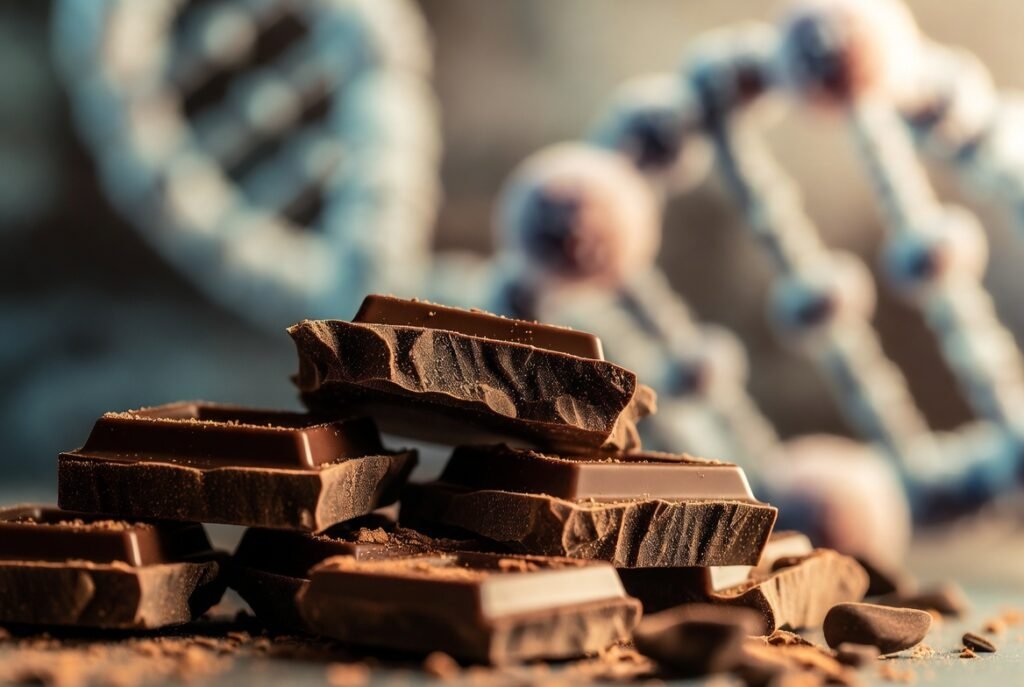
Dark chocolate has methylxanthines that consists of theobromine that has the same structural similarity with caffeine. Theobromine is less stimulant and has a prolonged metabolite stability. Research anticipates quantifiable modifications in vascular tone and cellular signaling pathways linked to the processes of aging and in particular in the mitochondrial activity and oxidative balance.
Explaining Biological Aging in terms of measurable Markers

Biological aging is not the same as chronology age and is dependent on the biomarkers of DNA methylation, inflammation status, and metabolic efficiency. Aging clocks involve blood-based studies that track the markers using research teams. Reduced biological aging is associated with reduced chronic disease risk and enhanced functional outcome among adult populations.
Effects on Controlling Inflammation

Persistent inflammation leads to tissue deterioration in old age. Population studies are associated with lower inflammatory markers including C-reactive protein in dark chocolate compounds. Lowered inflammation aids in repair processes of tissues and metabolic regulation associated with a decreased rate of biological aging.
Mitochondrial Role in Efficiency

Mitochondria control the production of energy and aging rate. Theobromine consumption is linked with enhanced mitochondrial signalling effectiveness in preclinical models. Effective mitochondria slow down the cellular accumulation of waste which correlates with slower decline in functional abilities across organ systems.
Patterns of Doses in Studies

Research lists the advantages associated with moderate consumption of dark chocolate, usually 20 to 40 grams in a day. Increased consumption is associated with overexposure to calorie and sugar. Controlled portions keep the exposure of compounds but without metabolic overload.
Quality factors of Dark Chocolate

Increase in cocoa level increases the concentration of theobromine. The products that contain more than 70 percent cocoa are more dense in compounds and contain a lower amount of sugar. The flavonoid preservation is also affected by the processing methods and it reacts with theobromine during the cellular modulation of response.
Demographic Statistical Data and Observations

Huge cohort studies relate frequent intake of dark chocolate to preferable getting old biomarkers. Following the adjustment of the lifestyle factors, data indicate a less rapid acceleration of biological age in consistent consumers. Such relationships reinforce the belief in effect-specific associations, but not dietary patterns.
Applied Dietary Integration
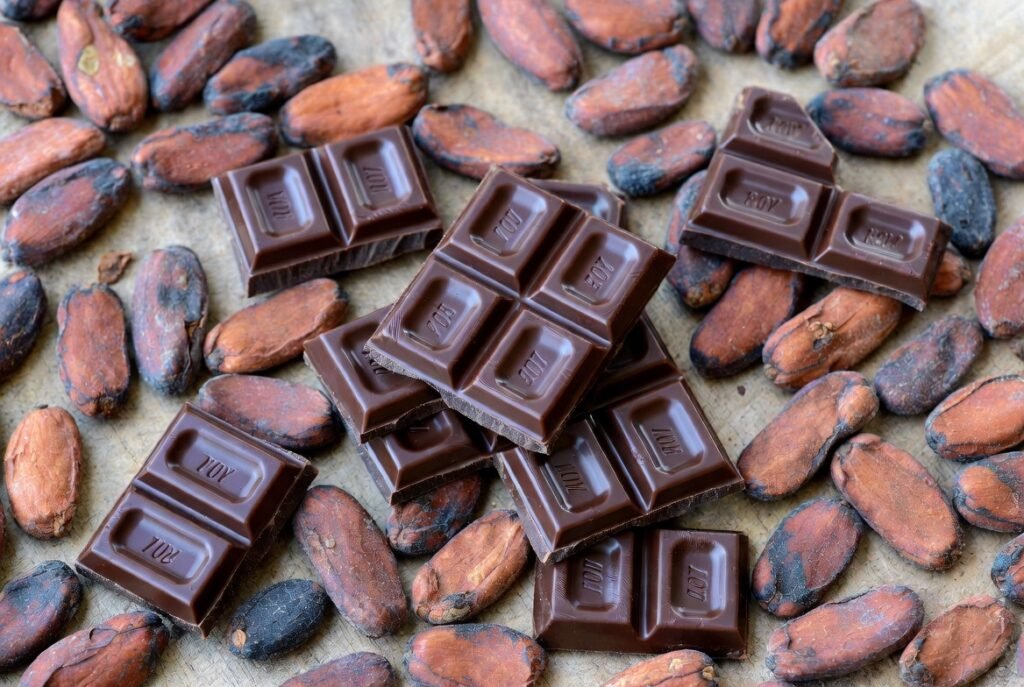
A balanced diet should have inclusion in support of consistent exposure to compounds. When dark chocolate is combined with low glycemic meals, glycemic spikes decrease. Timing is frequently used as opposed to infrequent use, which is more consistent with known aging markers stability in longitudinal data.
