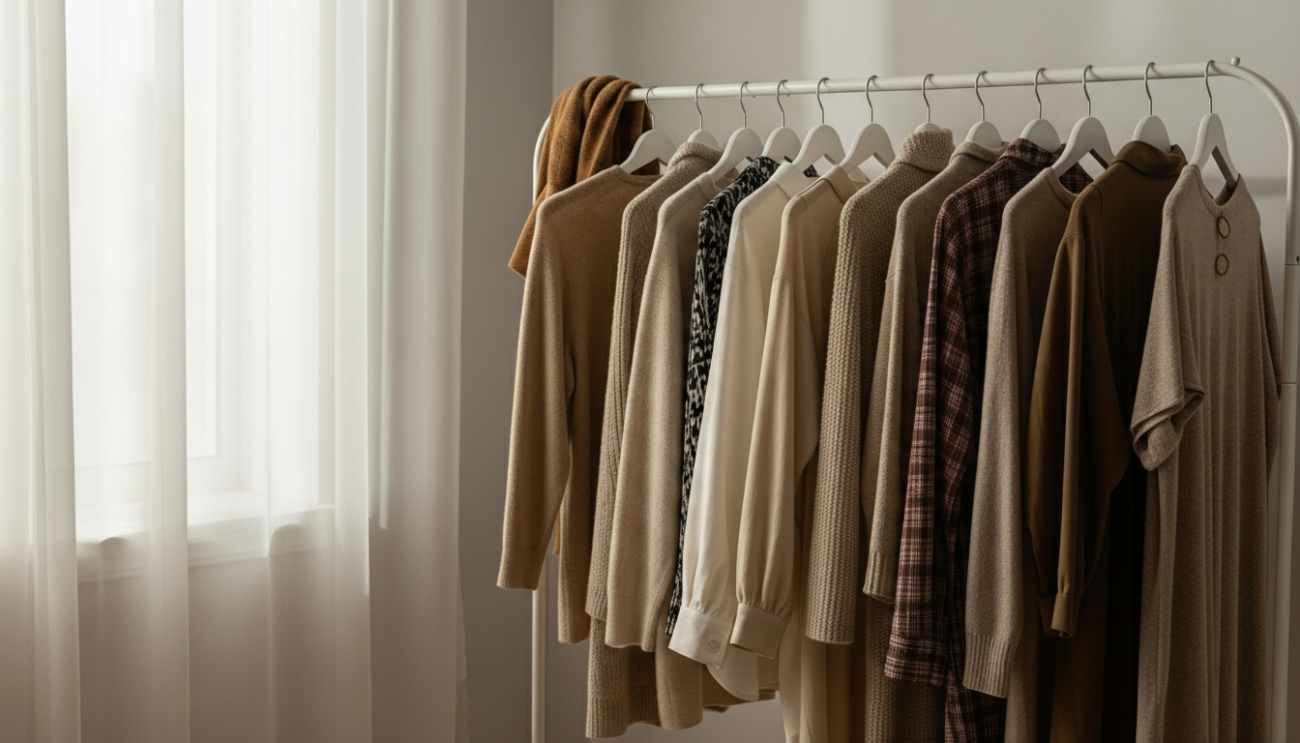
A rushed morning often starts with indecision around clothing. A repeat focused wardrobe reduces decision time and supports consistent appearance. The approach relies on planned pieces, stable colors, and clear outfit formulas. Research on decision fatigue shows fewer daily choices support focus later in the day. A repeat wardrobe applies structure without limiting personal style. The result supports speed, comfort, and predictable results across workdays.
Define a Narrow Color Range
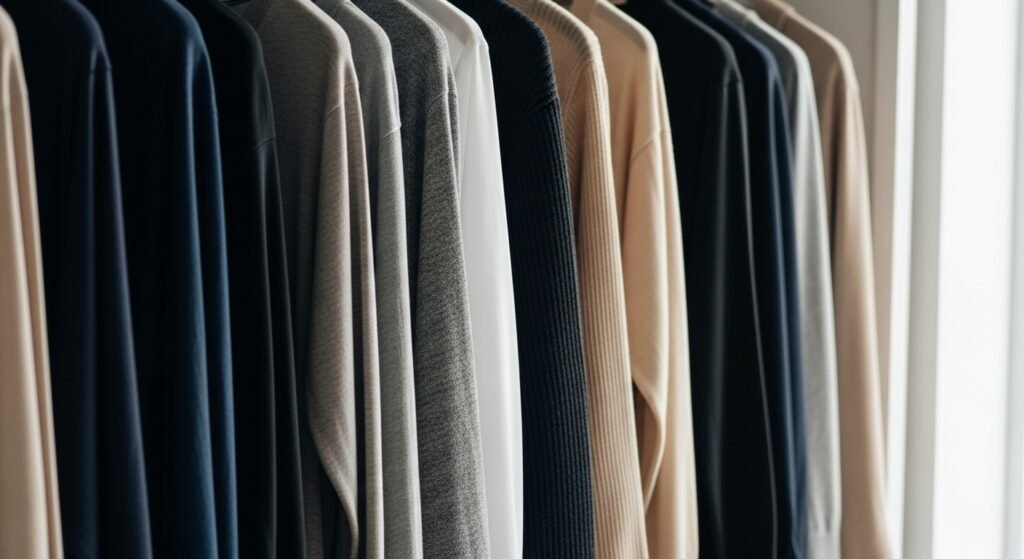
A limited color range reduces matching effort. Neutrals such as navy, grey, beige, and black pair across seasons. One or two accent colors add variety without complexity. Stylists report wardrobes built around five core colors cut outfit selection time by half. Consistent tones support repeat wear without visual fatigue.
Select Reliable Silhouettes
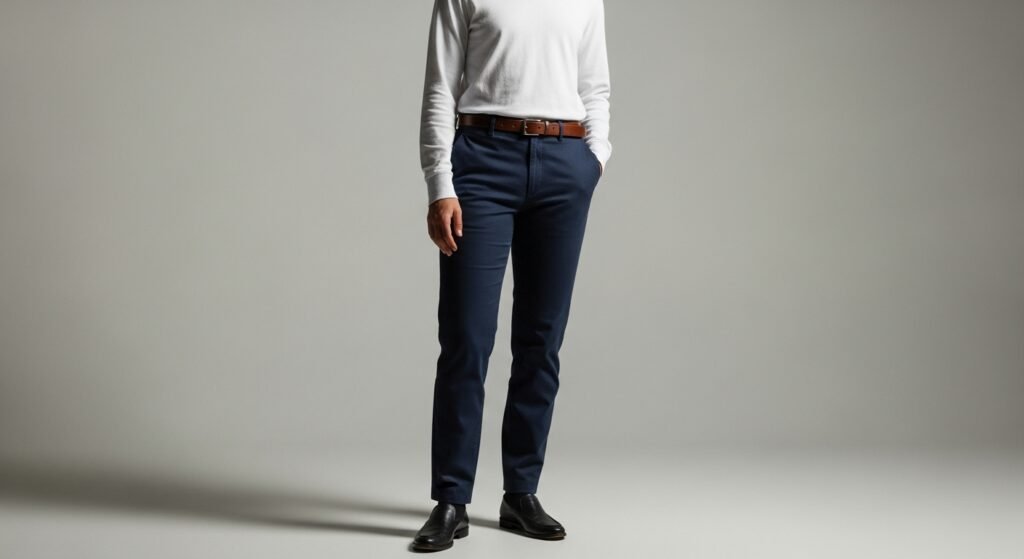
Consistent silhouettes remove fit uncertainty. A wearer benefits from shapes proven through frequent use. Straight leg trousers, fitted tees, and simple outer layers support balance across settings. Clothing brands track best sellers through return rates and repeat purchases. Reliable silhouettes show lower return rates due to predictable fit and comfort.
Build Outfit Formulas
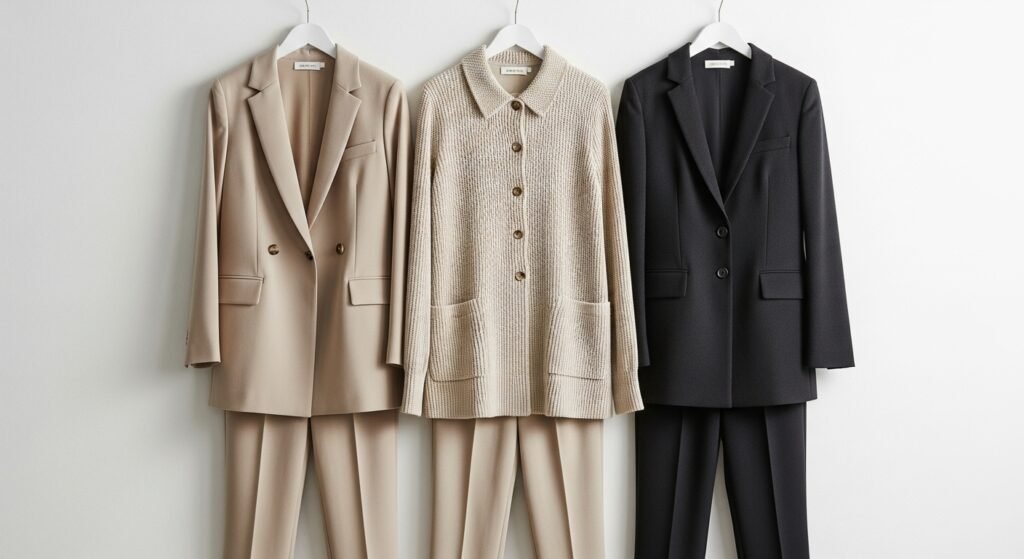
An outfit formula uses the same structure with small variations. Examples include shirt plus trousers plus jacket or knit top plus skirt plus flats. A formula removes guesswork during early hours. Personal stylists recommend three to five formulas for weekly rotation. Repetition supports speed without monotony.
Prioritize Fabric Performance
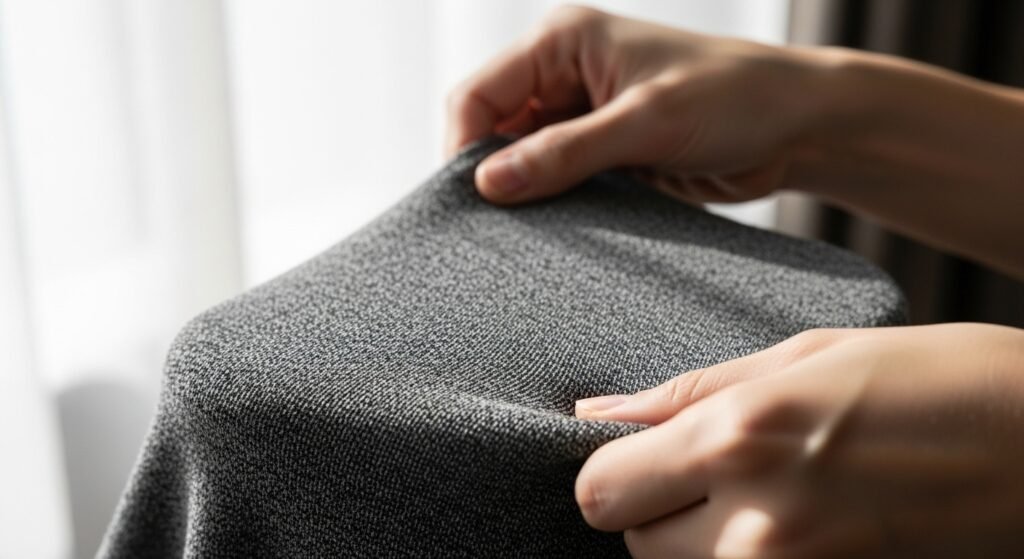
Fabric choice affects comfort and longevity. Natural blends with stretch hold shape through repeated wear. Breathable materials support temperature control across long days. Textile studies show high quality cotton blends last longer under frequent washing. Performance fabrics reduce replacement frequency and lower overall wardrobe volume.
Limit Footwear Options
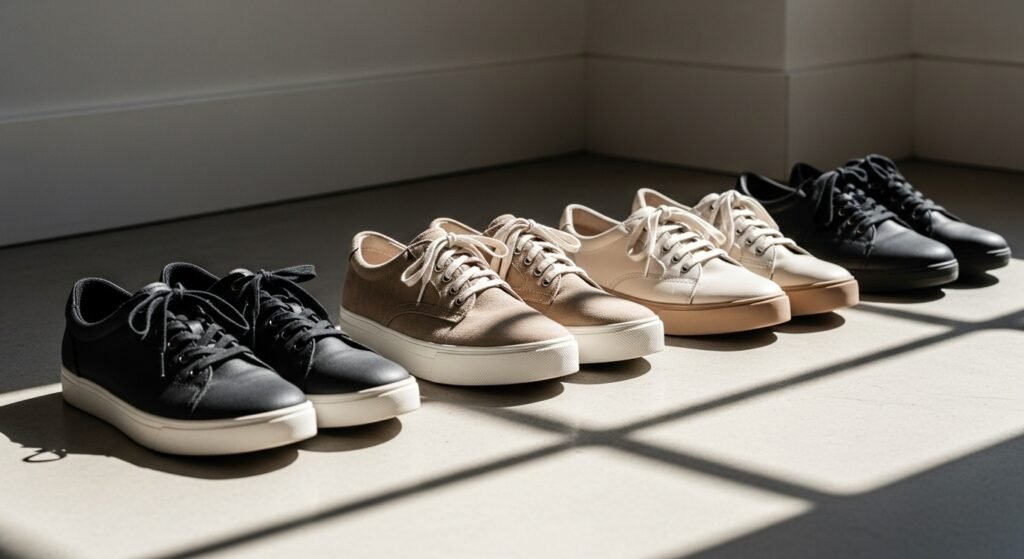
Footwear influences posture and outfit tone. A small rotation of versatile shoes supports repeat use. Neutral sneakers, loafers, and ankle boots cover most daily needs. Retail data shows buyers rotate three primary pairs during workweeks. Fewer options reduce storage needs and maintenance time.
Focus on Layering Pieces
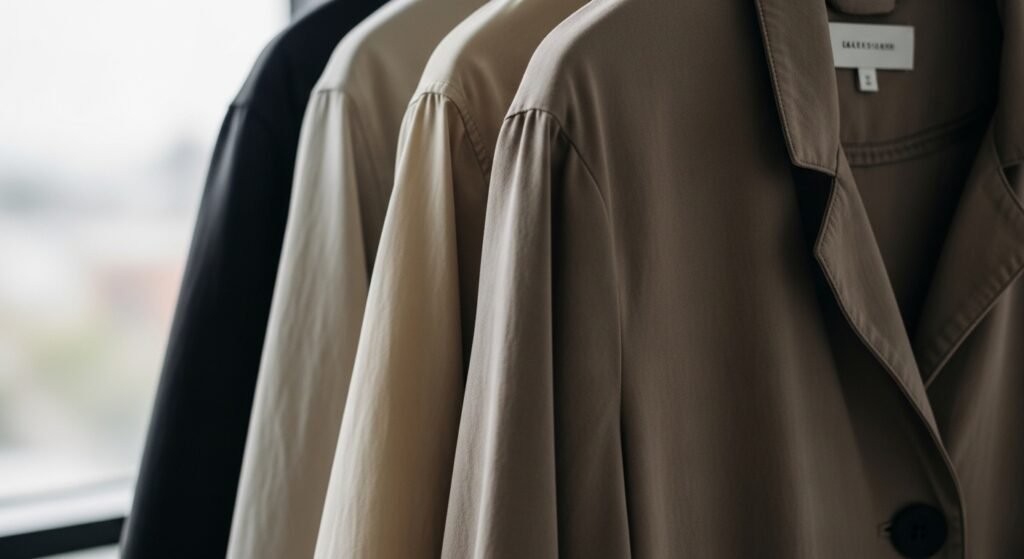
Layering pieces extend outfit range. Lightweight jackets, cardigans, and structured shirts adjust outfits across weather changes. These pieces anchor repeat looks without visual repetition. Wardrobe audits often reveal outer layers receive the highest wear counts. Strategic layers increase outfit combinations without adding bulk.
Adopt a Weekly Rotation
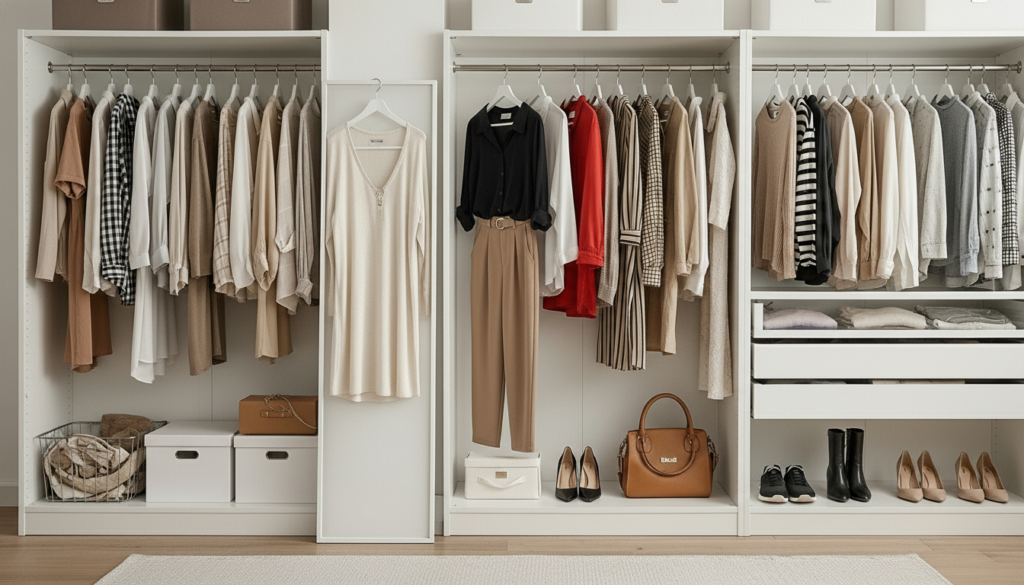
A weekly rotation assigns outfits to specific days. This system removes daily choice pressure. Office professionals using planned rotations report shorter morning routines. A set rotation also highlights gaps early. Missing items appear through use patterns rather than impulse shopping.
Maintain Fit Consistency

Fit consistency supports confidence. Tailoring ensures repeat pieces sit correctly every time. Ill fitting clothing disrupts routine and slows mornings. Alteration studies show minor tailoring extends garment use by several years. Consistent fit reduces the urge for unnecessary replacements.
Control Wardrobe Volume
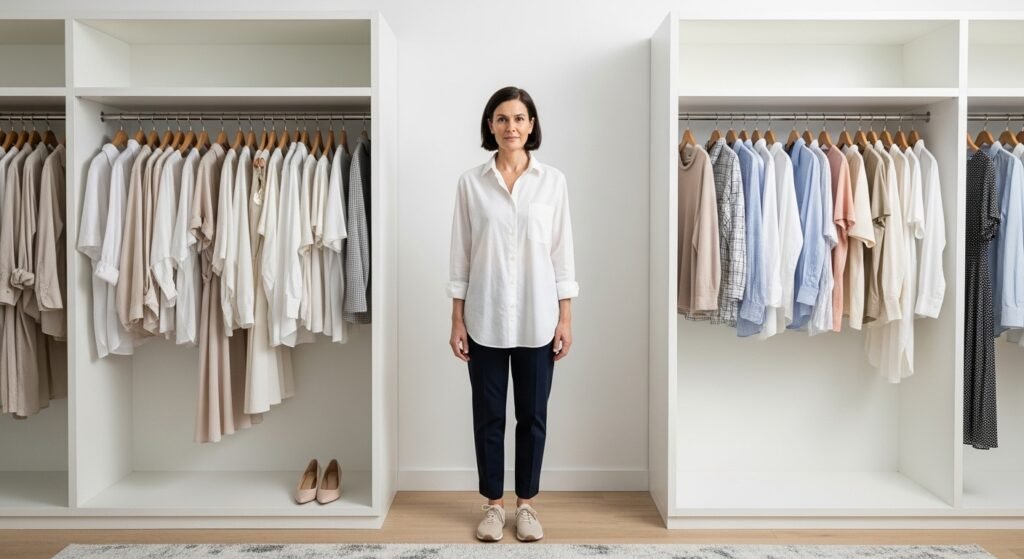
A controlled wardrobe size improves clarity. Excess options increase sorting time. Productivity research links fewer choices with faster task completion. Many capsule wardrobes operate within thirty to forty pieces. This range supports variety while preserving ease of selection.
Review and Adjust Monthly
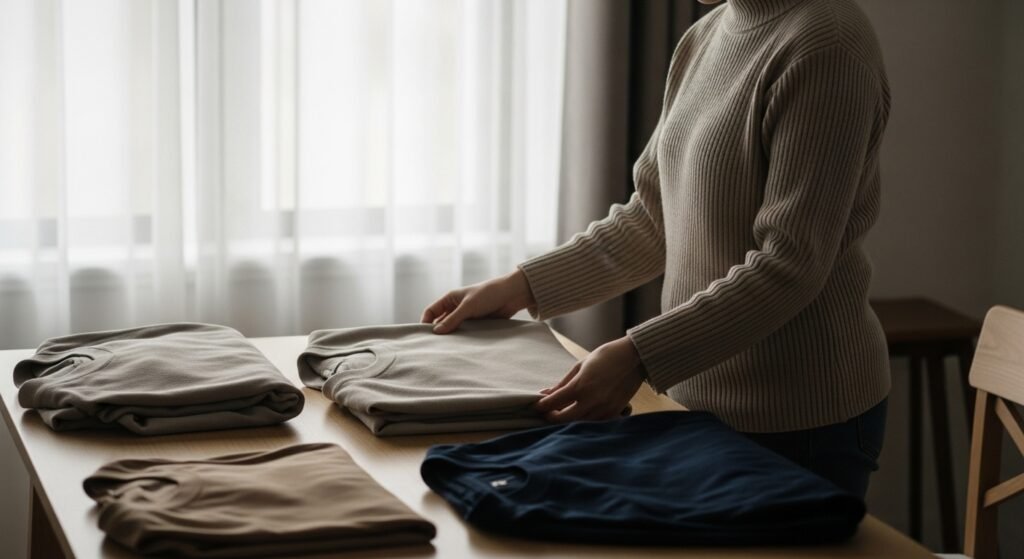
A monthly review keeps the system functional. Wear tracking highlights underused items. Unworn pieces signal poor fit or poor alignment with routine. Wardrobe planners recommend monthly reviews
