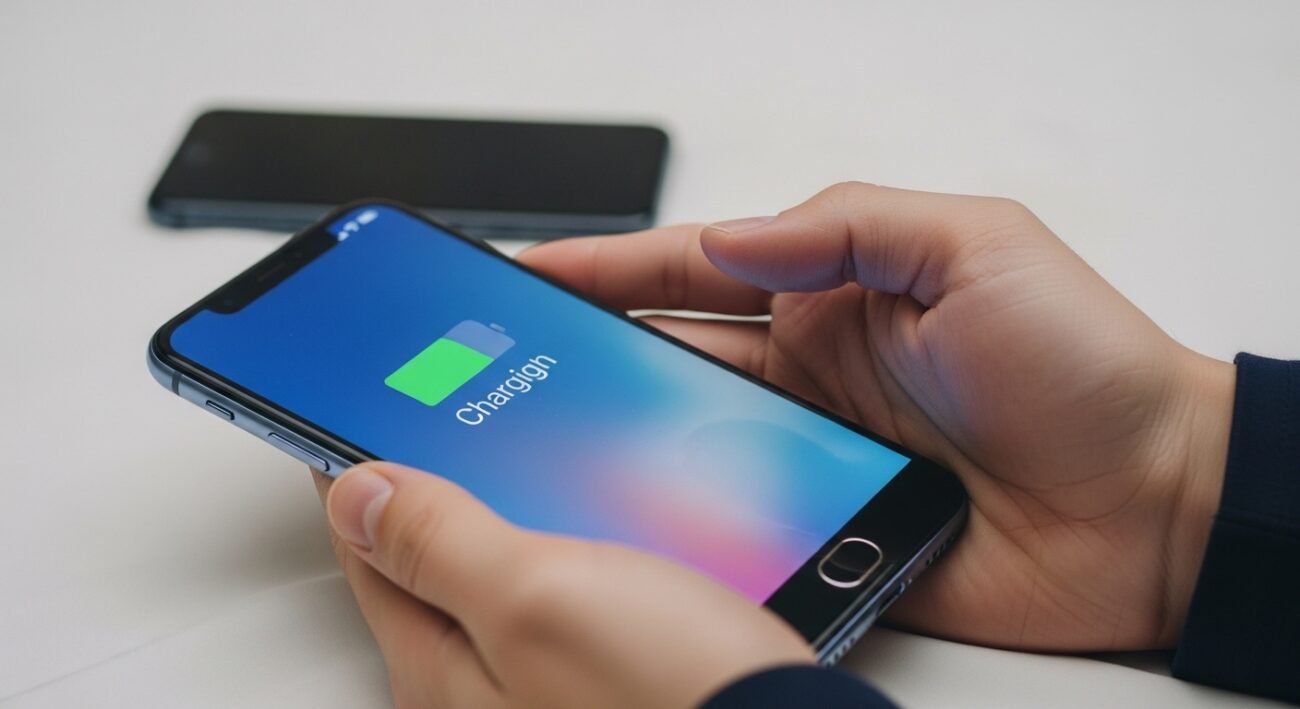
The majority of people share the same bedtime routine because they charge their phones overnight to ensure their devices reach full power when morning arrives. The practice is easy to follow but it represents the most harmful method for extending your device’s lifespan. Modern smartphones have Lithium-ion batteries which become sensitive to heat and high voltage conditions. The process of charging your phone for eight consecutive hours creates battery stress which results in battery damage that occurs three times faster than its normal aging process.
The “Trickle Charge” Cycle
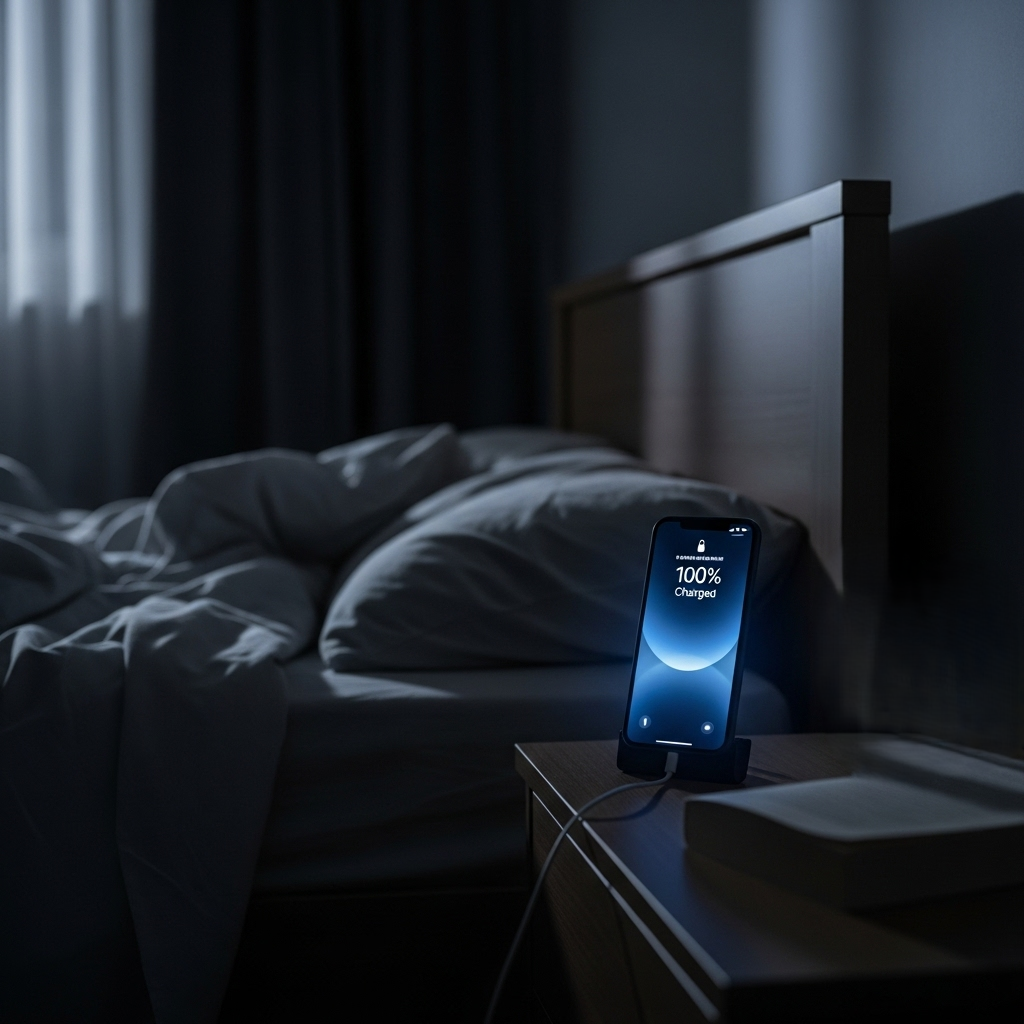
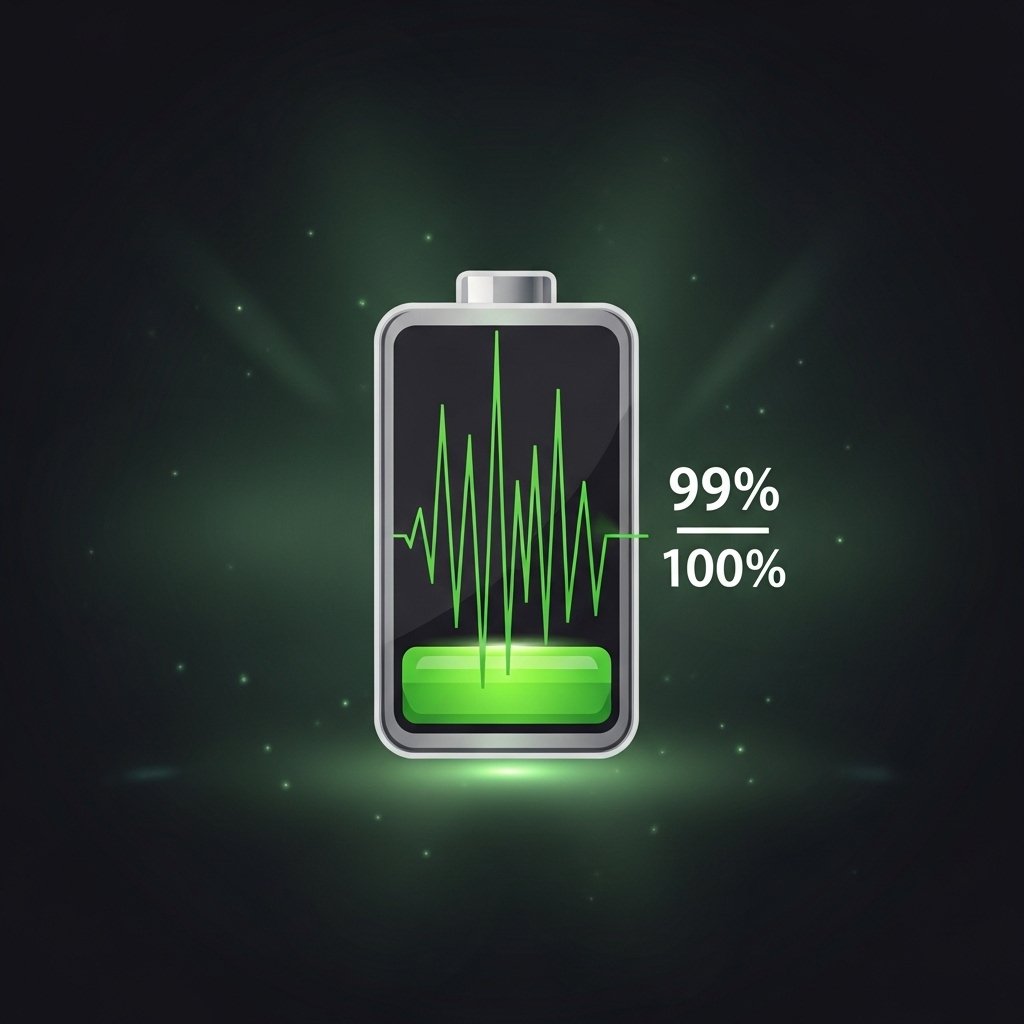
The charging process continues after your phone reaches its maximum charge of 100% because the charger maintains power to the device. The system switches to “trickle charging” mode when the battery level falls to 99% which enables the system to sustain power to the battery at all times. The battery experiences ongoing power cycling between 99% and 100% which keeps it in a state of elevated stress that gradually deteriorates its chemical composition.
The Danger of “High Voltage”
Batteries function best when they experience no tension because they operate like rubber bands. A battery at 100% capacity functions like a rubber band that has reached its maximum extension. The process of keeping the battery at 100% throughout the night leads to direct physical damage that shortens the battery’s lifespan.
Heat is the Silent Killer
The process of charging a device creates heat. A phone will become warm when it remains plugged in overnight especially when it is placed under a pillow or on a soft mattress. The heat from the environment makes the battery chemicals break down at an accelerated rate which results in your phone experiencing “sluggish” performance and faster battery drain after charging overnight for one year.
“Optimized Battery Charging” Features
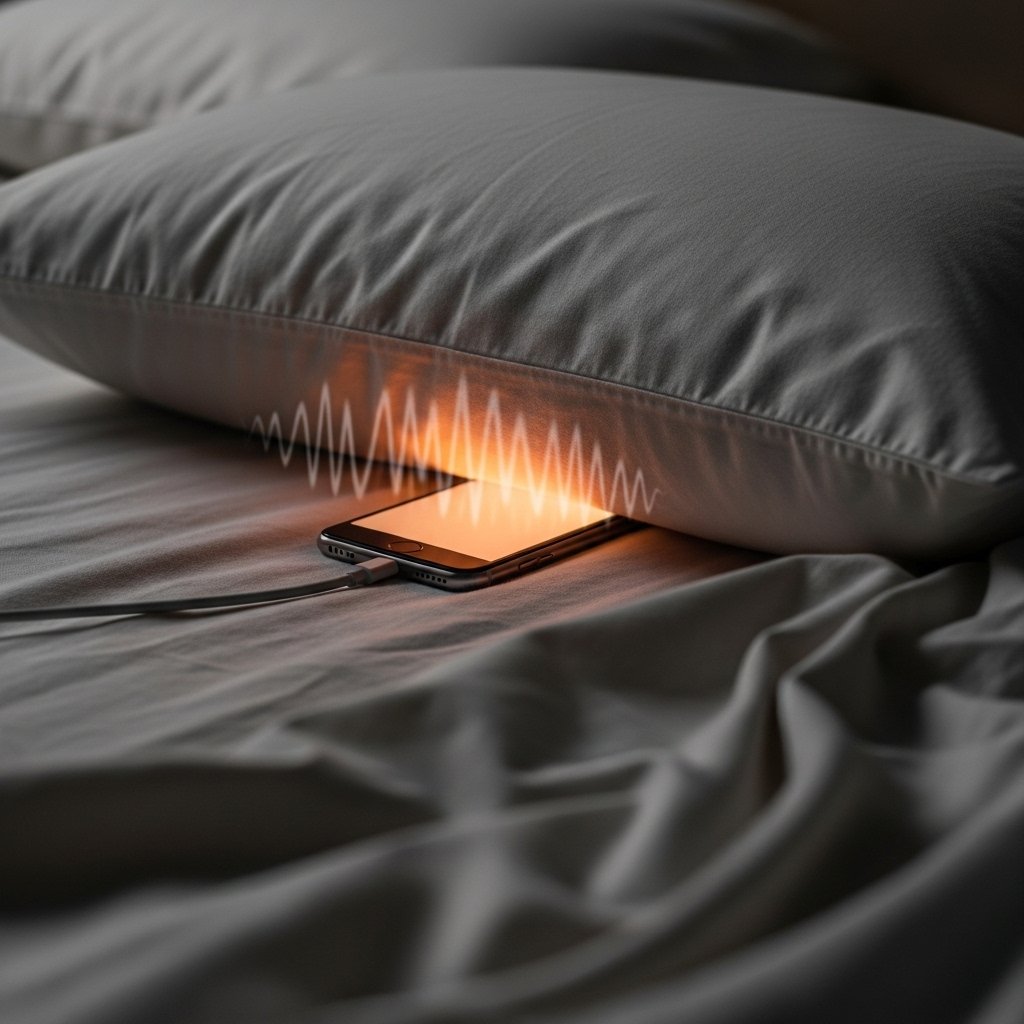
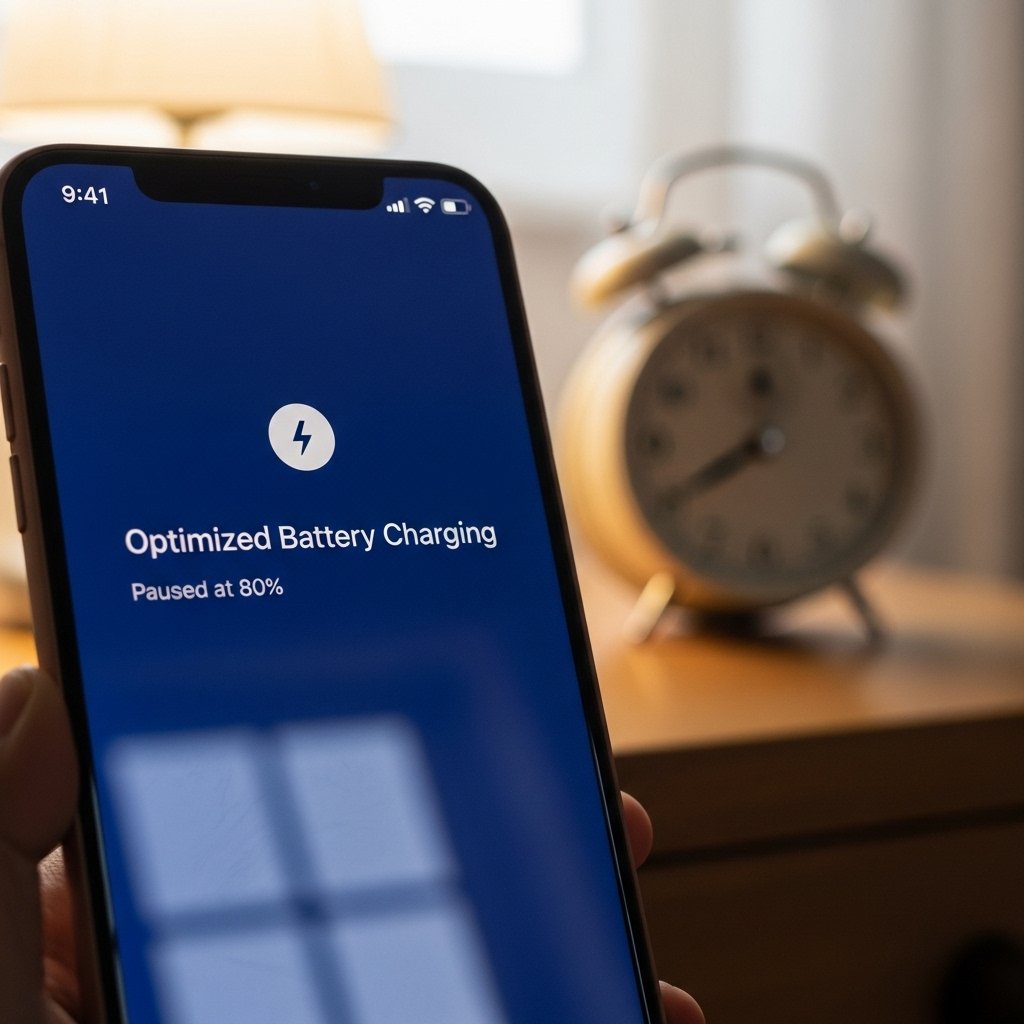
Modern iPhones and Android devices contain a built-in function that operates under the name “Optimized Battery Charging .” Your phone uses this feature to learn your daily activities because it charges to 80% and holds that charge until the alarm time arrives to complete the final 20% charge. The battery sustains high voltage levels for shorter time periods because this system operates at high voltage.
Avoid Using the Phone While Charging
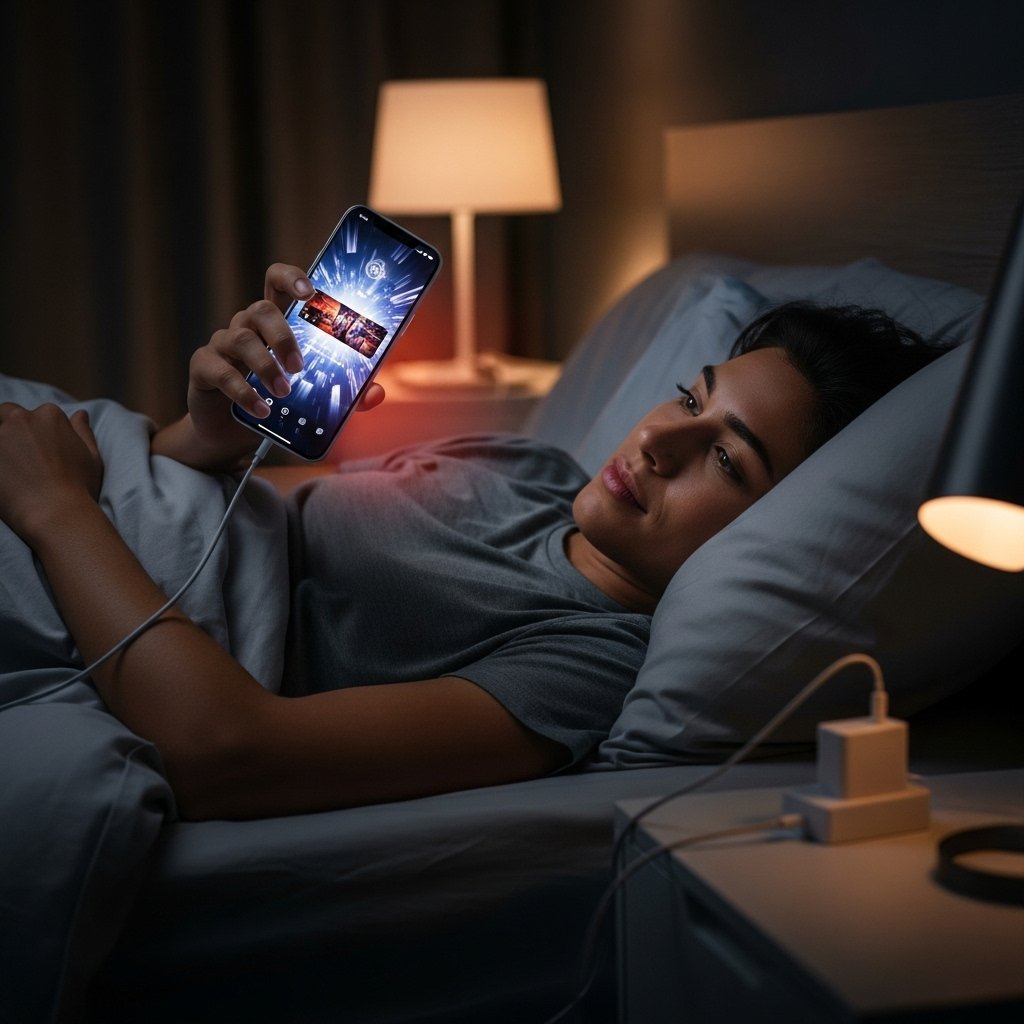
Video watching or game playing creates “parasitic loads” which you produce when you charge your phone at night and use your device. The battery confusion arises because the device attempts to accomplish both activities at the same time which creates additional heat that damages the battery cell areas.
Remove Heavy Cases
The thick and durable cases prevent heat from escaping out of the case. The only option you have for overnight charging your phone requires you to remove the phone case. The device maintains its cool state which prevents chemical breakdown from occurring because heat remains confined inside the device.
Use Original or Certified Cables
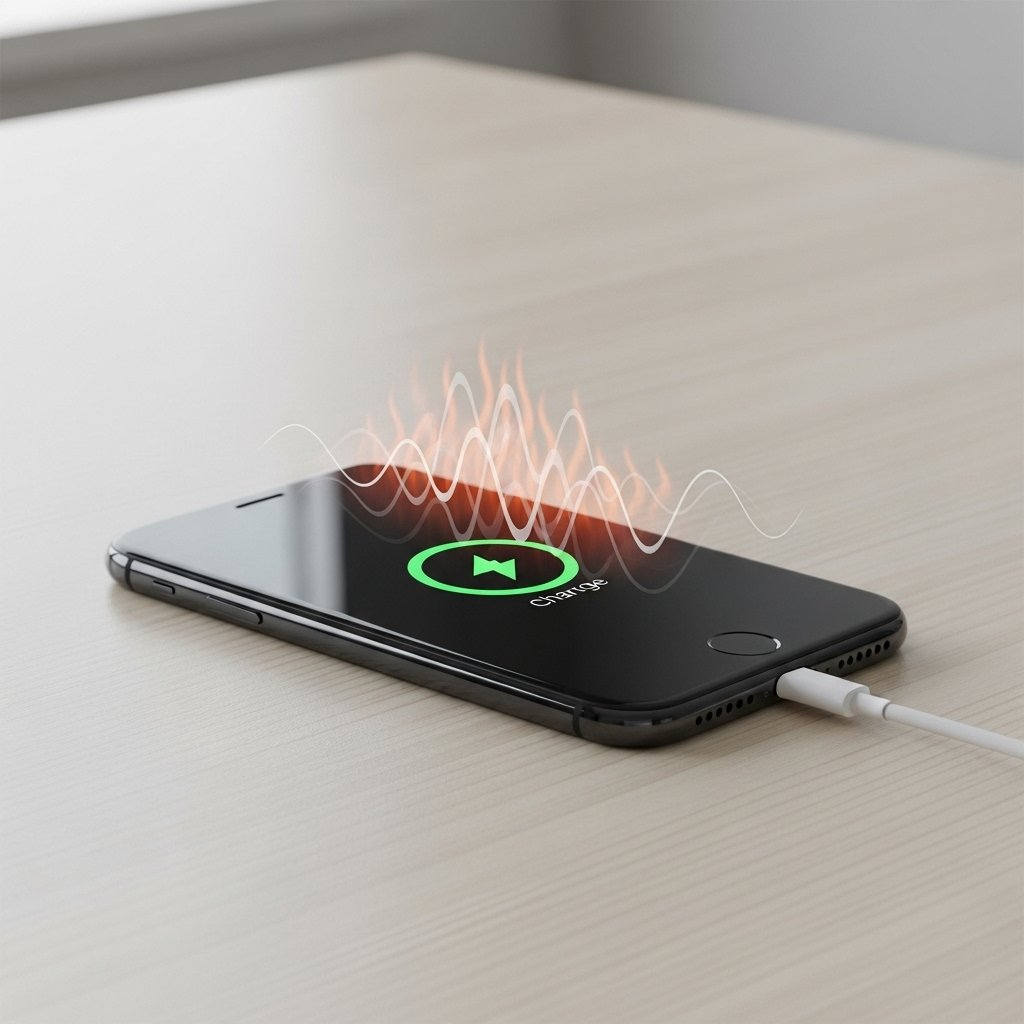
The absence of safety chips in cheap and uncertified charging cables makes them incapable of controlling voltage levels. A low-quality charging cable can deliver excessive power to your device which results in overheating that damages both the charging port and battery components.
Don’t Let it Hit Zero
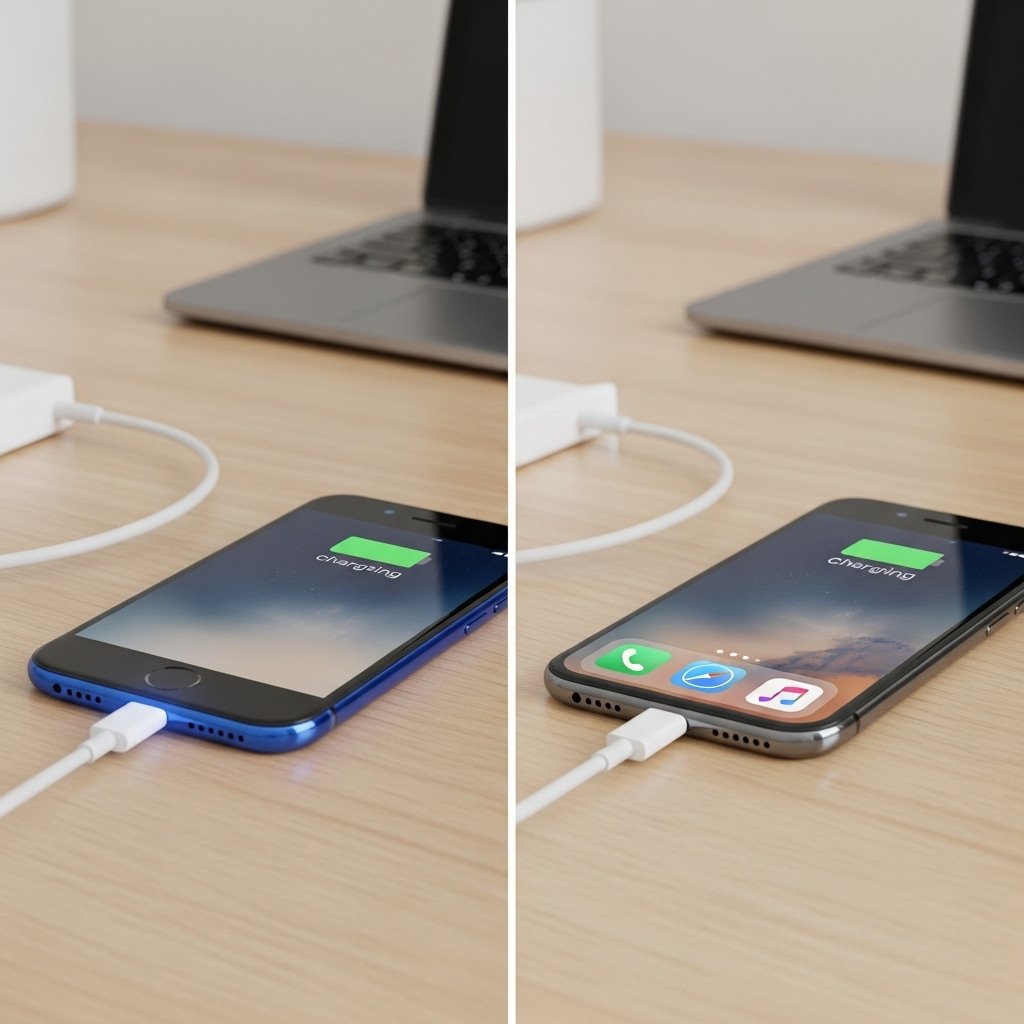
The battery reaches its most critical condition at 0% because both 100% and 0% capacity result in identical damage to the battery. The battery enters a “deep discharge” state which prevents the battery from retaining power in the future. You should connect the device to power once it reaches the 20% battery level.
The Myth of “Battery Memory”
Old-fashioned batteries required users to completely empty their batteries before recharging to full power so the device could recognize its full power capacity. Modern phones do not have this issue. You don’t need to “cycle” the battery in fact smaller frequent charges are much better for the modern tech in your pocket.
Fast Charging vs. Slow Charging
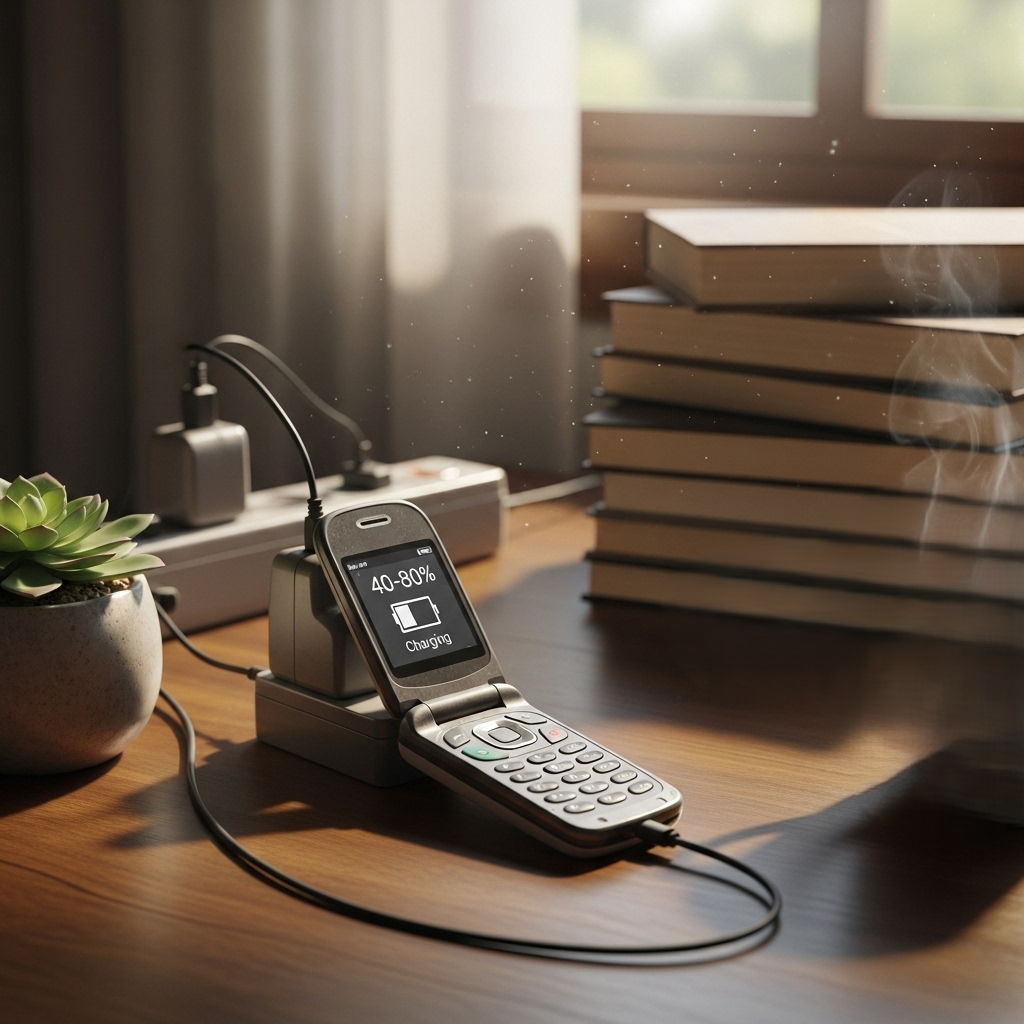
Fast chargers are useful for urgent situations because they produce high levels of heat . You should use an “older” slow charger because it generates less heat. The slower charging process will maintain battery health because it takes eight hours to charge the battery with cooler charging methods.
