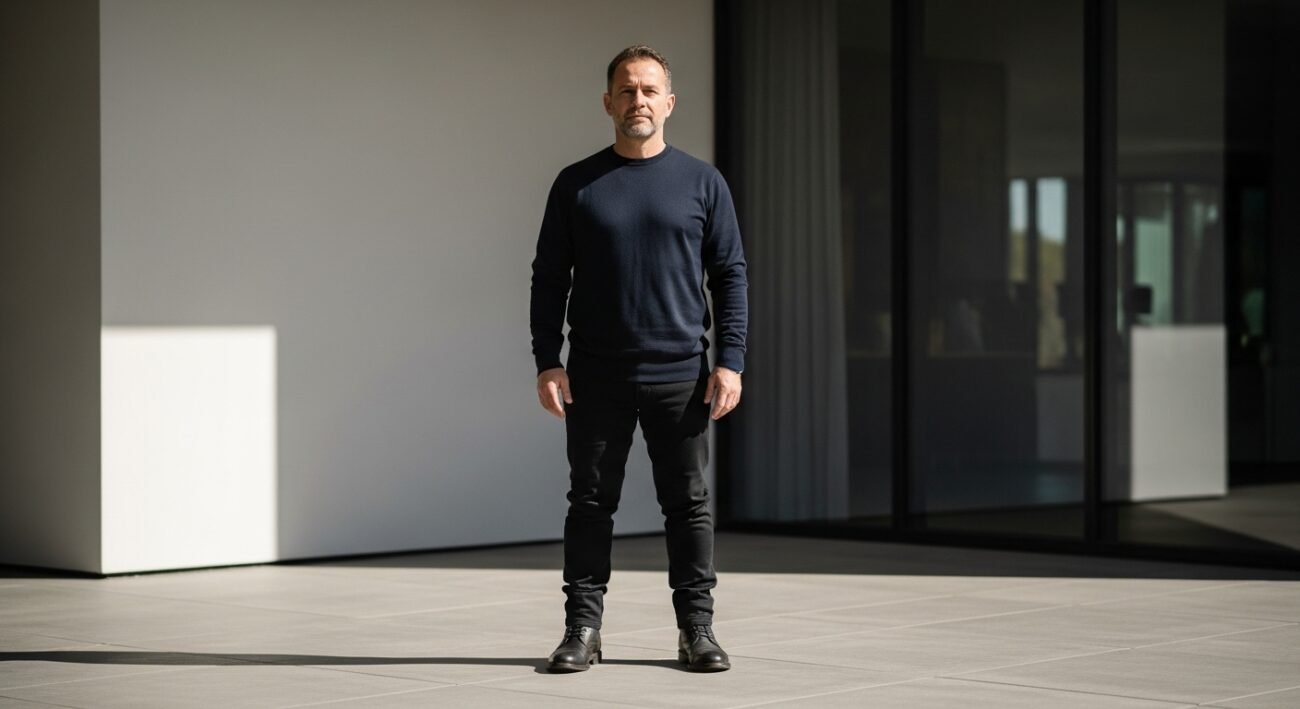
Boot choice shapes visual proportion for shorter men. Footwear influences posture, leg line, and overall balance. The right structure supports a cleaner silhouette during work and casual wear. This article explains boot styling through fit, color, and design choices. Each section offers direct guidance grounded in clothing principles and everyday examples, with a focus on proportion rather than trends.
Choose a Slim Boot Profile
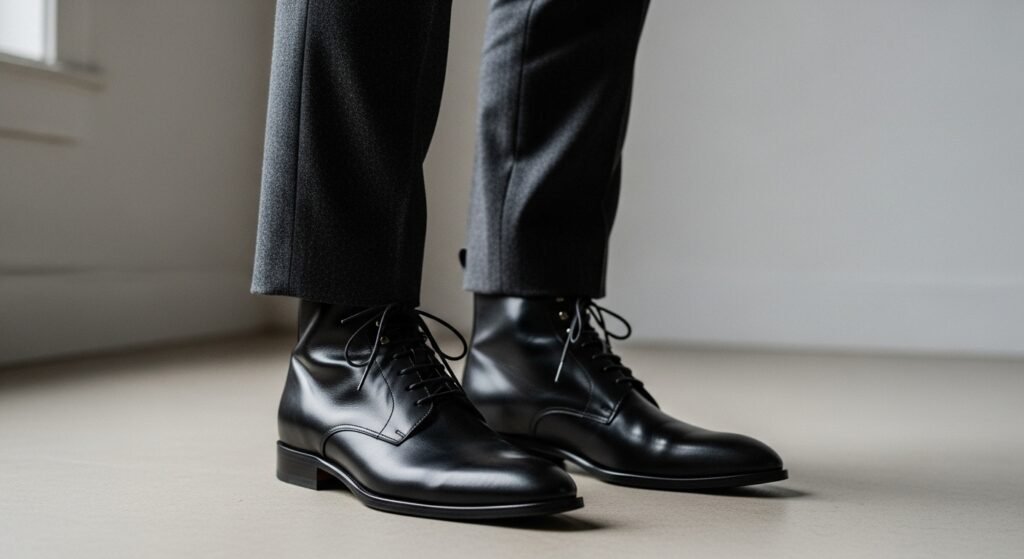
A slim boot profile supports a longer leg line. Narrow shafts and tapered toes reduce bulk around the ankle area. Heavy padding and wide fronts shorten visual height. Retail data from menswear stores shows higher satisfaction rates for narrow lace up boots among shorter buyers due to improved balance.
Favor Low Contrast Between Boot and Pants
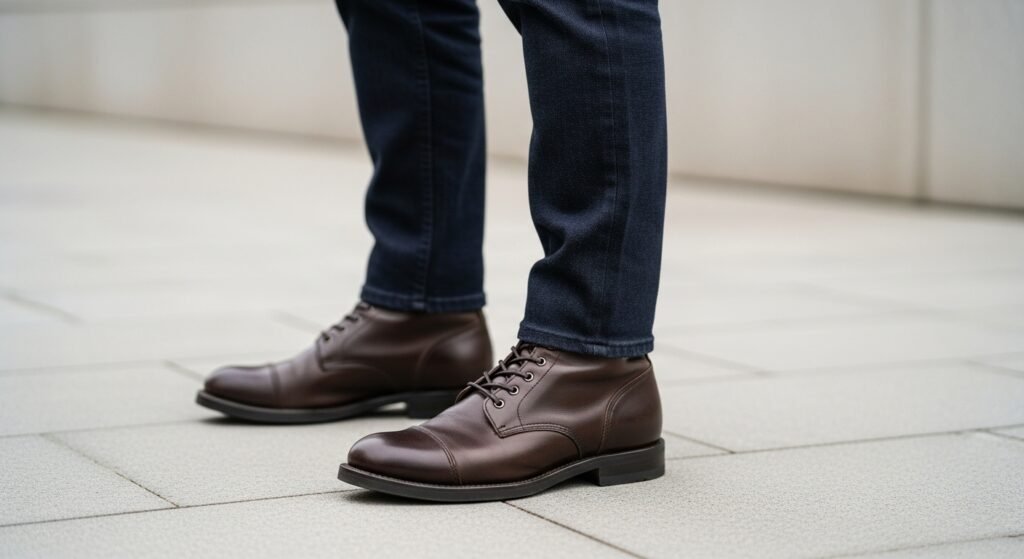
Low contrast between boots and pants maintains a continuous vertical line. Dark brown boots paired with dark denim serve as a practical example. High contrast combinations break the line at the ankle. Stylists often recommend matching boot shade within one tone range of pants color.
Prefer Slight Heel Elevation
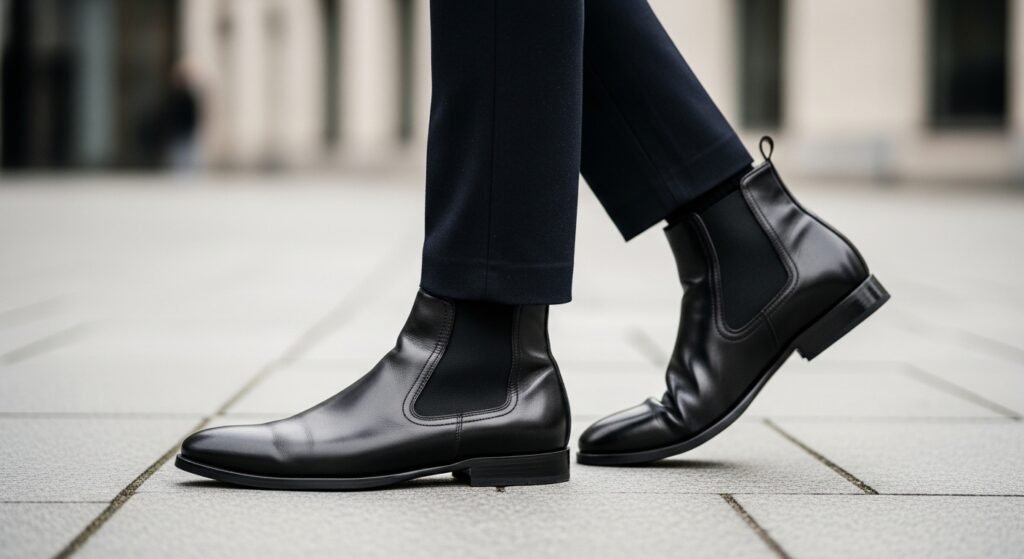
A subtle heel adds height without drawing attention. Heel height between one and one point five inches supports posture and leg length. Western work boots often exceed this range and disrupt balance. Everyday boots with modest elevation align better with proportional dressing standards.
Keep Shaft Height Controlled
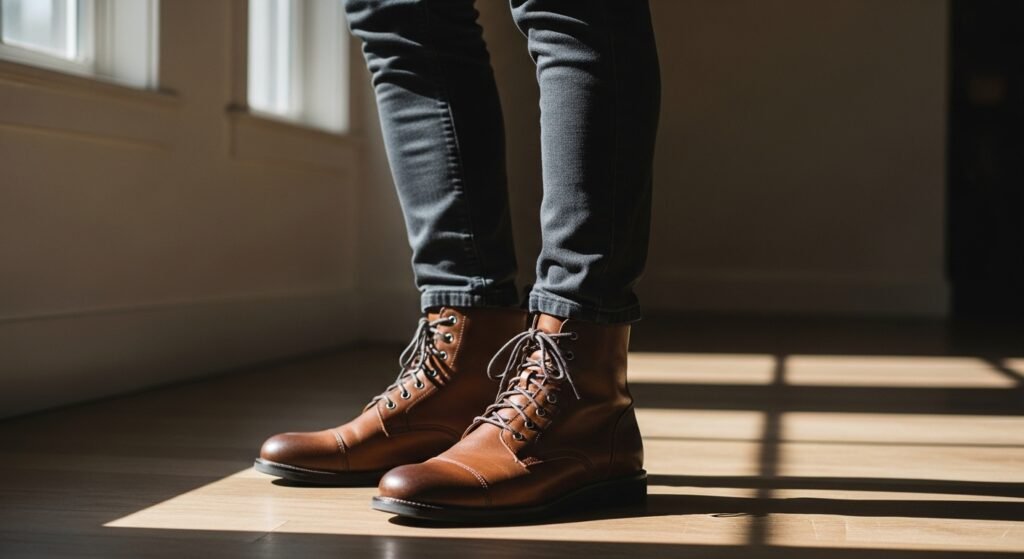
Mid ankle shafts offer structure without cutting the leg visually. High shafts shorten the lower leg area when paired with slim pants. Low shafts lose support and definition. Shoe fitting studies show ankle level shafts suit shorter frames across casual and semi formal settings.
Avoid Excessive Toe Length
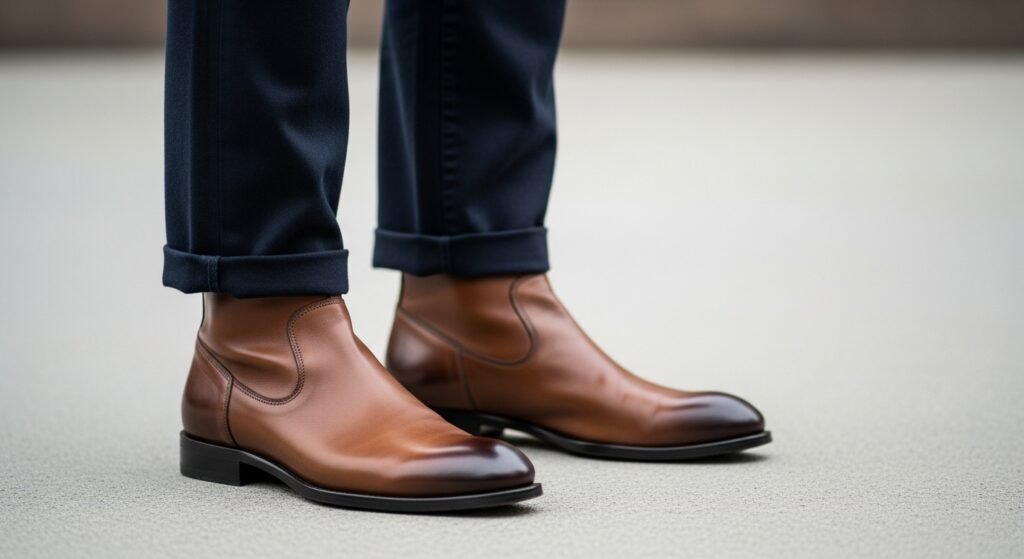
Extended or square toes project bulk forward. Rounded or almond toes align with natural foot shape and reduce visual weight. Boot makers report stronger sales of moderate toe shapes among men under average height. Balanced toe length supports clean alignment with pants hems.
Match Boot Style to Outfit Weight
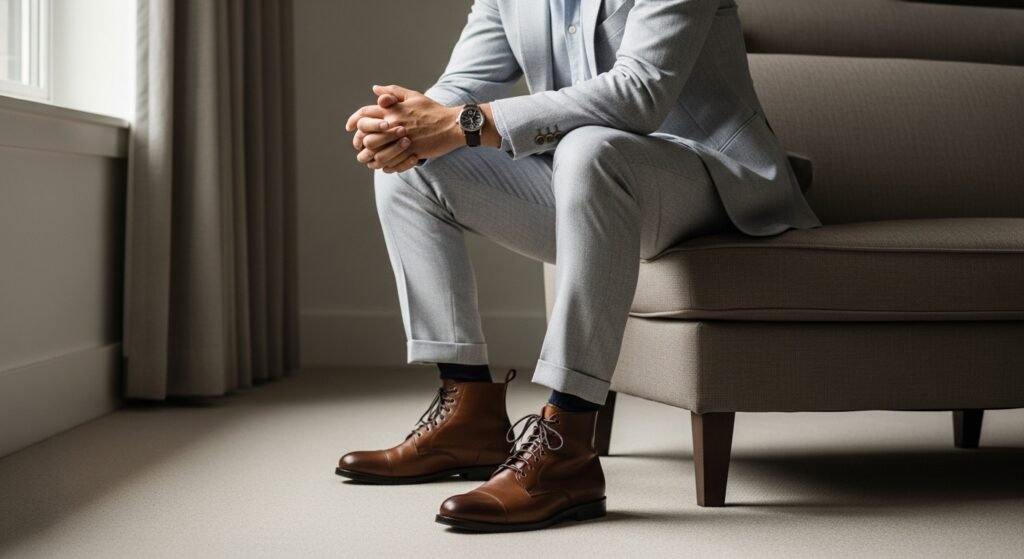
Light outfits pair better with refined boots. Heavy boots overpower slim jackets and tailored pants. Casual outfits accept rugged textures with restraint. Outfit cohesion depends on weight balance rather than brand or trend alignment. Visual harmony improves perceived height and structure.
Focus on Proper Pant Break
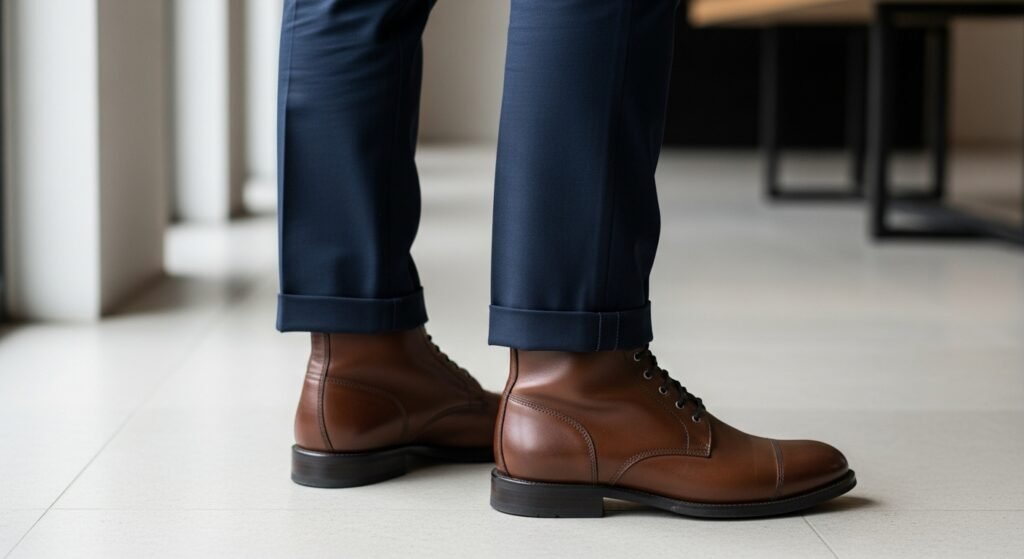
Pant break influences how boots present on the leg. Minimal or no break keeps fabric from stacking at the ankle. Excess stacking shortens leg appearance. Tailors often adjust inseams for boot wear, especially for men below average height.
Select Monochrome or Near Monochrome Looks
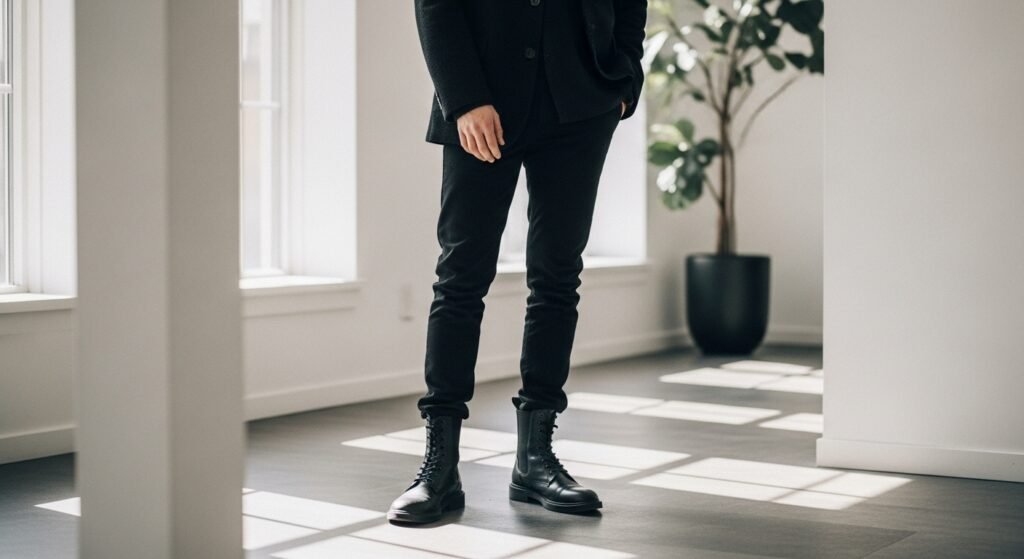
Single color outfits extend vertical flow. Black boots with black pants offer a clear example. Near monochrome outfits using close shades deliver similar results. Fashion surveys show monochrome dressing ranks high among shorter men seeking cleaner proportions.
Lace Up Boots Over Slip Ons
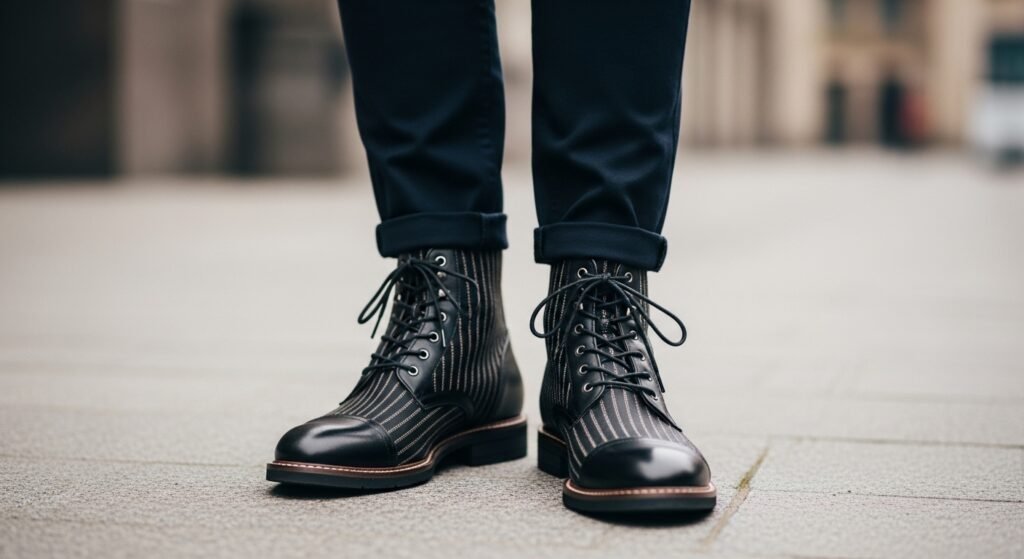
Lace up boots create vertical lines through the front structure. This detail directs attention upward. Slip ons lack this feature and emphasize foot width. Footwear design research highlights lace systems as supportive elements for proportion focused styling.
Maintain Boot Condition and Shape
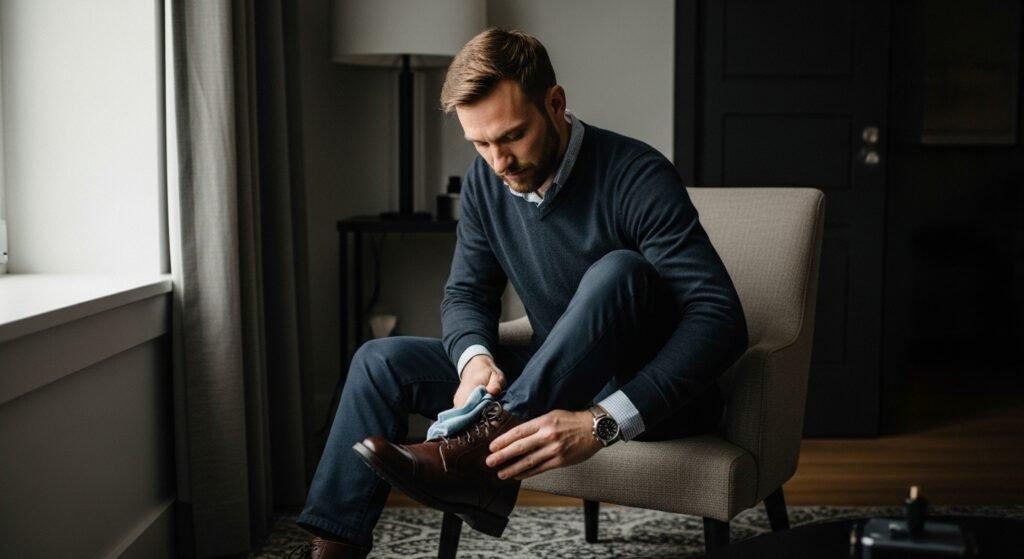
Worn soles and collapsed uppers distort proportions. Clean leather and firm structure preserve intended lines. Regular maintenance supports consistent appearance across outfits. Shoe care studies link upkeep with improved overall outfit perception, especially in professional environments.
