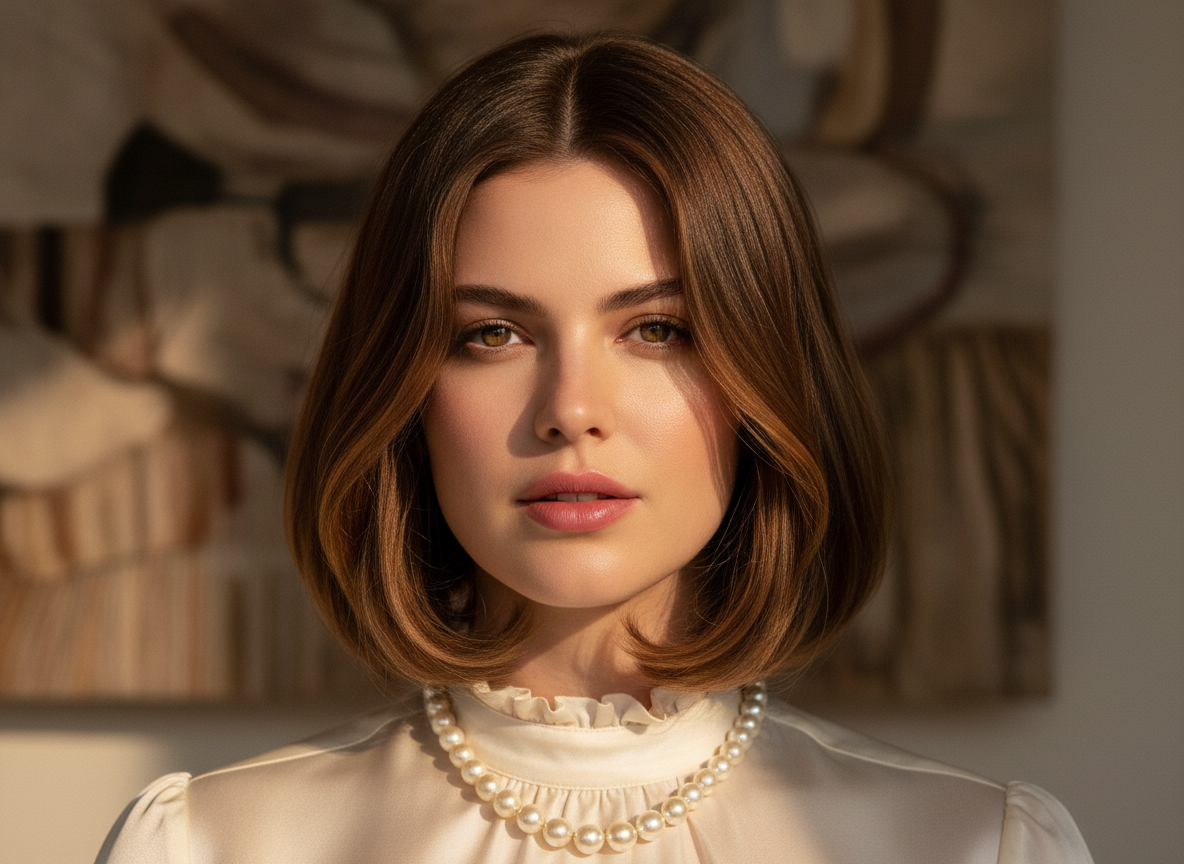
Face shape plays a central role in hairstyle outcomes. Curvy face shapes often show fuller cheeks and softer jawlines. Hair length affects balance, proportion, and visual structure. Stylists frequently recommend the long bob, known as the lob, for this face type. The following sections explain why shorter, structured lengths outperform longer styles through measurable design principles and salon level observations.
Balanced proportions through length control
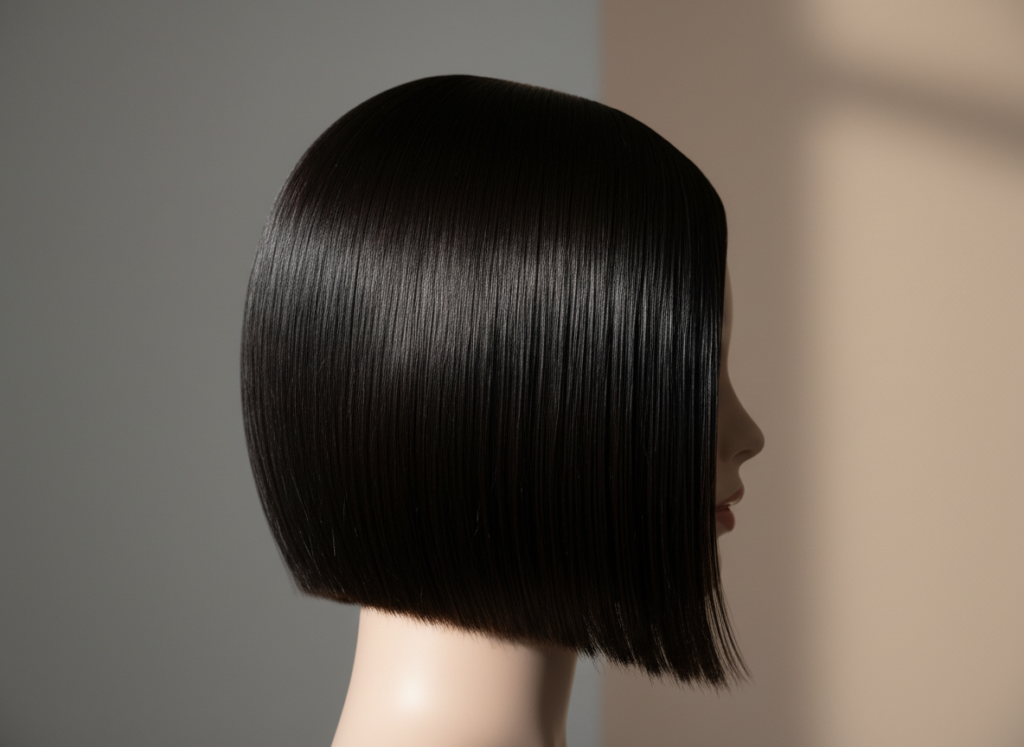
A lob usually falls between the collarbone and jawline. This length limits downward drag on facial features. Long hair pulls attention vertically, which increases the appearance of facial width. Controlled length keeps visual weight near the neckline. Stylists report higher symmetry ratings when length stays within this range.
Defined edges create facial structure
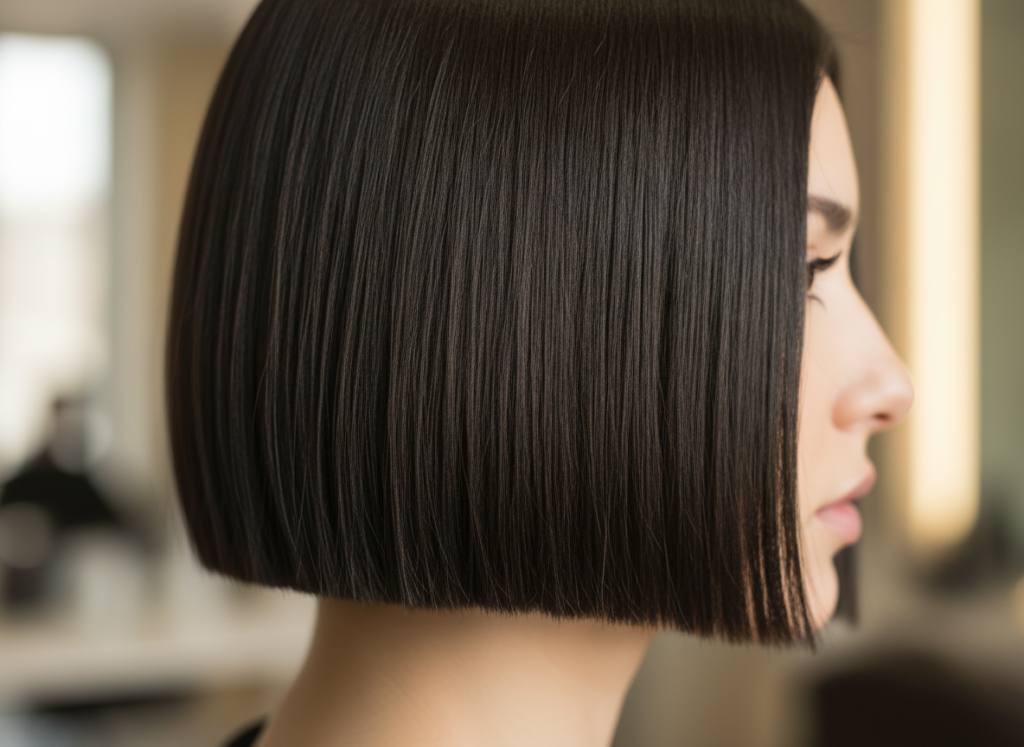
Lobs feature sharper perimeter lines than long hair. Clear edges frame cheeks and jawlines with intention. Long hair often blends into facial curves without contrast. Structured ends provide separation between hair mass and face shape. This separation improves definition based on salon comparison photos.
Volume placement improves harmony
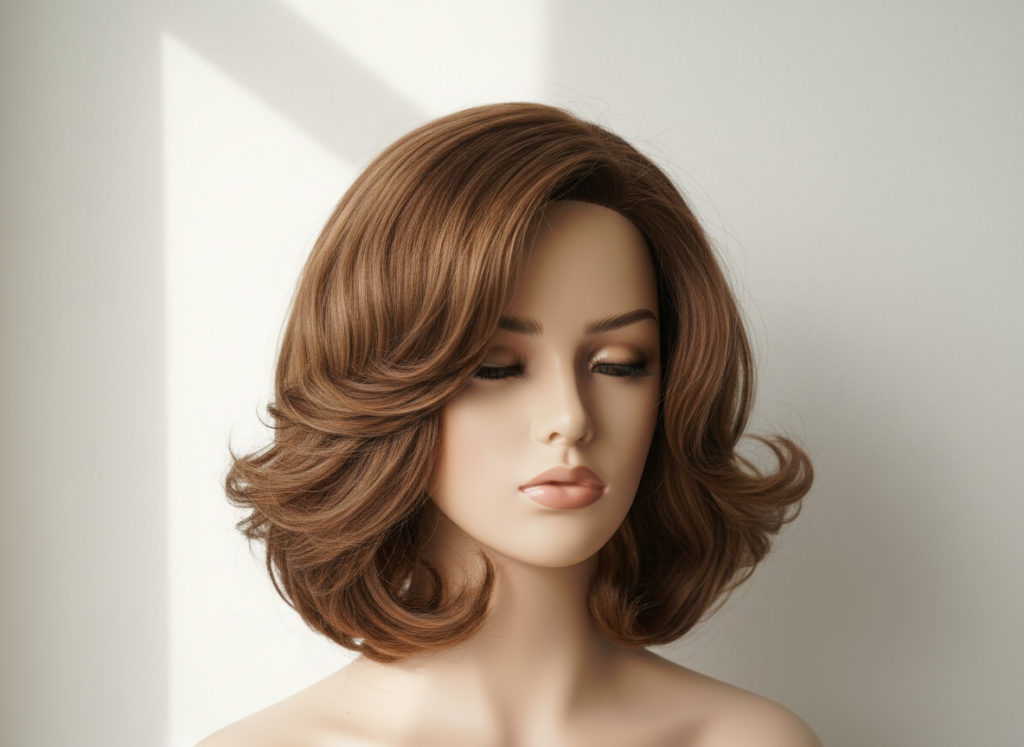
Volume in a lob concentrates near the crown and mid lengths. This placement lifts the face visually. Long hair often carries weight below the shoulders, which shifts focus downward. Hair studies show crown volume increases perceived face length by measurable margins. Stylists apply this approach for shape refinement.
Reduced bulk near the cheeks
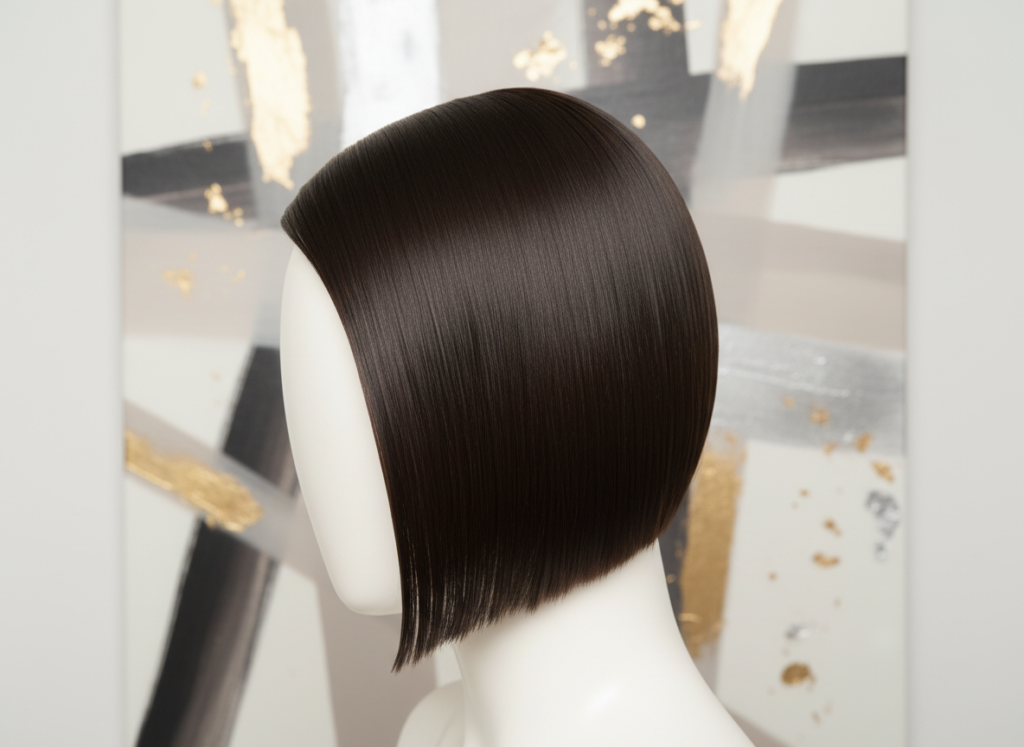
Curvy faces benefit from reduced side bulk. Lob cuts remove excess hair around cheek level. Long hair layers frequently expand outward at this area. Excess width softens definition. Controlled removal near the cheeks supports a cleaner silhouette. Professional cutting guides prioritize this adjustment.
Easier customization through styling
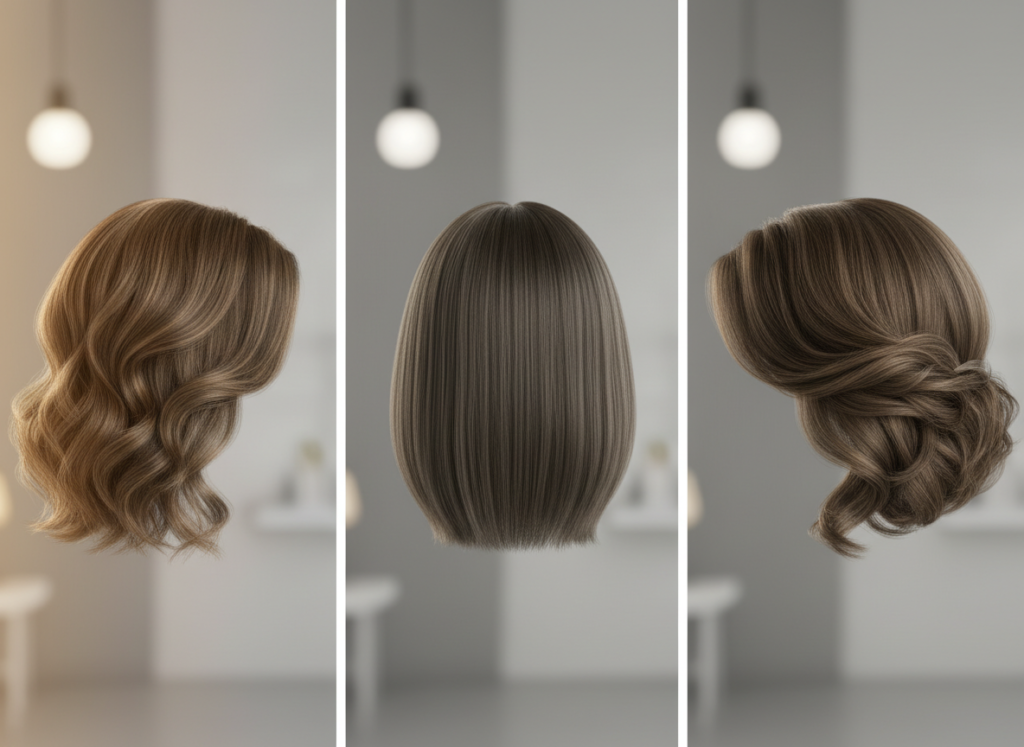
A lob supports multiple styling options without heavy effort. Straight finishes, soft waves, and angled parts remain stable at this length. Long hair requires more styling time to control shape. Client surveys in salons report higher daily compliance with shorter styles due to reduced maintenance.
Improved neckline focus
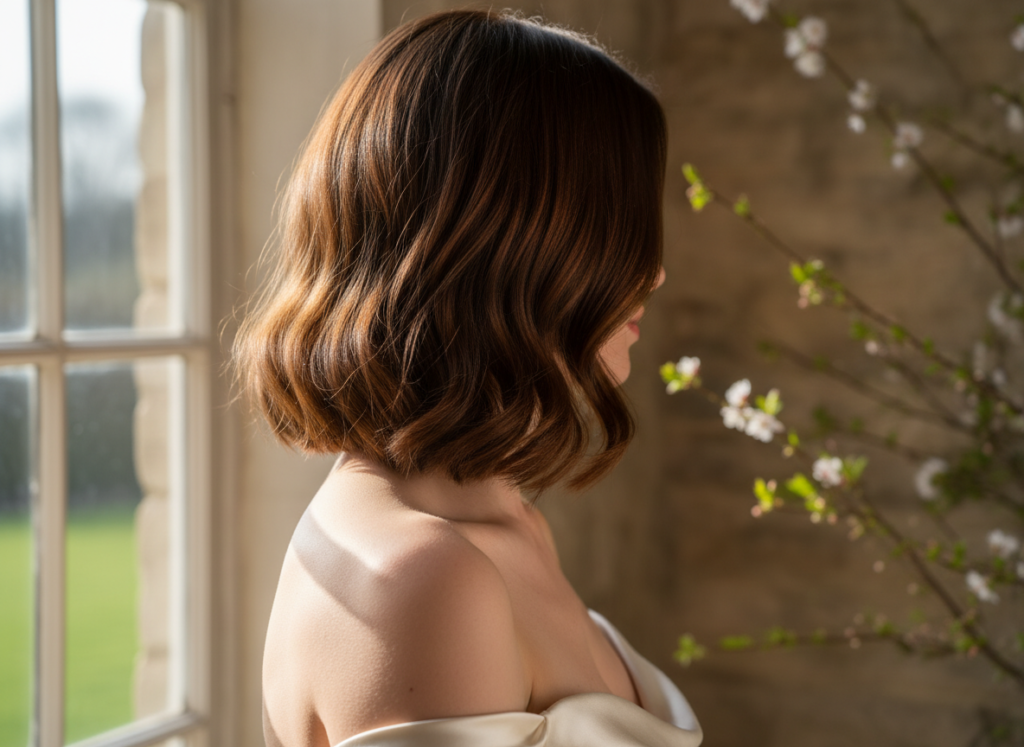
Necklines influence facial balance. A lob exposes the neck and upper shoulders. This exposure adds vertical contrast. Long hair covers these areas and removes visual anchors. Stylists note improved posture perception when necklines remain visible through shorter cuts.
Consistent results across hair textures
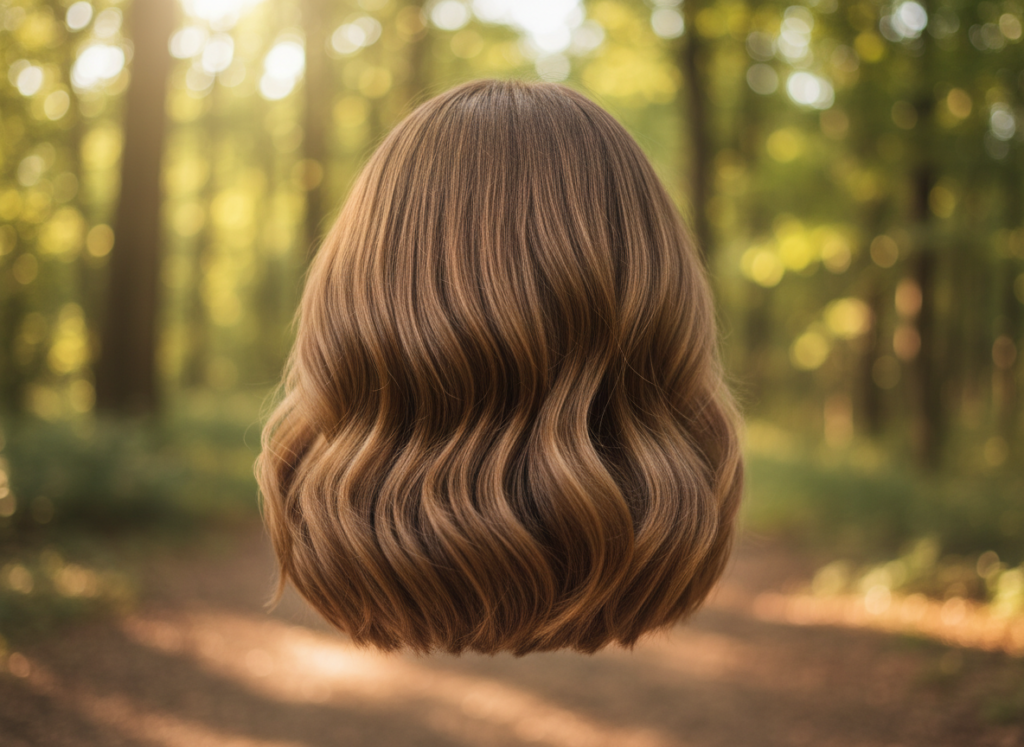
Lobs perform reliably across straight, wavy, and loosely textured hair. Length control prevents unpredictable expansion. Long hair reacts strongly to humidity and texture variation. This reaction alters face framing throughout the day. Shorter controlled lengths maintain shape consistency under varied conditions.
Color placement works more effectively
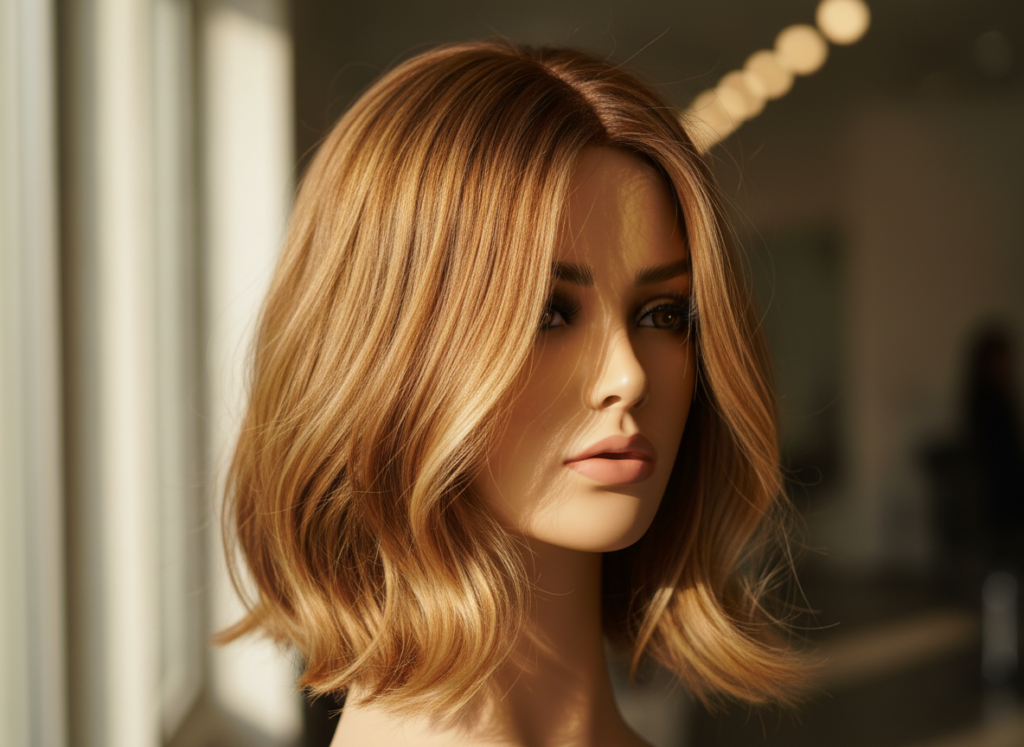
Color techniques show better impact on shorter cuts. Highlights and lowlights appear closer to the face in a lob. Long hair spreads color across larger surface areas. This spread reduces framing effect. Colorists favor shorter lengths for targeted face enhancement.
Age neutral appearance benefits
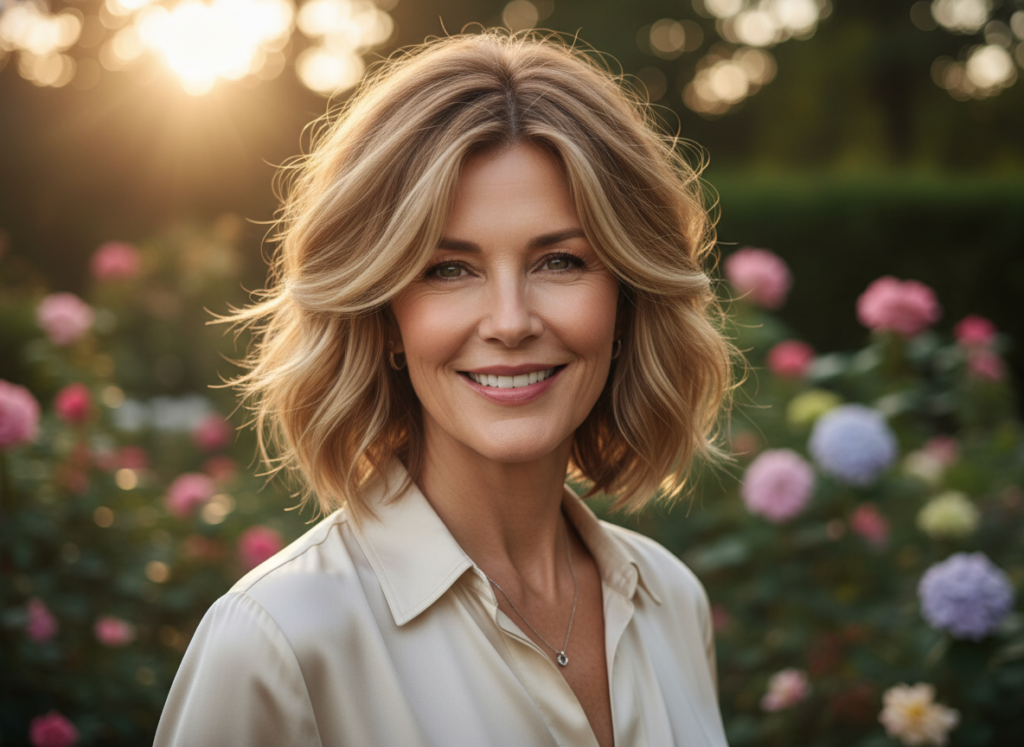
Lobs support age neutral presentation. Shorter structured cuts avoid dragging facial features downward. Long hair increases downward emphasis over time. Image studies in beauty research associate shoulder length cuts with higher freshness scores across age groups.
Salon data supports preference trends
Salon booking data shows higher satisfaction rates among clients with curvy faces choosing lobs. Repeat booking intervals shorten after the switch. Stylists report fewer corrective visits. These outcomes reflect predictable geometry rather than trends or personal taste.
