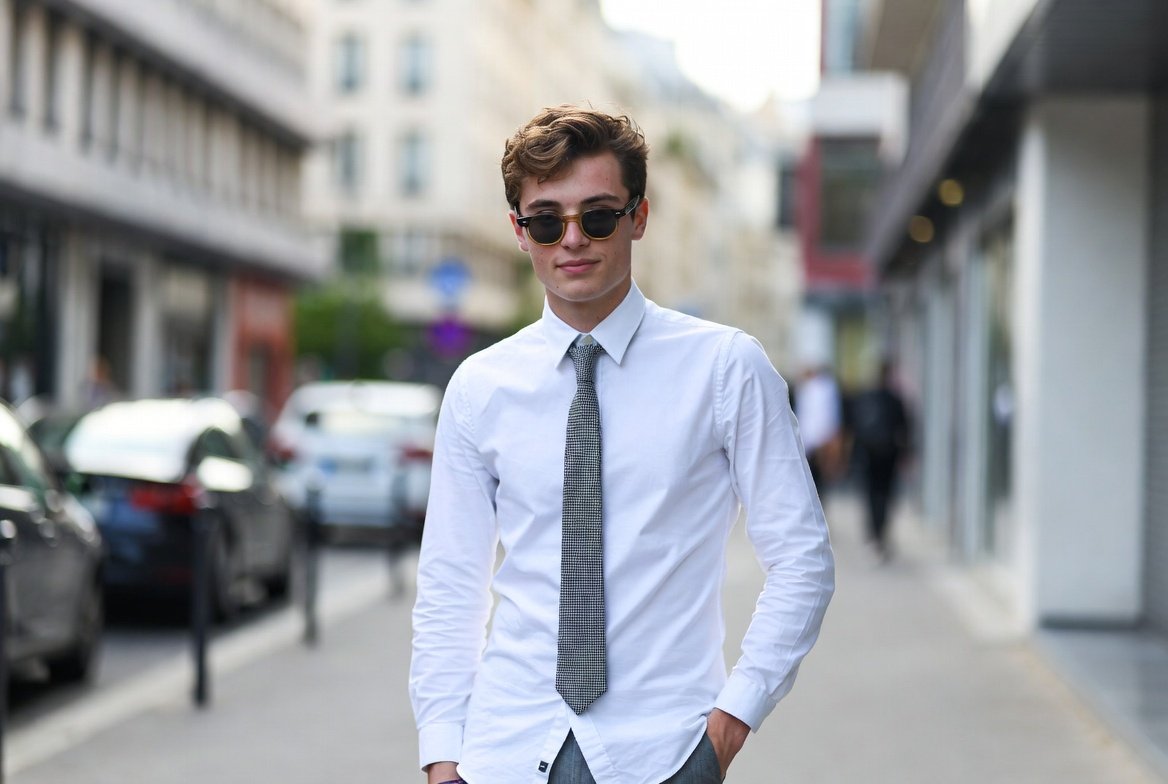
The cycle of fashion tends to reward extravagance, but 2026 will have the opposite trend. The tie makes a recurrence as an inexpensive developmental upgrade that has a broad level of attraction. The tie is viewed by designers, stylists, and consumers as an effective indicator of purpose and not ceremony. The end-of-office street style data in Paris and Seoul in late 2025 indicated an increase in wearing ties outside of office. Accessibility in terms of price facilitates fast acceptance in terms of age and income.
A shift away from full tailoring
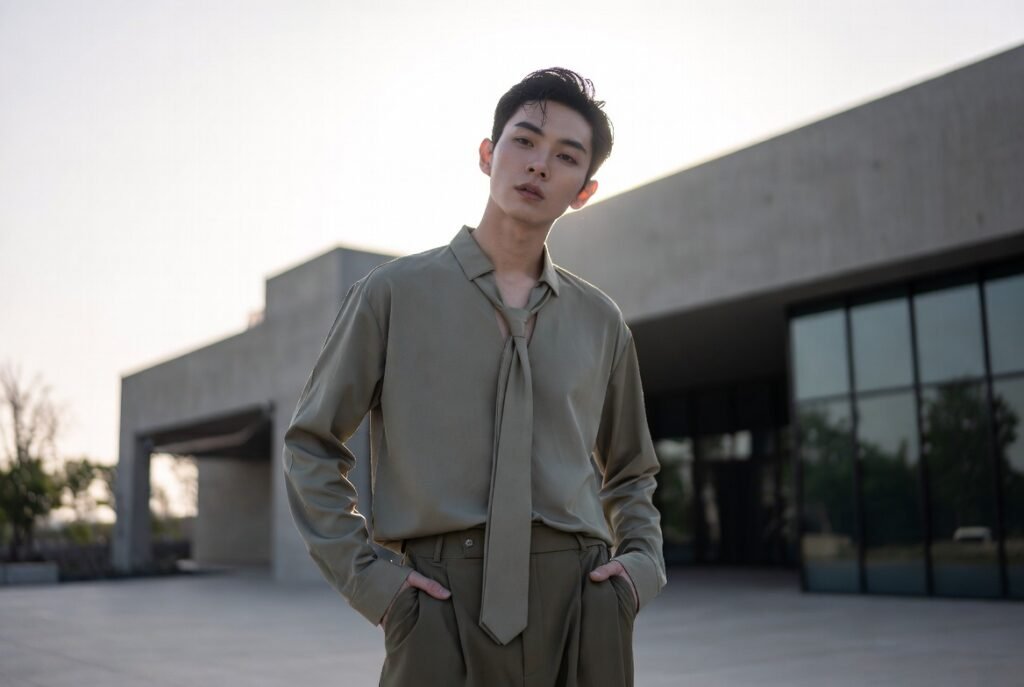
Formal suits lost daily relevance after remote work expanded. A tie fills the gap between casual and structured dressing. One accessory adjusts a plain shirt into a planned outfit. Retail sales data from mid 2025 reported higher single item purchases versus full suit sets.
Streetwear influence on tie styling
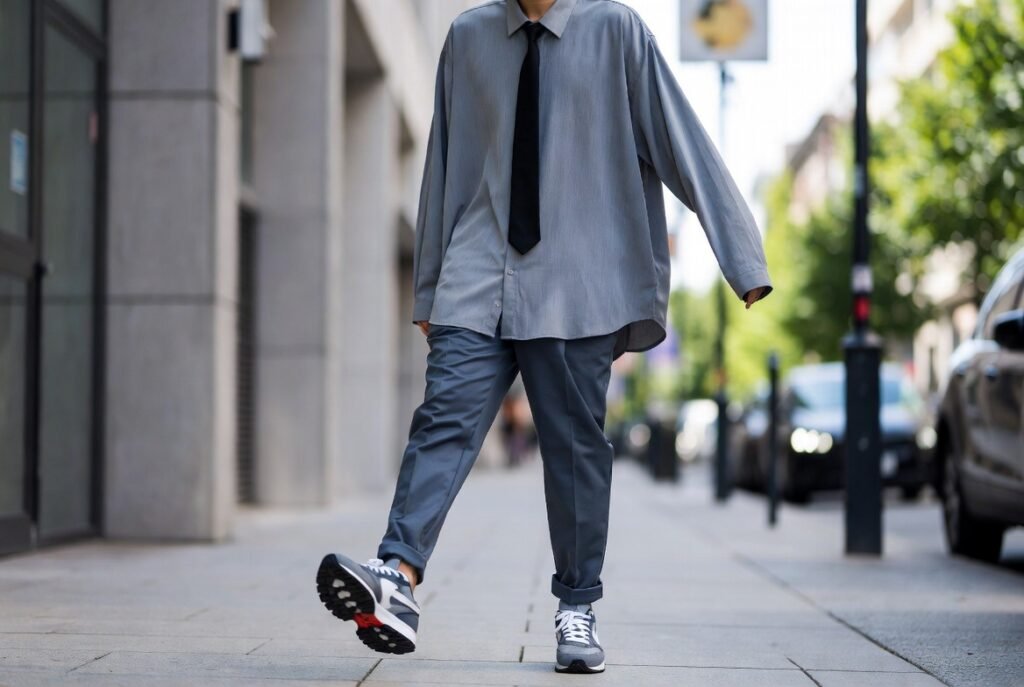
The streetwear brands combine denim ties with knitwear, and oversized shirts. Stylists prefer textured or slim ties in order to balance them. Analysis of social media at fashion weeks indicates that there is a high usage of ties with sneakers and casual trousers. This couplet coincides with a message of purposefulness, but without rigorous formality.
Affordability drives experimentation
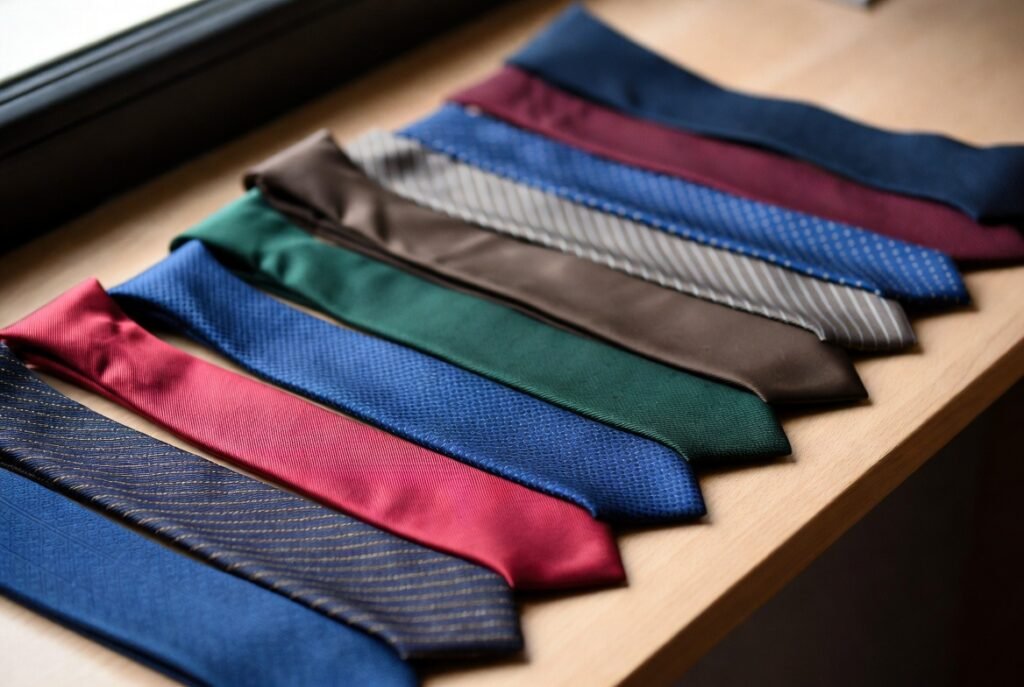
A tie costs less than jackets or footwear. Entry prices under ten dollars encourage testing colors and patterns. Market surveys indicate buyers own multiple ties for rotation. Low risk pricing supports bold choices such as stripes, graphics, and mixed fabrics.
Gender neutral adoption expands demand
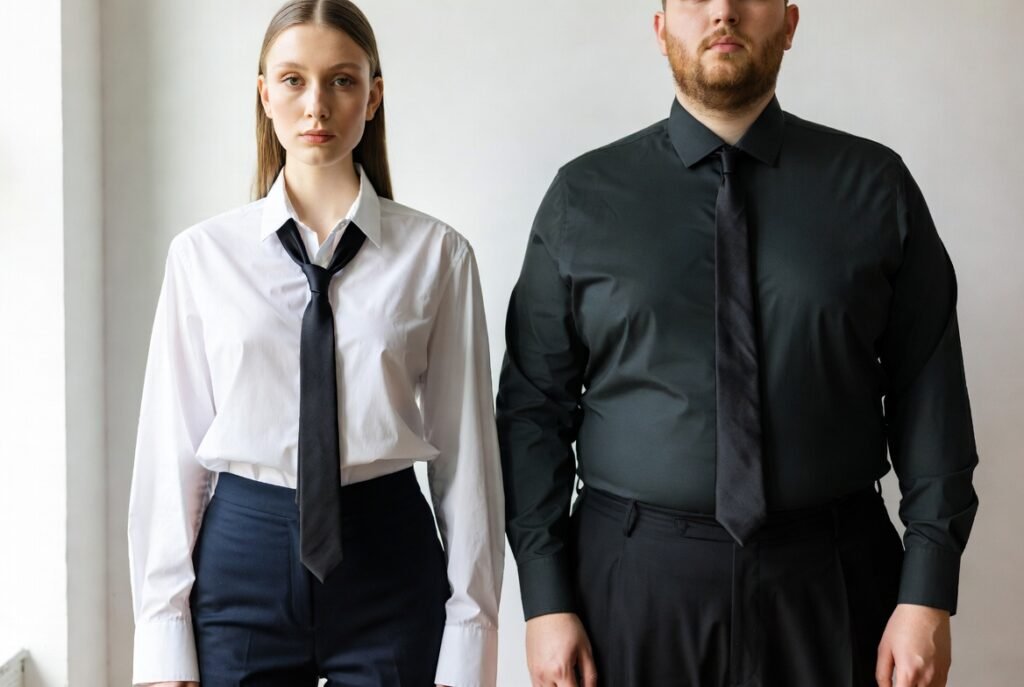
Retailers stock ties without gendered labeling. Styling guides present ties across diverse body types and wardrobes. Search trends from late 2025 show growth in neutral accessory queries. This shift expands the audience without altering production costs.
Vintage resale supports trend momentum
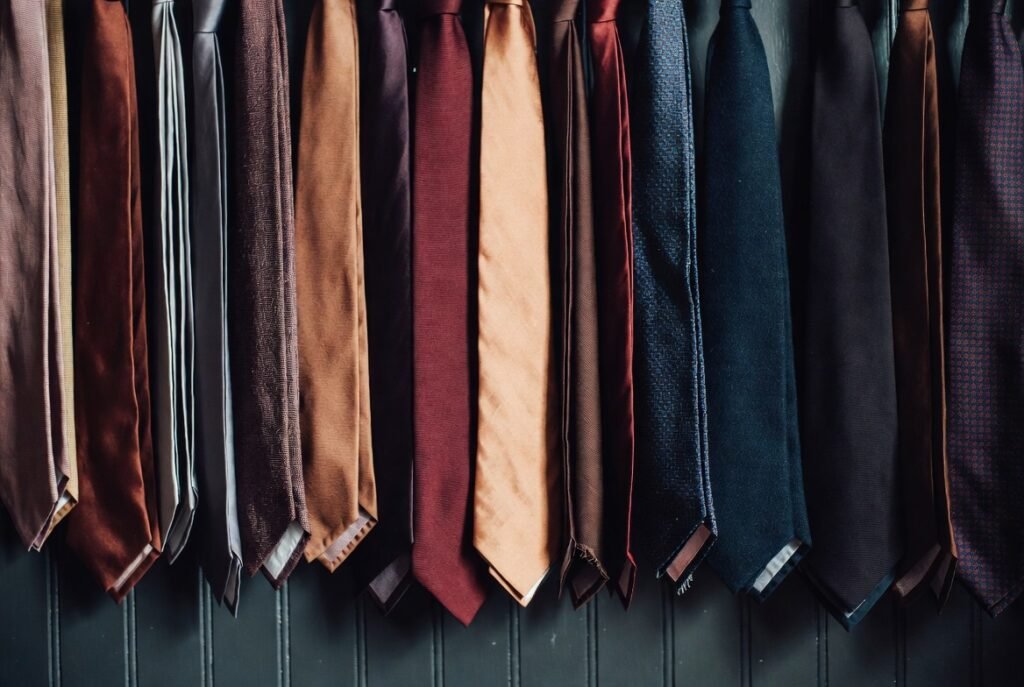
Secondhand platforms report strong tie turnover. Silk and wool ties from past decades align with current aesthetics. Vintage pricing remains low due to surplus supply. Resale data shows faster sell through compared with belts and scarves.
Office wear without rigidity

Hybrid offices favor flexible dress codes. A tie offers visual structure during meetings while allowing relaxed clothing elsewhere. Workplace surveys show managers value effort signals over strict uniforms. A tie satisfies presentation expectations without full formal wear.
Influence from film and television

Period dramas and modern series feature ties as character markers. Costume design favors ties for fast visual cues. Viewer engagement reports link accessory searches to episode releases. This exposure reinforces cultural relevance beyond fashion circles.
Sustainability through longevity
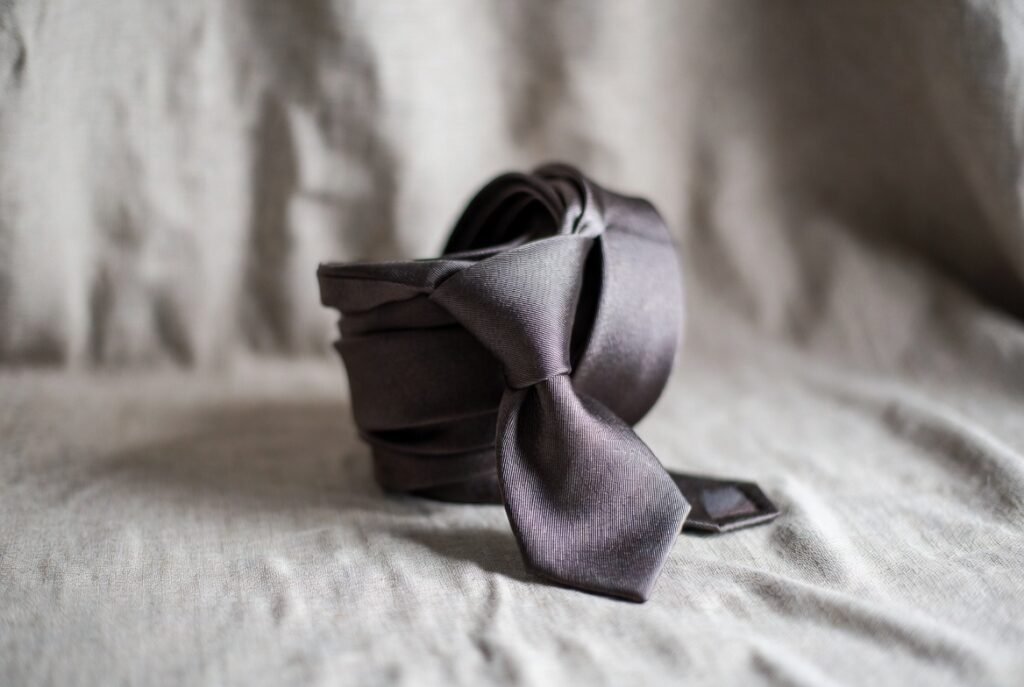
A tie holds extended wear life compared with trend driven garments. Fabric durability supports repeated use across seasons. Sustainability reports highlight accessories as lower waste investments. Consumers seeking value prioritize items with long rotation potential.
Customization and personal signaling
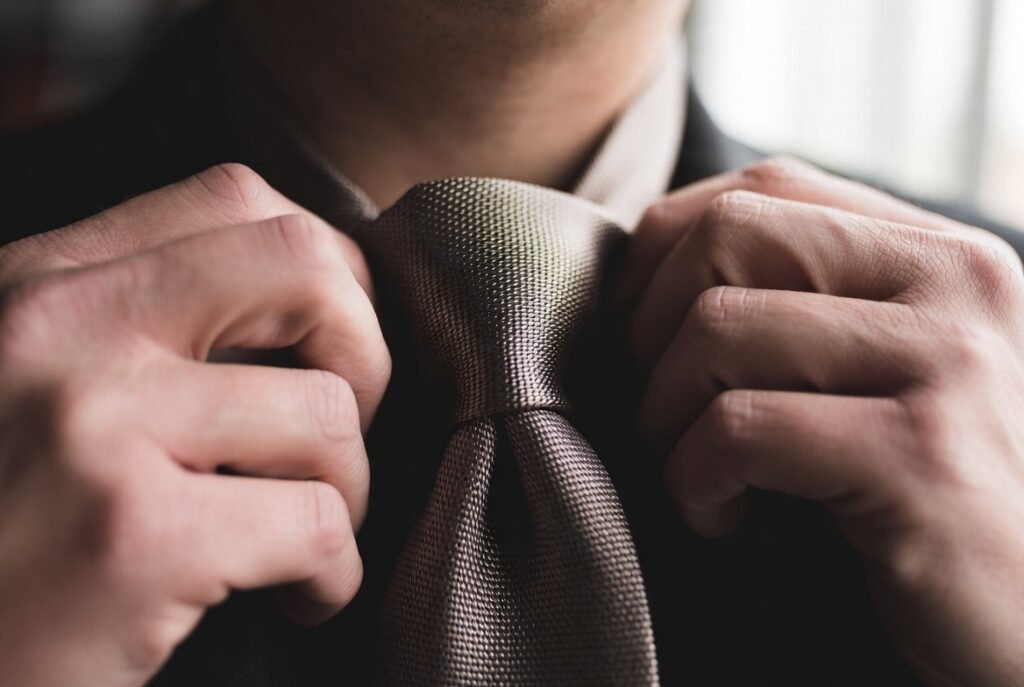
Pins, knots, and fabric choices support personal identity. Style forums document renewed interest in knot variation tutorials. Custom embroidery services report higher tie orders than scarves. This flexibility positions the tie as a personal statement tool.
Retail response and future outlook
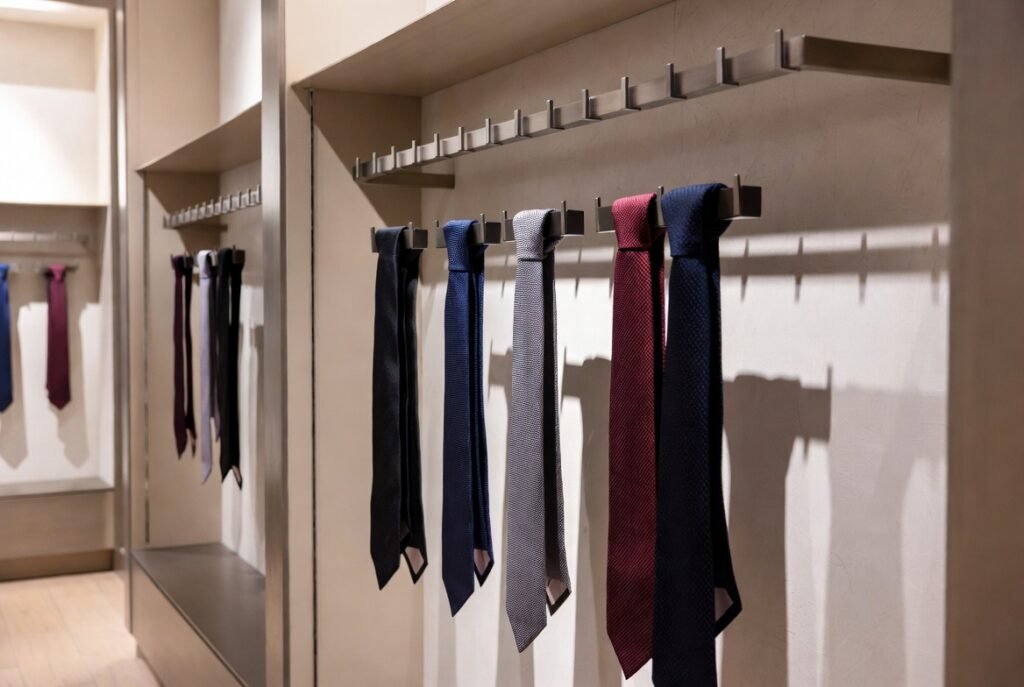
Brands allocate more shelf space to ties for 2026 collections. Production costs remain stable, which protects pricing. Forecast models from apparel analysts show steady growth rather than short spikes. The tie functions as a consistent accessory rather than a brief trend.
