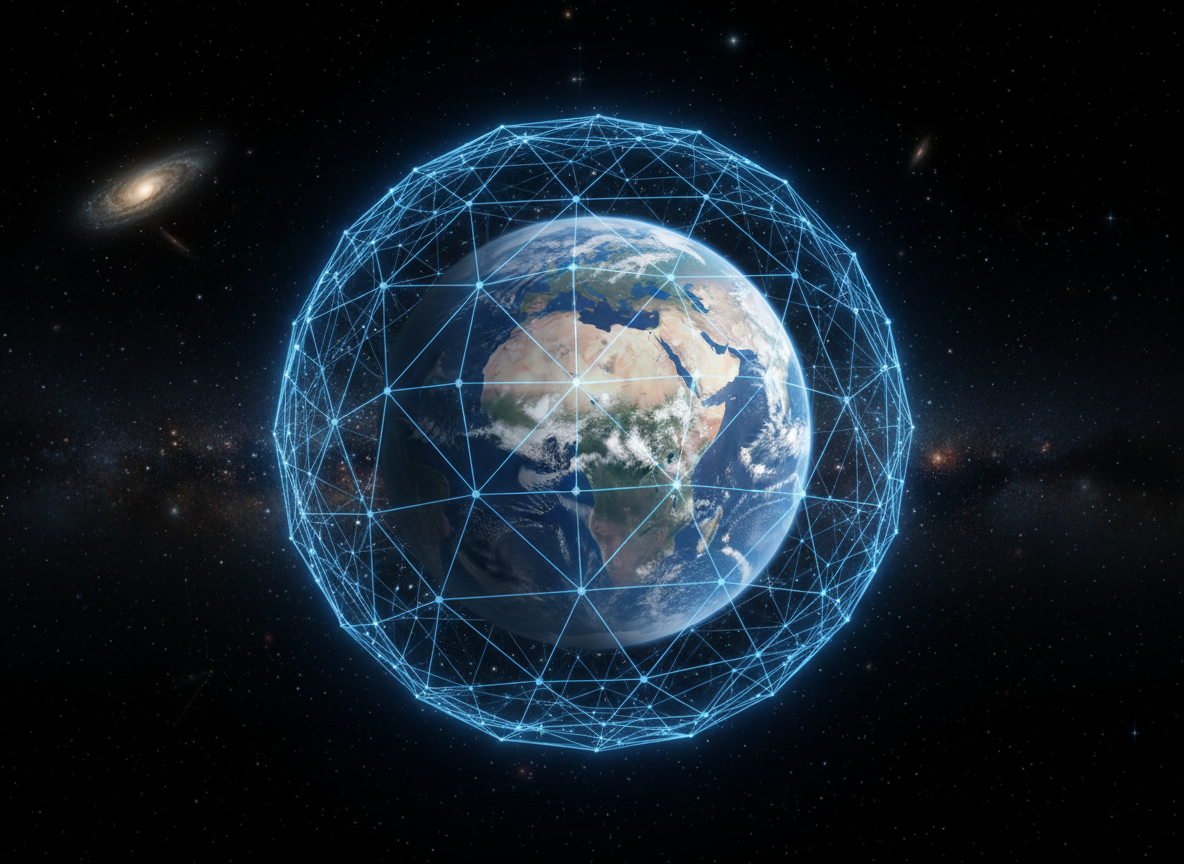
During the early space age, engineers focused on communication reach rather than orbital side effects. Strong radio transmitters sent signals far beyond Earth’s surface. Over decades, research teams noticed changes in near Earth space linked to those signals. Studies from satellite missions now show an artificial region formed by human activity. This region behaves like a partial shield and alters how charged particles move near the planet.
The natural space environment near Earth
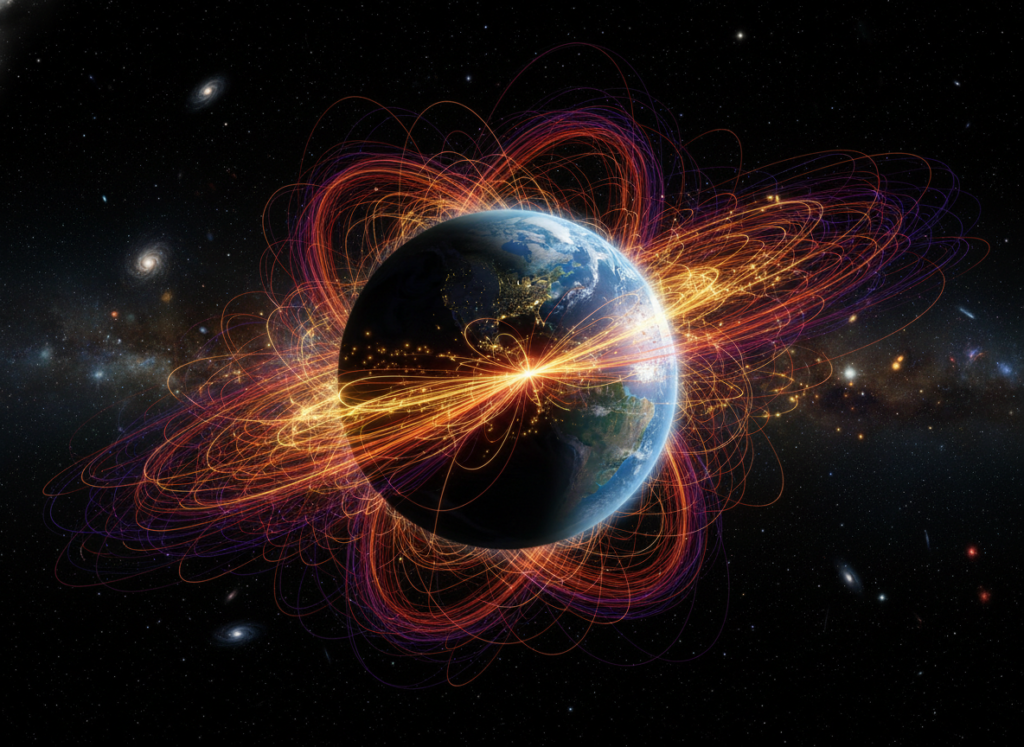
Earth already holds natural radiation belts shaped by the magnetic field. These belts trap charged particles from the Sun and cosmic sources. Scientists measure particle density using satellites and ground stations. Baseline conditions before heavy radio use serve as reference points for later comparison.
Growth of powerful radio transmissions
Long range radio systems expanded during the mid twentieth century. Military, navigation, and research transmitters operated at very low frequencies. These systems pushed energy thousands of kilometers into space. Historical logs show steady increases in transmitter power and operating hours across multiple regions.
Interaction between radio waves and particles
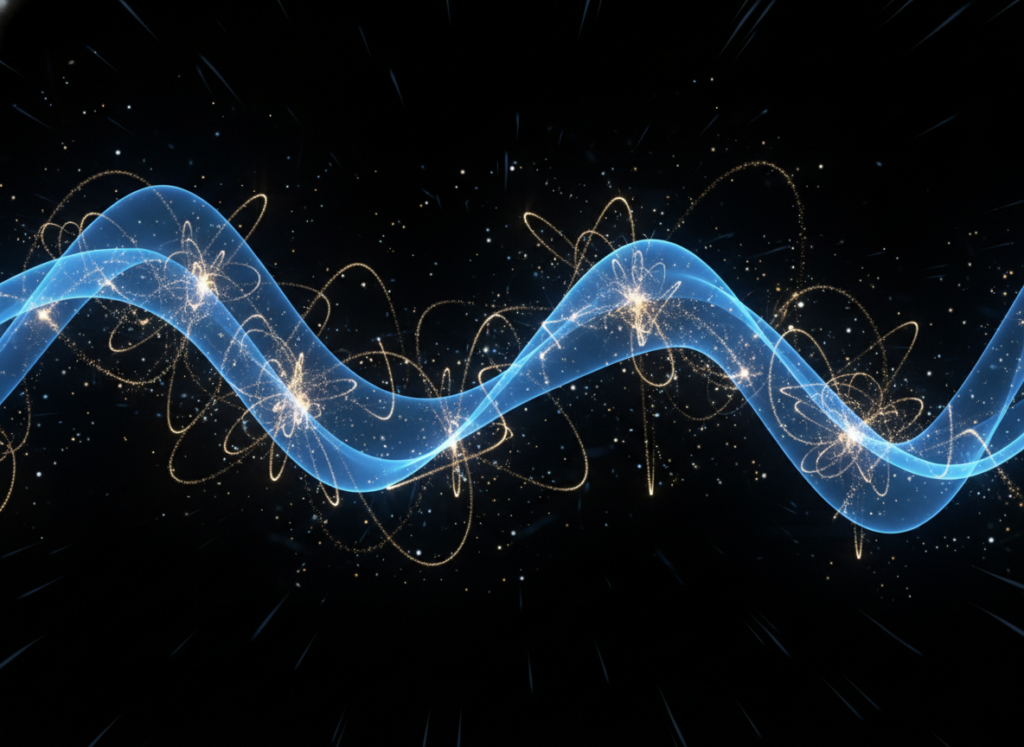
Radio waves interact with charged particles through resonance effects. Energy transfer alters particle paths and speeds. Laboratory plasma studies predicted such behavior decades ago. Space measurements later confirmed similar interactions above Earth during periods of strong transmission activity.
Formation of an artificial particle zone

Over time, repeated interactions led to a stable zone of altered particle density. Satellites detected a boundary where particle behavior changed sharply. Researchers described this boundary as an artificial barrier. The structure persists while transmission patterns remain consistent.
Evidence from satellite missions
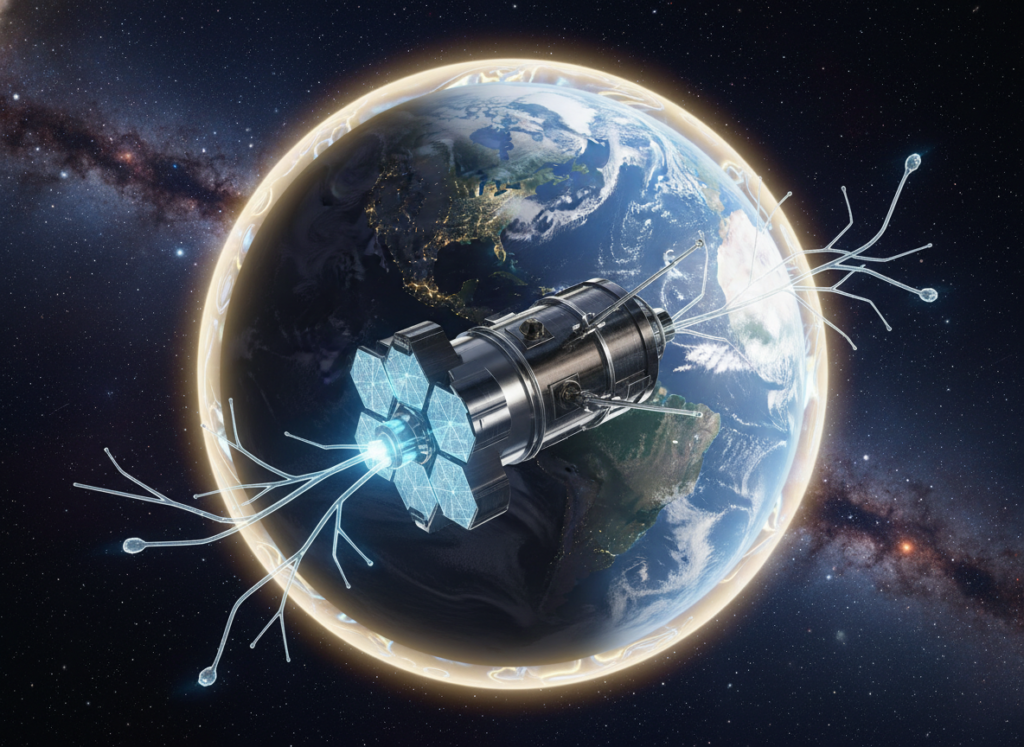
Data from NASA and other agencies provided direct measurements. Instruments recorded lower particle penetration in certain regions. Comparative analysis across mission timelines showed correlation with transmitter activity. Peer reviewed studies published after 2010 strengthened confidence in these findings.
Effects on satellites and space operations
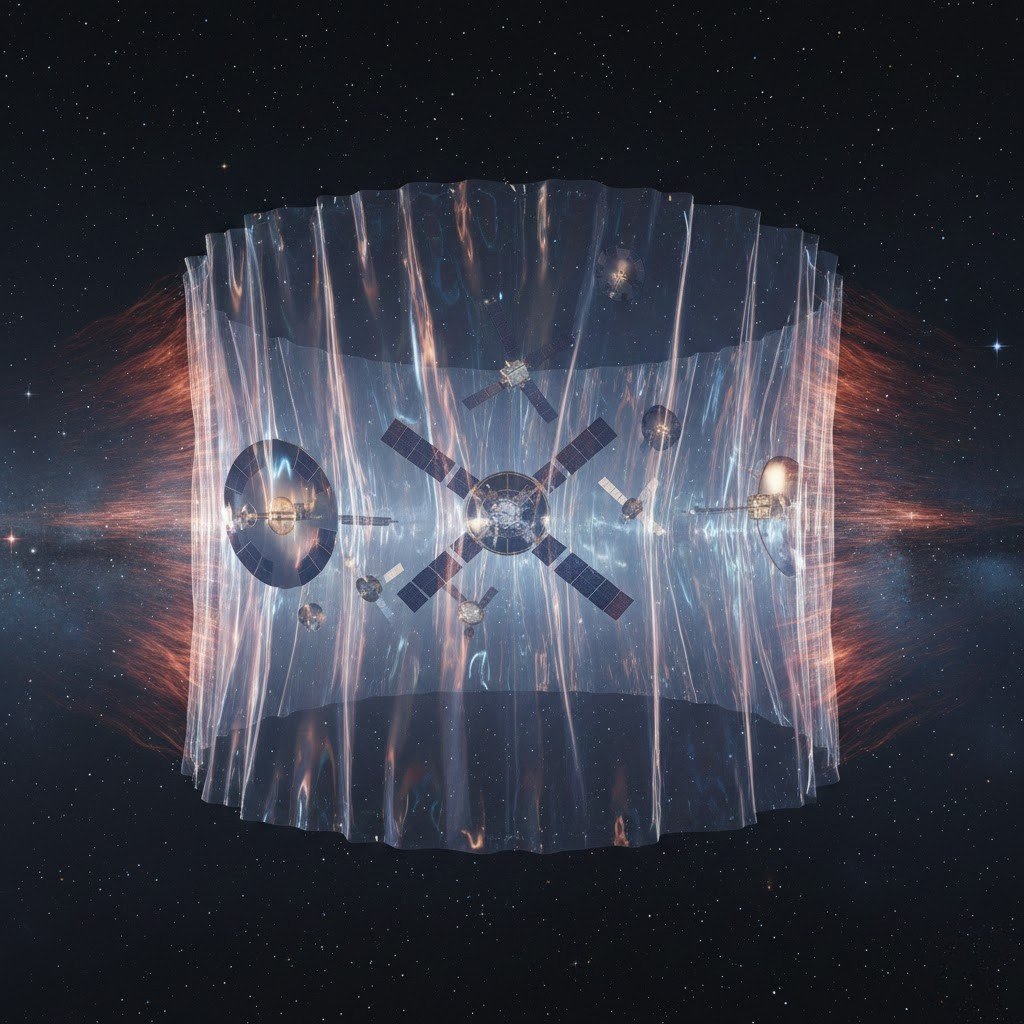
Changes in particle movement affect satellite exposure levels. Some orbits experience reduced particle flux. Engineers factor these conditions into mission planning. Operational data show minor shifts in satellite wear patterns linked to altered space environments.
Implications for future communication systems

Modern systems rely on satellites rather than ground based low frequency transmitters. Reduced use of older transmitters changes energy input into space. Researchers monitor whether the artificial barrier weakens over time. Policy discussions now include environmental effects beyond Earth’s surface.
Ethical and scientific responsibility

Human activity already alters land, oceans, and atmosphere. Near Earth space now joins this list. Scientific bodies call for impact assessments before deploying high power systems. Transparent data sharing supports informed decisions across nations.
Open research questions

Many variables remain under study. Duration of barrier persistence without continued transmissions needs clarification. Long term interaction with solar storms also requires analysis. Ongoing missions aim to refine models using updated measurements and simulations.
