
Scientists have demonstrated through their research that increased size does not always lead to better performance in scientific and technological developments. The current period marks the beginning of a time when changes at the atomic and molecular levels will create the most significant impacts on our everyday life. The minor scientific innovations developed by researchers to tackle major scientific issues now benefit the medical field and the energy sector and the electronics industry.
Targeted Drug Delivery
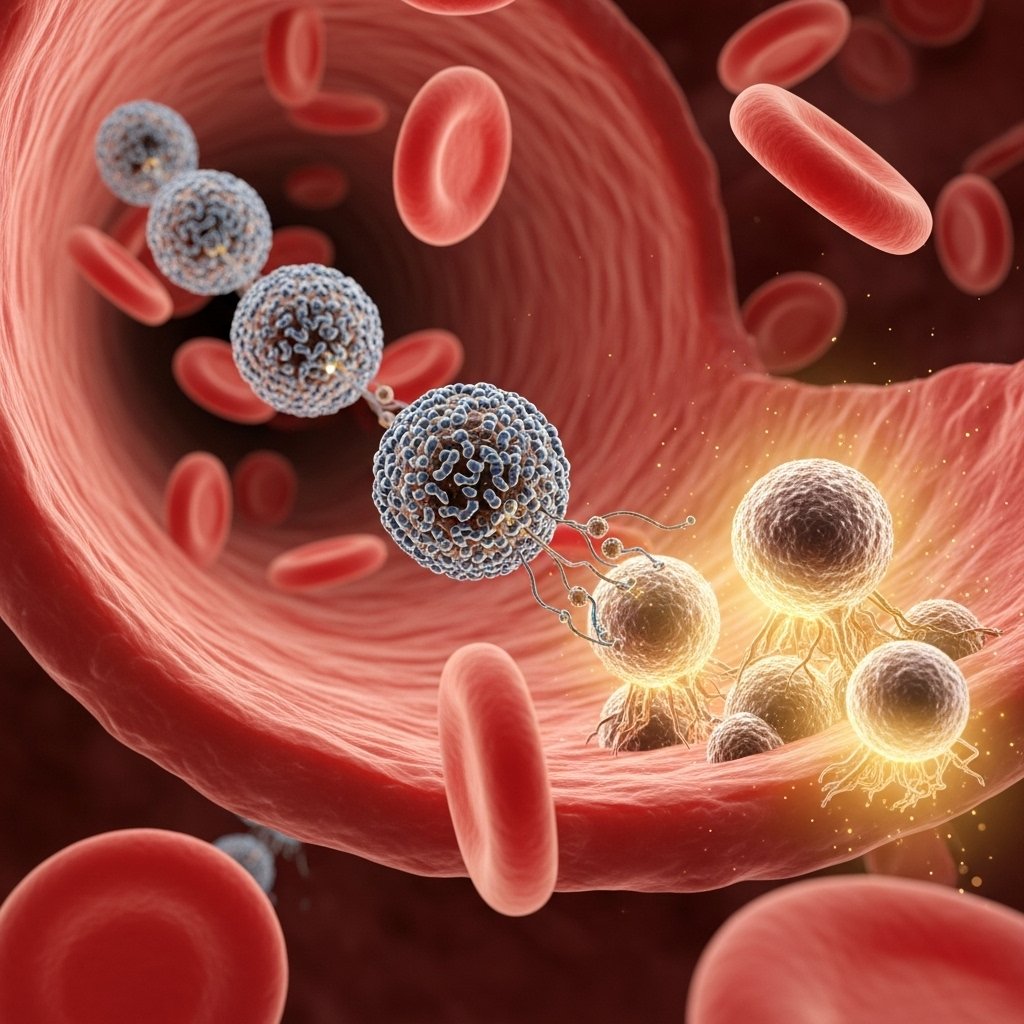
Scientists designed “nanocarriers” to deliver medicine directly to specific body parts instead of treating the entire body. The packages deliver their payload through the bloodstream until they reach designated sites including cancer cells. The treatment produces better results because it causes fewer adverse effects in patients.
Micro-Sensors for Health
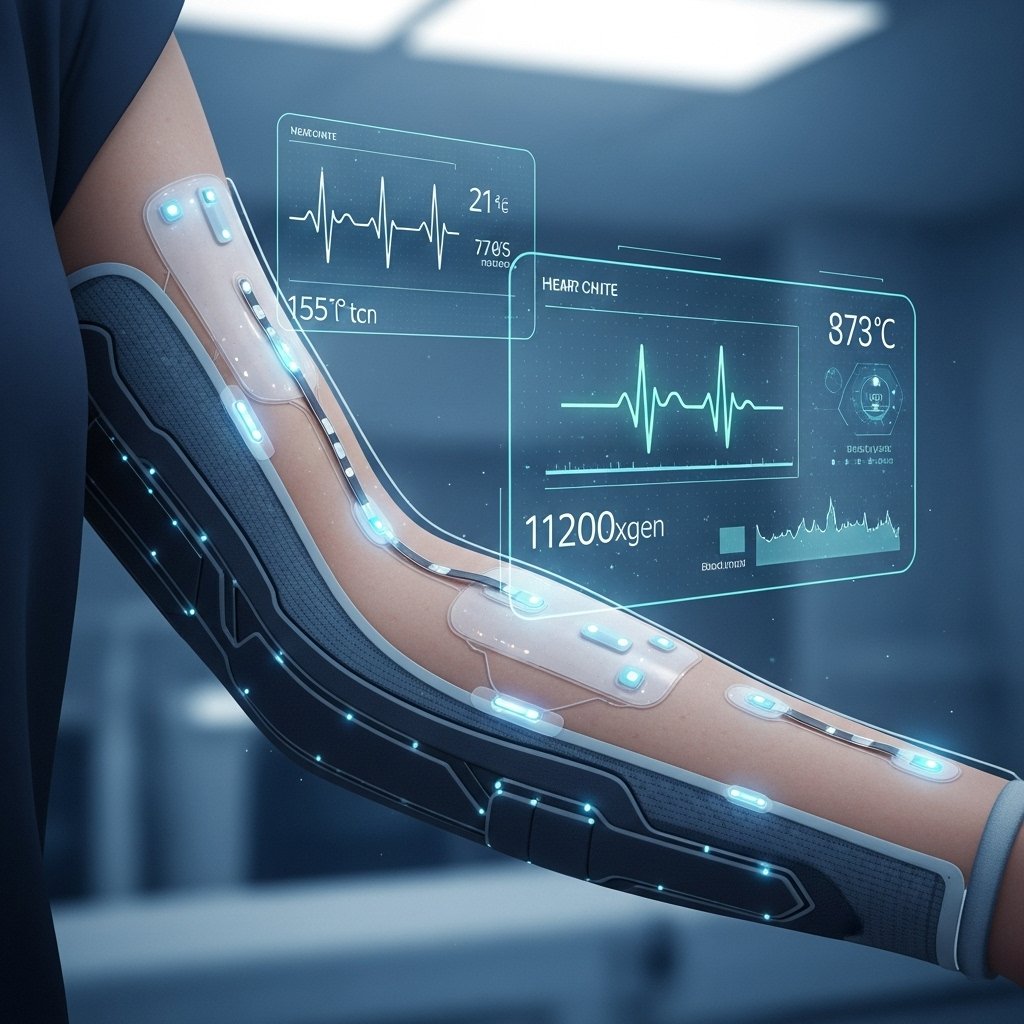
People can use tiny sensors which track their vital signs through either clothing or under-skin implants. The devices can detect heart problems and blood sugar spikes before the person experiences any symptoms.
Self-Healing Materials

The concept envisions a smartphone display that can fix its scratches and a bridge that can fix its broken parts. The new product line uses tiny capsules which contain “healing agents” to perform self-repair when its material suffers damage.
Efficient Water Desalination
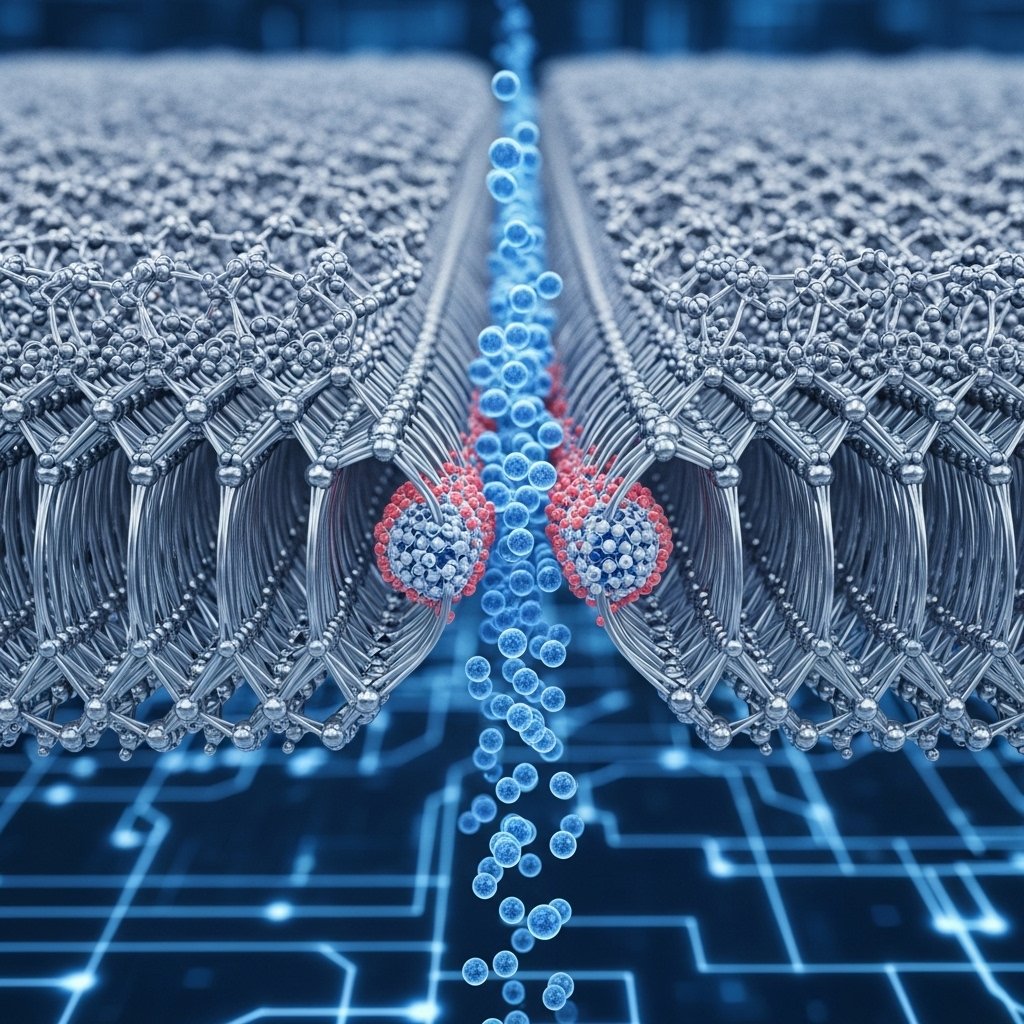
People require large amounts of energy to convert saltwater into safe drinking water. New membranes use “nanopores” technology to enable water flow while preventing salt passage which results in cost-effective water purification solutions for numerous people.
Molecular Computing

Silicon technology has reached its maximum capacity for computer processing power. The development of molecular electronic technology enables us to build computers which will achieve 1000 times the capacity of current supercomputers through molecular transistors.
Better Food Preservation
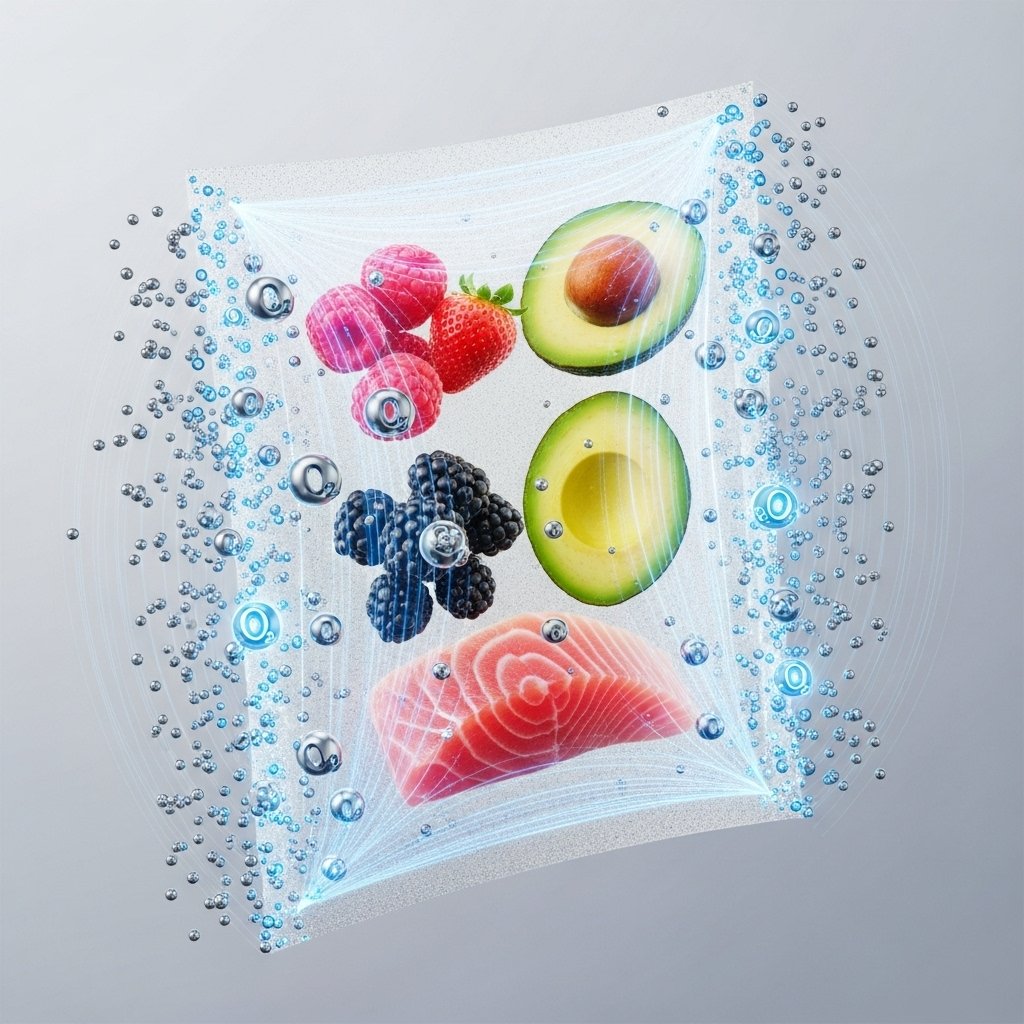
Food packages with “nano-coatings” block oxygen and moisture more effectively than traditional plastic wrap. The tiny barrier technology enables food to remain fresh for three additional weeks which results in a major reduction of worldwide food waste.
Highly Efficient Solar Paint

Scientists created a product called “solar paint” which contains light-sensitive particles. The material enables you to transform your entire house or car exterior into a solar energy harvesting system for energy collection from sunlight.
Lab-on-a-Chip
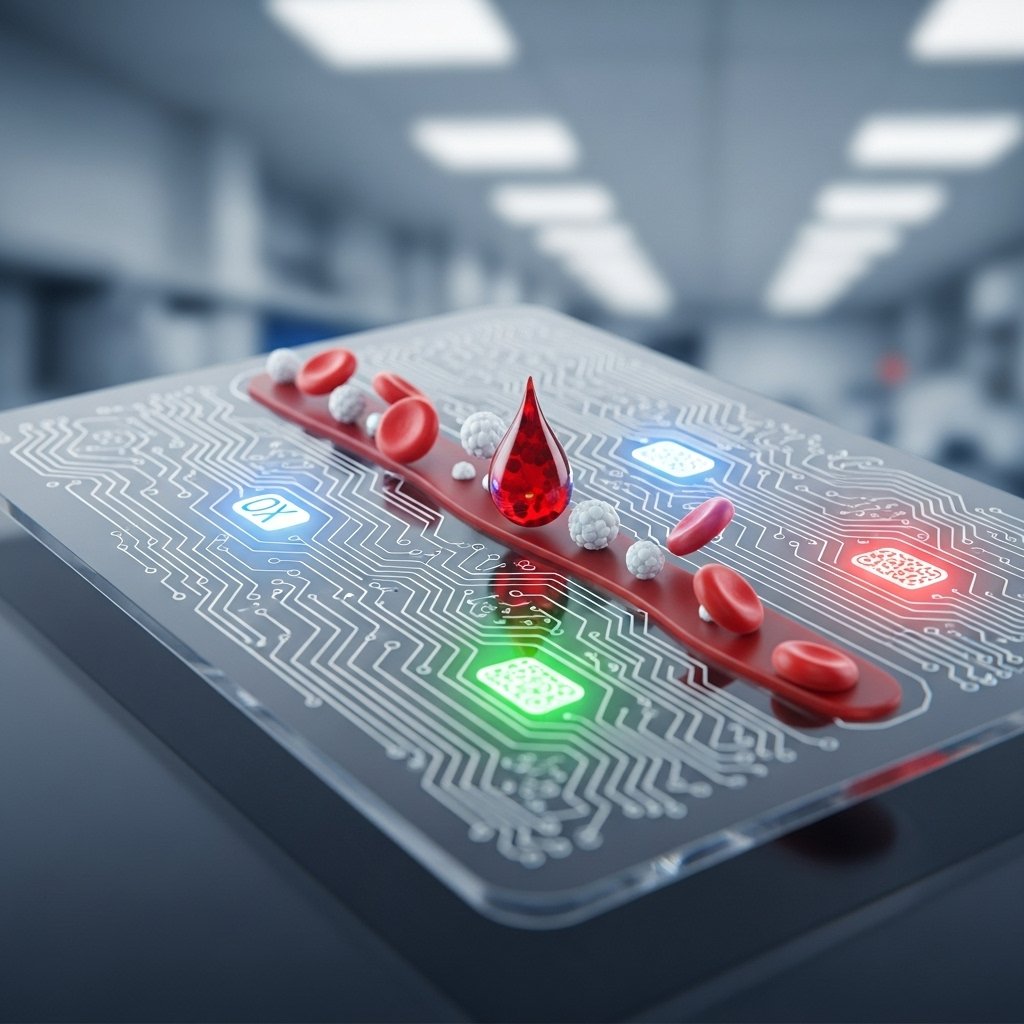
A “lab-on-a-chip” shrinks a full medical laboratory down to the size of a postage stamp. The device can detect malaria and flu through blood testing which provides medical services to remote locations within fifteen minutes.
Synthetic Blood Cells
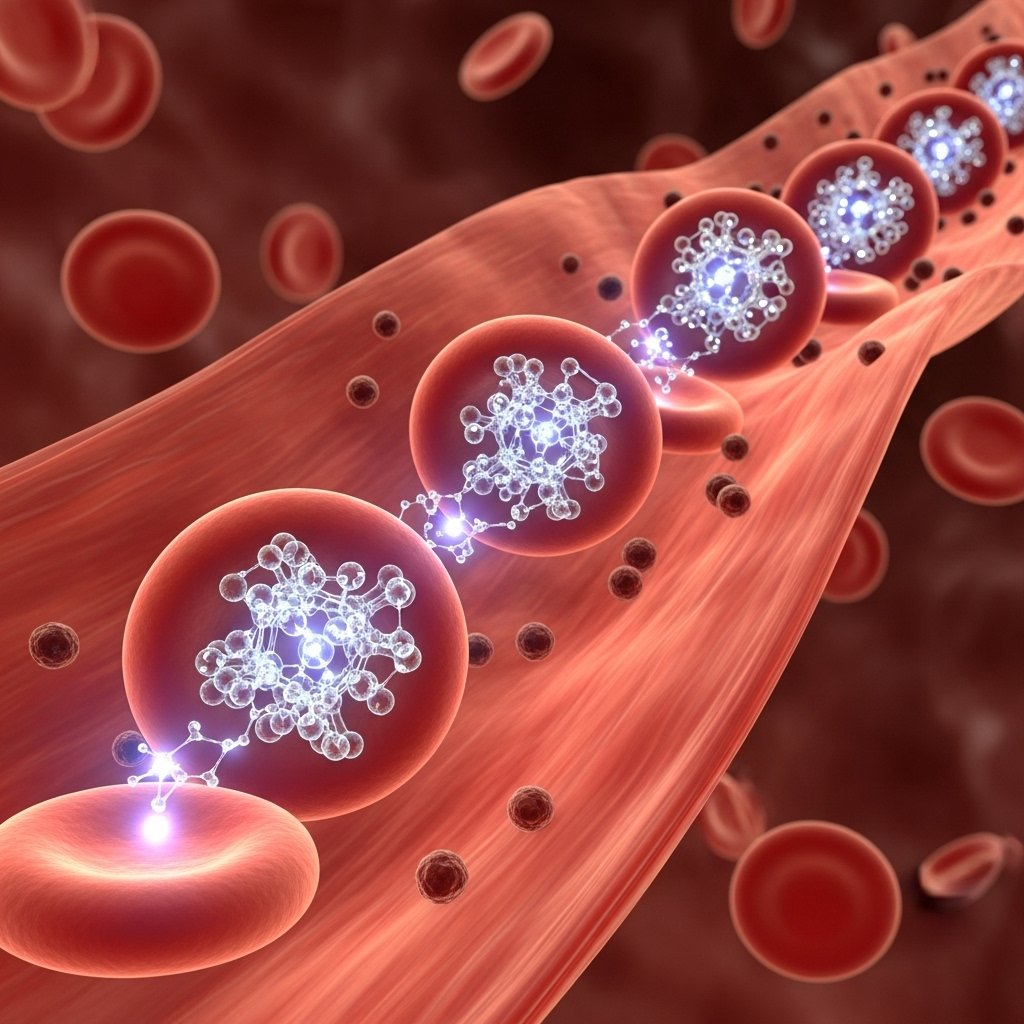
Researchers developed artificial red blood cells which function as more effective oxygen transporters than native blood cells do. The medical device can treat blood emergencies when real blood supplies are unavailable which makes it vital for battlefield missions and remote emergencies.
Smart Dust
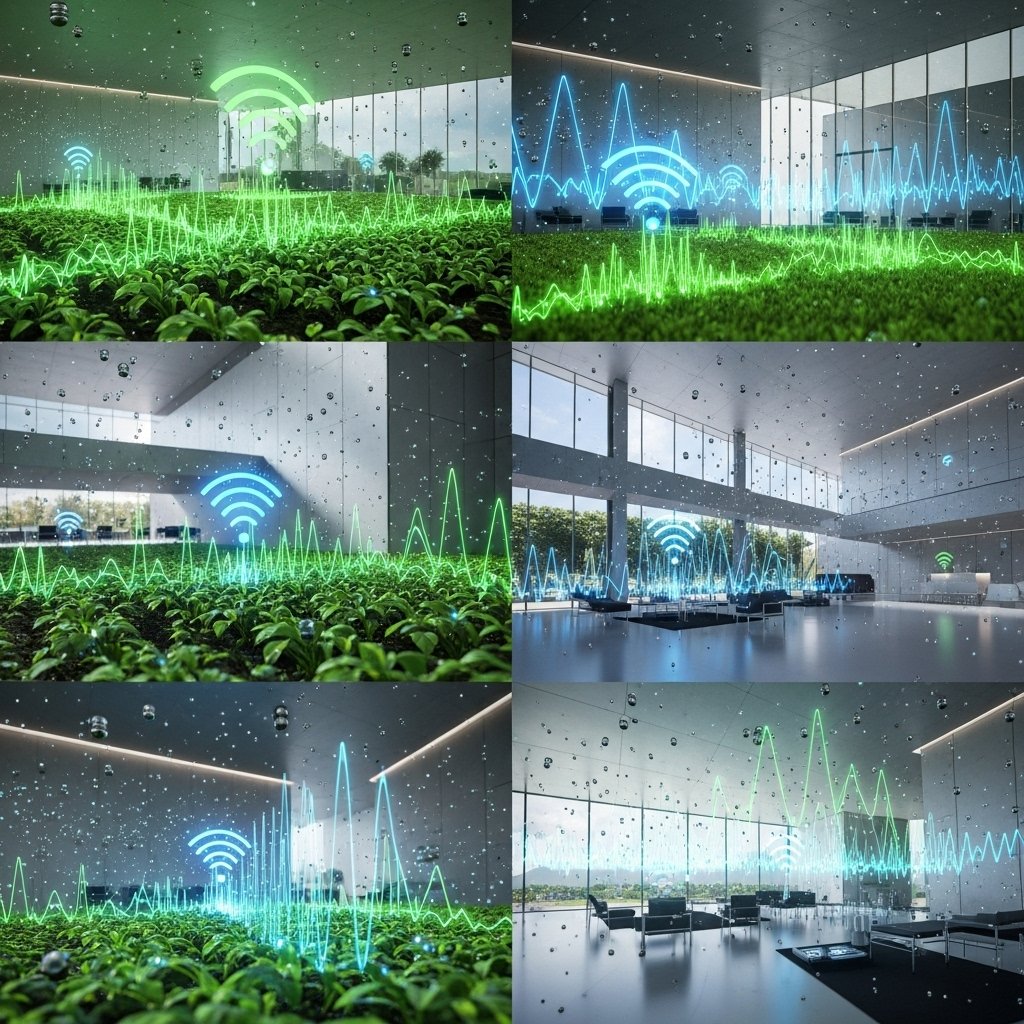
The system has wireless sensors called “Smart dust” which have dimensions similar to sand grains. The system enables monitoring of soil moisture through farm field distribution and building energy control through indoor placement.
DNA Data Storage
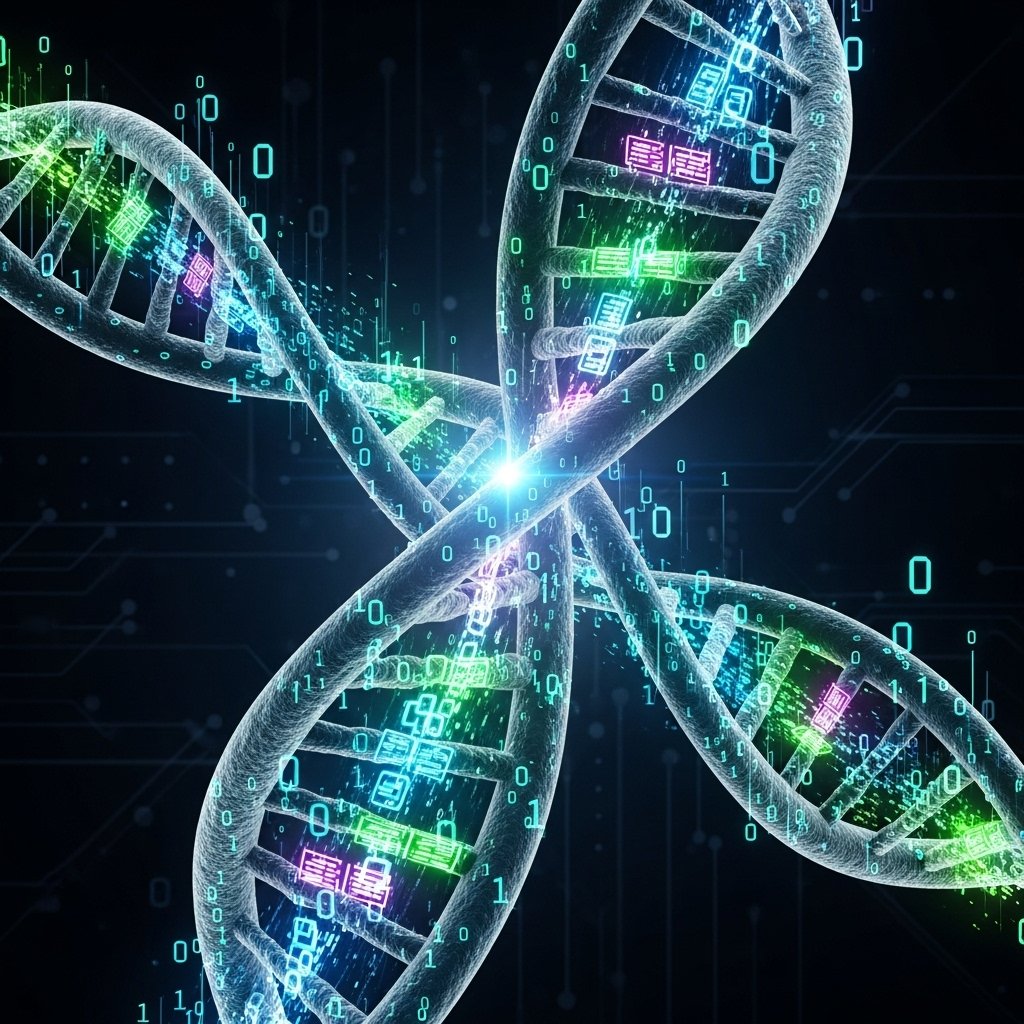
DNA serves as the most advanced storage technology which functions as a “hard drive.” Scientists developed a technique to store digital content such as movies and books within synthetic DNA structures. The entire global data collection can fit into a single room because of its compact size.
