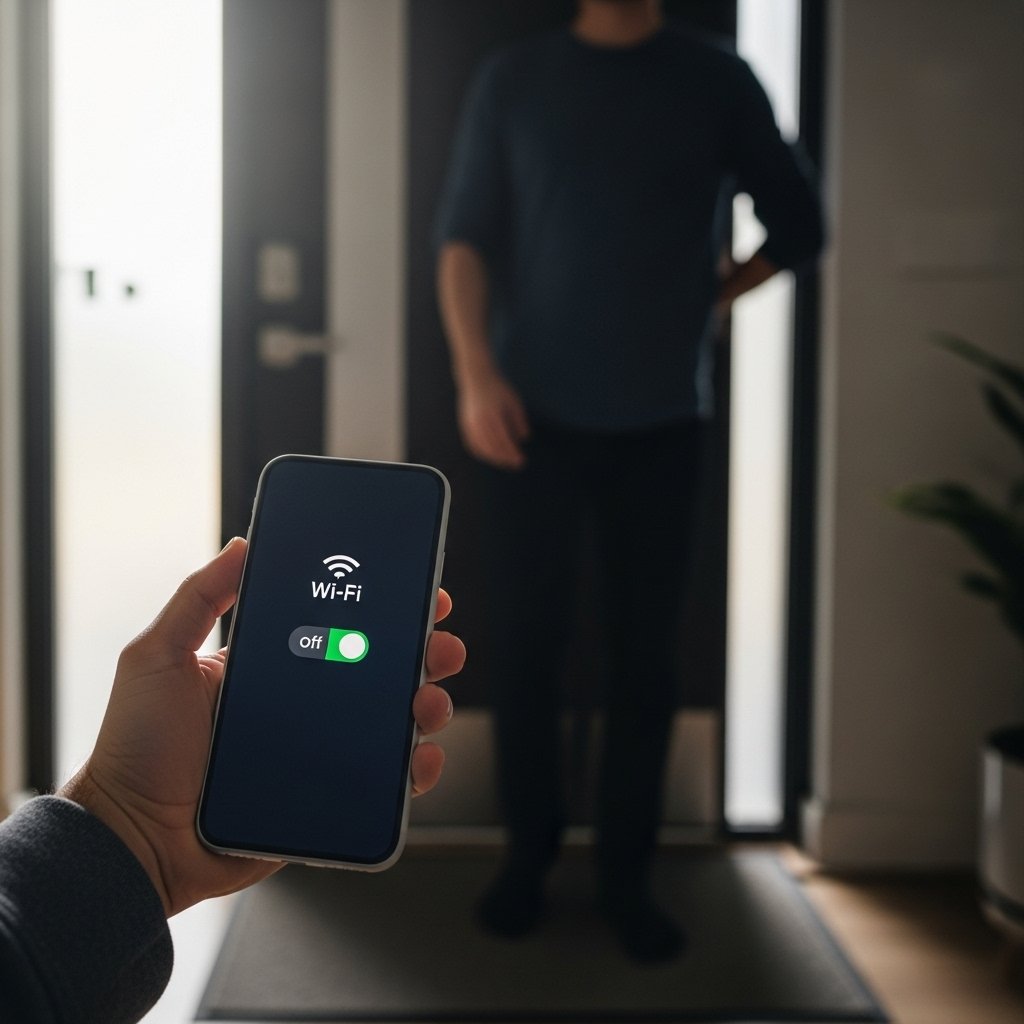
People maintain their Wi-Fi connections throughout the day because they rarely consider the effects of their decision. The decision to maintain Wi-Fi access while venturing outside equals leaving your house entry point unguarded during your departure. Your device becomes vulnerable to multiple threats which result in privacy breaches and battery drainage and financial losses despite appearing to be a simple tool.
Stopping the “Hidden” Connection

The operating system of your phone enables it to perform its functions as expected. The device keeps searching for known networks by sending out repeated transmission signals. The phone connects with WT “Free Public Wi-Fi” when users leave their home which uses the same network name as their residential Wi-Fi or commercial establishments.
Avoiding Fake Access Points

Cybercriminals establish fake access points which they call “Evil Twin” networks. These networks create fake Wi-Fi access points which use familiar network names like “Airport_Free_WiFi” to mislead users. Your phone will establish connection with the criminal’s Wi-Fi network if your Wi-Fi remains activated which allows them to access your personal information.
Protecting Your Saved Passwords

Many applications plus websites permit automatic user login from internet connections. The hacker who controls the Wi-Fi network can track all your login credentials because they have complete network access which includes your social media accounts and email without requiring your password.
Saving Your Battery Life
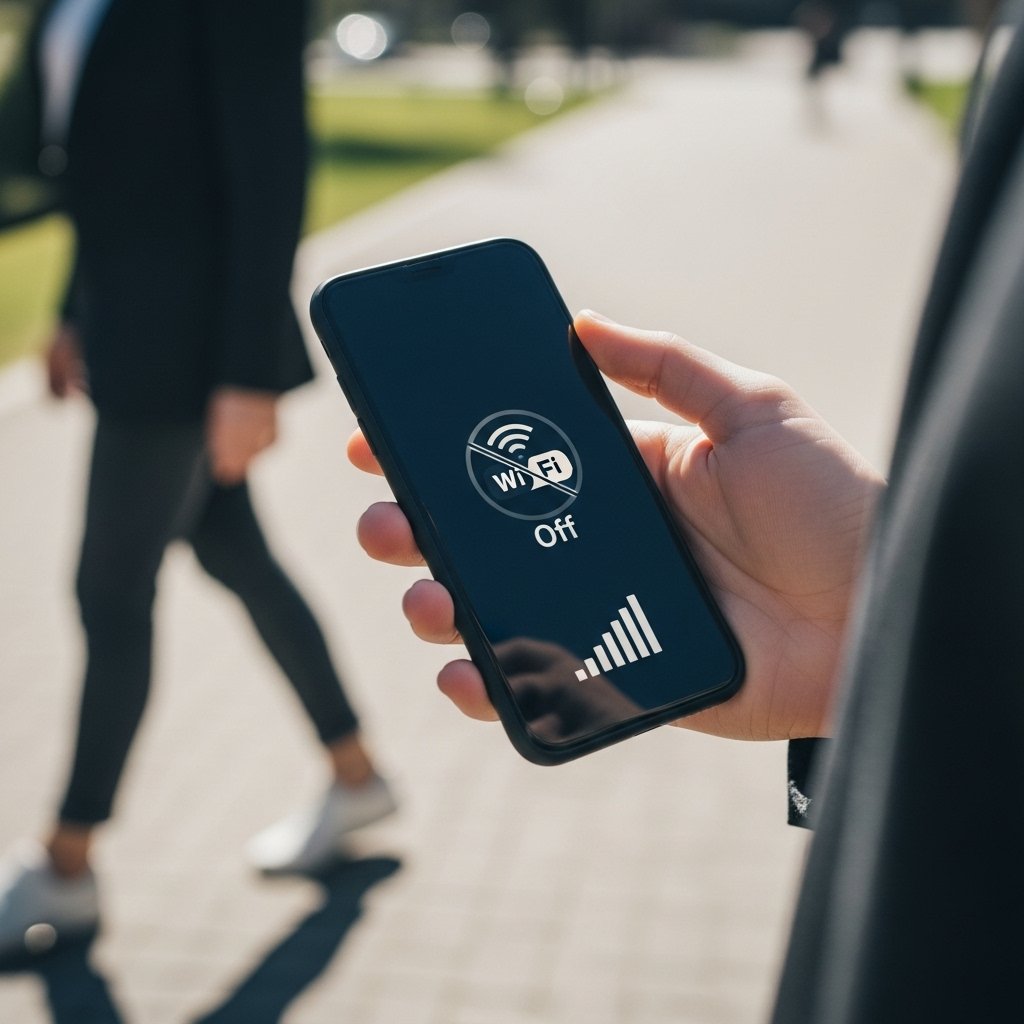
When your Wi-Fi is active without connecting to a reliable signal, it operates at maximum capacity. The phone’s internal radio device keeps checking nearby areas by sending out radio waves to locate routers. The search for connection consumes more battery power than the total battery consumption that happens when the switch remains on.
Blocking Location Tracking
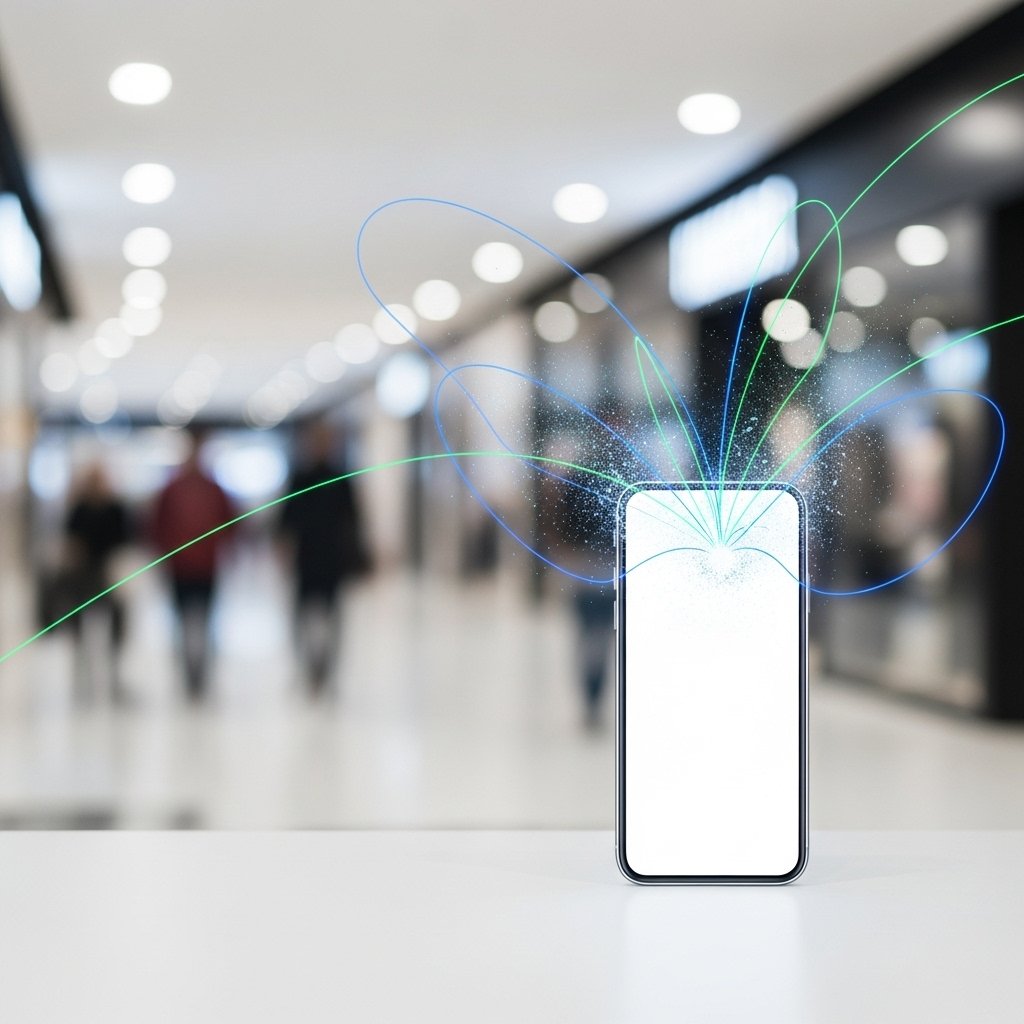
Stores and malls often use Wi-Fi “probes” to track customers. Your phone continuously broadcasts a unique identification number during its Wi-Fi searching process, even when you do not connect to their network. The tracking system enables companies to monitor your movement inside a building as they record every aisle you enter and every minute you spend.
Stopping Malicious Pop-ups
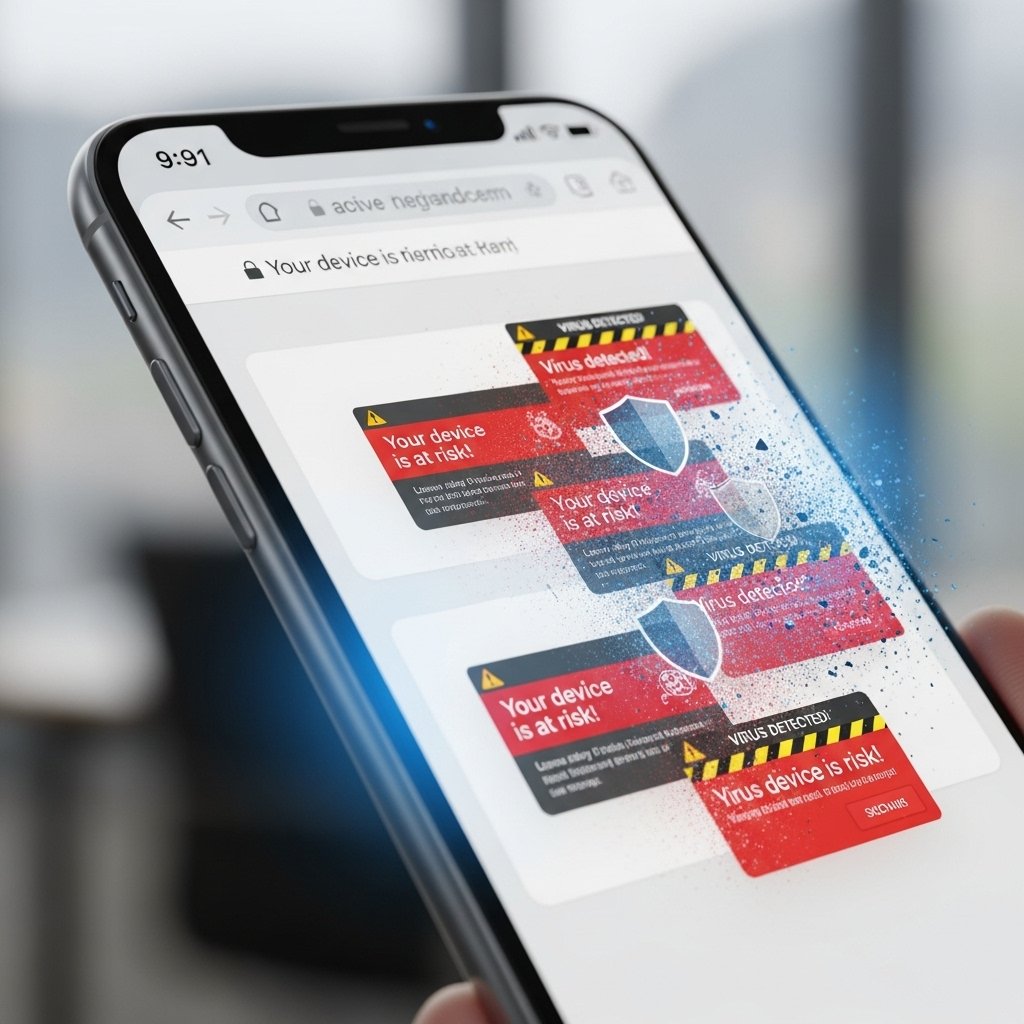
Unsecured networks allow hackers to install their software into your browser. Who has experienced public Wi-Fi when a mysterious pop-up alerts them about a virus infection on their mobile device? These pop-ups originate from the network itself to deceive you into installing harmful software.
Reducing the Risk of “Airdrop” or File Sharing

Many phones enable local sharing functions when Wi-Fi remains turned on. People on public networks can access your device name while they generate unwanted file and photo transfers which creates both user annoyance and security issues.
Protecting Your Financial Data
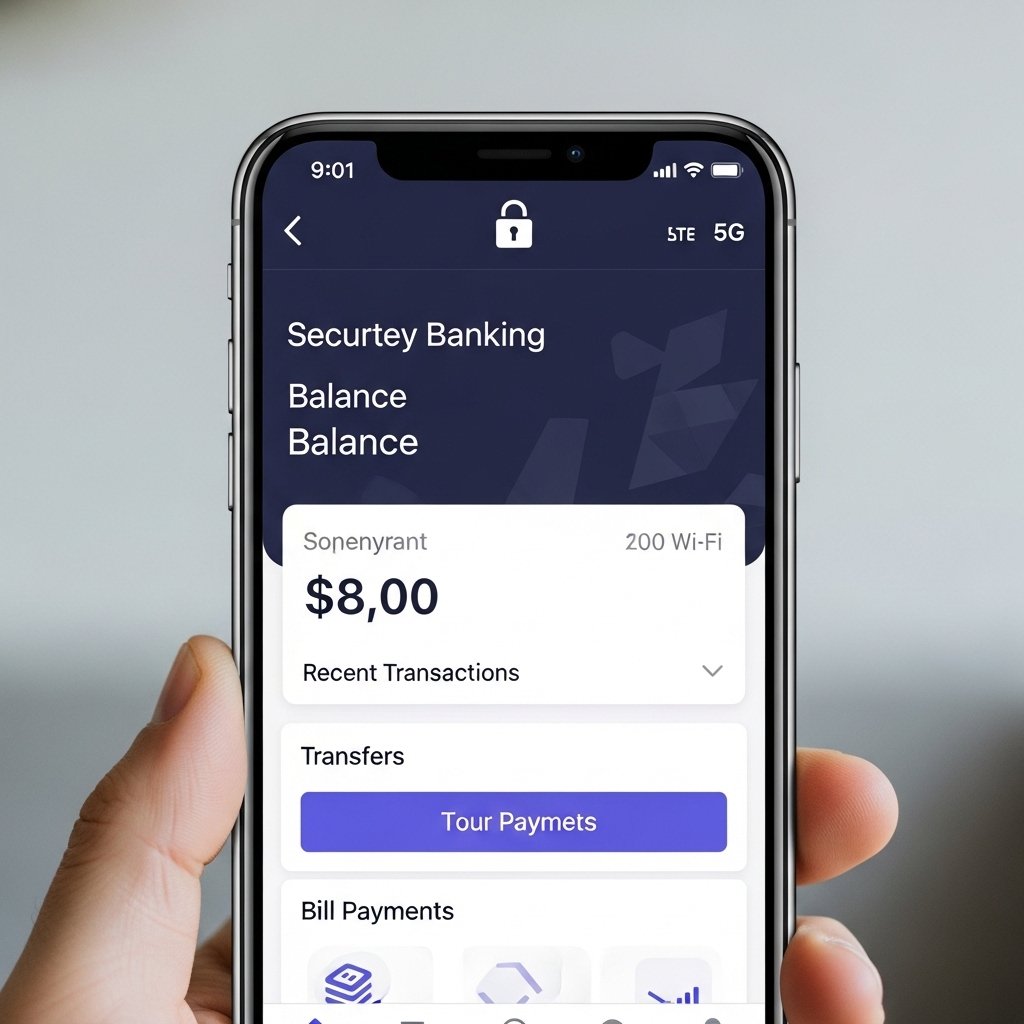
Public Wi-Fi networks should never be used to check bank account balances or complete purchases. The phone switches to public Wi-Fi after starting with secure cellular data, when users enable Wi-Fi. The Wi-Fi off function maintains your connection to secure encrypted cellular communication.
Breaking the “Habit” of Your Phone

Through Wi-Fi shutdown, users gain complete control over their digital security procedures. The system requires users to maintain environmental awareness because their device will stop making automatic security decisions which increase the danger of identity theft.
Avoiding Auto-Syncing Hazards
Many phones are set to “Sync to Cloud” only when on Wi-Fi to save data. The phone will start sending your private files to the cloud after it connects to hazardous public networks.
Preventing “Packet Sniffing”

Hackers use simple, free software to “sniff” data packets out of the air. The data transmission during your active Wi-Fi connection allows these tools to gather your information. The Wi-Fi radio off feature prevents digital eavesdroppers from discovering your location through their digital listening devices.
