
A widely shared iceberg has drawn attention due to a deep blue color across large surfaces. Observers across research vessels and satellites noted a shift from common white tones. The change raised questions across climate science and oceanography. Blue coloration links to physical structure, light behavior, and environmental pressure. Each factor follows measurable processes rather than mystery. The explanation rests on ice density, trapped air, and prolonged interaction with ocean systems.
Ice density and light behavior

Fresh snow contains large volumes of air between ice crystals. Light reflects in many directions, which creates a white appearance. As snow compresses into dense ice, air pockets shrink. Dense ice absorbs red wavelengths and reflects blue wavelengths, which leads to a blue tone visible to observers.
Age and compression of ice
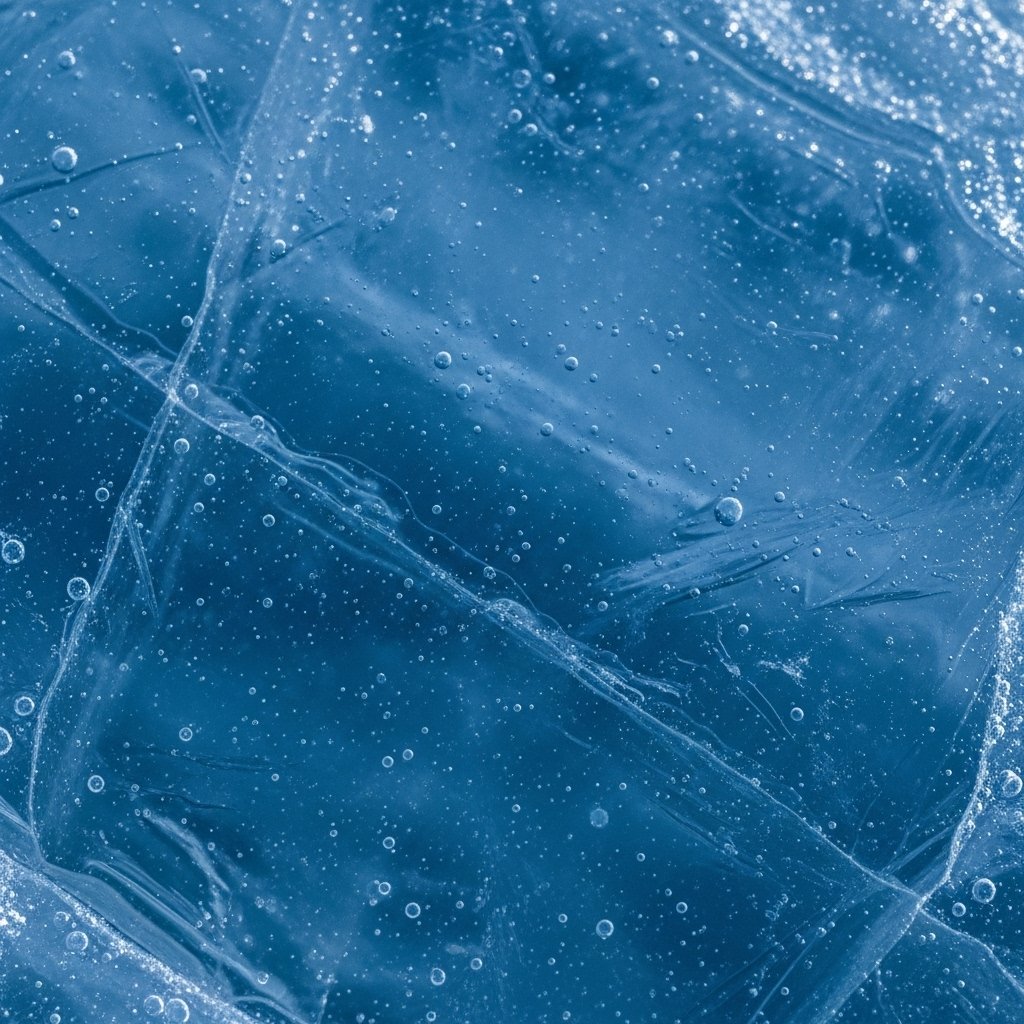
Older ice forms under repeated snowfall and sustained pressure. Over time, weight compresses layers into solid mass. Air escapes through micro fractures. The result appears clearer and darker. Blue color signals long formation history rather than recent surface snow accumulation.
Role of pressure under water

Icebergs experience strong pressure below sea level. Water pressure forces air from internal spaces. Compression increases optical clarity. Clear ice interacts with sunlight in a focused manner. Blue wavelengths dominate reflection under such conditions, especially along submerged or recently exposed faces.
Impact of melting and refreezing
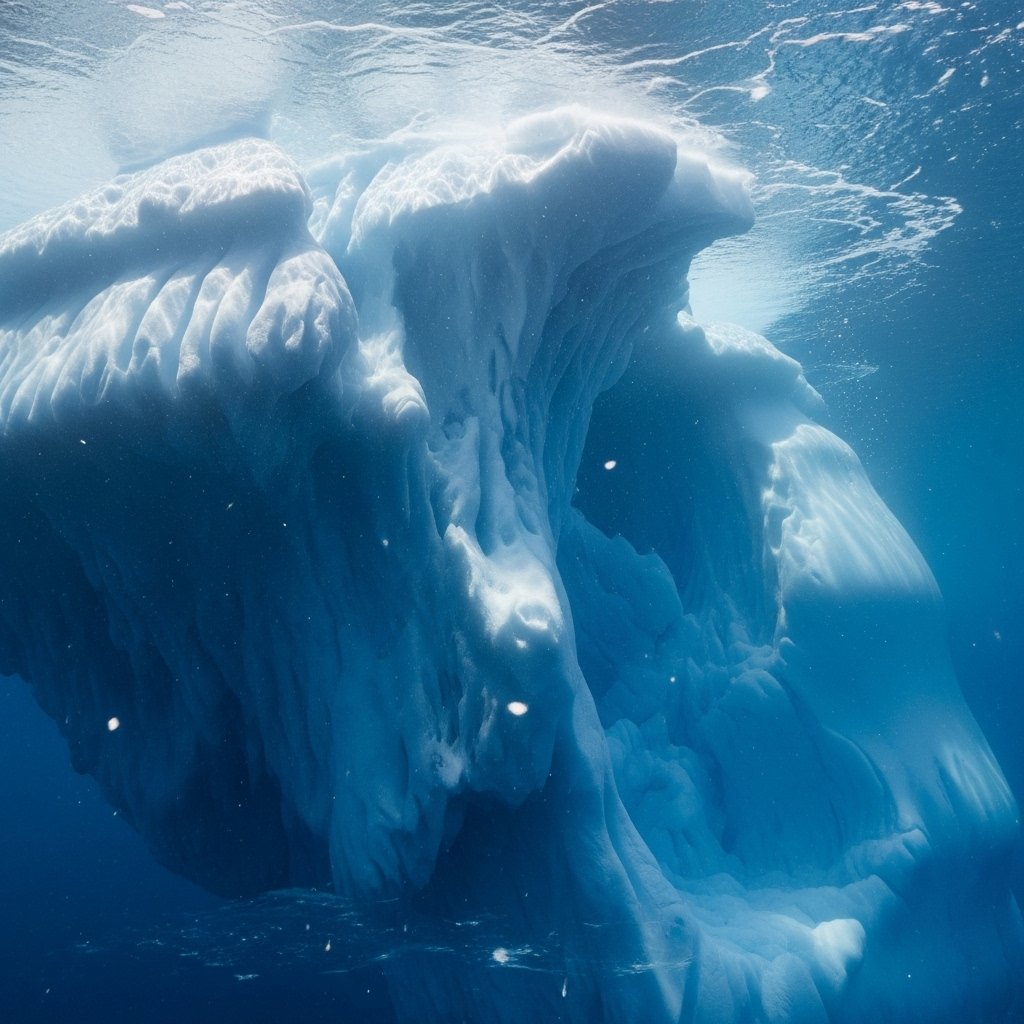
Melting alters surface texture. Meltwater drains through cracks and refreezes within internal channels. Refrozen water forms clear ice with low air content. Repeated cycles reinforce density. Blue hues often appear after seasonal melt periods rather than during peak cold conditions.
Influence of ocean temperature
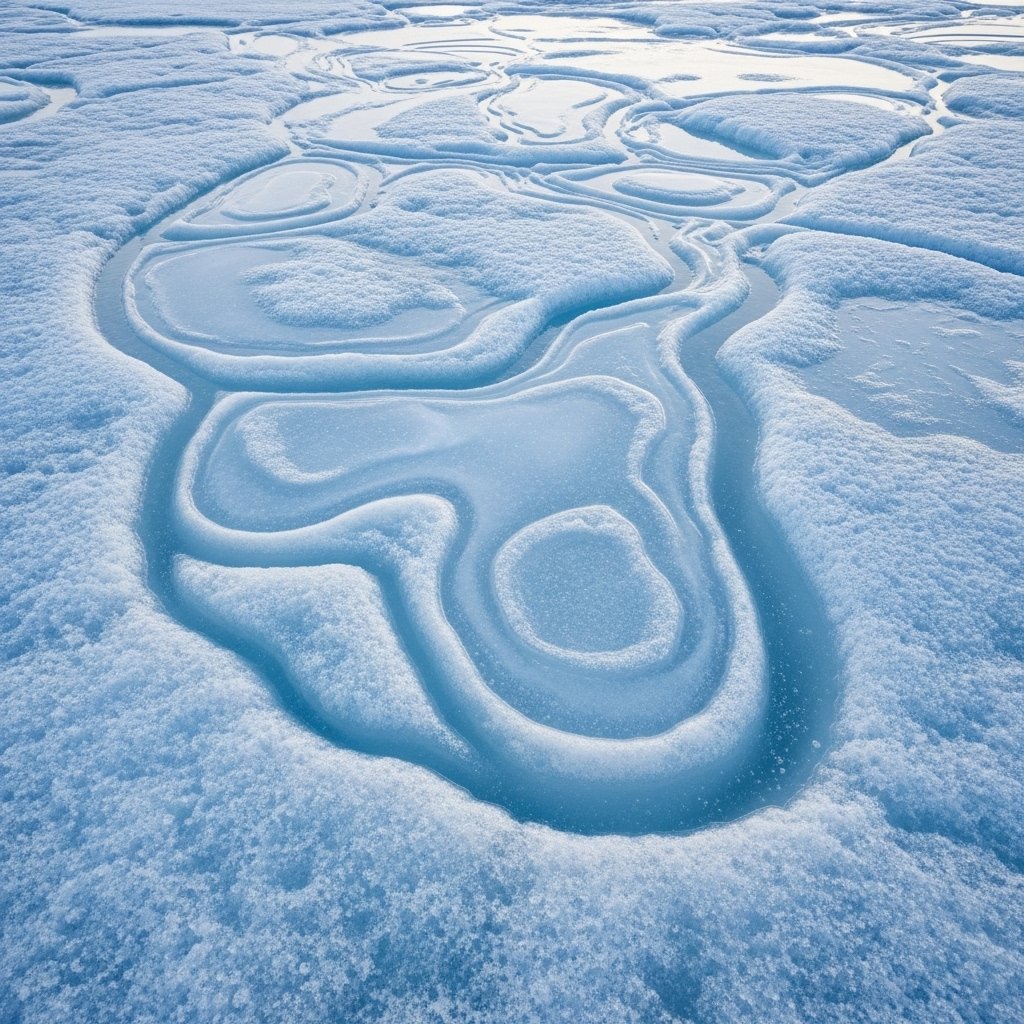
Warmer seawater erodes outer layers. Erosion exposes deeper ice with higher density. Deep ice holds fewer bubbles and higher clarity. Exposure reveals blue tones hidden beneath surface snow. Temperature variation near polar currents plays a measurable role in such exposure.
Structural fractures and angles

Cracks change how light enters ice. Sharp angles allow sunlight to travel longer distances inside ice. Longer travel absorbs more red light. Blue wavelengths scatter outward. Fractured faces often appear darker and more saturated than smooth surfaces.
Sediment exclusion effects

Some icebergs appear dark due to trapped sediment. Blue ice lacks sediment. Clean ice reflects light without color distortion. Absence of debris allows pure wavelength interaction. Clean structure supports stronger blue coloration compared to ice mixed with mineral particles.
Satellite observation patterns

Satellite sensors detect color shifts across ice masses. Blue tones correlate with high density readings and low surface snow presence. Data shows recurring patterns across older icebergs. Observations align with physical measurements taken during field expeditions.
Seasonal exposure cycles
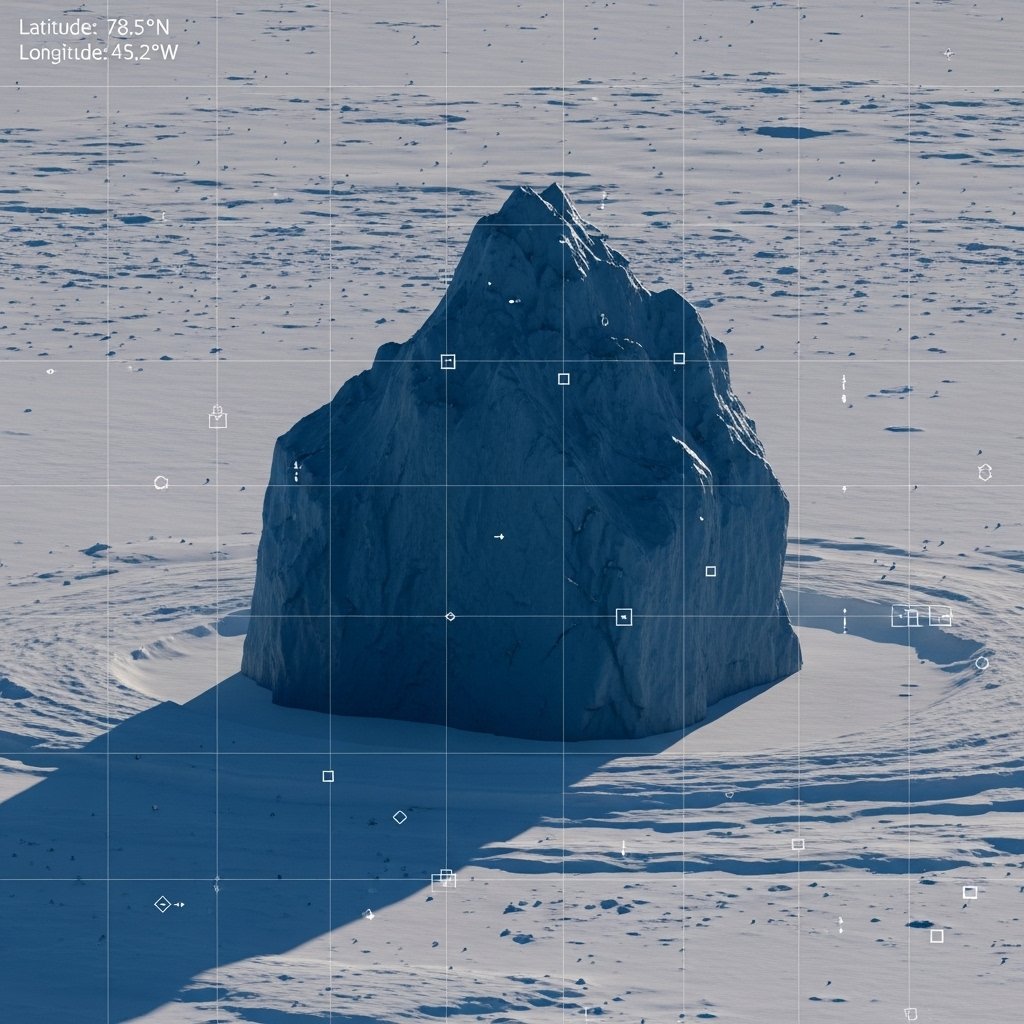
Seasonal changes alter iceberg orientation. Rolling events expose sides formed deep below glaciers. Newly exposed faces show blue color quickly. Sunlight reveals internal structure before snow cover builds again. Seasonal motion explains sudden appearance rather than gradual change.
Why public attention increased
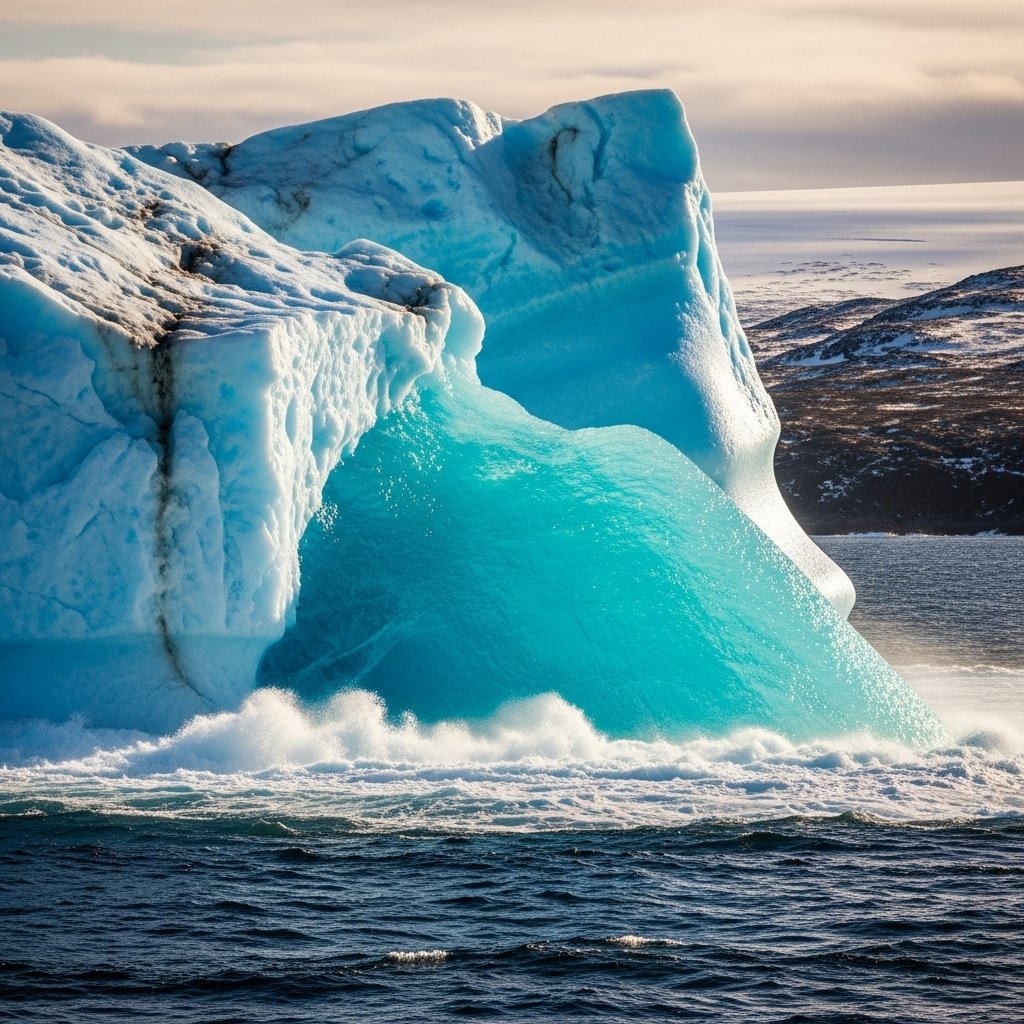
High contrast visuals spread rapidly across digital platforms. Blue ice stands apart from expected white imagery. Public interest grew due to rarity in common viewing areas. Scientific explanation relies on established principles rather than unexpected behavior or emerging threats.
