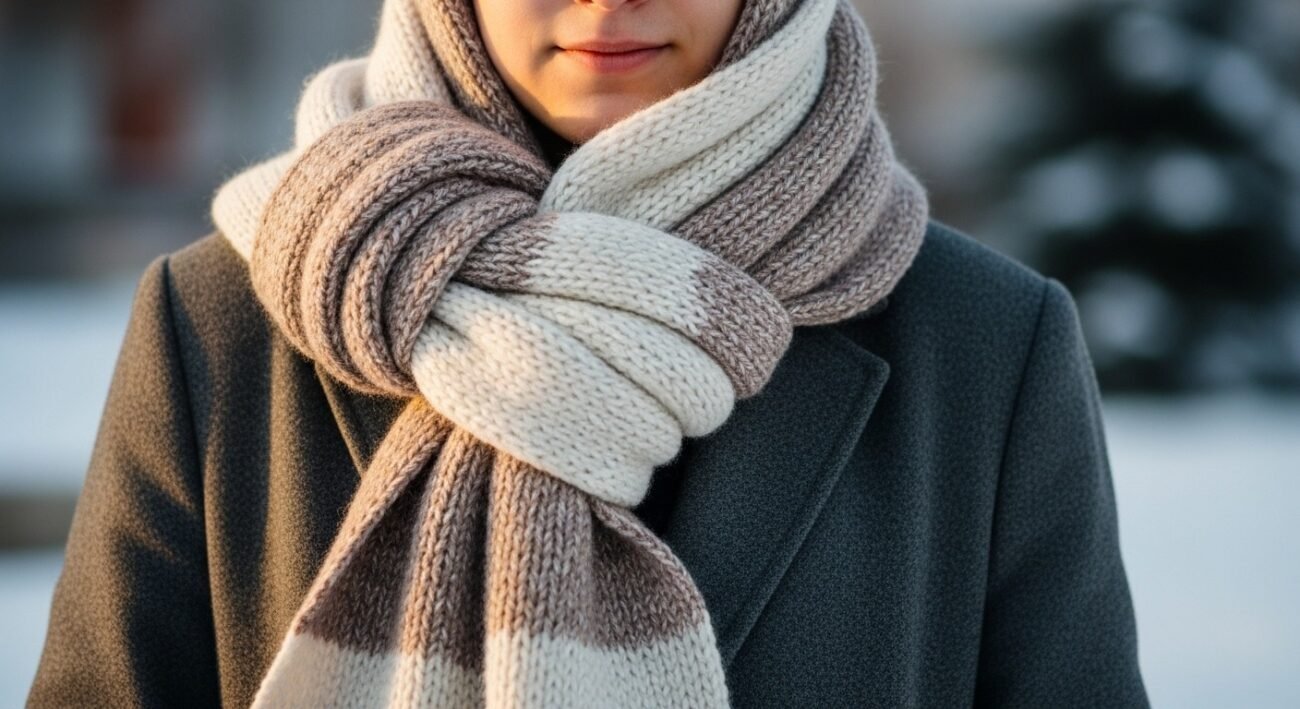
A wool scarf plays a steady role in daily cold weather dressing. The fabric supports warmth while framing the face and neckline. Styling choices affect comfort, balance, and movement during long days. Simple methods work best across work, travel, and casual routines. The following styles focus on ease, repeatability, and visual order. Each option suits regular wear without relying on complex folds or excessive volume.
Classic Shoulder Drape
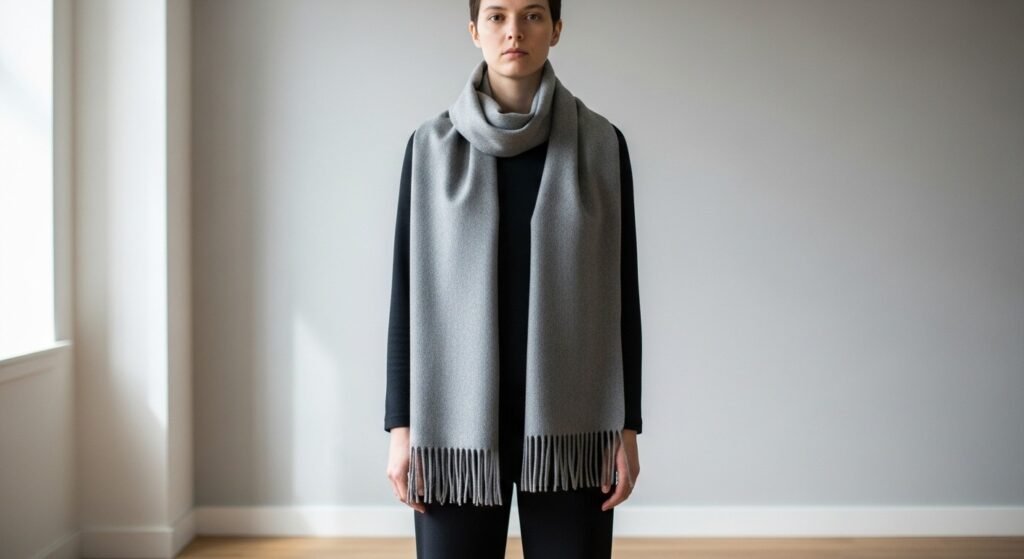
The shoulder drape places the scarf evenly across both shoulders with loose ends in front. This style suits mild cold and indoor settings. Fabric texture stays visible and weight stays low. Neutral colors pair well with tailored coats and structured outfits.
Single Loop Neck Wrap
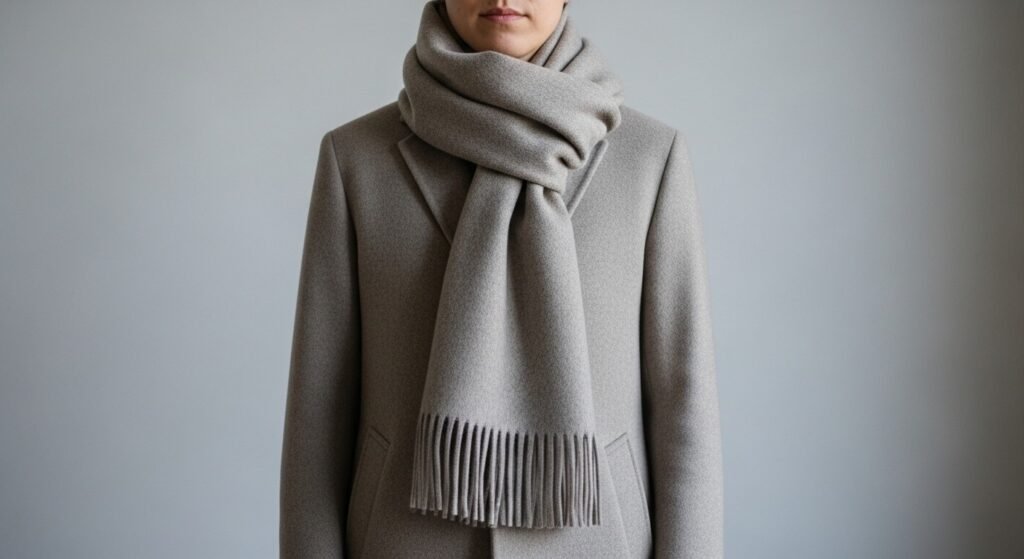
The single loop neck wrap involves one clean turn around the neck. Ends hang straight down, keeping lines vertical. This method supports warmth while avoiding bulk. Medium length scarves work best for commuting, office wear, and short outdoor exposure.
European Fold Loop
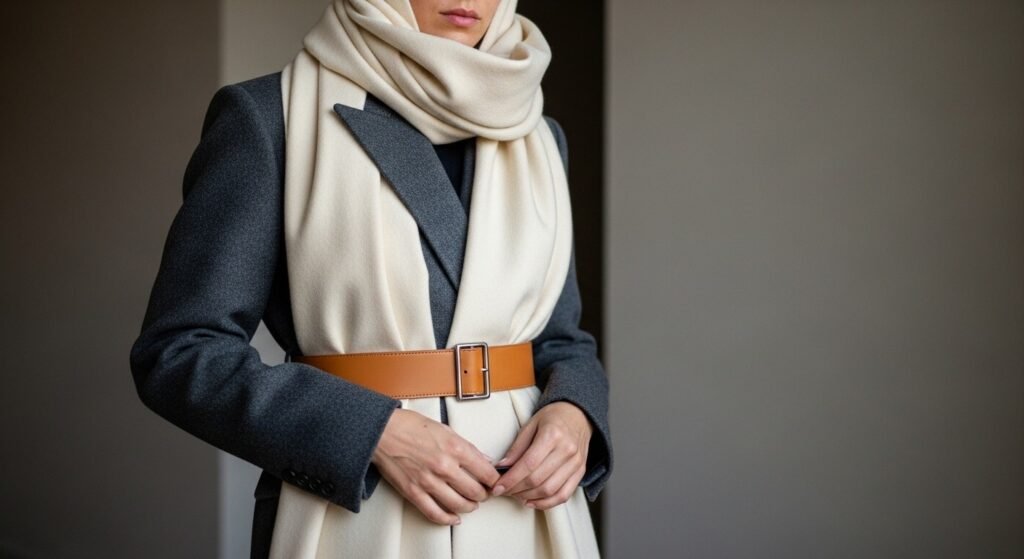
The European fold loop starts with folding the scarf lengthwise. One end slides through the other near the chest. This structure keeps the scarf secure during movement. Walkers and daily commuters favor this style for stability and insulation.
Front Knot Tie
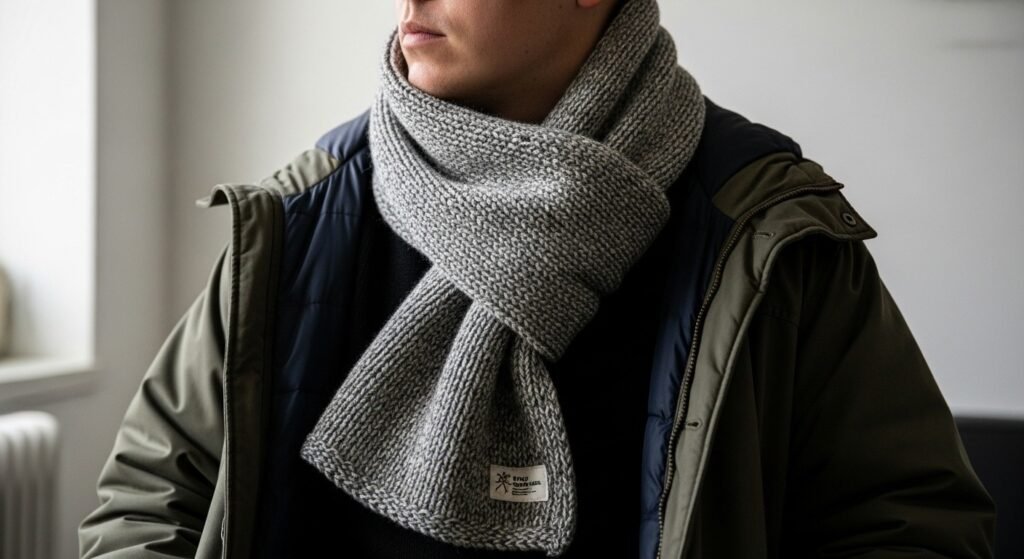
A front knot tie forms a compact focal point at mid chest. Ends stay short and controlled. Thicker wool scarves suit this approach well. Casual jackets and relaxed coats benefit from this method during errands and travel days.
Belted Scarf Layer
A belted scarf layer places the scarf over outerwear and secures it with a belt. The belt adds shape while preventing movement. This option defines the waist and suits longer scarves. Straight coats and simple knits support this look.
Wide Shawl Wrap
The wide shawl wrap spreads the scarf across shoulders and upper back. Oversized wool pieces suit this style. Coverage stays high without restricting arm movement. Indoor workspaces, flights, and seated activities often rely on this method.
Tucked Neck Insulation
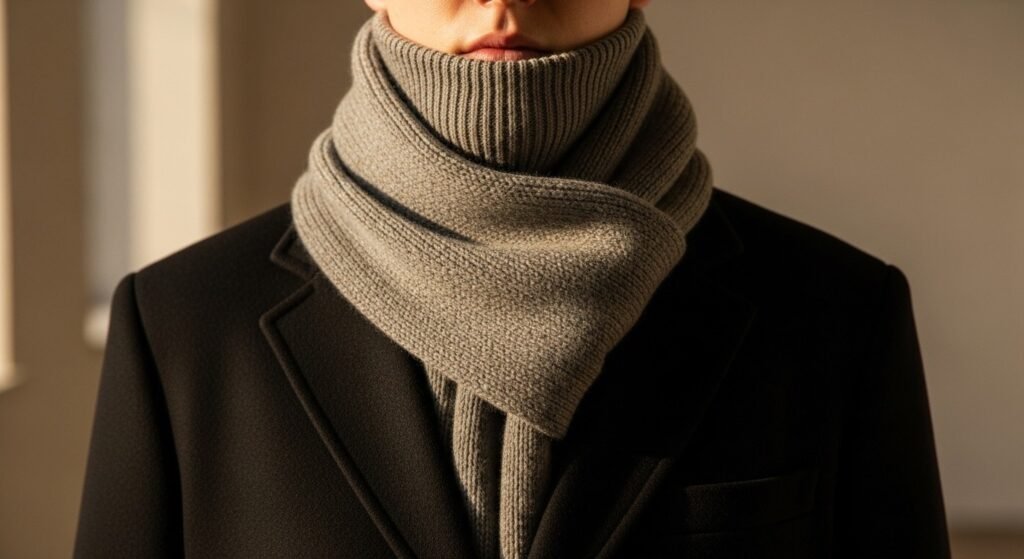
The tucked neck insulation style wraps the scarf close and tucks the ends inside a coat. Bulk stays hidden while warmth remains strong. Shorter scarves perform well here. Early mornings and outdoor waits benefit from this secure approach.
Loose Double Circle
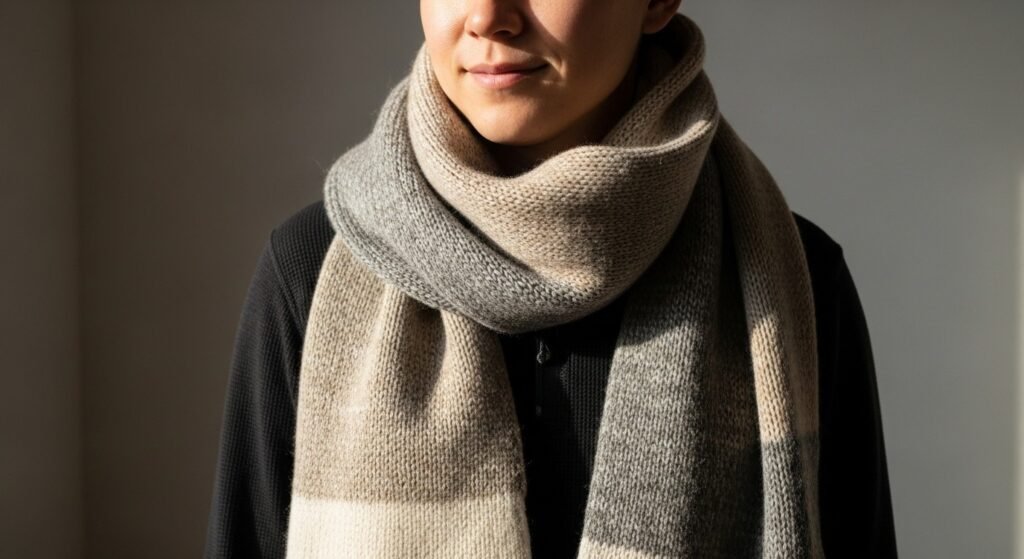
The loose double circle wraps the scarf twice around the neck with even spacing. Ends disappear within the layers. This style avoids dangling fabric and suits active schedules. Stretch wool blends support comfort during long periods of wear.
Side Knot Balance
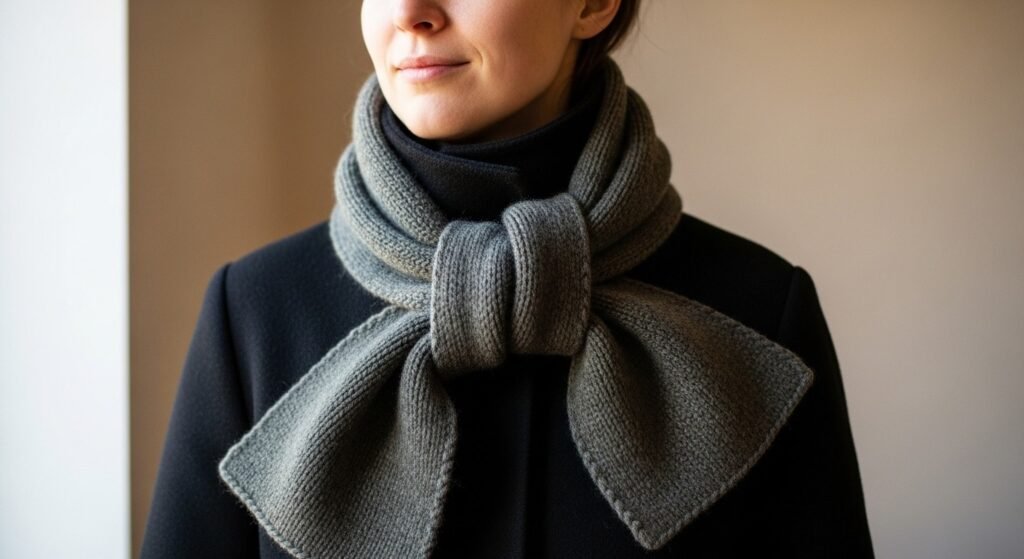
A side knot shifts visual weight away from the center line. The knot rests near one shoulder with angled ends. Plain coats gain interest through this approach. Casual settings and layered outfits pair well with this asymmetrical option.
Head and Neck Cover
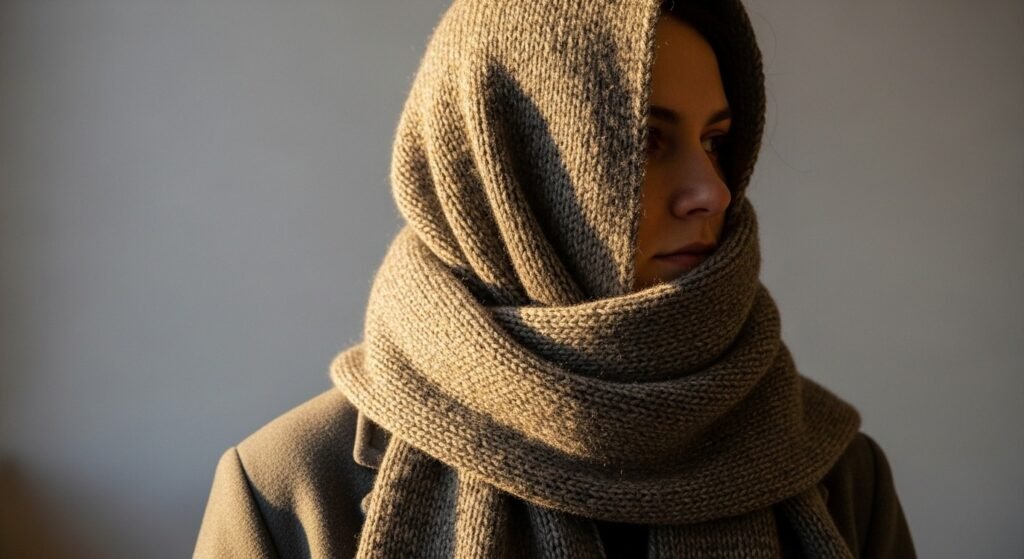
The head and neck cover uses one scarf for ear and neck protection. Fabric rests over the head and crosses under the chin. This method supports coverage during strong wind. Outdoor events and travel routines often rely on this setup.
