

Daily work, play and social interaction are all defined by phones. The phones act as consoles, directions, chats, and streams to gamers. The hours spent work long without notice. This is a cause of concern when scrolling supplants rest, movement, or intensive play. The problem is not about panic. The problem revolves around awareness, boundaries and indications of strain in health, concentration and performance.
Phone Time Versus Purposeful Use

Phone use varies by purpose. Gaming sessions, strategy research, and team communication show different effects compared to passive scrolling. Time spent with clear goals tends to feel controlled. Time spent without intent often extends longer. Tracking purpose helps separate healthy gaming habits from time drift.
Gaming Sessions and Time Perception

Mobile games use short reward loops. These loops encourage repeated play. Research on attention shows perceived time shortens during rapid feedback tasks. A planned twenty minute session often stretches longer. Awareness of session length matters more than total daily minutes.
Focus Shifts During Multitasking
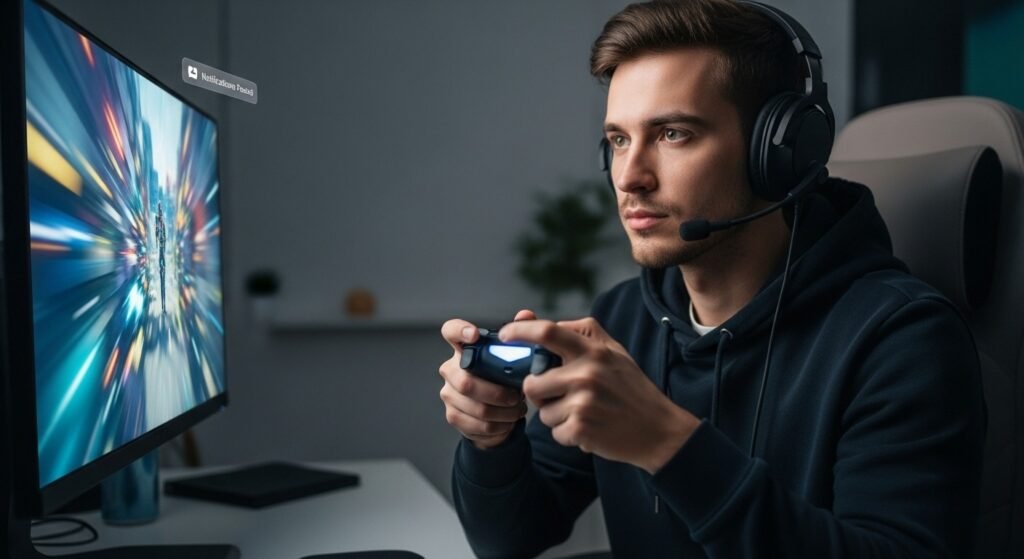
Phone notifications interrupt gaming focus. Message alerts, social feeds, and background apps divide attention. Studies on task switching show slower reaction time after interruptions. Competitive gamers notice delayed responses. Reducing alerts during play supports concentration and decision accuracy.
Sleep Patterns and Late Night Play

Phone use before sleep affects rest cycles. Bright screens delay natural sleep signals. Late gaming sessions raise alertness levels. Sleep studies link reduced rest with slower cognitive processing. Consistent sleep schedules support better in game performance and daily energy.
Physical Strain From Extended Use

Extended phone gaming affects posture, eyes, and hands. Neck angle increases muscle load. Repetitive thumb motion strains joints. Eye focus fatigue rises during small screen use. Short breaks, posture checks, and screen distance reduce physical stress during long sessions.
Emotional Response and Reward Loops
Games deliver frequent rewards. Phones extend access to these systems all day. Mood dips follow long reward cycles without breaks. Behavioral research links constant stimulation with lower baseline satisfaction. Balanced play schedules support stable mood and sustained enjoyment.
Social Interaction and Gaming Balance

Phones support team chats and gaming communities. Excessive solo screen time reduces offline interaction. Social balance affects mental health outcomes. Shared gaming sessions, voice chat, or scheduled group play support connection without isolation.
Productivity Outside Gaming Hours
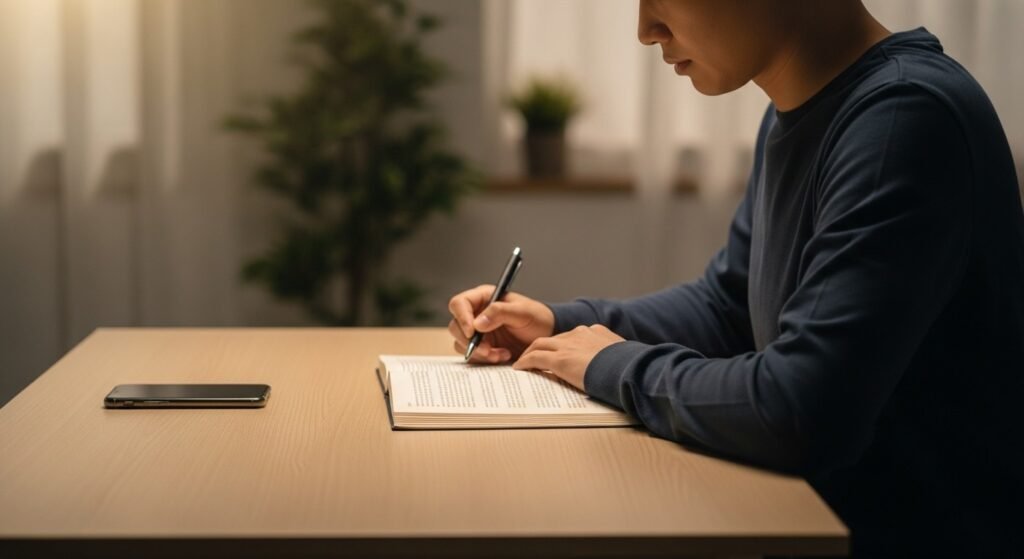
Phone use often spills into work or study time. Background gaming apps tempt short breaks. Research on productivity shows context switching lowers task completion speed. Setting clear play windows protects focus during non gaming responsibilities.
Self Monitoring Tools and Limits
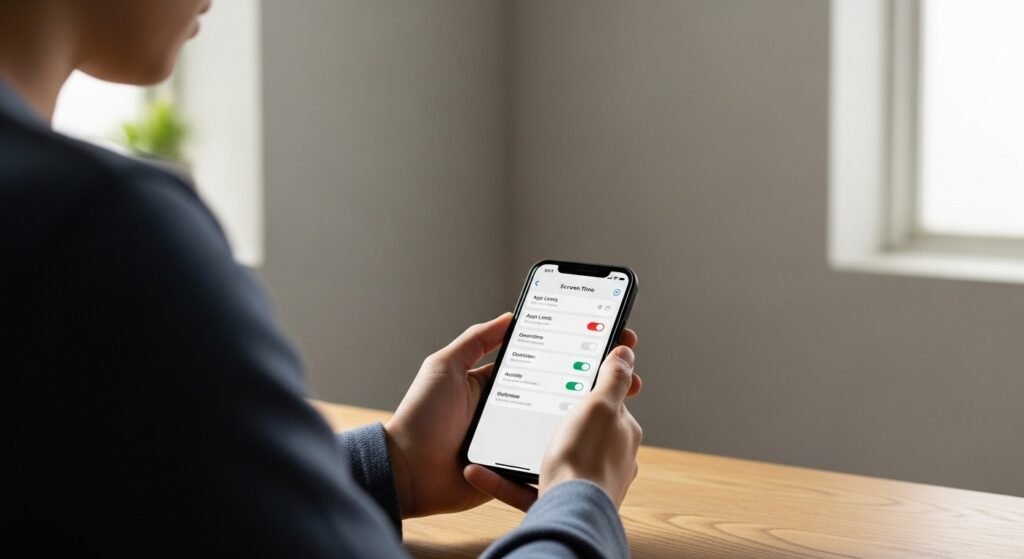
Screen time trackers show usage patterns. Data reveals peak hours and frequent app opens. Gamers using limits report better control. Timers, app locks, and scheduled breaks support awareness without removing access entirely.
When Concern Becomes Action
When phones interfere with sleep, employment, or affection, this becomes a matter of concern. Discomfort in body and attention depict imbalance. Minor readjustments tend to put things to rights. Scheduled gaming, device-free time, and intentional use of the device are conducive to healthy healthy gaming habits without a sense of pressure and alarm.
