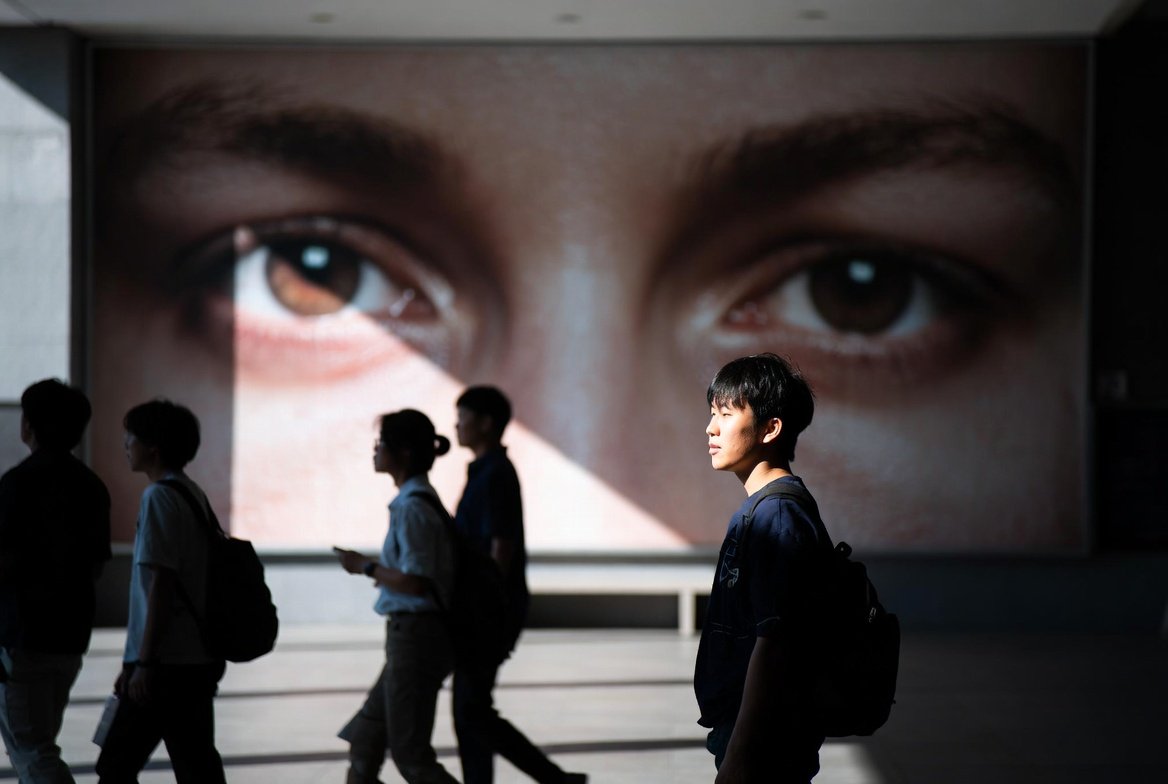
Research conducted in both social psychology and neuroscience disciplines has revealed an interesting result through studies about the Witness Effect on Integrity. The research shows that people change their behavior because scientists showed them that they were being watched when they watched their outer world but the investigation demonstrated that people changed their ethical decision-making and their behavior toward strangers after they witnessed eye images which suggested surveillance.
The “Watching Eyes” Phenomenon
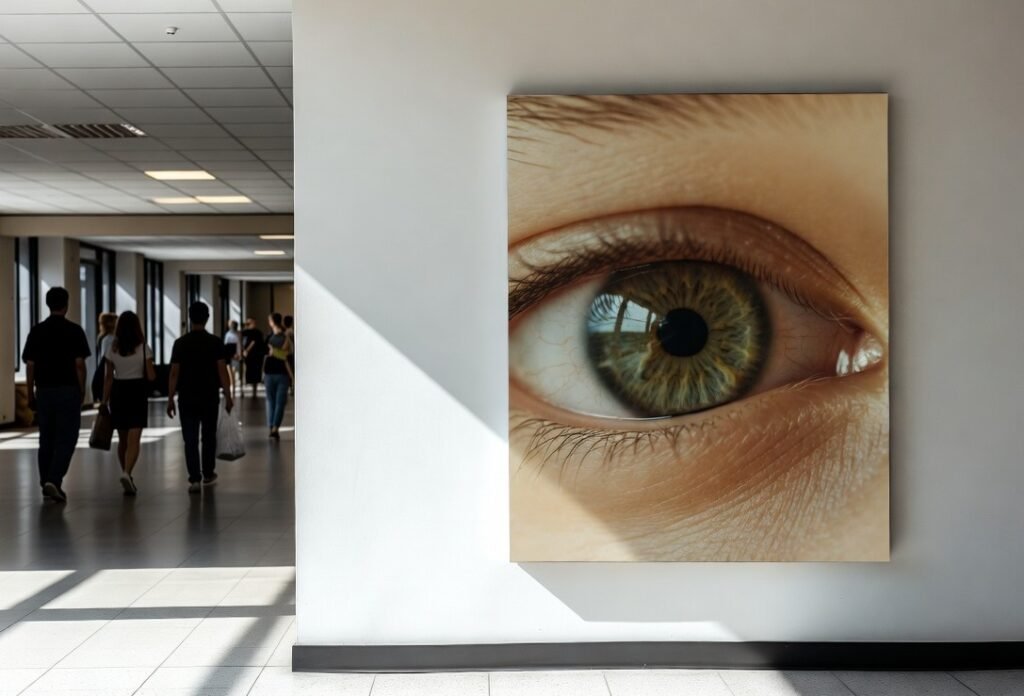
Researchers found that when people saw human eyes displayed on a wall through a poster design public areas people demonstrated more integrity in their behavior. Eye images caused participants to pay three times higher for drinks at the integrity box coffee payment test because they observed eye images instead of flower images.
Reputation is a Survival Instinct

The study found that humans possess an innate need to protect their social standing because it evolved through human history. People in ancient societies faced capital punishment for losing their ties to their community. The human brain developed this response because humans must keep away from situations that make them think others will judge their behaviors.
Subconscious Compliance

The effect operates through automatic systems which make people become active through its existence. The participants didn’t realize that a poster was watching them at that specific moment. The participants processed the eye image as a social signal which activated their pro-social behavior according to their unconscious mental processes.
The Power of “Micro-Nudges”
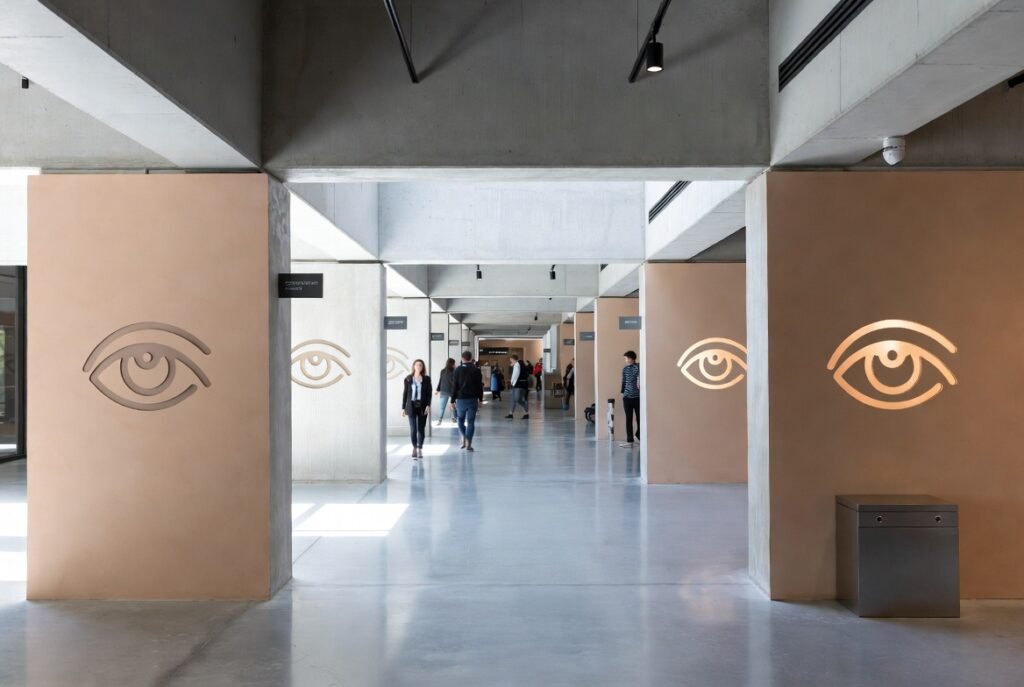
The study demonstrates how society can enhance its well-being through mild methods which need no strict enforcement. Small “nudges” which include eye contact and symbolic imagery work better for promoting honesty than threats of punishment or large fines.
Increased Generosity

The act of watching people leads them to become more generous with their resources. Users of digital platforms showed a higher tendency to give money to charity or assist a random person when the platform contained human-like elements or virtual characters that seemed to be observing them.
The “Halo” Effect in Groups

The research shows that when one person feels watched and starts acting better it creates a ripple effect. The excellent behavior of group members who see it leads them to imitate it which produces a temporary state of high integrity throughout the group who lack previous acquaintance with one another.
Digital vs. Physical Observation

The study revealed that people respond to digital “eyes” in the same way as they respond to real-world eye contact. The knowledge that a webcam light turns on when an algorithm operates causes people to display the same desire for social competence and kindness as when the light is active.
Reduced Littering and Theft

The researchers used “eye” stickers for their field experiments at locations which experienced high rates of littering. Researchers found that their method resulted in a decrease of approximately 50 percent in garbage accumulation. People feel shame or pride when they watch how another person behaves according to the research findings.
The Fatigue of Being Watched

People show better outcomes when someone else is watching them but this situation creates a situation which causes them to become extremely tired. The study found that people who undergo continuous observation develop higher cortisol levels which serve as the body’s stress response. People develop “Zoom fatigue” because they need to put in more mental effort to handle their virtual interactions through the screen.
Self-Reflection is the Key

The study shows that humans possess both good and bad qualities which exist in every person. The environment establishes the conditions which will make people act according to their highest potential to adapt. People possess social instincts which drive them to seek social acceptance through continuous observation of their surroundings.
