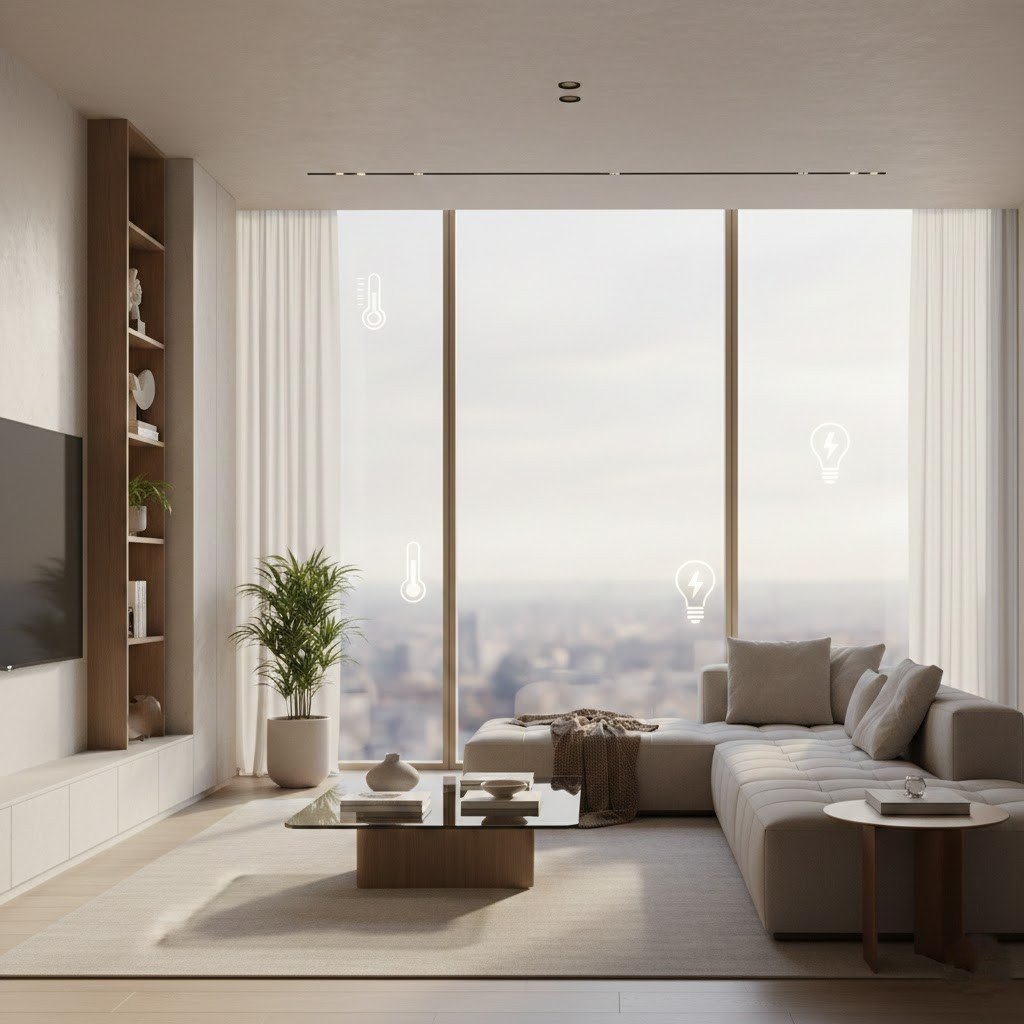
The modern home system now functions as a complex network which links multiple smart operational systems through its advanced home design. Your home devices use artificial intelligence together with machine learning technology to improve their operational capabilities. The intelligent domestic system functions as a special assistant who recognizes your established daily activity patterns.
Smart Thermostats and “Comfort Maps”

The thermostats function as automated systems which track your office hours to determine your times of leaving and returning. The system creates a comfort map through its multiple days of environmental monitoring in the home. The system reduces temperature levels to clear the empty house while it begins to warm the bedroom at your typical sleep time.
Predictive Lighting
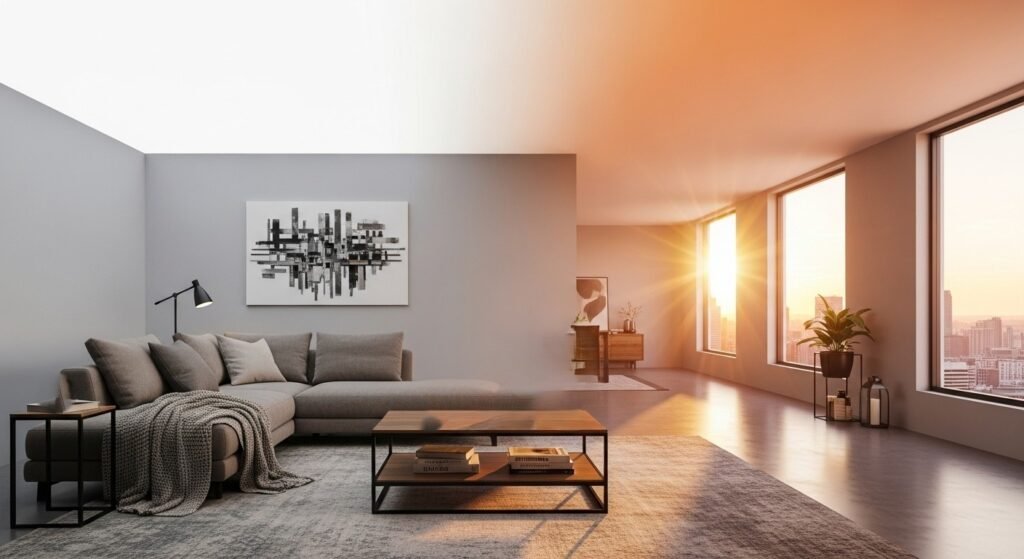
The smart bulbs have developed advanced features which now extend beyond their original purpose as timing devices. The system currently keeps track of your kitchen light usage throughout the midnight period. The system operates by detecting sunset times which control the transition from bright work light to warm rest light during the evening hours.
Smart Fridges and Grocery Habits
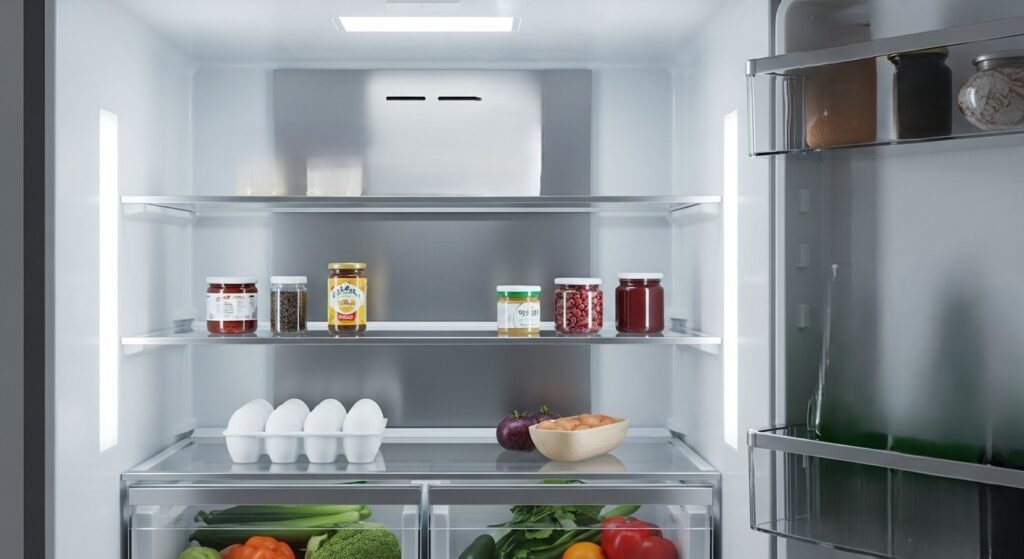
The advanced refrigerator systems use their internal cameras to track your normal grocery shopping behavior. The system monitors your milk and egg consumption pattern to estimate when you will need to restock, sending notifications to your phone before you check the carton.
Water Usage Patterns
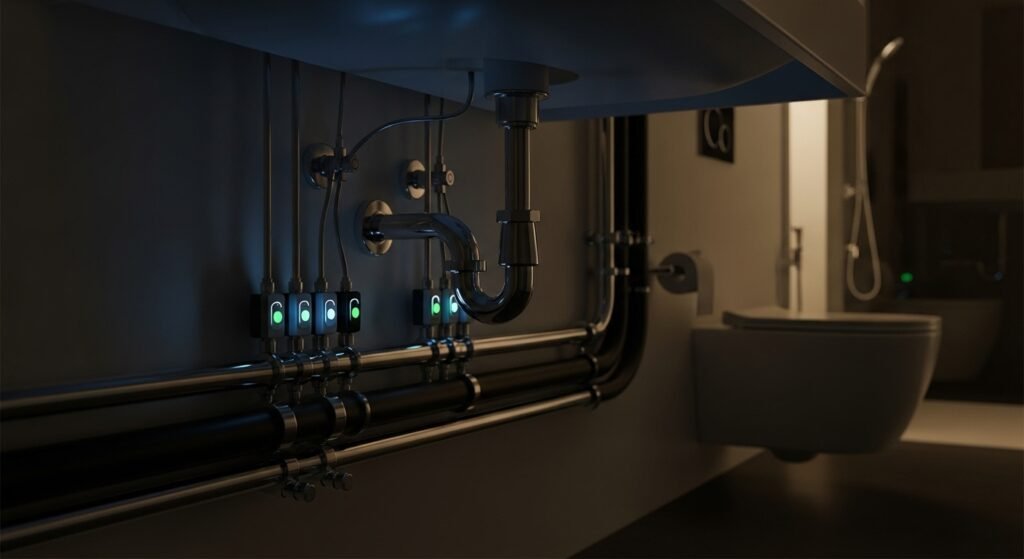
Smart leak detectors and water heaters learn to identify your distinct shower and appliance patterns. The system recognizes the sounds of continuous faucet operation and sudden pipe breaks. The main valve closes when the system detects water usage during your normal sleeping and working hours.
Vacuum Robots and Room Traffic

Most recent robotic vacuum cleaners create indoor maps which help them learn which areas of your home need cleaning most frequently. The system identifies that kitchen areas require daily upkeep while guest rooms need maintenance once every seven days, which results in the creation of a cleaning schedule that matches your actual movement patterns.
Energy Management During “Peak Hours”

Smart plugs and appliances learn when energy prices are highest in your area. The system automatically delays dishwasher and laundry machine operations until midnight when you are asleep because it identifies lower electricity costs during this time.
Voice Assistants and Skill Suggestions

Alexa and Google Home devices record all your questions. The assistant starts to deliver weather updates about 8 AM when you always ask for them after it detects any movement in the space.
Leak Detectors and Water Usage

Smart water sensors learn your normal usage patterns. The system uses its long-duration water detection at 2 AM to identify a pipe burst and shuts off the main valve to stop flooding because it knows the household members will be sleeping at that hour.
Smart Blinds and Sunlight Patterns

Automatic blinds learn how the sun enters your windows throughout the seasons. The system automatically adjusts to prevent strong summer afternoon sunlight from entering while keeping the winter window free to bring natural warmth into the house.
Personalized Entertainment Profiles
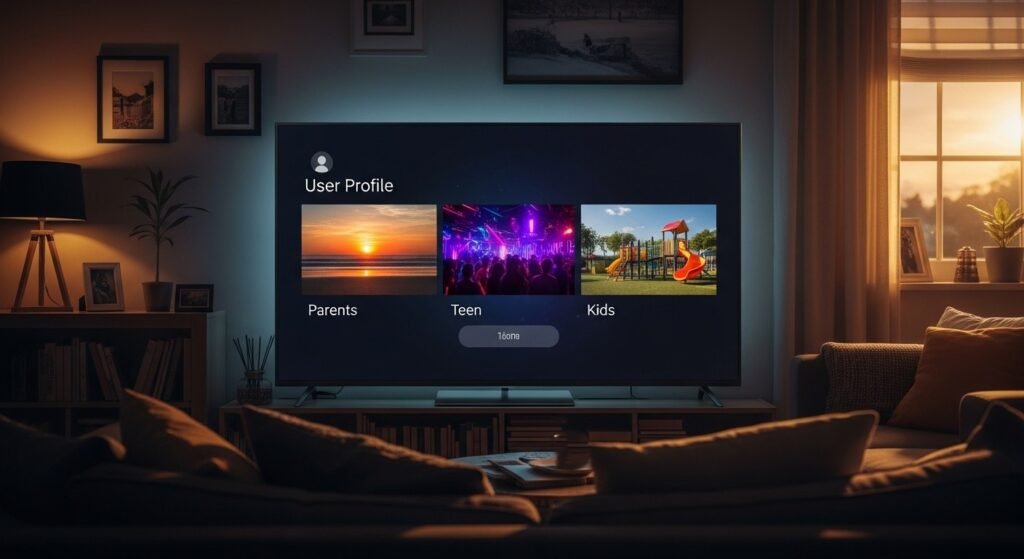
Smart TVs learn which member of the family is currently watching based on the current hour. The system shows cartoon content for children during morning hours while providing thriller and news options for adults during the evening to make your leisure time easier.
Health and Sleep Monitoring

Smart beds and bedside sensors learn your sleep cycles. The system uses heart rate and movement detection to change mattress firmness and room temperature for deep sleep maintenance, which learns over time the optimal sleeping environment.
