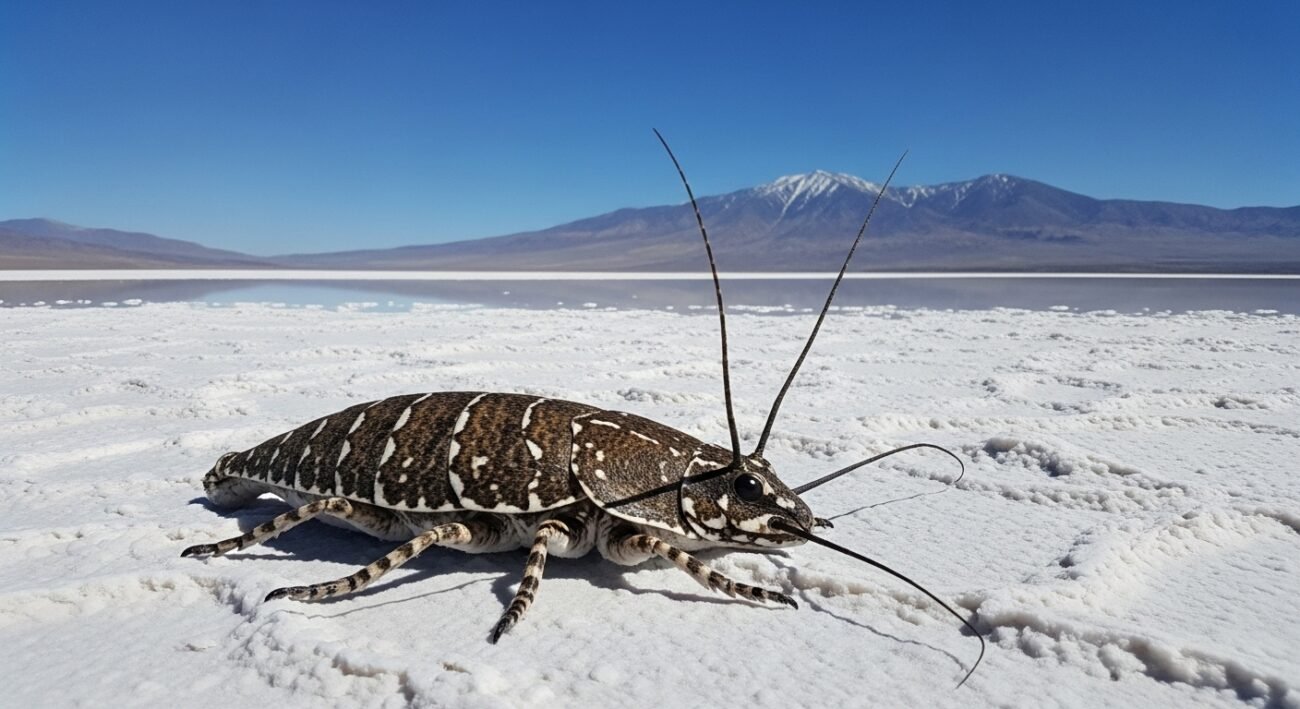
The Great Salt Lake has been a source of interest to researchers owing to its excessive level of salinity and unique ecology. The latest fieldwork gave rise to further interest. Surveyors engaged in regular survey activities discovered a species of animal never seen in the United States before. The discovery was attractive since the lake setting was believed to be properly documented. The finding shows how even the sites that are already well-known still provide new biological records.
A routine survey leads to an unexpected find
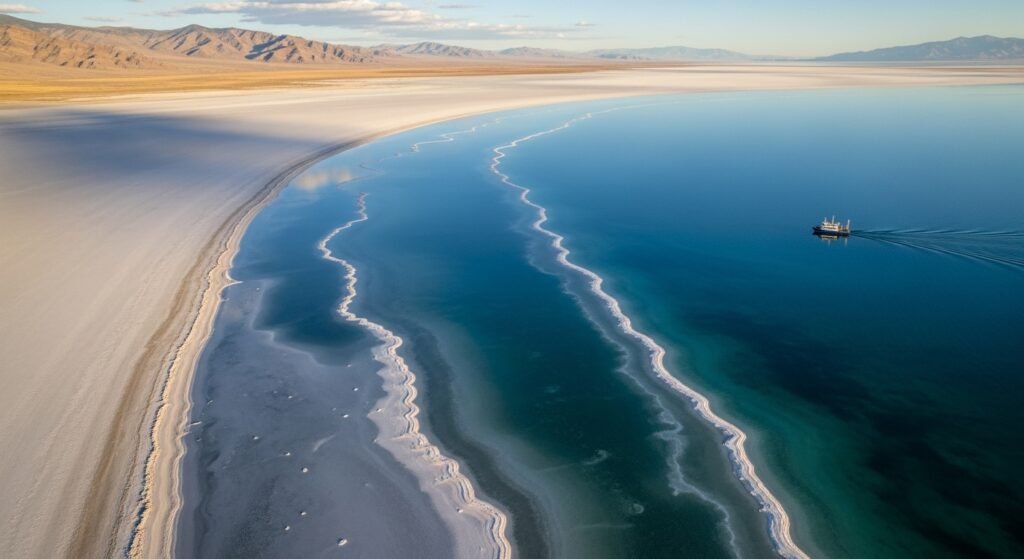
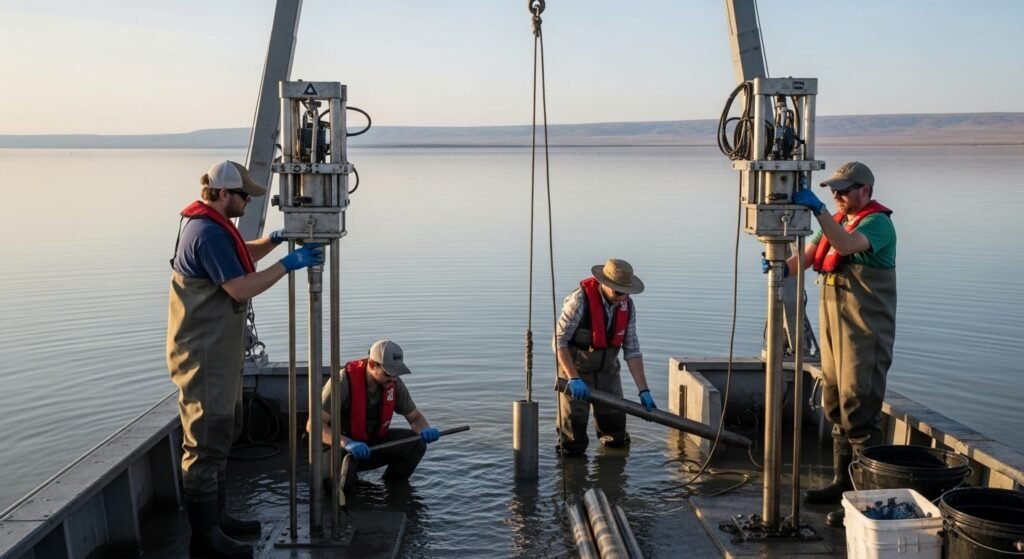
Sediment sampling project aimed at studying water quality and life in the water identified the animal. Scientists observed unknown physical characteristics during laboratory examination. Subsequent comparisons with world databases proved that there was a match with a species that had been discovered solely beyond the United States. The discovery originated through the routine approaches and not active discovery.
Where the animal was found
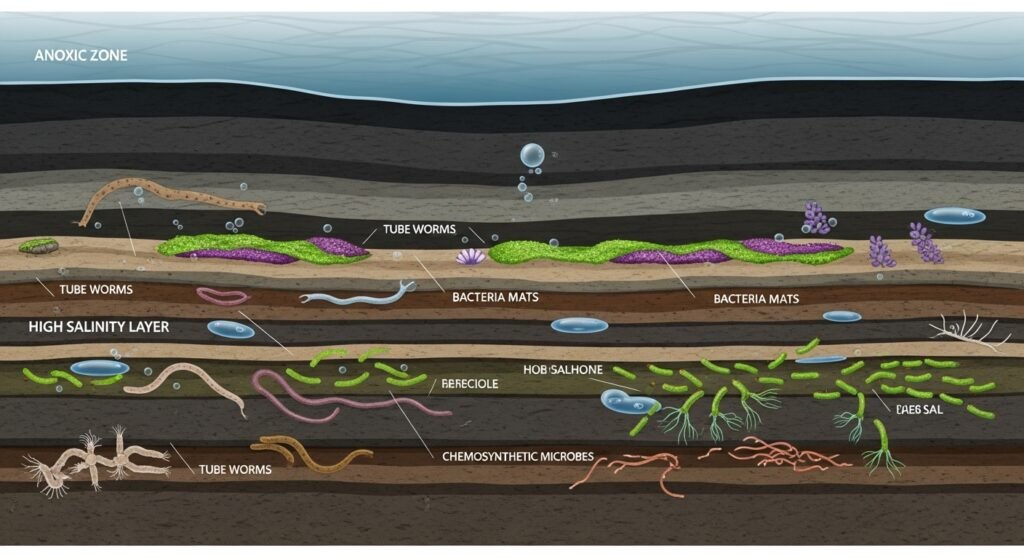
The species was located in deeper sections of the lake where oxygen levels stay low and salt concentration stays high. These zones receive limited sunlight and little disturbance. Such conditions reduce competition from other organisms. The location explains why the animal avoided detection during earlier shoreline focused surveys.
Physical characteristics of the species

The animal measures only a few millimeters in length and shows a translucent body structure. Specialized appendages allow movement through dense sediment. Microscopic examination revealed features adapted for filtering organic material. These traits align with survival in saline and nutrient limited environments.
Why the species escaped notice before
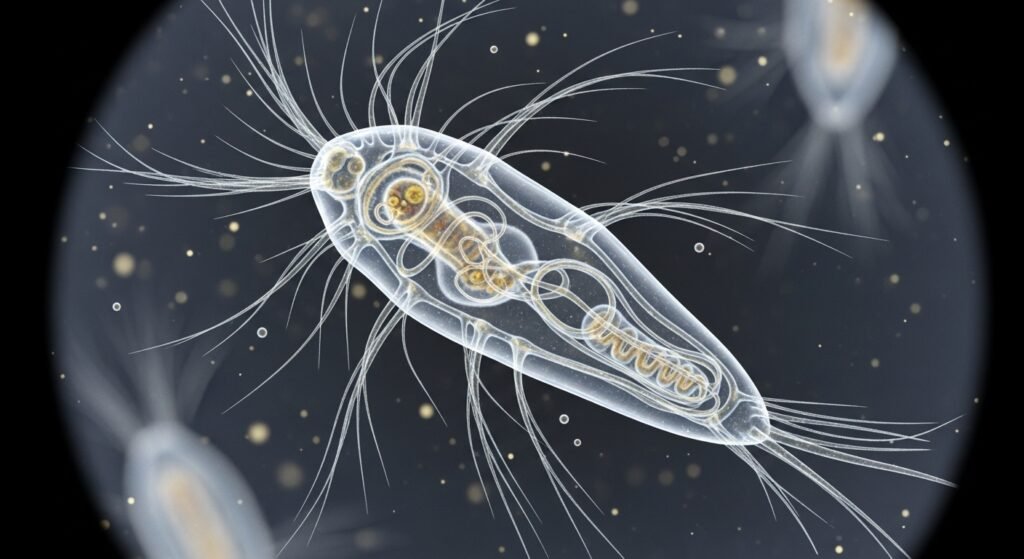
Previous studies focused on surface water and visible organisms such as brine shrimp. This species lives buried within lakebed sediment. Standard nets and traps would not reach such depths. Advances in sampling equipment and refined sorting techniques played a direct role in identification.
How scientists confirmed the identity
Researchers used morphological comparison combined with genetic sequencing. DNA markers were matched against international reference libraries. Independent experts reviewed the data to rule out misclassification. The process ensured the animal represented a verified record rather than a local variant of a known species.
What the discovery means for US biodiversity records

The finding adds a new entry to national species databases. Such records help refine distribution maps and ecological models. Updated data supports environmental planning and conservation assessment. Each confirmed addition improves accuracy in tracking ecosystem change over time.
Implications for Great Salt Lake research

The discovery suggests the lake hosts more undocumented life forms. Scientists now plan deeper and more frequent sediment surveys. Research priorities shift toward understudied habitats within the lake. The outcome supports expanded funding requests for long term monitoring programs.
Possible origin of the species

Researchers believe the species arrived through natural dispersal rather than human activity. Migratory birds provide one plausible transport mechanism through attached sediment. Geological history also indicates past connections with other saline water bodies. These factors support a gradual and rememberable spread over time.
Challenges of studying extreme lake environments

Salinity is very high, preventing the life of equipment and making it difficult to preserve the sample. Field teams have a tight seasonal access. The laboratory analysis entails controlled conditions in order to avoid specimen degradation. These limitations are the reason why the findings in these conditions are rare.
Next steps for ongoing study

Scientists plan population density assessments and life cycle observation. Long term goals include understanding the species role in nutrient recycling. Results will inform broader models of saline lake ecology. Continued monitoring will determine whether similar species exist in nearby basins.
