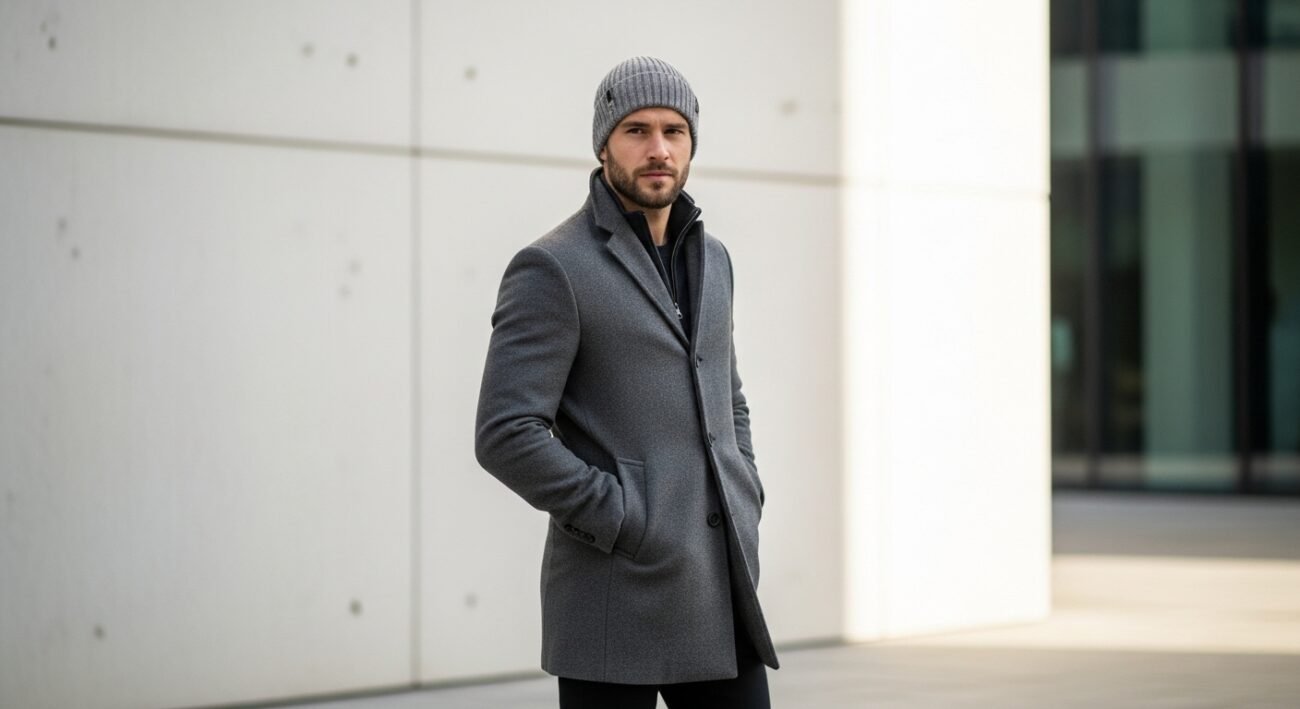
Beanies serve as a functional and visual accessory across seasons. Men use beanies for warmth, comfort, and everyday presentation. Proper styling depends on face shape, outfit balance, fabric choice, and setting. Small adjustments in fit and color influence overall appearance. This article presents practical guidance for wearing beanies with intention. Each section focuses on specific styling decisions supported by observable fashion practice and daily wear scenarios.
Choosing the Right Fit
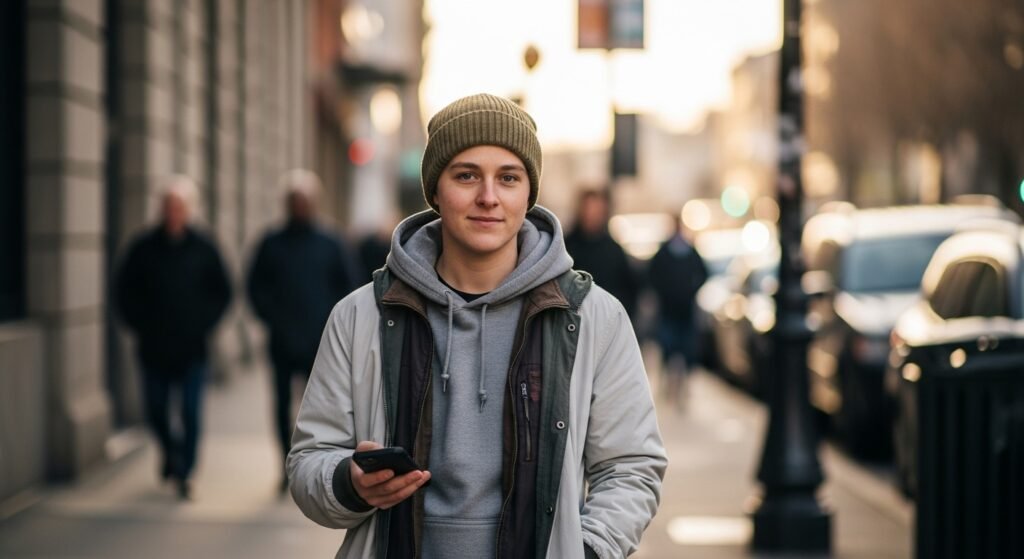
Fit defines beanie effectiveness. A snug fit supports clean lines and avoids slouch excess. Loose fits suit relaxed outfits while fitted styles align with tailored clothing. Retail data shows fitted beanies dominate urban wear due to controlled shape. Fit selection should match head size and hairstyle length.
Matching Beanies With Face Shape
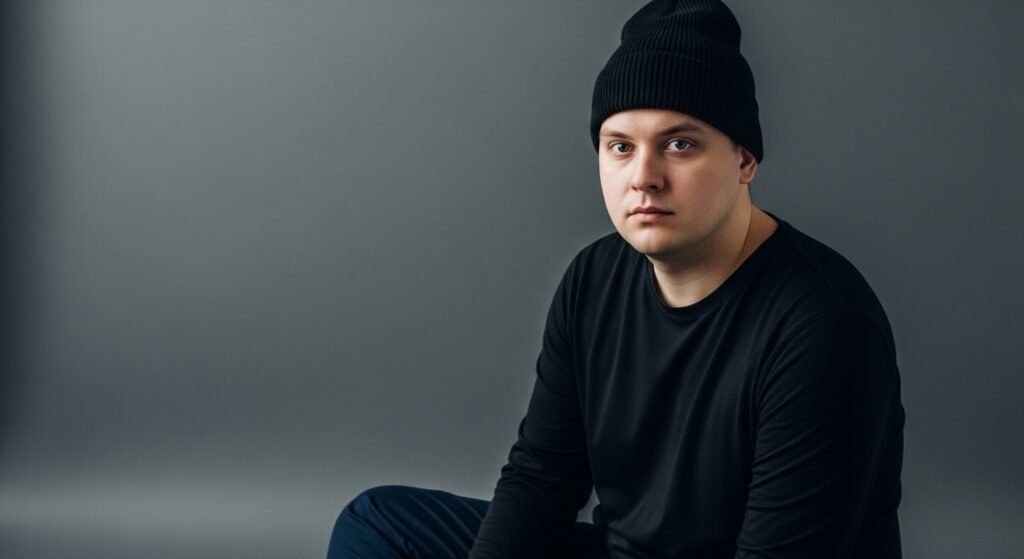
Face shape influences visual balance. Round faces benefit from vertical lift using cuffed beanies. Longer faces suit low profile fits with minimal height. Stylists recommend avoiding oversized crowns for narrow faces. Proper proportion reduces distortion and supports symmetry across headwear and facial structure.
Seasonal Fabric Selection
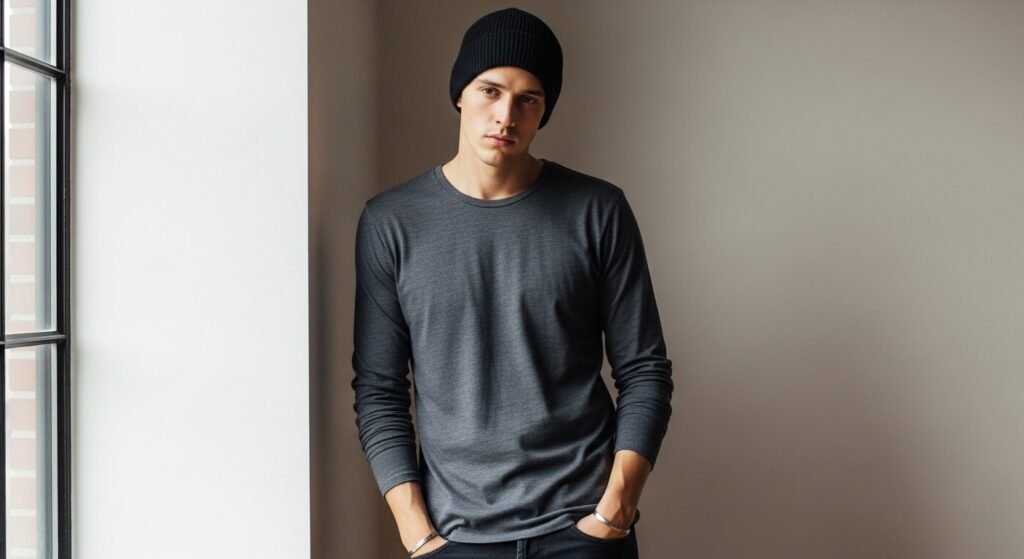
The selection of fabrics influences the comfort and aesthetics. Wool is also suitable in colder seasons because it is insulated. Cotton suits can be used in between seasons and indoors. Synthetic blends help in maintaining the wear when used frequently. The choice of material corresponds to the climate and the intensity of activity, which minimizes discomfort and wear load in the case of long-term use.
Color Coordination With Outfits
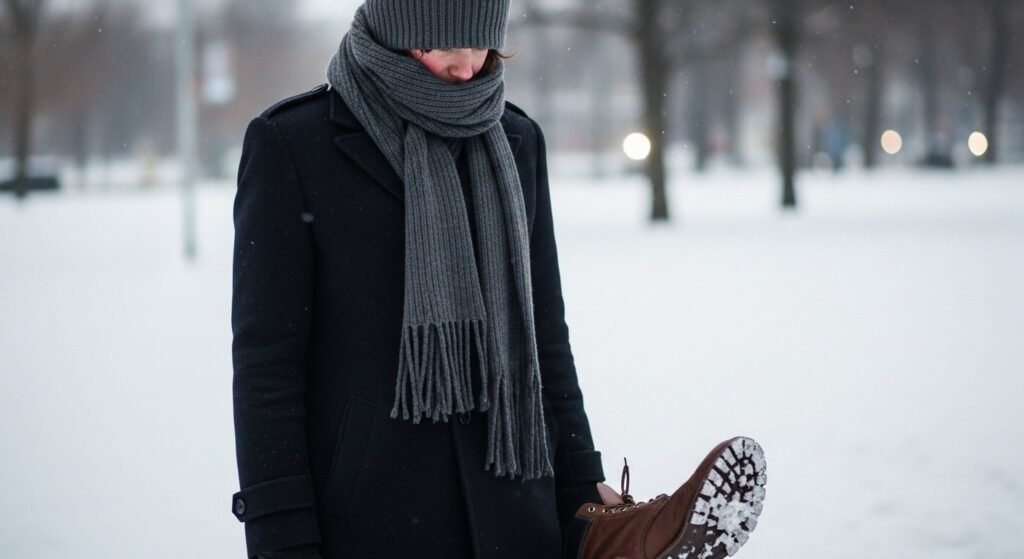
The neutral colors favor versatility. Most wardrobes blend with black, gray and navy. The lighter tones are applicable to the casual clothes and street wear. Surveys of fashion indicate that neutral beanies are used more frequently. Congruent presentation is supported by color matching of the footwear, outer wear and beanie.
Cuffed Versus Slouch Beanies
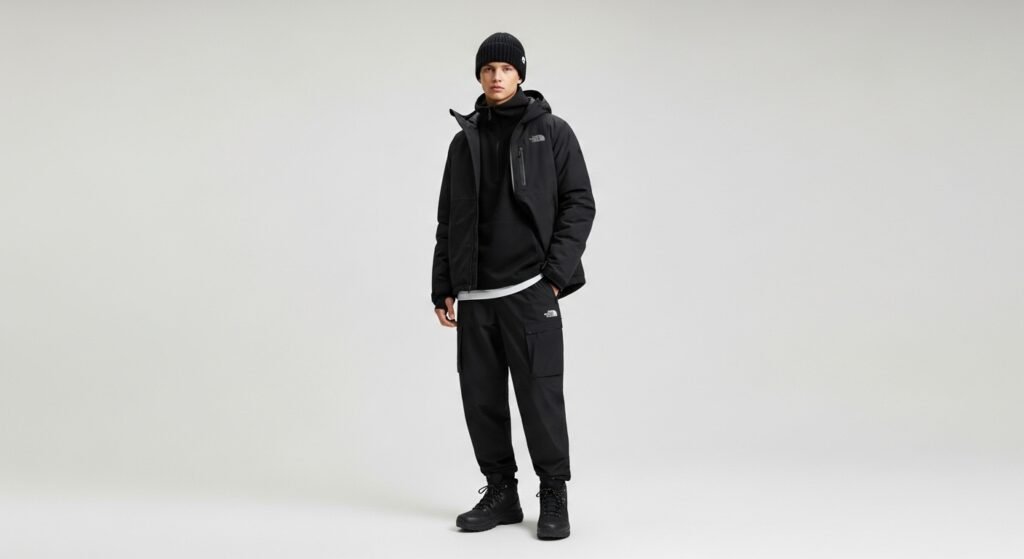
Cuffed beanies offer structure and suit cleaner outfits. Slouch styles support casual settings and layered looks. Workplace casual trends favor cuffed styles for neat appearance. Slouch designs align with weekend wear and relaxed environments. Selection depends on formality level and outfit structure.
Styling With Outerwear
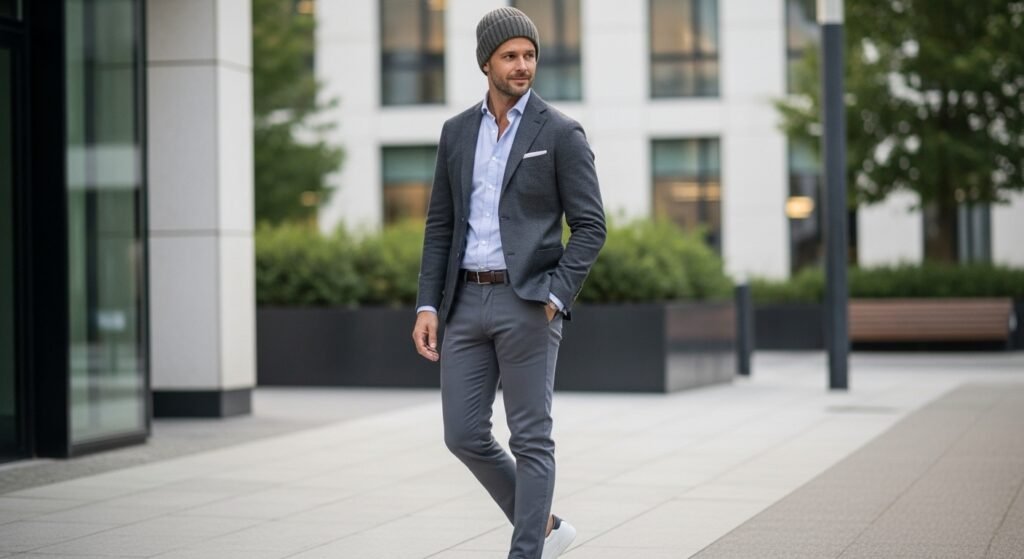
Outerwear dictates beanie choice. Structured coats pair well with fitted beanies. Parkas and puffers support relaxed fits. Visual weight balance matters since bulky jackets require proportionate headwear. Consistent styling reduces contrast issues between upper and lower outfit sections.
Hair Length and Beanie Placement
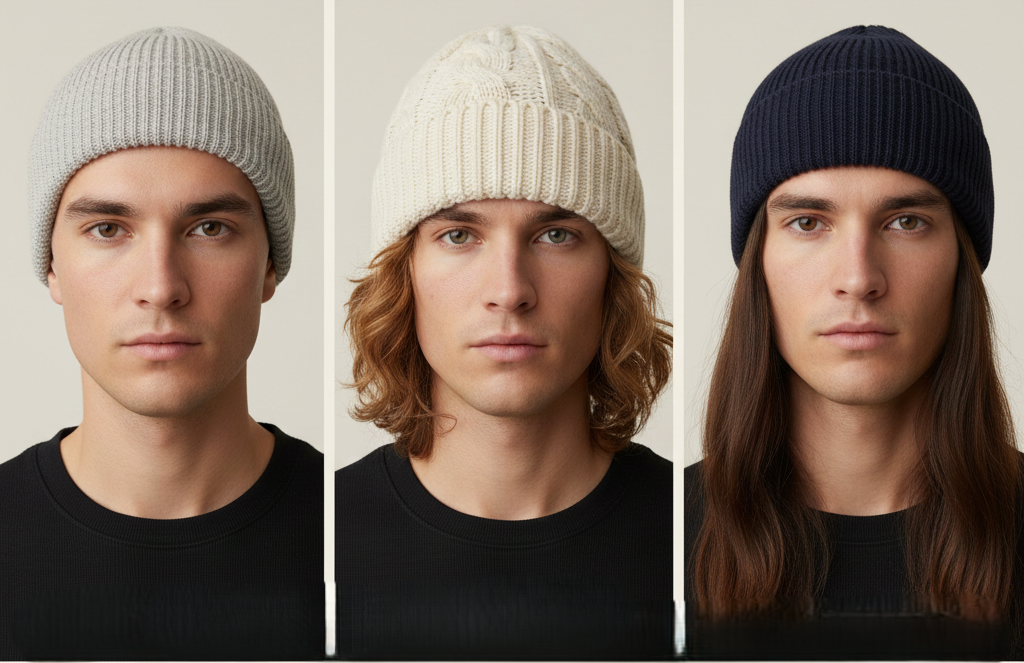
Hair length affects placement. Short hair suits higher placement with visible forehead space. Medium hair benefits from partial coverage without flattening volume. Longer hair works with looser placement toward the crown. Grooming professionals note placement influences perceived head shape.
Casual Versus Smart Casual Use

Casual settings allow experimentation with texture and color. Smart casual environments require restraint. Simple designs without logos suit semi formal use. Office dress codes often accept neutral beanies during colder seasons. Observing setting norms prevents visual mismatch.
Logo and Branding Considerations
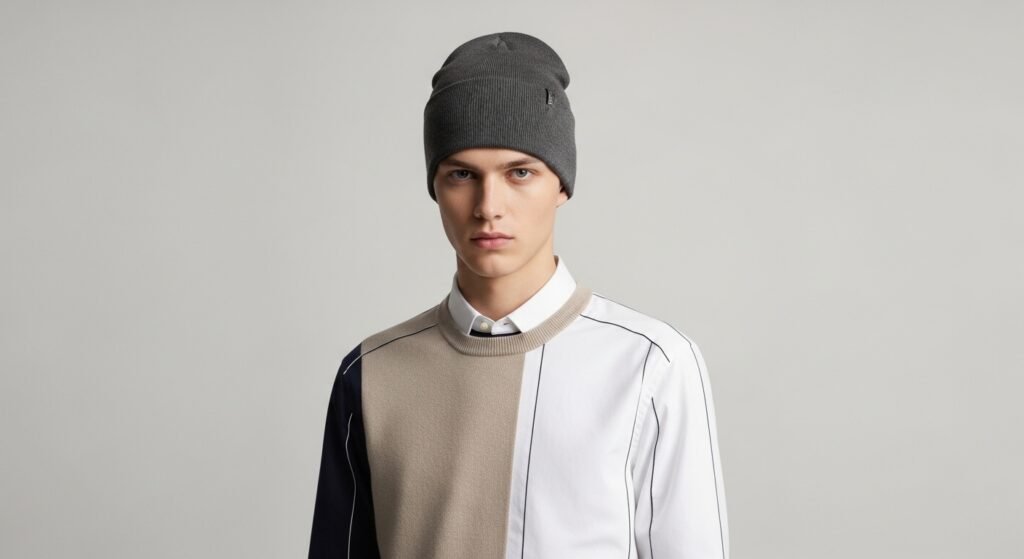
Minimal branding supports broader outfit use. Large logos attract attention and limit pairing options. Market studies show logo free beanies remain popular due to longevity. Subtle tags or woven labels maintain interest without overwhelming outfit focus.
Maintenance and Longevity
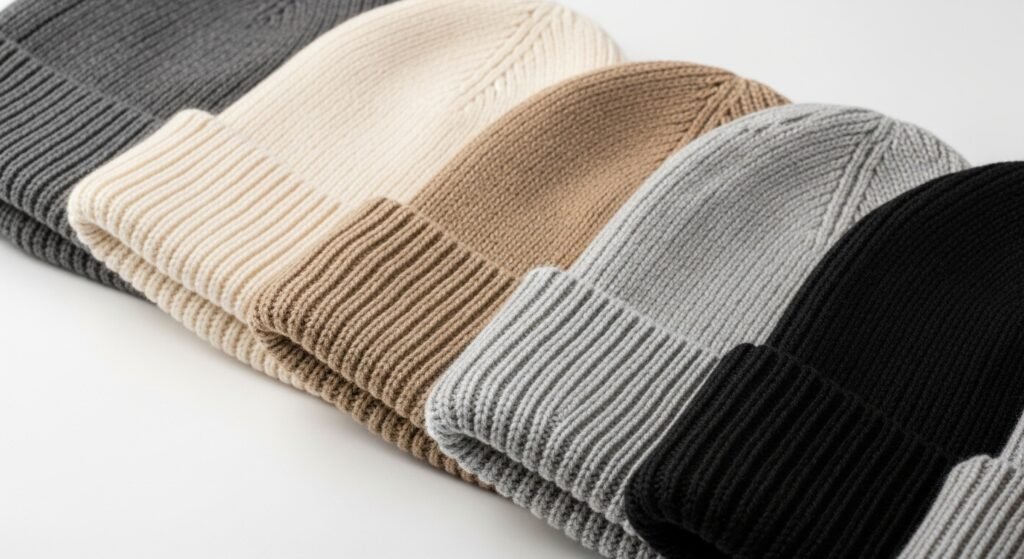
Proper care extends lifespan. Hand washing preserves shape and fabric integrity. Air drying prevents shrinkage. Rotation between multiple beanies reduces wear stress. Apparel care guides show maintained accessories retain appearance longer and support consistent styling outcomes.
