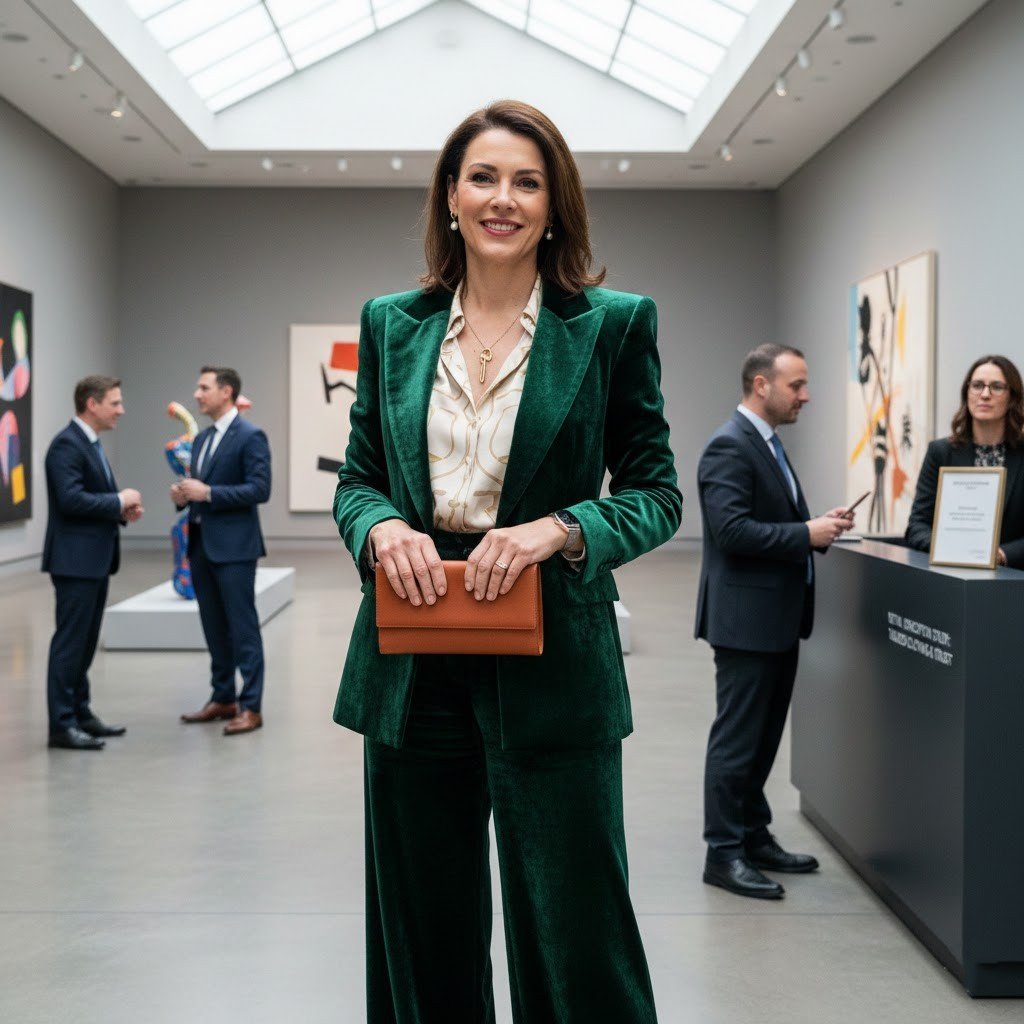
Statement suits attract attention through color, texture, or shape. Many people hesitate due to fear of standing out for the wrong reasons. Confidence grows from preparation rather than attitude. Fit, coordination, and setting shape public response. Retail perception studies show tailored clothing improves trust and authority ratings. A statement suit performs best when styling decisions follow logic, restraint, and personal alignment.
Choosing a Precise Fit

Fit defines credibility. Sharp shoulders, clean sleeve length, and proper trouser break create order. A bold suit without structure appears careless. Menswear studies from retail chains show tailored garments receive higher confidence scores than off rack options. Alterations support strong designs while preserving control.
Selecting Colors with Intent

Color influences judgment within seconds. Navy with contrast stitching signals assurance. Forest green reflects stability. Cream suits suit daylight events. Fashion psychology research links saturated colors with authority when balanced with neutral elements. Color selection tied to setting reduces visual tension and supports calm presence.
Managing Pattern Intensity
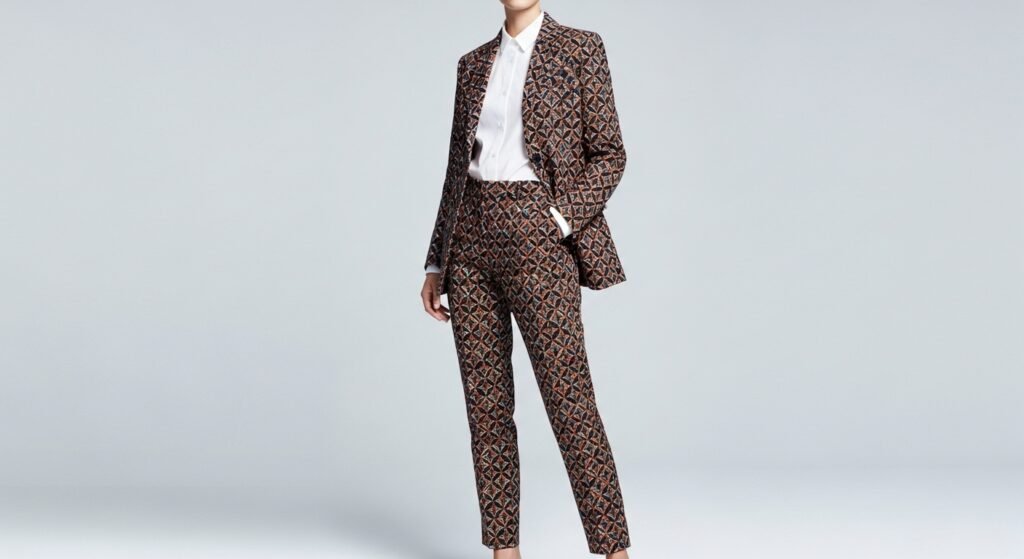
Patterns draw attention fast. Large checks or abstract prints demand restraint across shirts and footwear. Neutral underlayers reduce noise. Styling audits from professional consultants show single focal designs receive stronger approval than layered patterns. Focus guides attention and prevents distraction.
Fabric Weight and Structure

Fabric affects movement and silhouette. Heavier wool blends hold shape and reinforce posture. Lighter materials suit relaxed environments. Textile studies link structured fabrics with improved perception of discipline. Texture adds interest without added color and supports statement designs through subtle detail.
Accessory Control
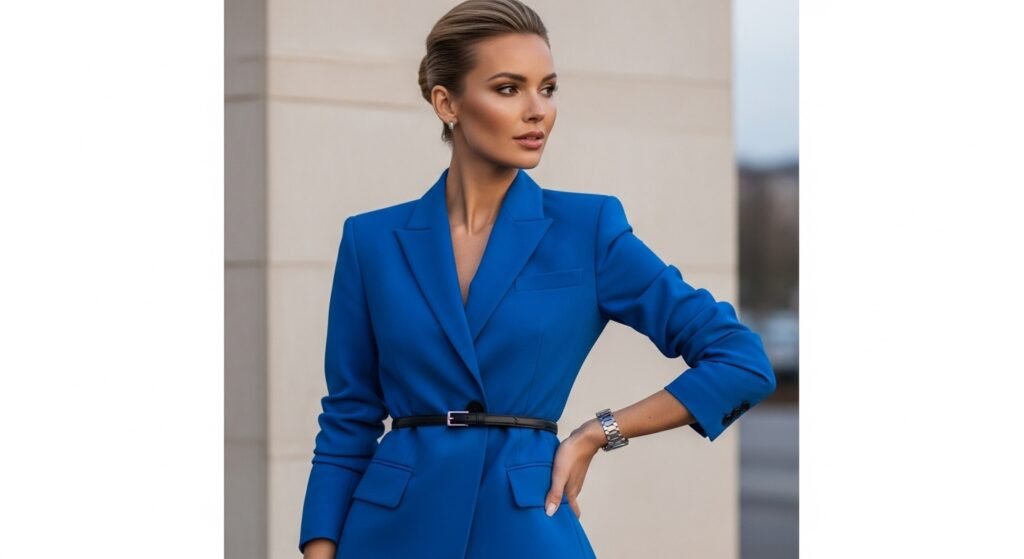
Accessories frame the suit. One defining element such as a watch or tie supports identity. Excess items dilute impact. Market surveys report reduced trust ratings when accessories compete for attention. Simplicity directs focus toward the suit rather than scattered details.
Grooming Consistency
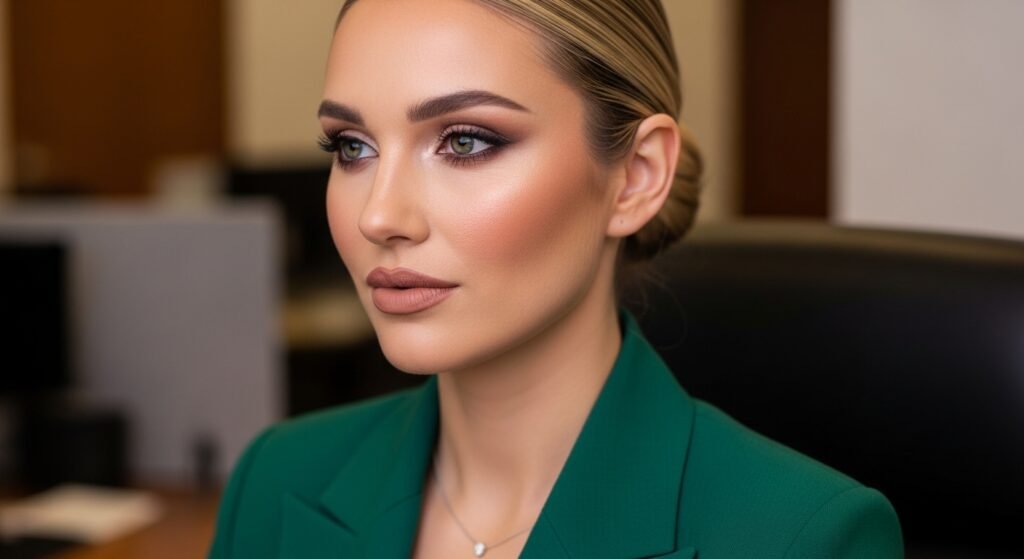
Grooming reinforces clothing choices. Clean hairlines and neat facial presentation align with tailored garments. Workplace appearance research connects grooming consistency with higher leadership perception. A statement suit paired with neglect creates conflict. Alignment across presentation elements sustains authority.
Environmental Awareness

Setting determines acceptance. Creative fields allow expressive cuts and colors. Formal offices favor muted statements through fabric or tone. Workplace dress surveys show alignment with environment increases peer comfort levels. Awareness prevents misreading and supports confident engagement.
Posture and Movement
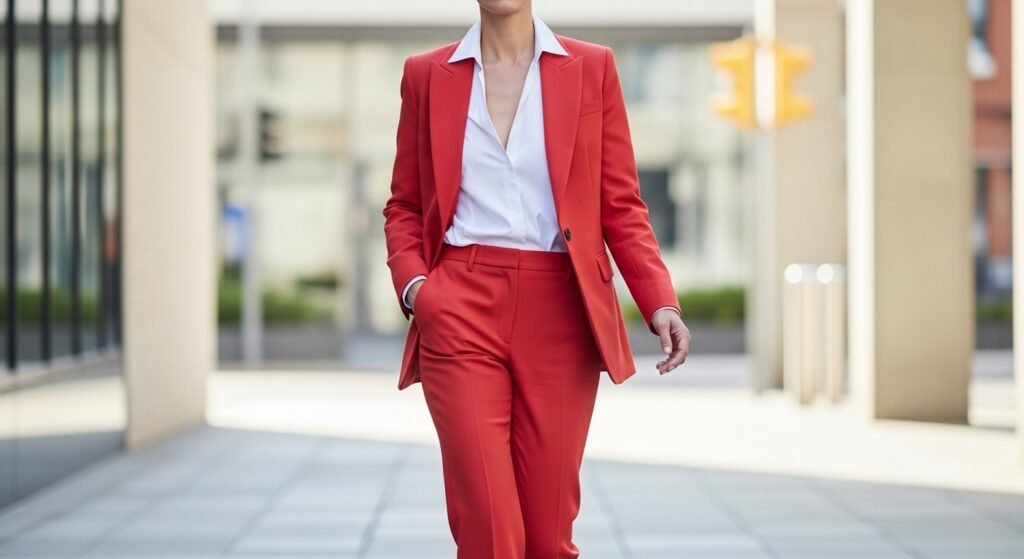
Movement communicates assurance. Structured suits reward upright posture and steady gestures. Behavioral studies link controlled movement with higher confidence perception. Practicing walking and seating while dressed reduces tension. Ease in motion supports visual authority.
Gradual Familiarity
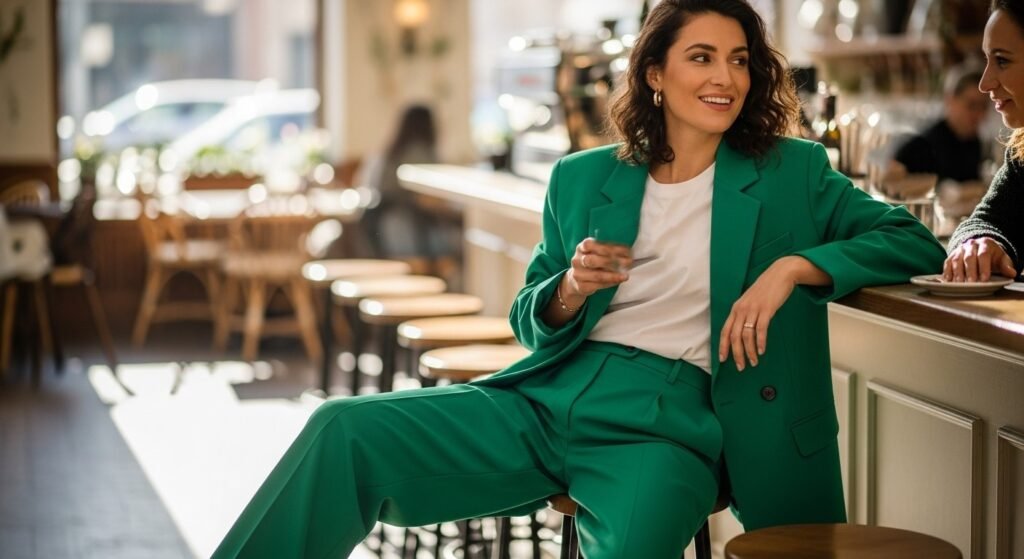
Confidence develops through repetition. Subtle statements worn often reduce self focus. Retail behavior feedback shows repeated wear lowers anxiety linked to bold clothing. Familiarity shifts attention from appearance toward interaction. Comfort grows through exposure rather than force.
Personal Style Alignment

Statement suits succeed through authenticity. Forced choices appear staged. Stylists report stronger satisfaction when selections reflect daily preferences. Alignment between clothing and personality supports ease. Style functions best as reinforcement of identity rather than performance.
