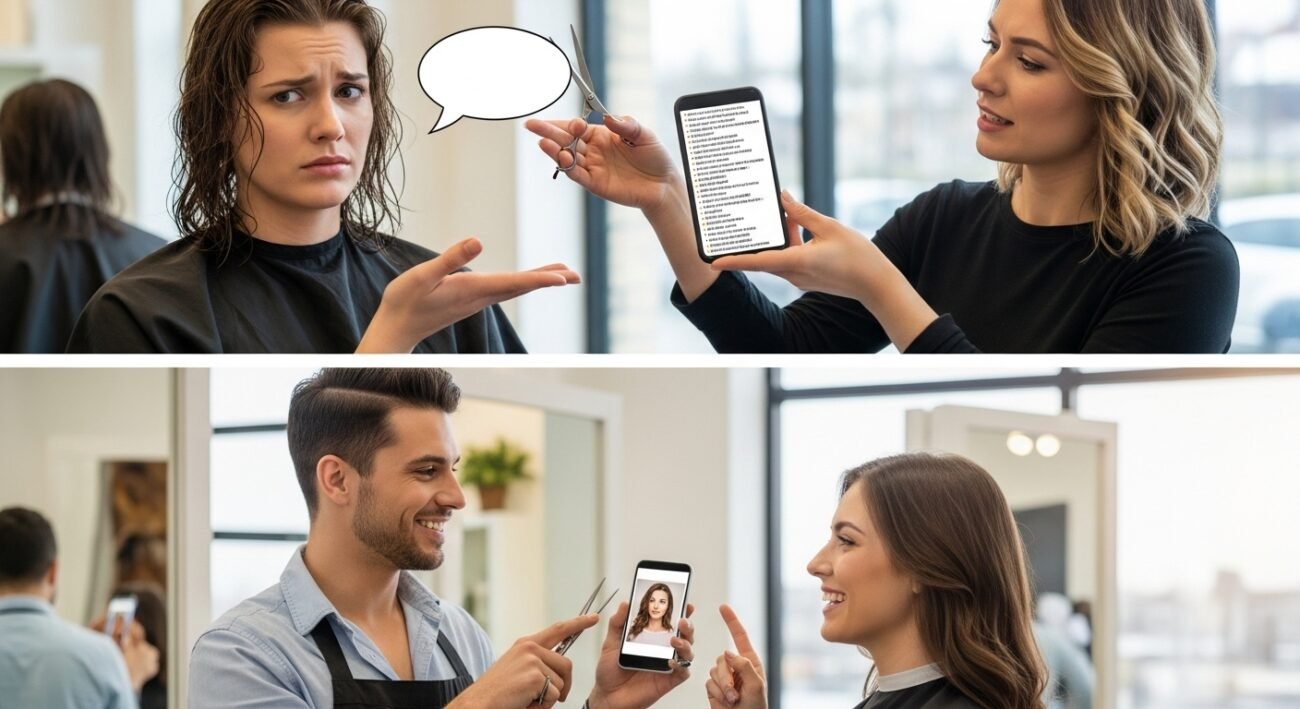
Many salon visitors follow polite routines learned from daily life. Several of those routines create extra work or slow results inside a hairdressing environment. Hairdressers rely on timing, communication, and physical positioning to deliver consistent outcomes. Misplaced courtesy often interrupts those factors. Awareness of preferred alternatives improves service flow and comfort for both sides. The points below describe common habits viewed as polite by clients, why professionals dislike them, and practical behaviors that improve the appointment experience.
Arriving Early and Waiting Silently
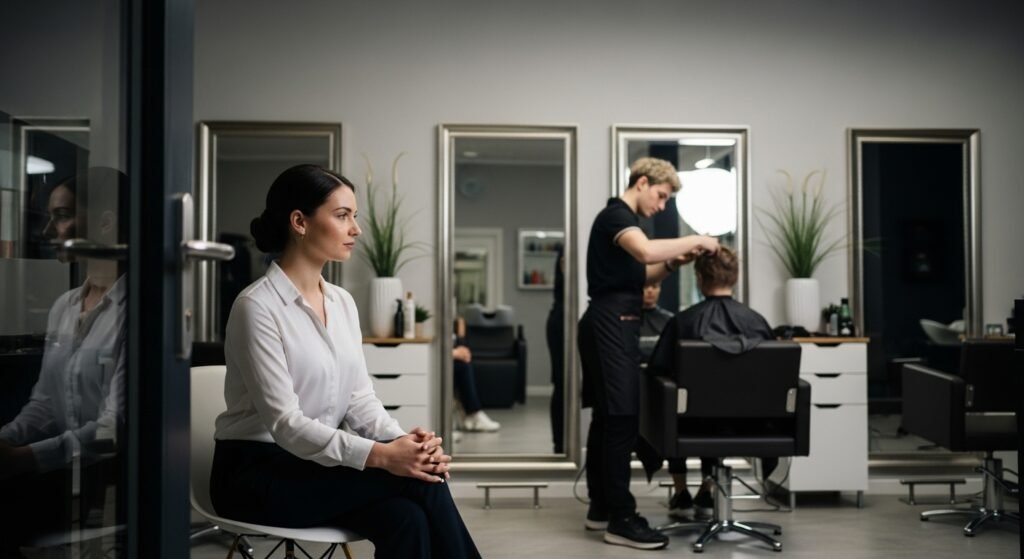
Early arrival appears respectful, yet early seating disrupts appointment flow. Hairdressers schedule tools, color timing, and breaks with precision. Waiting silently increases pressure to rush a prior client. Arrival within five minutes of the booking time supports schedule accuracy and reduces stress across the salon.
Overexplaining Hair History
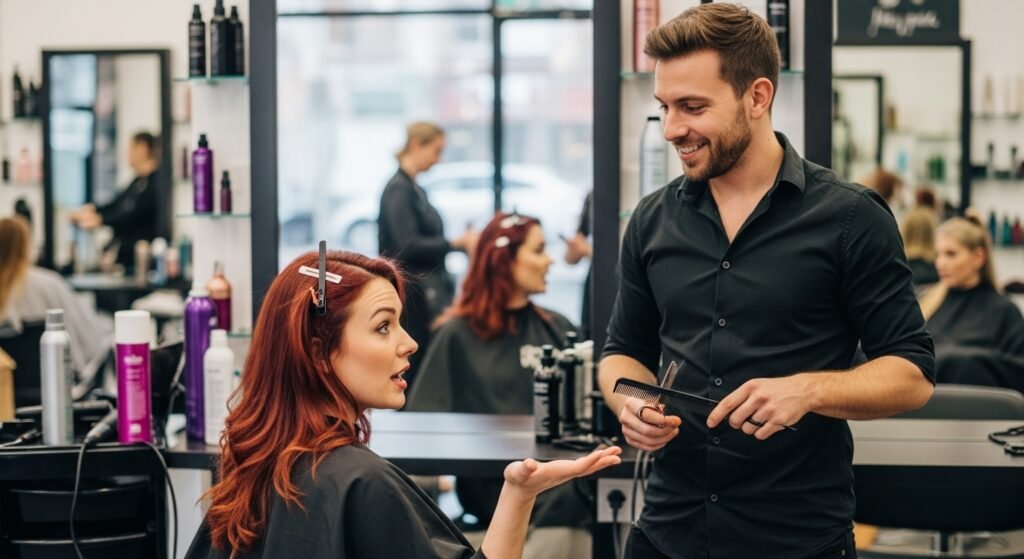
Detailed explanations feel helpful, yet excessive detail slows consultation accuracy. Hairdressers prioritize recent chemical services, current routine, and immediate goals. Focused answers allow faster assessment. Brief responses covering last color date, current products, and target length improve efficiency and reduce miscommunication.
Saying Anything Is Fine
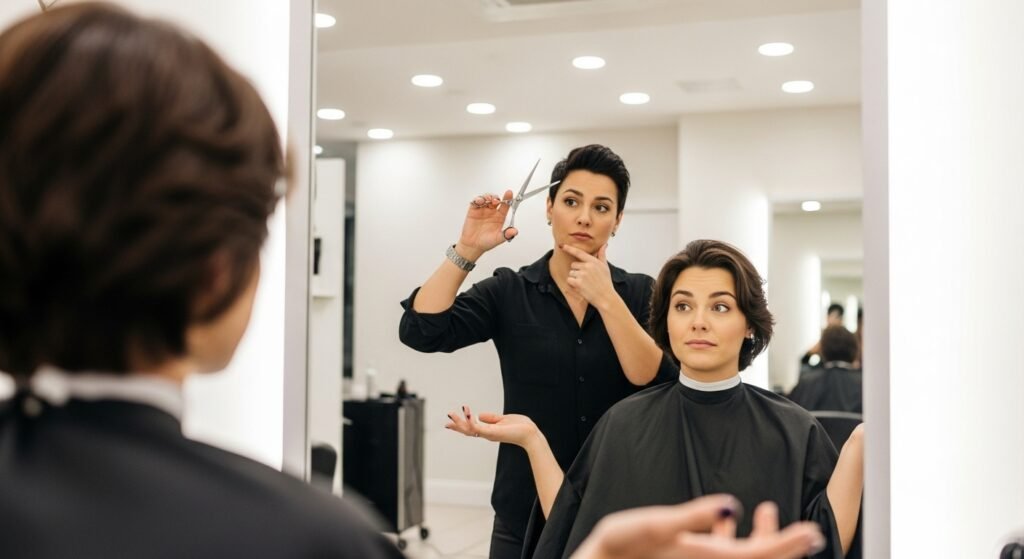
Open trust sounds polite, yet vague approval limits professional direction. Hairdressers rely on boundaries for shape and length. Clear preferences guide technical choices. Stating acceptable length range, maintenance level, and styling habits creates aligned expectations and stronger results.
Apologizing for Natural Hair Texture
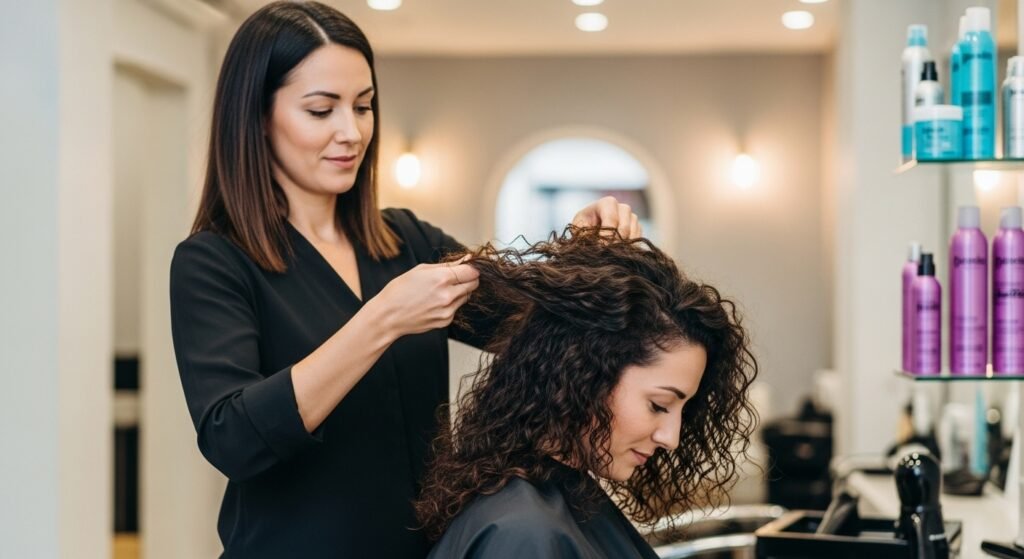
Apologies for frizz, curls, or thickness create unnecessary social tension. Texture informs cutting and styling decisions. Professionals expect variation and train for adaptation. Neutral presentation of natural condition supports accurate preparation and avoids wasted reassurance time.
Holding the Head Rigid During Styling
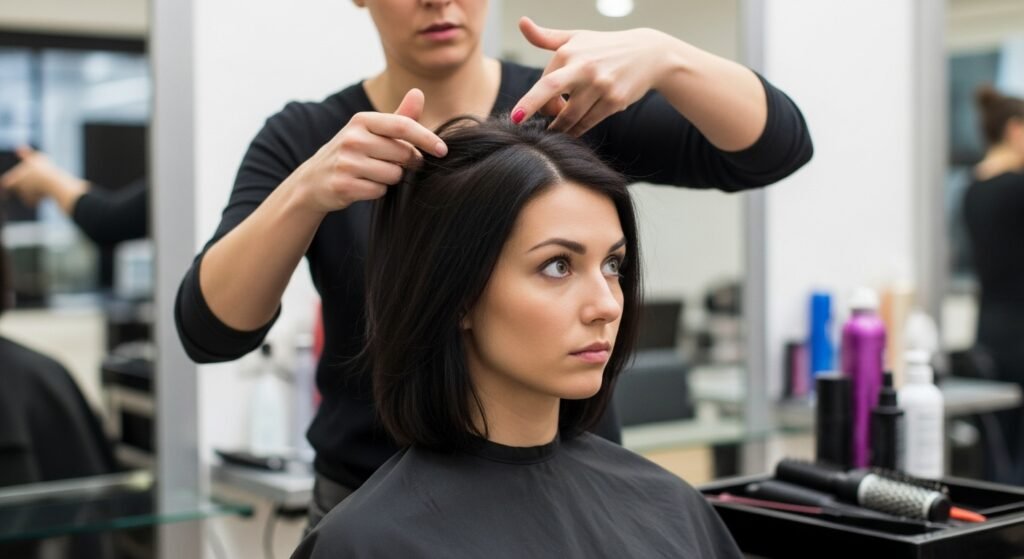
Remaining stiff appears cooperative, yet restricts ergonomic movement. Hairdressers require gentle head adjustments for balance and symmetry. Relaxed posture allows smoother sectioning and faster progress. Responding to light guidance improves comfort for both parties.
Avoiding Feedback During the Cut
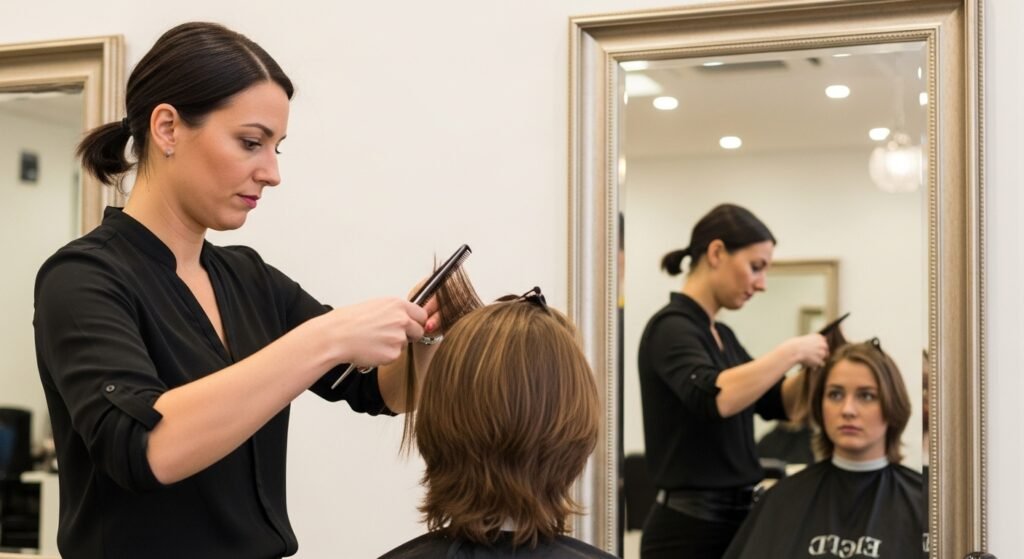
Silence during cutting feels respectful, yet removes correction windows. Hairdressers prefer early input over post service dissatisfaction. Small directional notes help refine results mid process. Speaking during checkpoints prevents rework and protects satisfaction.
Bringing Reference Photos Without Context
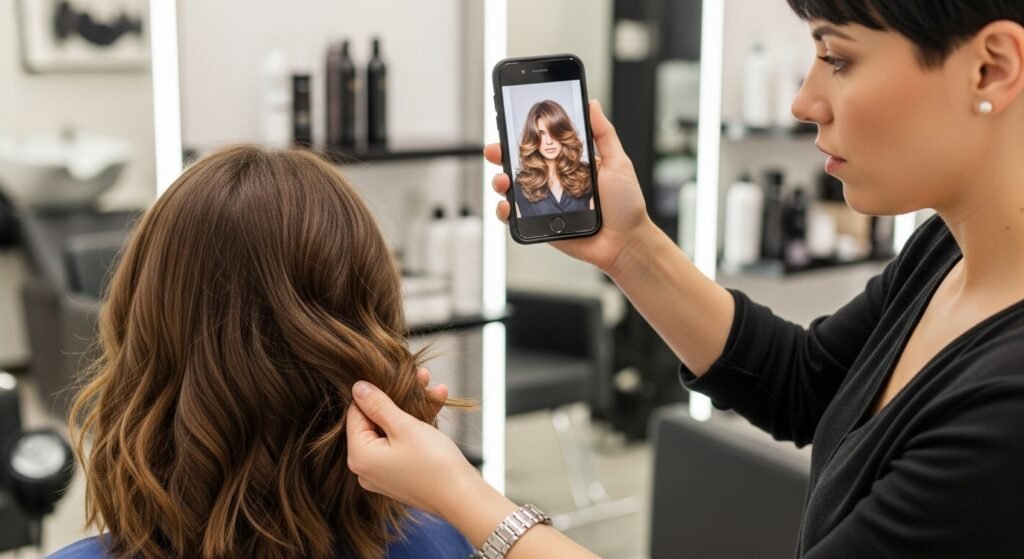
Images communicate goals, yet lack of context creates mismatch. Hairdressers need lifestyle and hair density details beyond visuals. Explaining styling effort tolerance and daily routine clarifies feasibility. Context transforms inspiration into workable execution.
Overtipping or Excessive Praise Mid Service
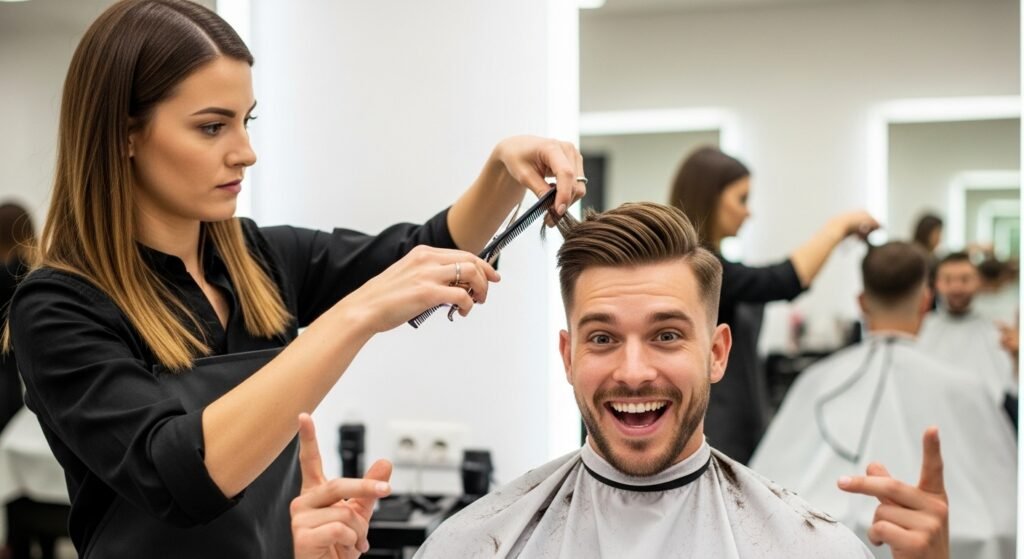
Frequent praise feels supportive, yet interrupts focus. Hair cutting requires sustained attention and precision. Gratitude at the end aligns better with workflow. Calm presence supports concentration and outcome quality.
Avoiding Mention of Discomfort
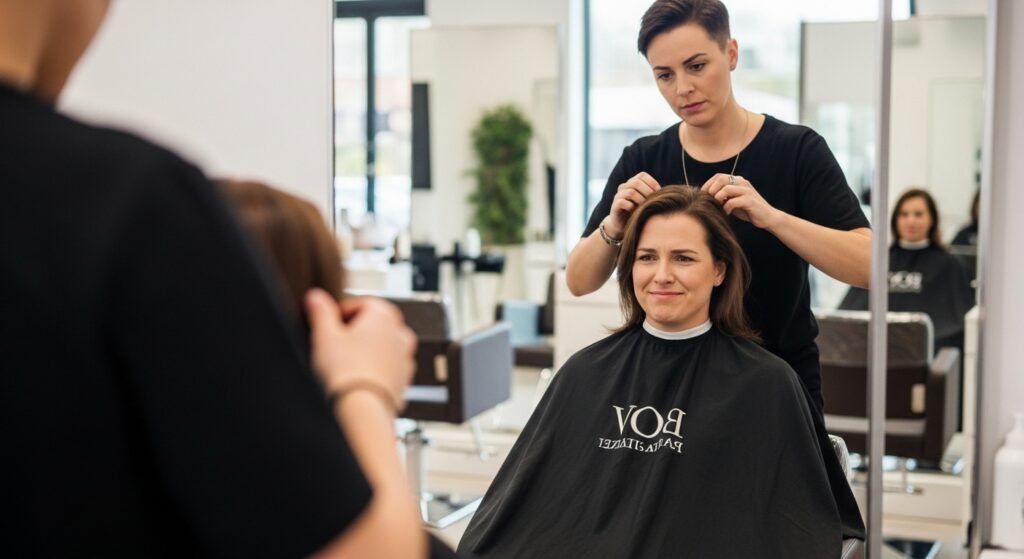
Enduring discomfort seems courteous, yet risks injury and uneven results. Hairdressers depend on physical feedback for positioning. Mentioning strain or pressure allows quick adjustment. Comfort enables steadier posture and cleaner lines.
Cleaning Up Personal Hair After Cutting
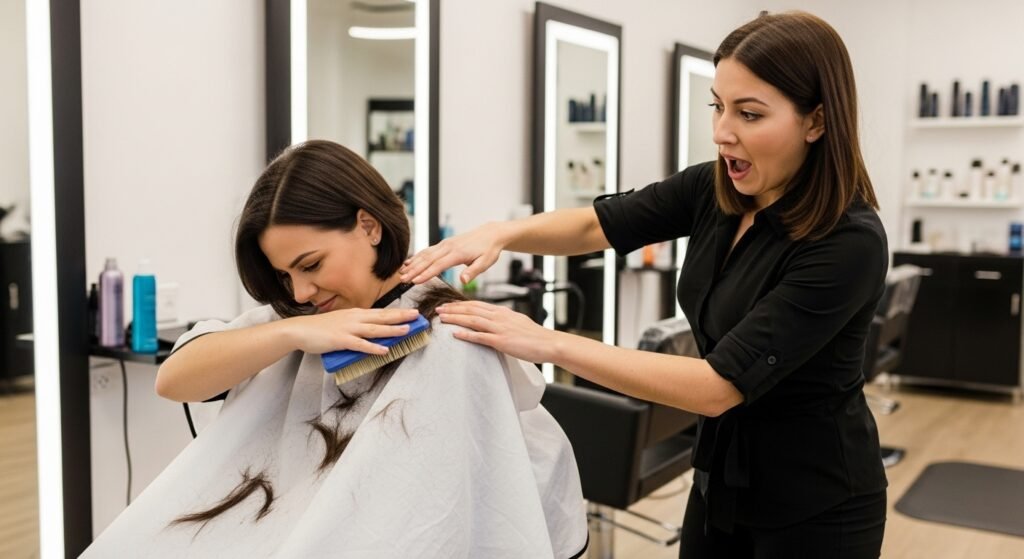
Sweeping personal hair appears helpful, yet interferes with safety and hygiene protocols. Hairdressers manage disposal to prevent slips and cross contamination. Remaining seated allows proper cleanup and protects workflow integrity.
Covering Multiple Habits Under One Appointment
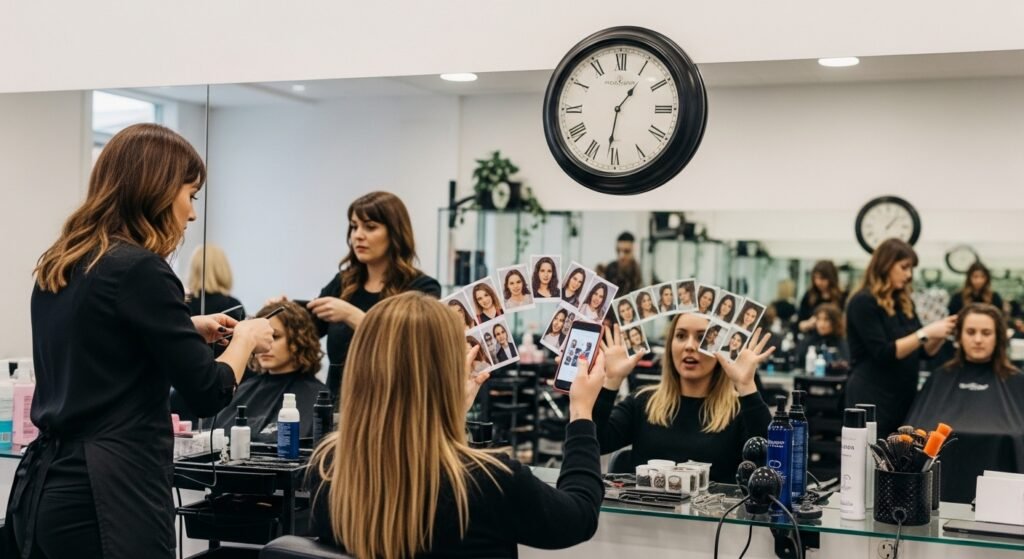
Combining several small requests feels efficient, yet extends time blocks unexpectedly. Hairdressers allocate minutes per service. Adding trims, treatments, or styling adjustments strains schedules. Confirming add ons during booking supports realistic planning.
