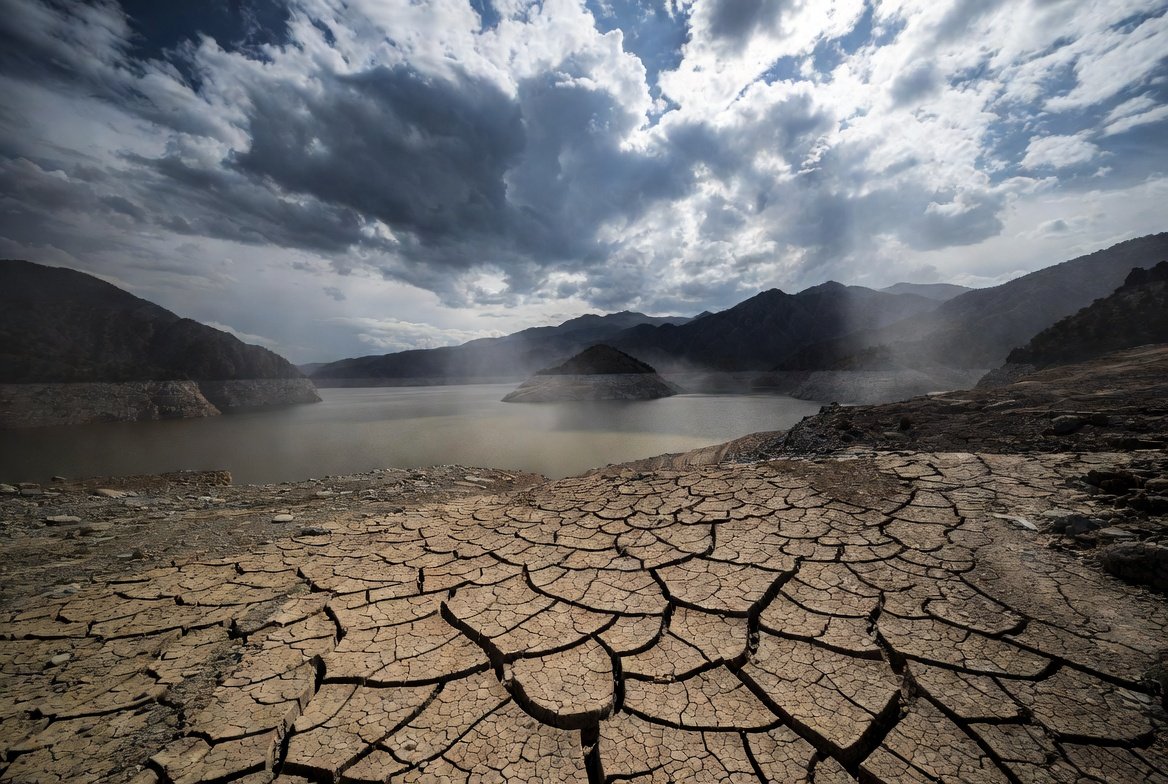
It is, in fact, water for 21st-century Americans, the lifeblood of all things alive, and here, in America, these systems are under unprecedented pressure. From aging pipes to dwindling reservoirs, the management of water is reaching a breaking point, defining the state as far as these systems are concerned. To better understand the problems that add up to a sustainable future for the next generation, firstly, one must know these challenges.
Shrinking Reservoirs in the West
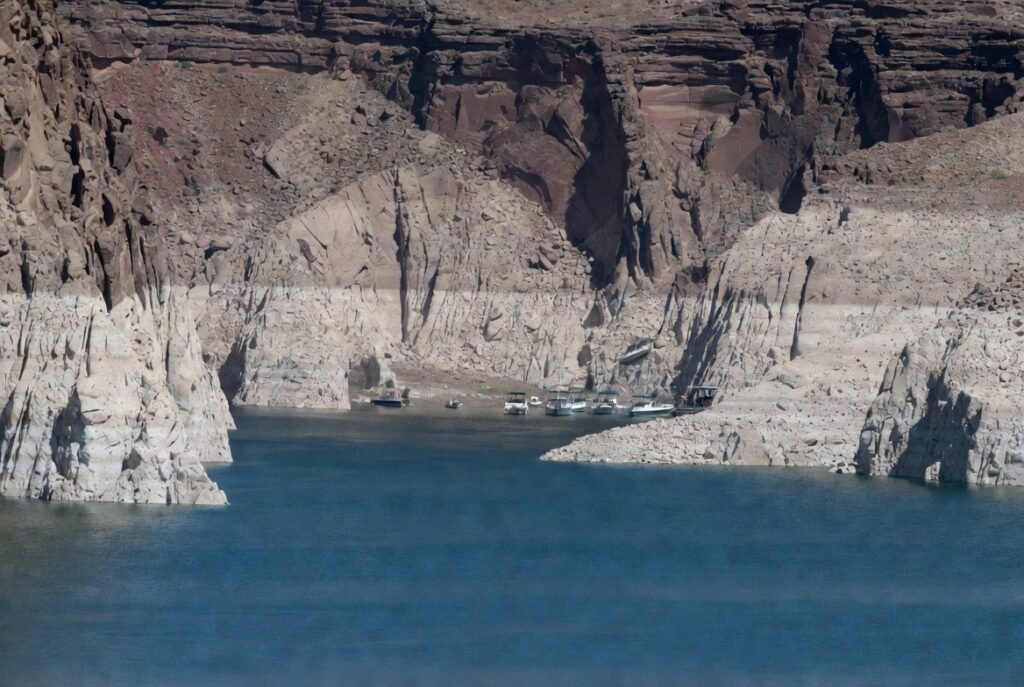
Major water sources have dipped to historic low levels: Lake Mead and Lake Powell. The reservoirs refill and supply water to millions of people and farms; as states try to figure out who gets water first with their diminishing levels of fill.
Flat Declines in Groundwater
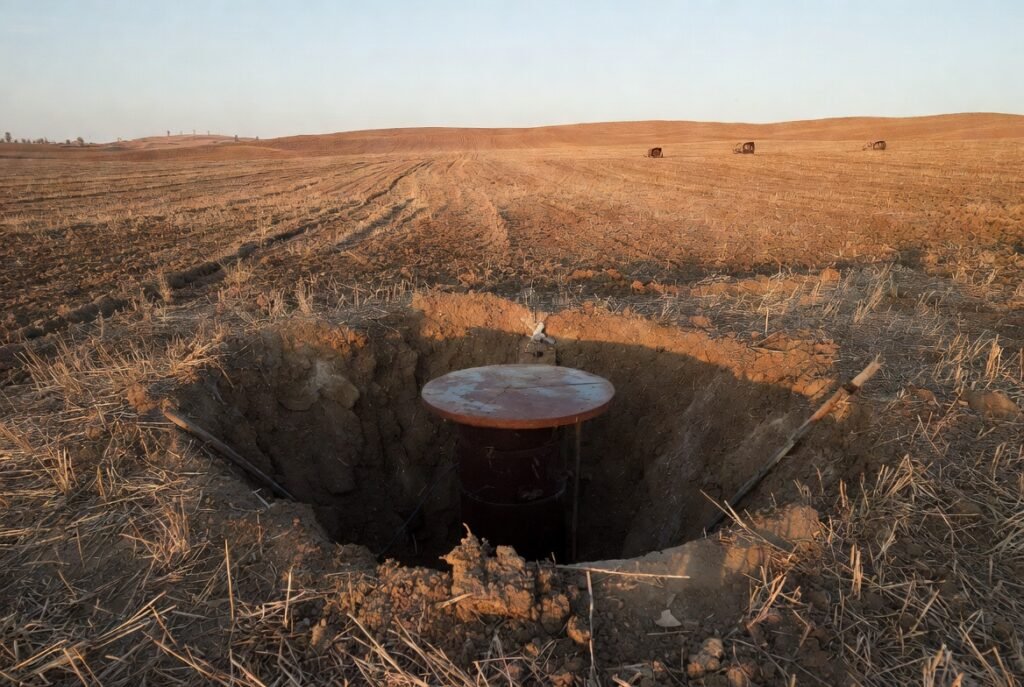
Many farmers in America depend on “aquifers,” essentially underground reservoirs of water, but these savings accounts are slowly running dry, as we now pump water out much faster than rain can refill it.
Obsolete Infrastructure
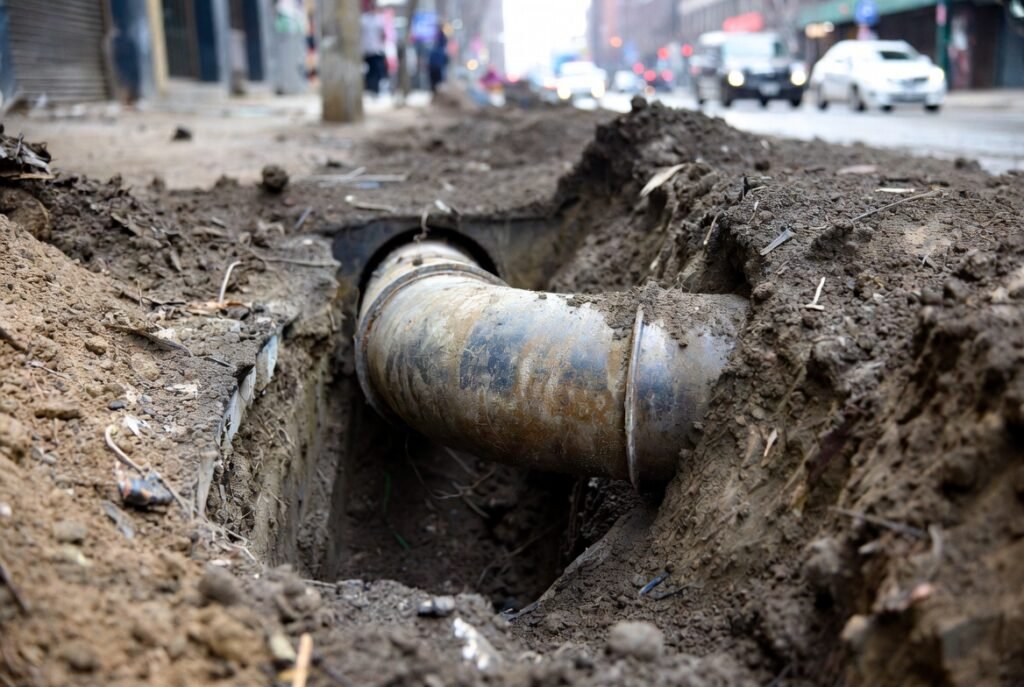
More than half of U.S. cities have water pipes older than 100 years leaking trillions of treated gallons every year,potentially leaching hazardous metals like lead into the drinking supply.
Rising Sea Levels and “Saltwater Intrusion”
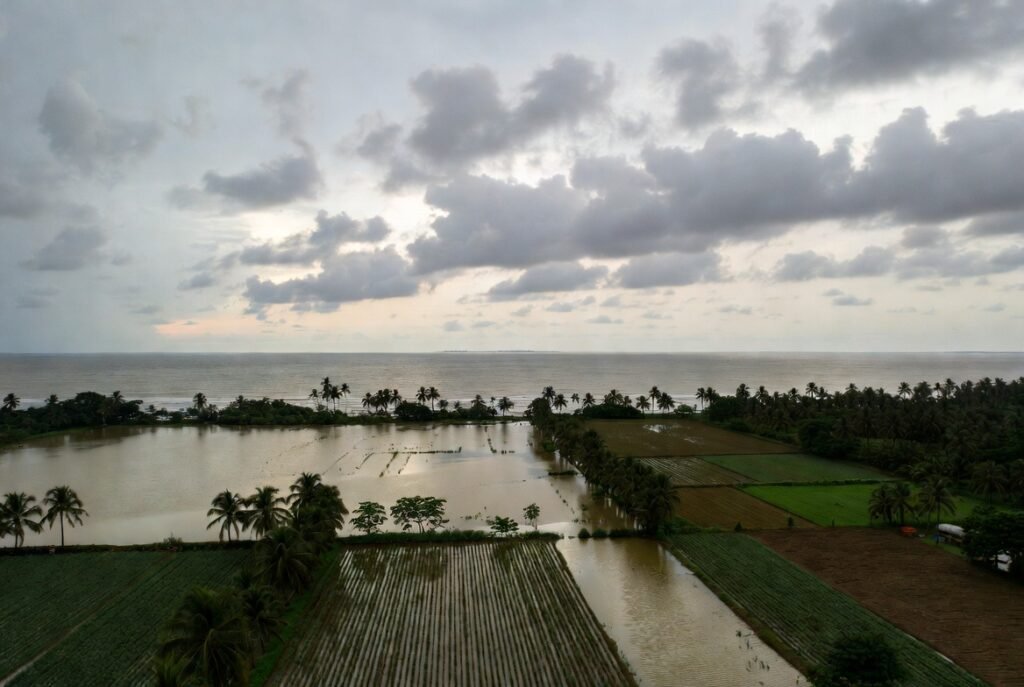
Freshwater wells are now being invaded by saltwater by ocean rising along coasts because of the rise of the ocean, thus rendering this water drinkable and destroying cropland. In general, Florida and the Gulf Coast are most affected.
Chemical Pollution (PFAS)
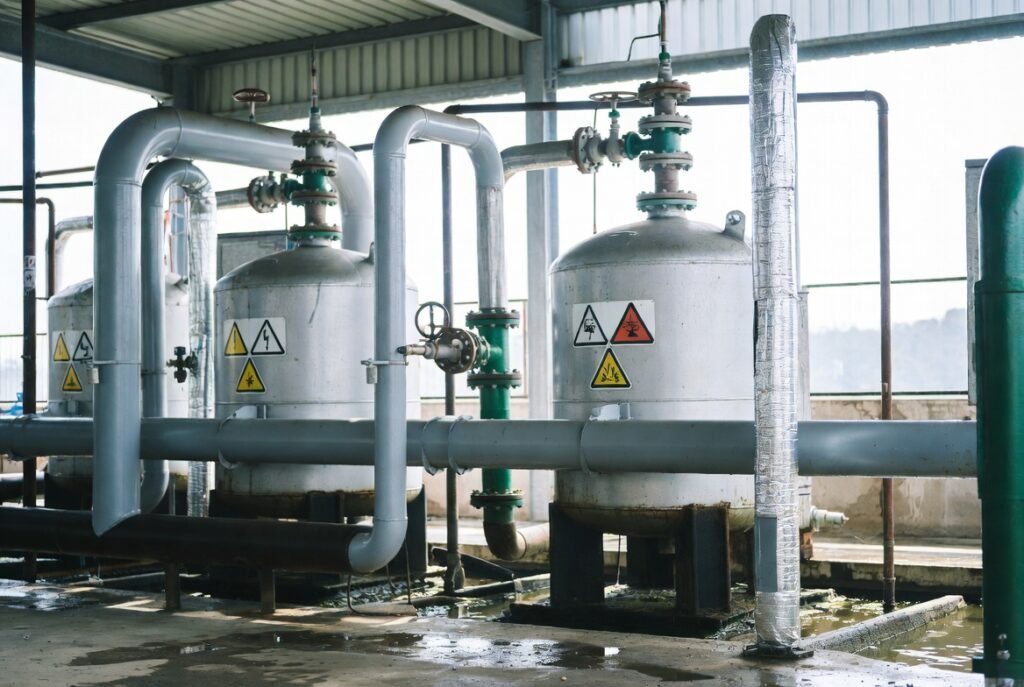
“Forever chemicals” discovered in nonstick cookware, but found in firefighting foam, can be detected in the drinking water supplies of thousands of communities. These chemicals have a long-term health risk due to their persistence in the environment.
Agricultural Runoff
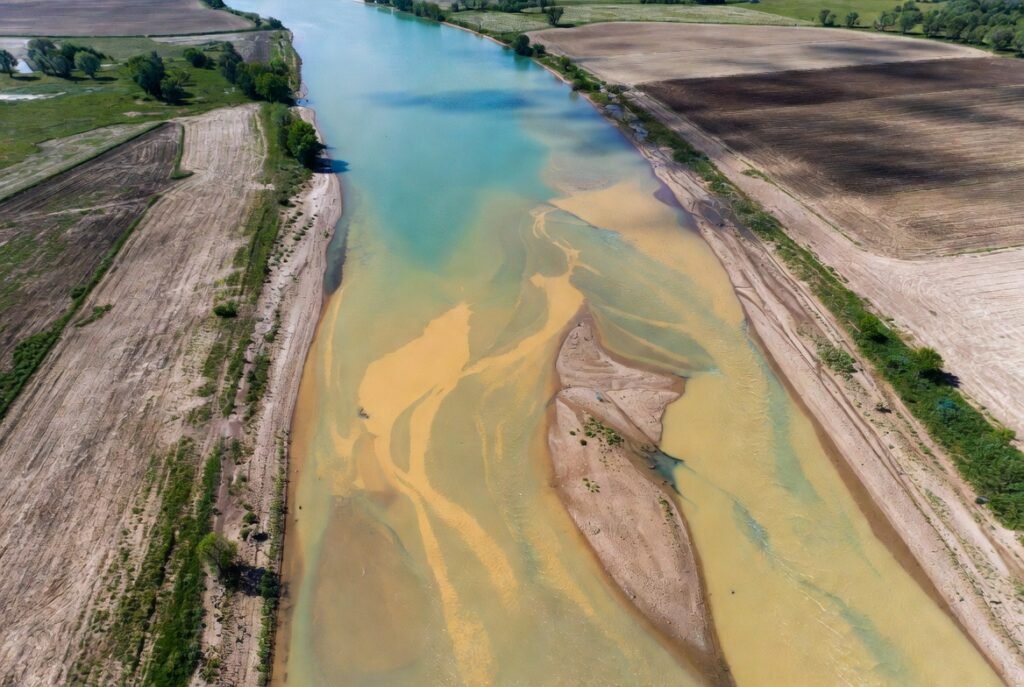
The fertilizers used by these huge farms often run off into rivers, thus creating “dead zones” like the Gulf of Mexico wherein oxygen levels become too low for fish or plants to survive.
Increasing Intensity and Frequency of Droughts
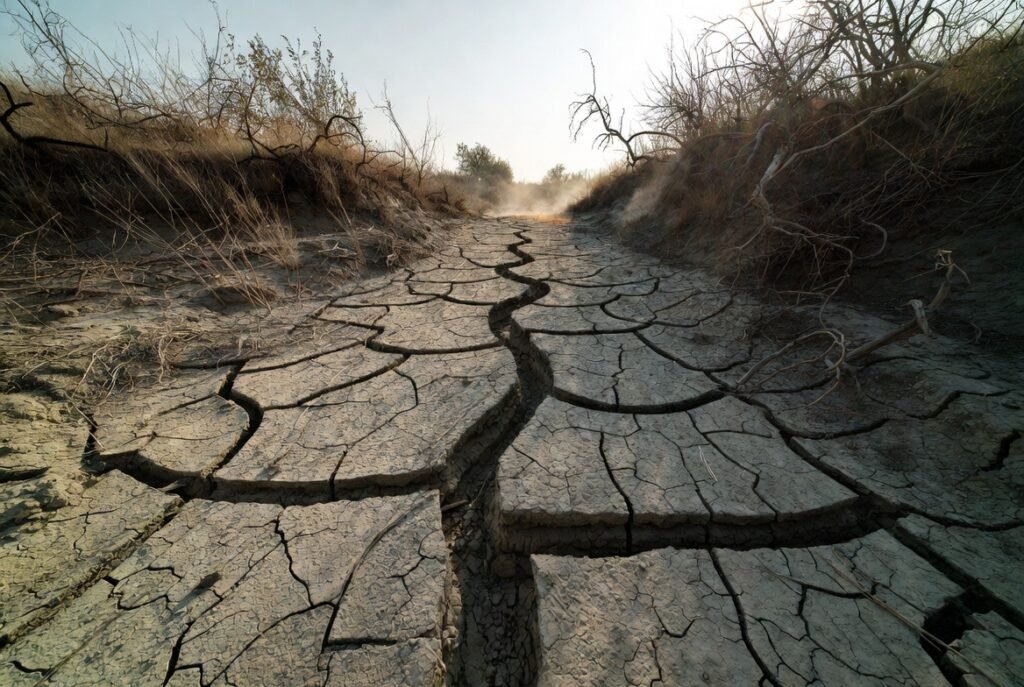
Climate change patterns have resulted in droughts lengthening and becoming more severe. The phenomenon of a “snowball effect” is observed in which dry ground absorbs all the rainfall, and it does not reach the rivers from which we drink.
Increasing Costs of Water
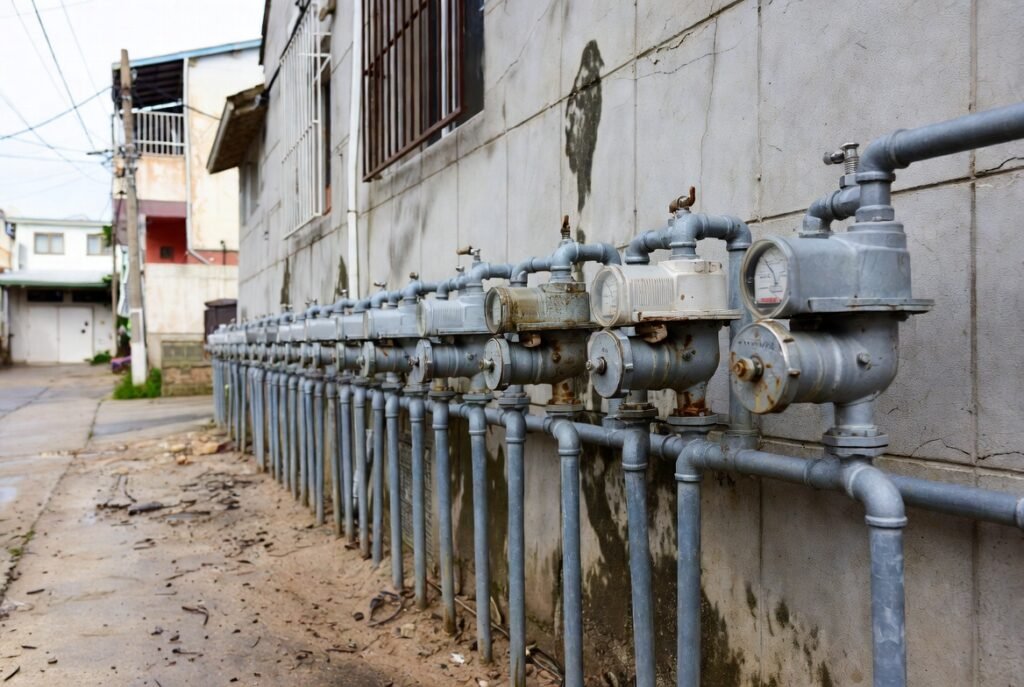
Water will be becoming more scarce and increasingly complicated in filtration system operations, thus inflating costs, thereby causing “water poverty,” where poor families would suffer because they could no longer afford paying for such an essential need in humanity.
Inter-state Conflicts
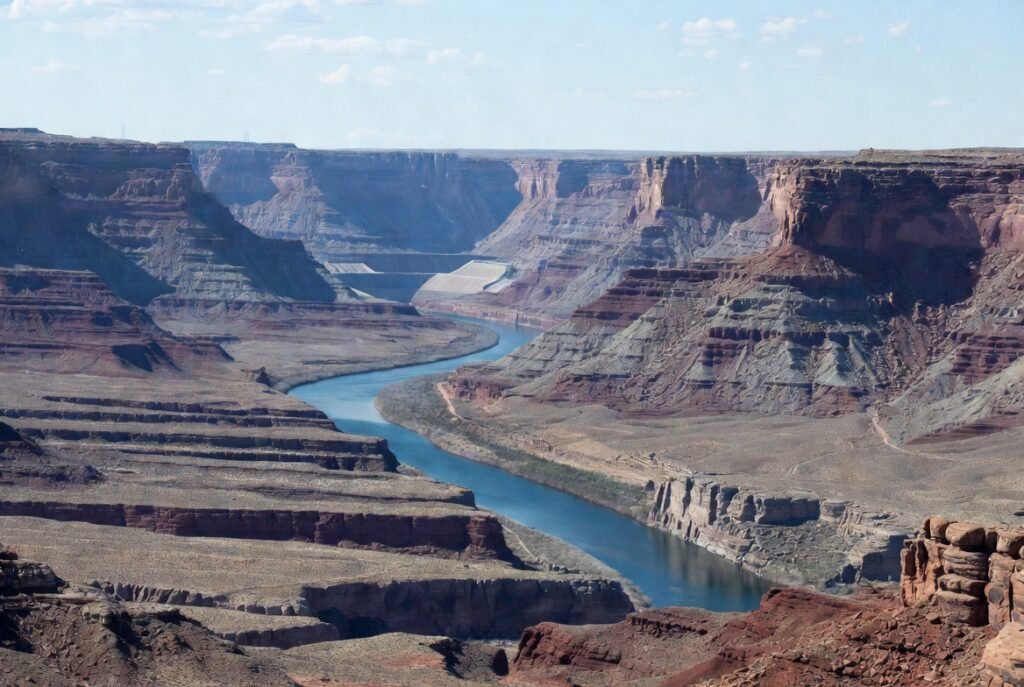
Water does not recognize borders; for example, rivers such as Colorado has become involved in legal “water wars” between the different regions of an area.
The Energy-Water Link
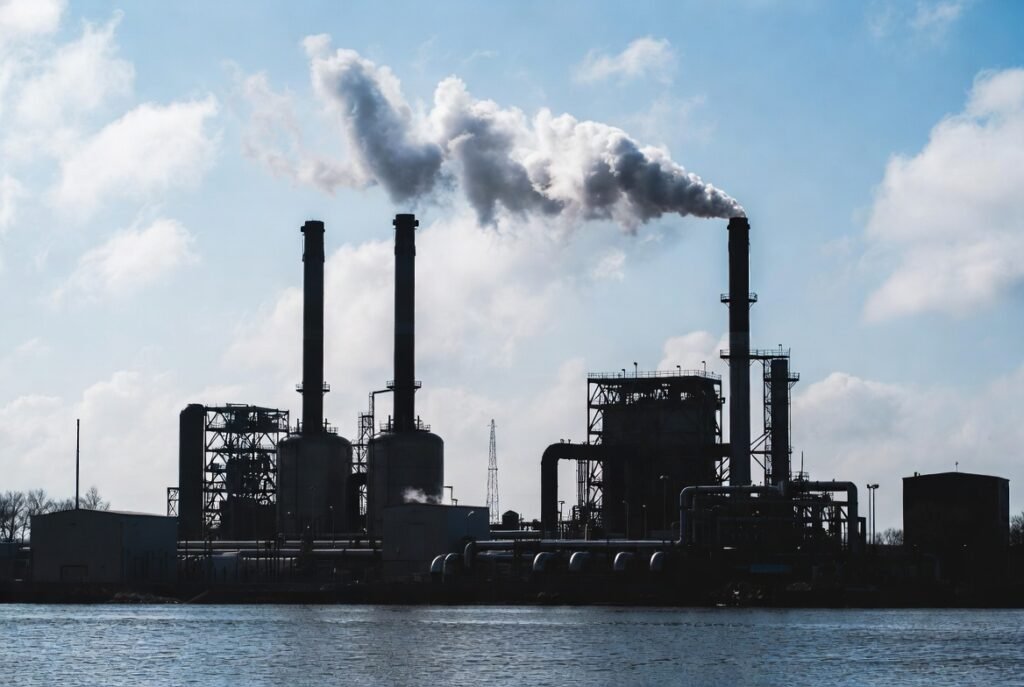
It is using massive amounts of electricity while at the same time requiring a lot of water for cooling power plants. A failure of one system threatens the other.
Mega Storms and Flooding
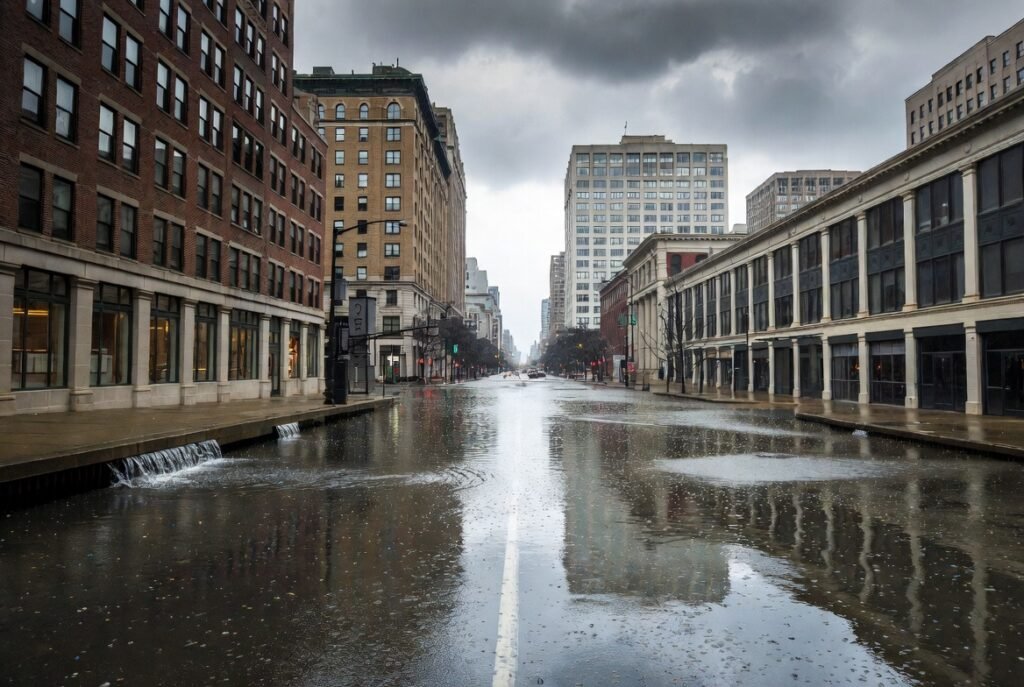
The areas with either too much water or too little actually oversurge sewer systems leading to an overflow of untreated wastes into the rivers around them.
Declining Biodiversity
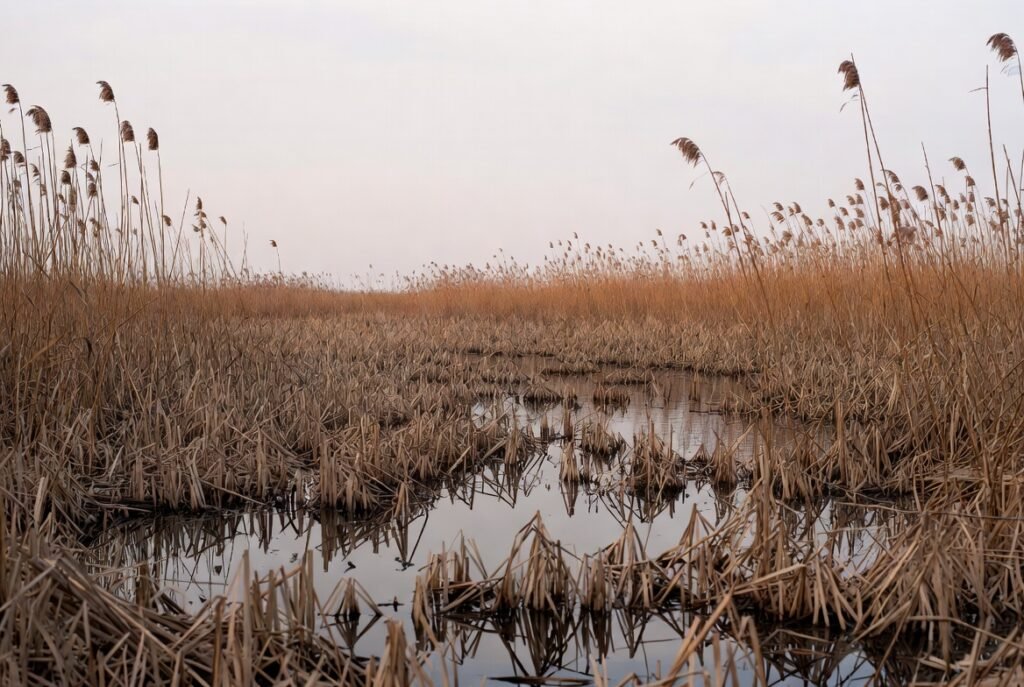
These fresh water vertebrates are declining faster over land and ocean animals. Damming rivers and diverting water destroys fish and bird habitats.
The Desalination Boom
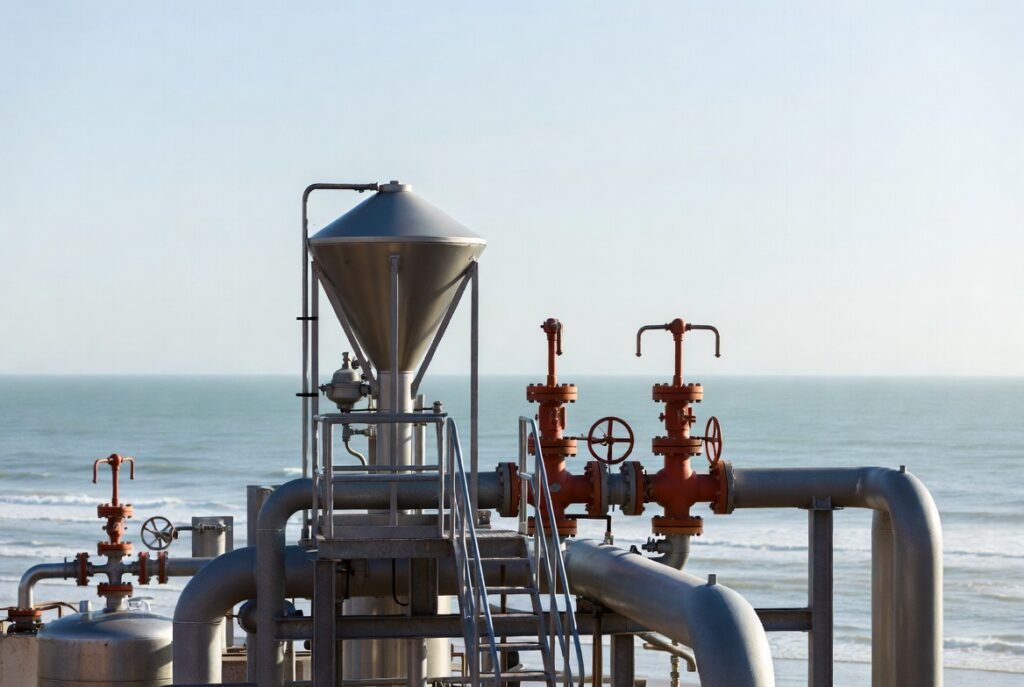
Some states have turned to “desalination,” the process of removing salt from ocean water, as one way to alleviate their crisis, but this is very effective, very costly, and creates waste brine that can also harm marine life if not properly managed.
