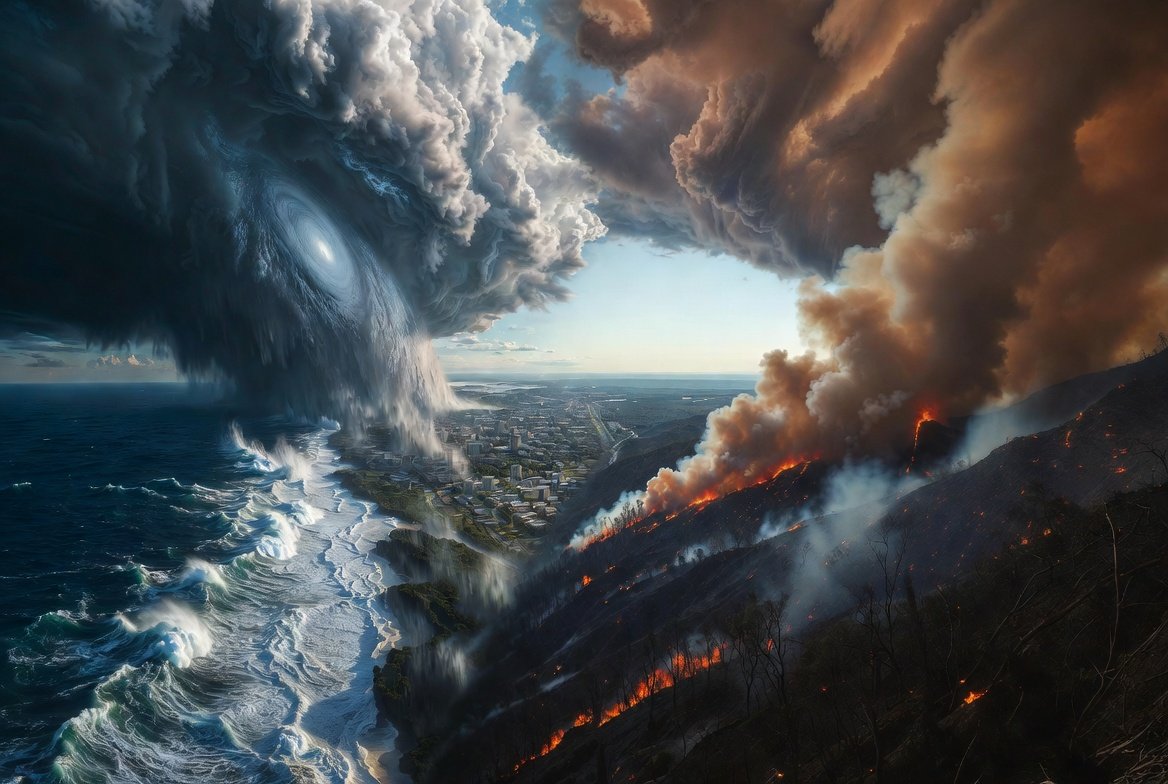
Climate change is evident in the modern risks that even threaten countries other than the United States. Natural disasters like hurricanes and wildfires have happened over the years and nowadays on a warming planet accelerate the phenomenon with much more increased frequency, intensity, and unpredictability. From Florida northward to California forests, a new imprint has begun to be gaining in strong strokes.
Warmer Oceans Fuel Stronger Hurricanes.
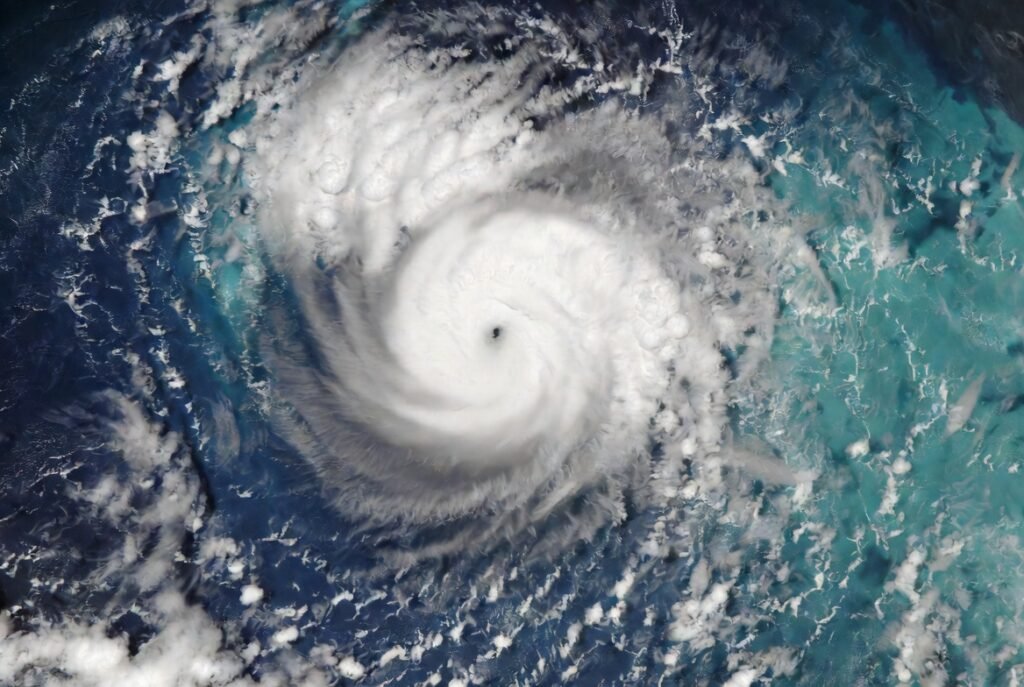
The Atlantic Ocean and Gulf of Mexico are almost borderlining record warmth, which is why they have such high temperatures as the fuel for hurricanes. The more Category 4s and 5s occur, along with their stronger winds capable of wreaking far worse destruction than has been wrought recently in recorded history.
Storms Expand Quickly Intensity.
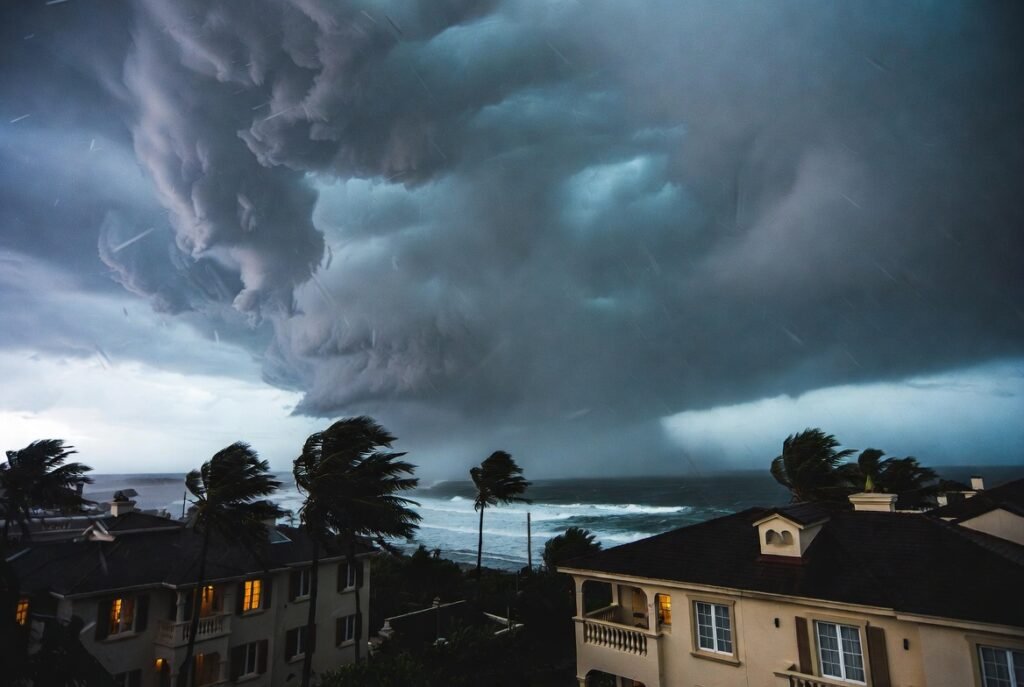
Climate change creates the rapid intensity of storms. In older times, days could sometimes elapse while developing the hurricane; in fact, the storm system develops over the course of days evolving from minor to very destructive cyclone scale within 24 hours. Coastal communities do not have much time for evacuation in safety thereafter.
Increasing Inland Flood Risk.
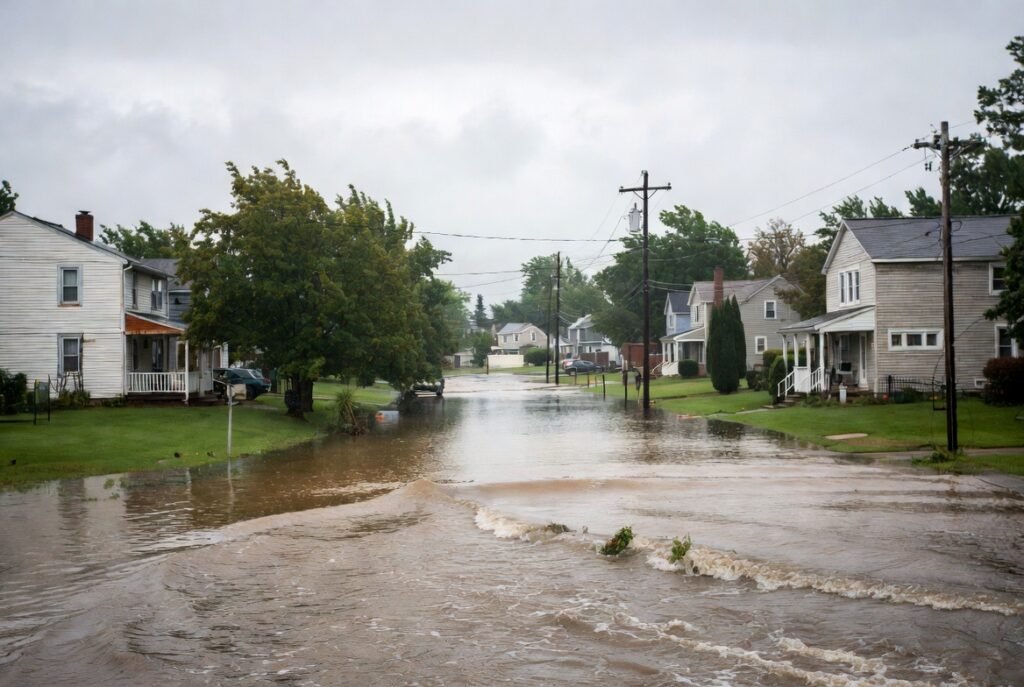
Simply put, the warmer air can carry a lot more moisture, around 7%, for each degree Celsius rise. Therefore, when it rains, it usually “pours” that much more down on certain places. These days, we are witnessing what are termed “100-Year Floods,” occurring almost every few years, particularly in inland states such as Kentucky or Vermont, both of which have never experienced a problem with sea levels before.
Longer Fire Seasons
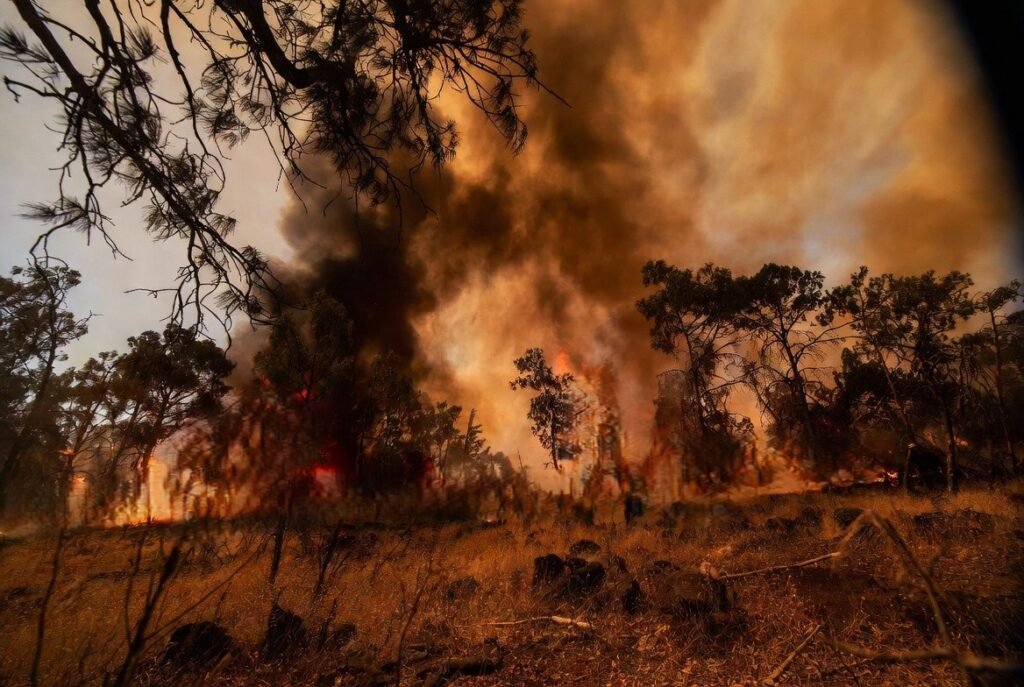
While fire seasons used to last only a couple of months in California and the West, the length of fire seasons today is nearly year-round. For instance, rising temperatures result in trees and grasslands drying out significantly and then becoming like kindling: one lightning strike can now cause a blaze so massive that it can rapidly outrun all efforts to contain it.
Last Extension of Tornado Alley
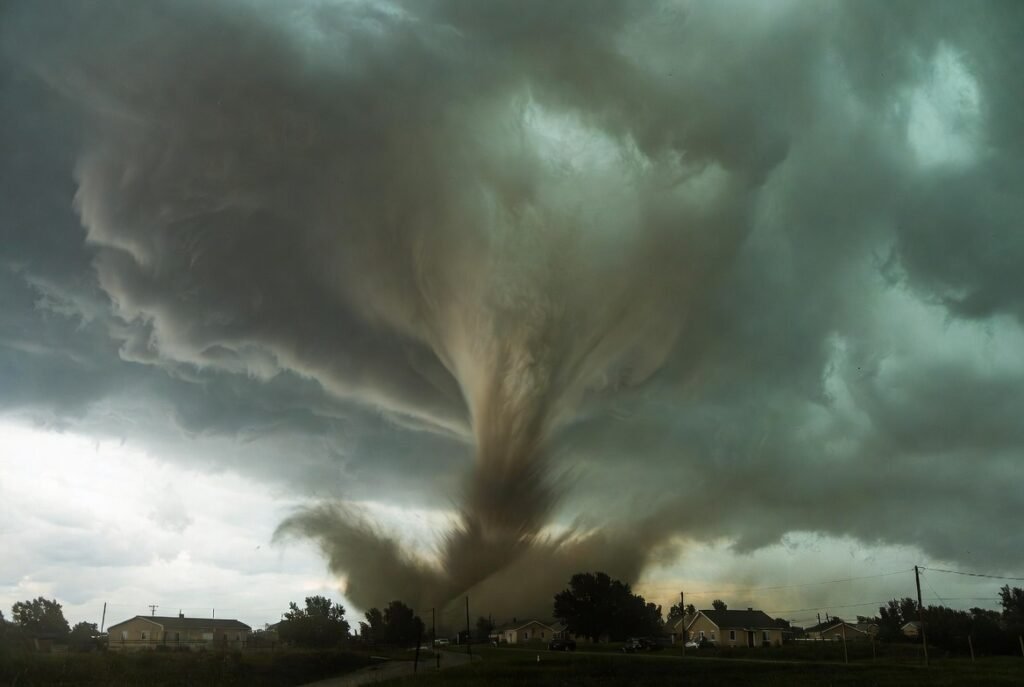
While the total number of tornadoes shows little change, the tornadoes now destroying property are different. These tornadoes now sweep into the old Great Plains and then southeastward and northeastward, smashing through the much denser population centers of Mississippi and Tennessee.
Rising Sea Level and Flooding on Clear Days
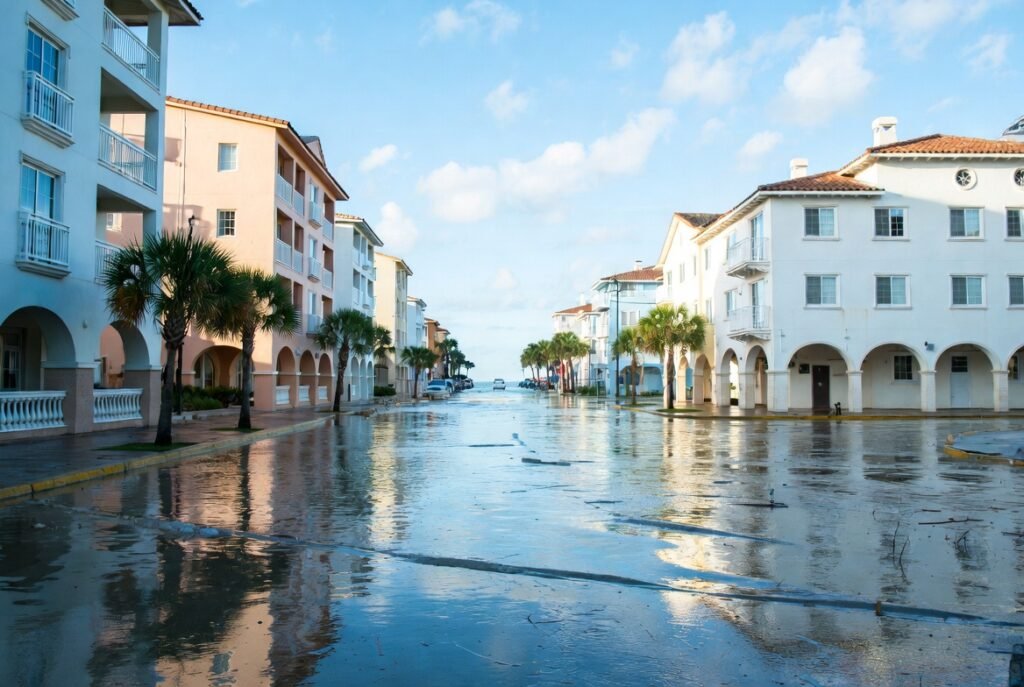
The melting ice caps added to the rising sea levels along the U.S. coastline. Therefore, when high tide comes, streets such as those in the cities of Miami and Charleston become flooded by ocean water perking fire hydrants. This long exposure is causing erosion of infrastructure; meanwhile, hurricanes do most damage so far on freshwater sources.
More Intense and Longer Lasting Heat Waves
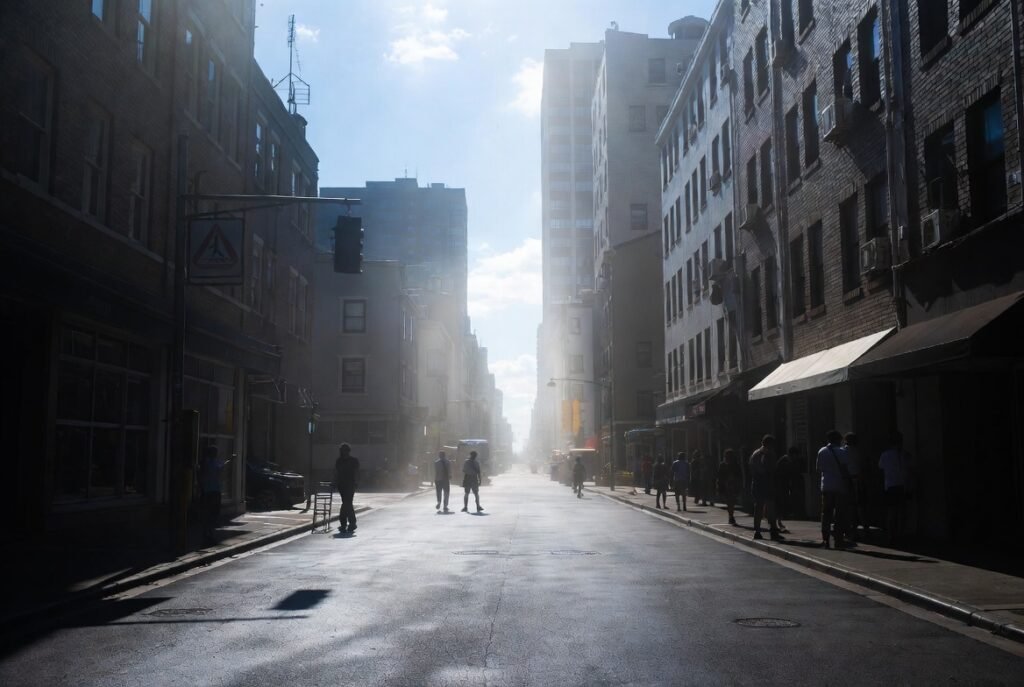
The heat, in the U.S., is said to be the deadliest of all natural disasters. Climate change increases these heat waves in their length and intensity. Urban heat islands, where concrete traps heat, have become danger zones for the elderly and poorer compatriots who have no homes with AC.
Drying Up the American West
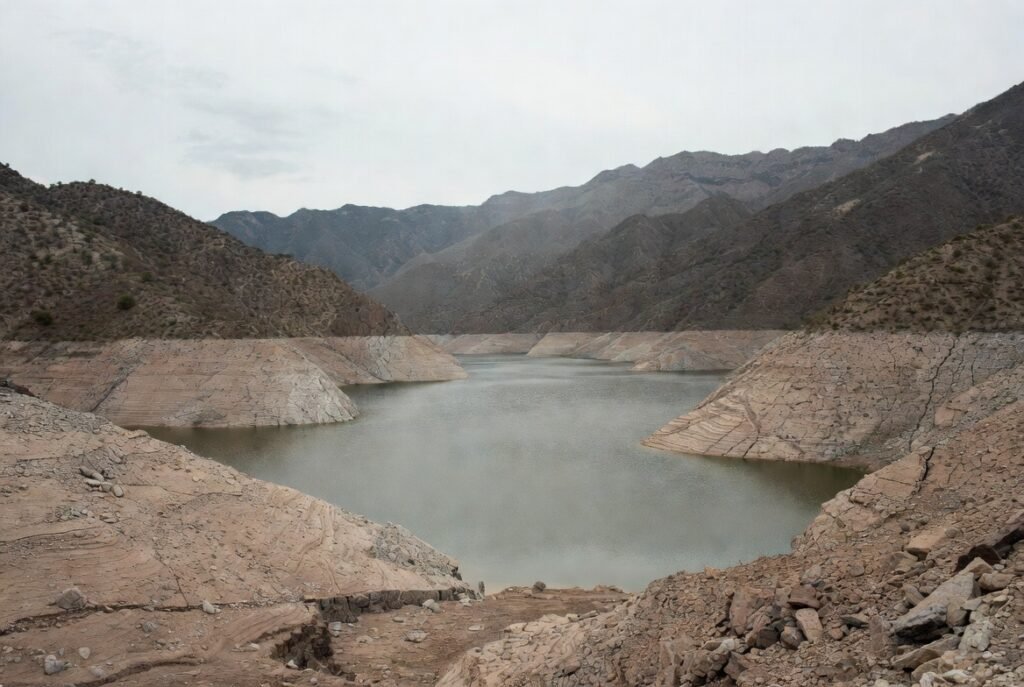
Currently, Arizona and Nevada entirely accustom themselves to this arid mega-drought flow as well as with the fact that high temperature involves a larger surface area of evaporation and thus shrinks these important water reservoirs, such as Lake Mead. Dust storms form this dry soil as it becomes unsustainable for plant growth and subsequently removes the agricultural safety net.
Severe Winter Storms
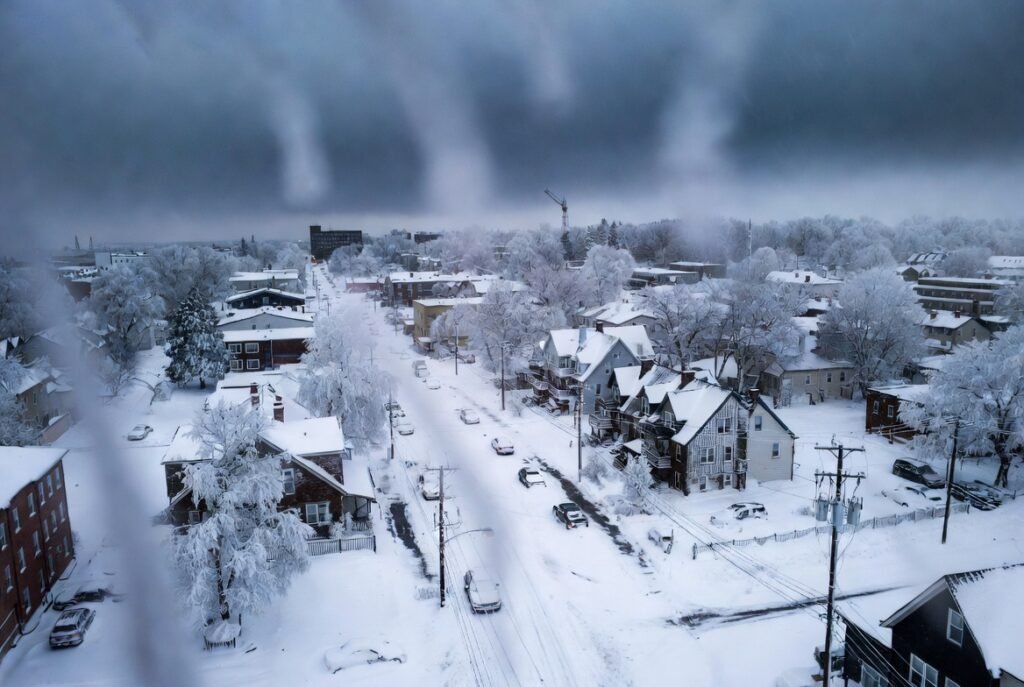
Warming in the Arctic, contrary to the name, might cause stronger winter storms. The jet stream would alter their course so that they push the cold Arctic air farther south, thus causing events such as the Texas power grid freeze when infrastructure was not prepared for extreme cold.
Power Grid Shaking
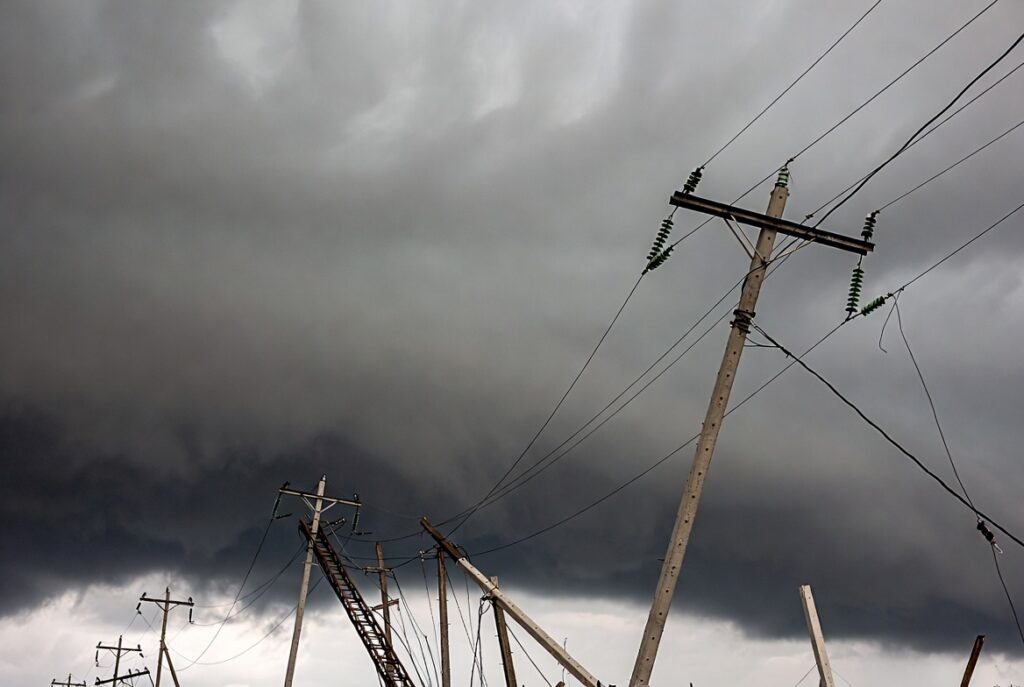
Natural disasters are clustering together. Wildfires are heat waves, and hurricanes are able to come closely followed by floods. By then, blackouts probably become few and far between but last longer during the emergencies.
Rapid Coastal Erosion
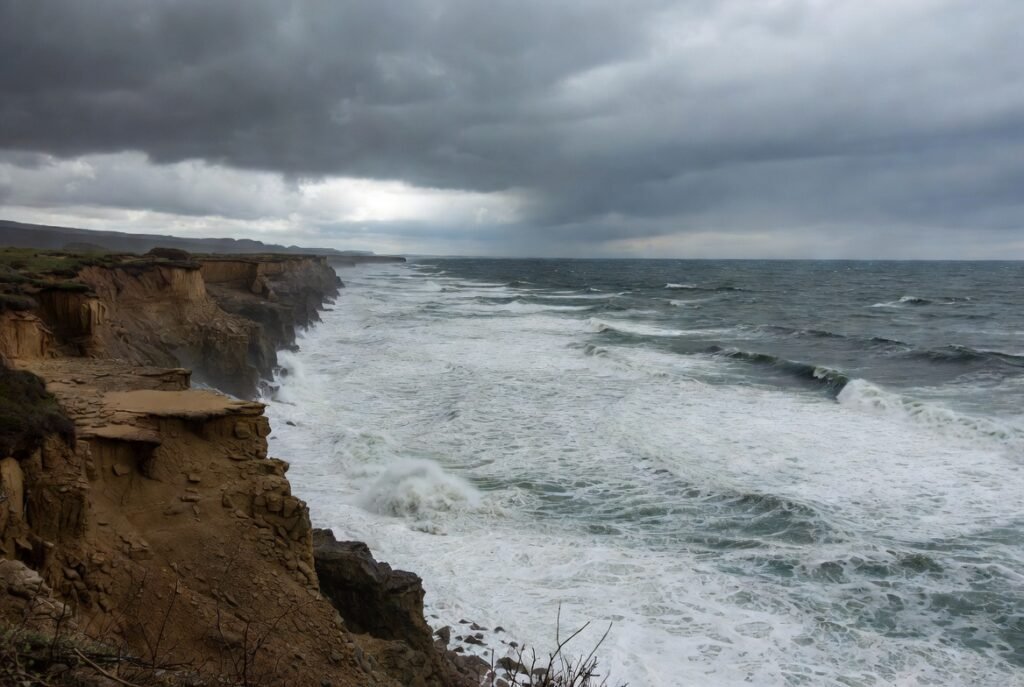
Much more frequent storms and higher waves rob the U.S. coastline of natural provisioning areas. Bathers and wetlands, which used to protect inlands from oceans, have been washed away, thus also challenging even coastal homes against the elements.
The economic and insurance burden is delivered
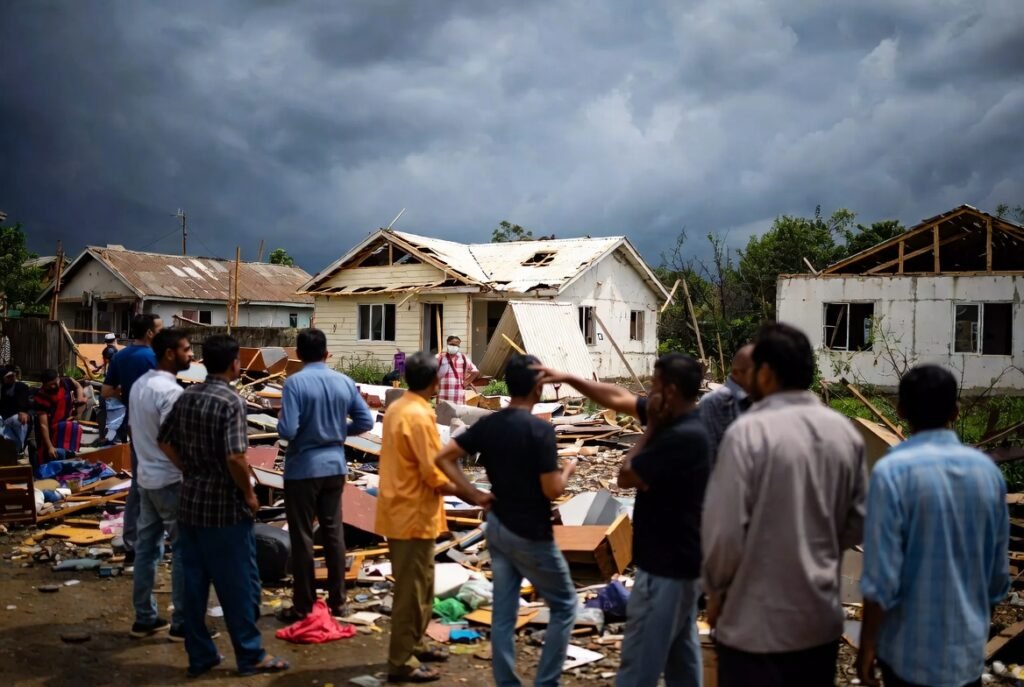
The increasing number of disasters makes recovery so costly. Since insurers have been using the disaster frequency to play havoc on more and more companies without quitting policies in high-risk states, it is making insuring houses against extreme climate costs even riskier and certainly costly for Americans.
