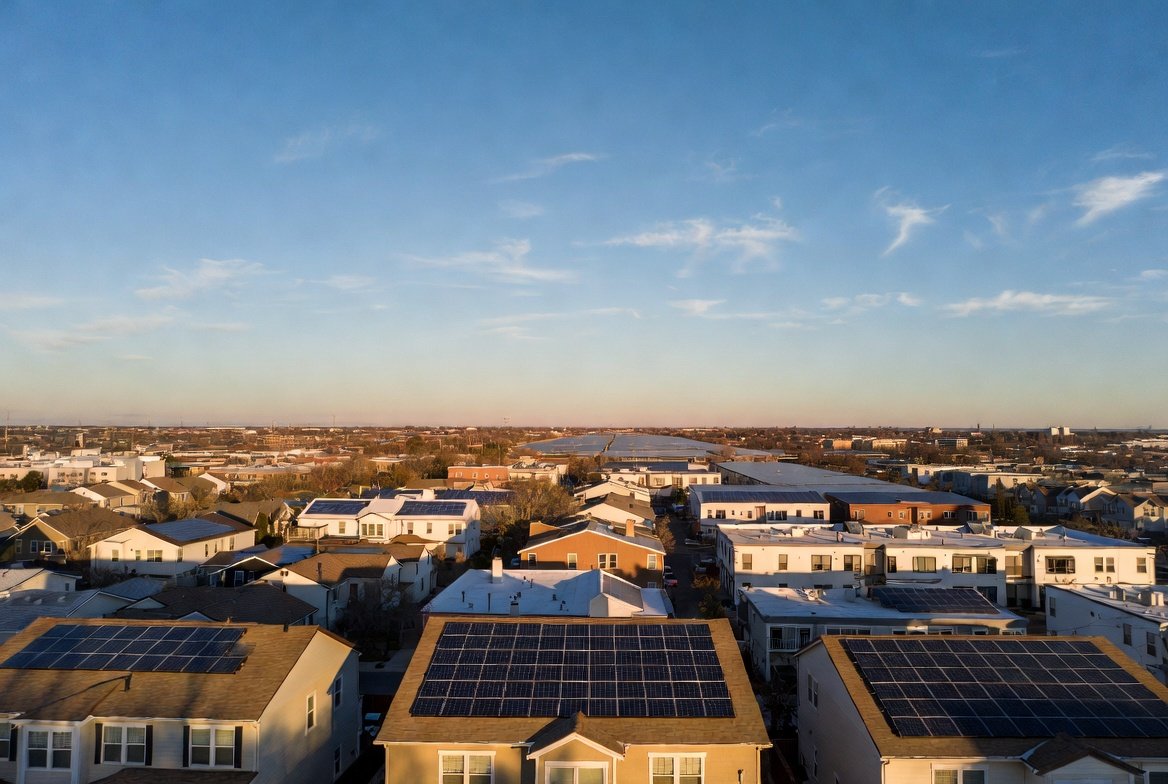
Solar energy has now entered the fastest-growing category of electricity generation in the United States, shifting from the niche technology phase. Incredibly, solar energy will not only be a gadget but will change the way Americans put energy into their houses, businesses, and cities due to plummeting prices and heightened demand for cleaner air. The shift is not just environmental; it is also an industrial and technological revolution.
Magnitude Cost Decline
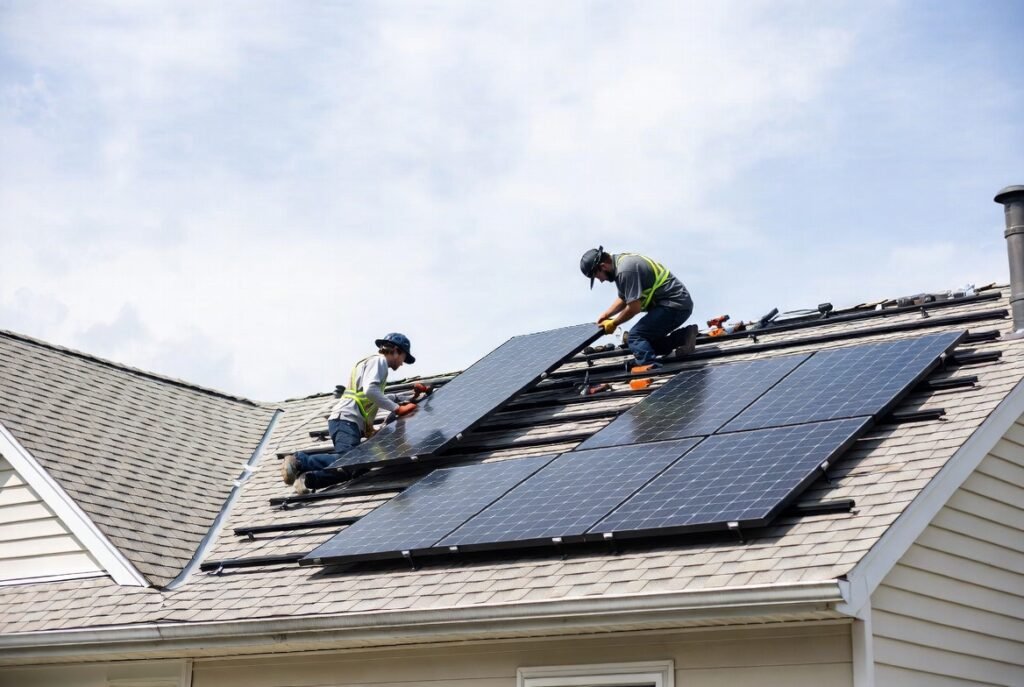
Capital costs for solar panels have reduced nearly by 70% in the past ten years. Where they were once an option for wealthy homeowners or specialist firms, they are now often the cheapest form of electricity to build in many regions of this country. So going solar is an economic as well as an environmentally sound decision.
Emergence of Prosumers
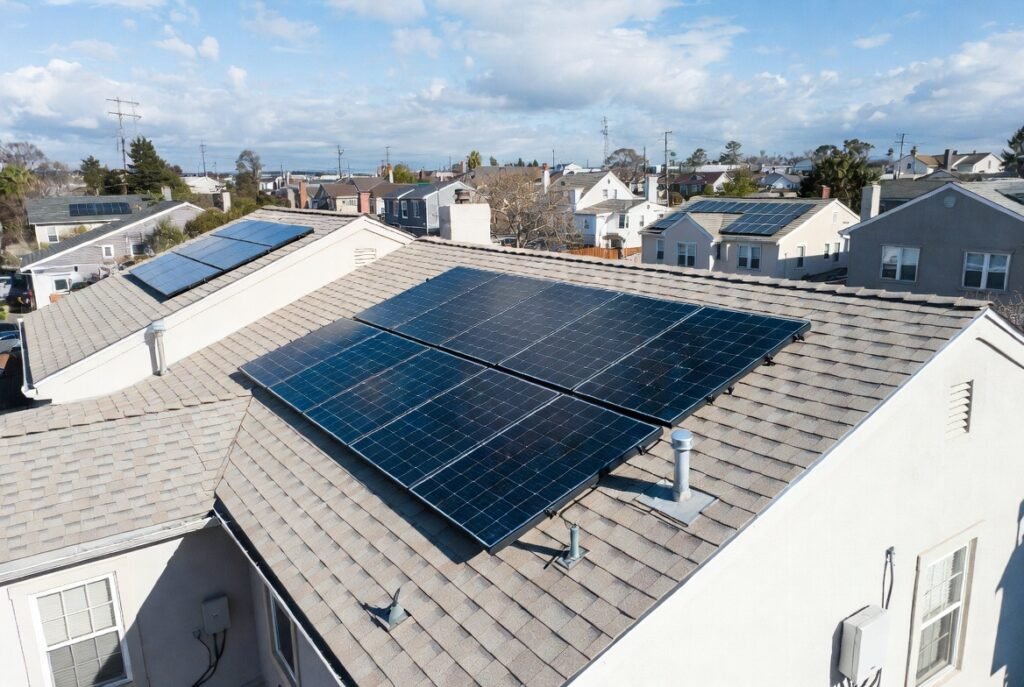
Energy used to flow in a very straight line: utilities produced power and consumers purchased it. Now millions of Americans are “prosumers”-persons who both generate and consume energy. With rooftop solar, homeowners are able to generate their own energy and, in many states, sell their excess to the grid.
Job Creation Across the Nation
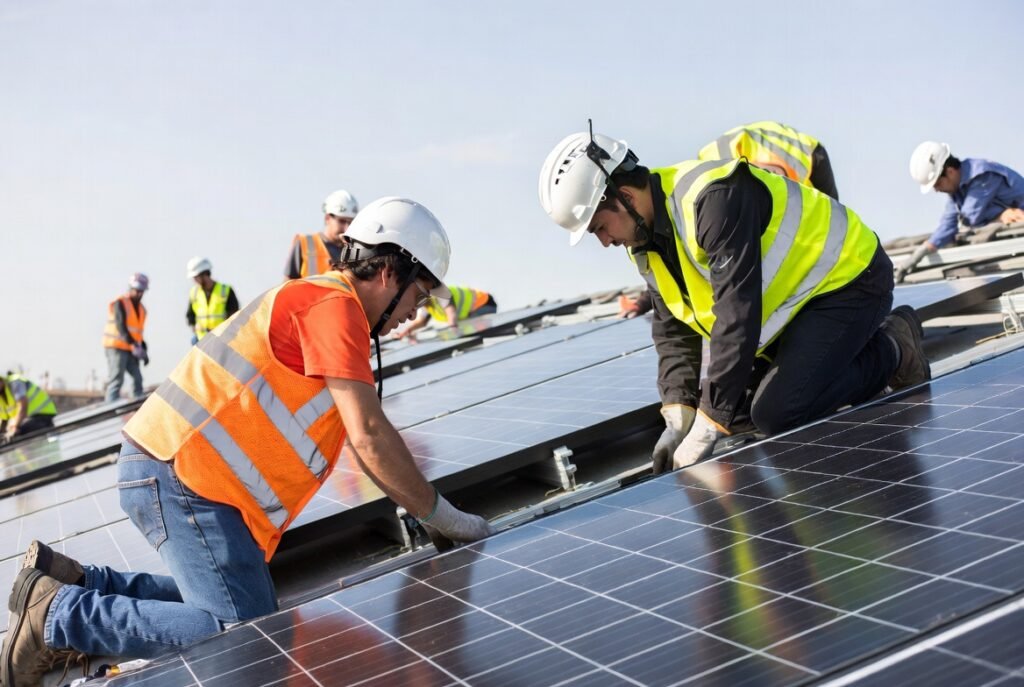
The companies operating within solar do provide a very significant engine of jobs. From installers and electricians to engineers and salespeople, the industry now employs hundreds of thousands in local, non-outsourcable jobs that buoy both rural and suburban economies.
Solar Plus Storage (Batteries)
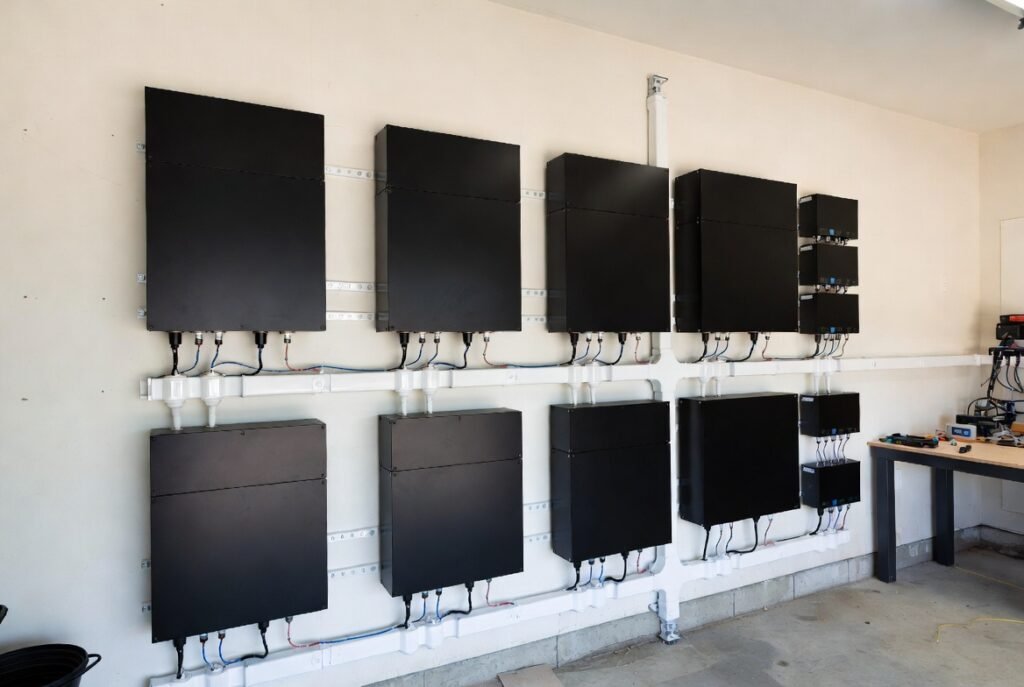
Enhanced battery technology makes it one of the great “game-changing” technologies. Solar panels coupled with large battery systems store sunlight during the day for nighttime use by residences and the utility. This answers the issue of “intermittency,” thus offering solar as a reliable source of energy round the clock.
Energy Independence and Security
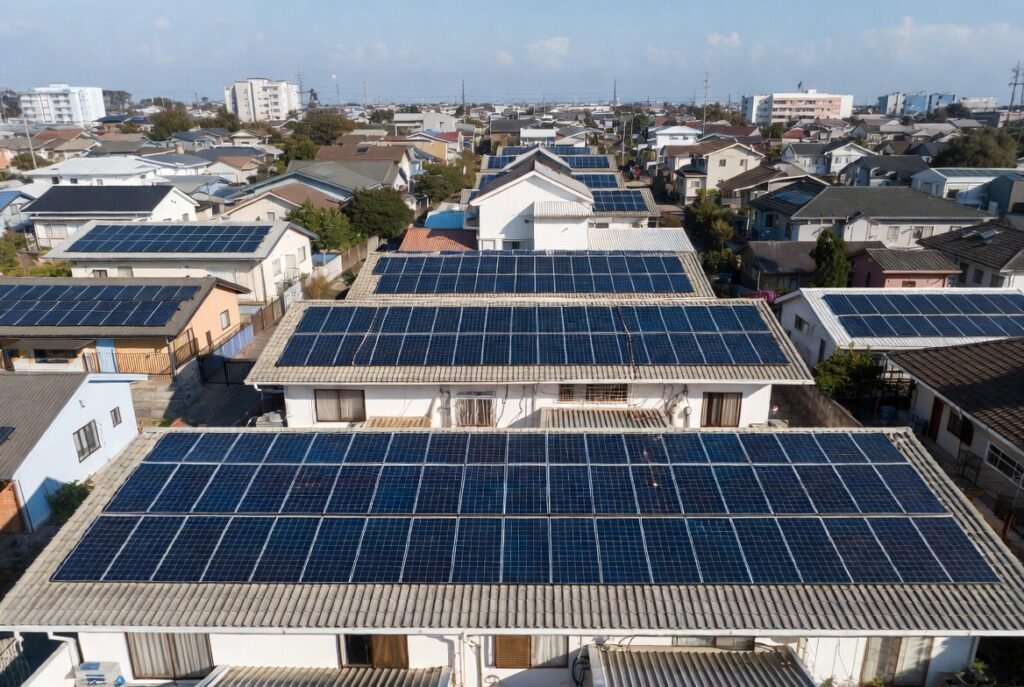
Solar energy helps in the decentralization of grids. Rather than depending on a few gargantuan power plants that could be compromised in a storm or cyberattack, energy is being produced on thousands of rooftops. Such a configuration gives a lot more resilience to the energy system in the event of any calamity.
Resuscitating Rural Spaces
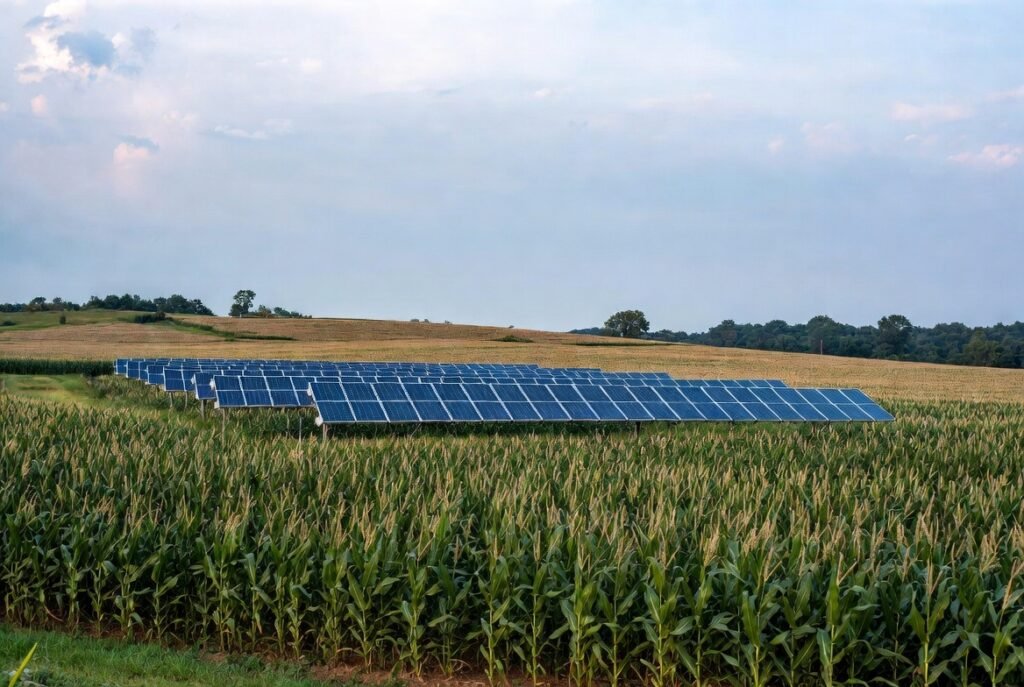
Solar farming is associated with crop production by a majority of farmers. The leasing of small portions of their land to solar farms allows farmers to make a regular and assured income, thereby shielding them from poor harvest years. Solar power thus becomes a lever for rural development.
Community Solar Projects
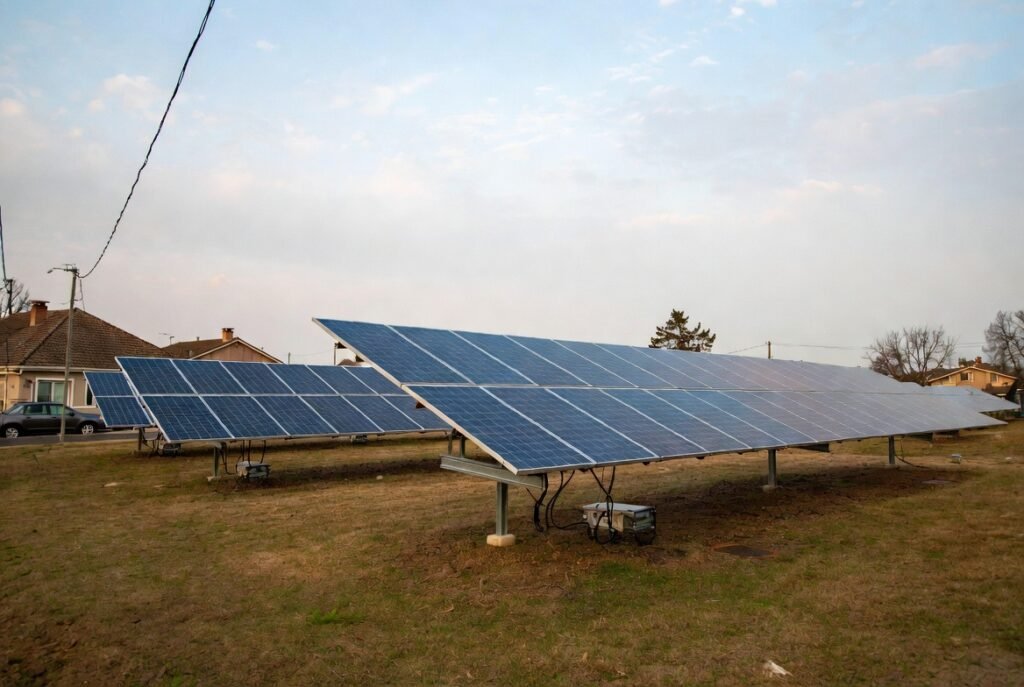
Roof ownership is no longer a requirement for sunlight exposure. Community solar allows renters and those with shaded backyards to buy into a solar farm nearby and receive bill credits on their electricity. Thus, solar energy is now feasible for all regardless of living arrangements.
Incentives and Tax Credits

This game is also getting momentum with financial inducements from the federal government and states. The Investment Tax Credit permits substantial tax credits for homeowners and businesses that cover much of the cost of solar installation, thereby significantly reducing the payback period for the system.
Coal and Gas Displacement
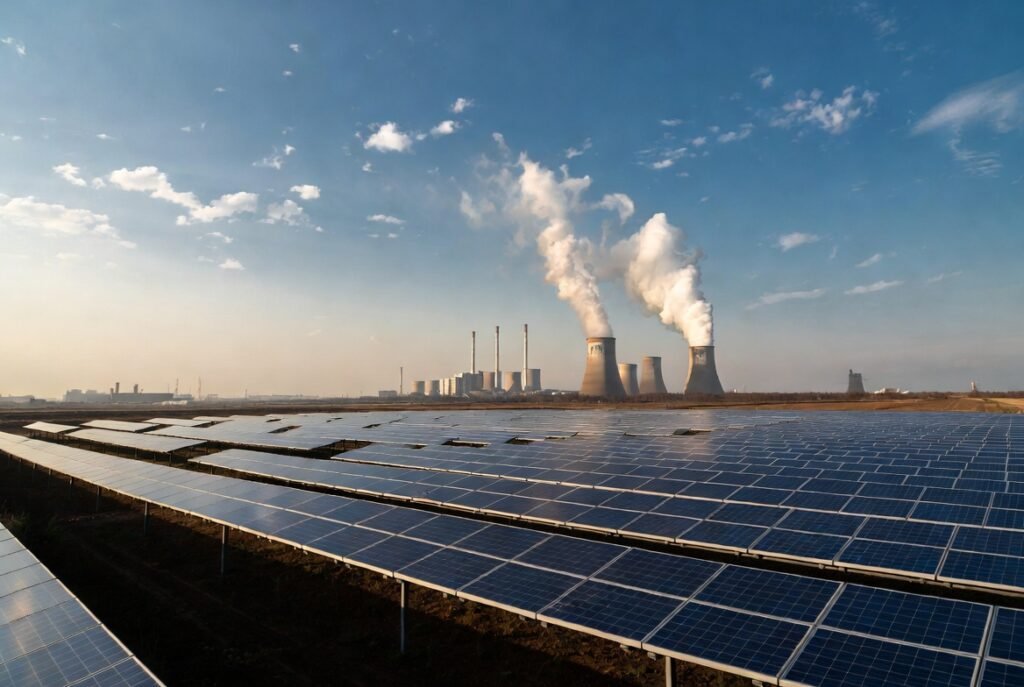
As aging coal plants are being phased out-and this has led to a steep reduction in CO2 and other air pollutants from the U.S. power sector with considerable positive feedback into urban air quality-being substantially displaced by massive utility-scale solar farms.
Innovation in Building Materials
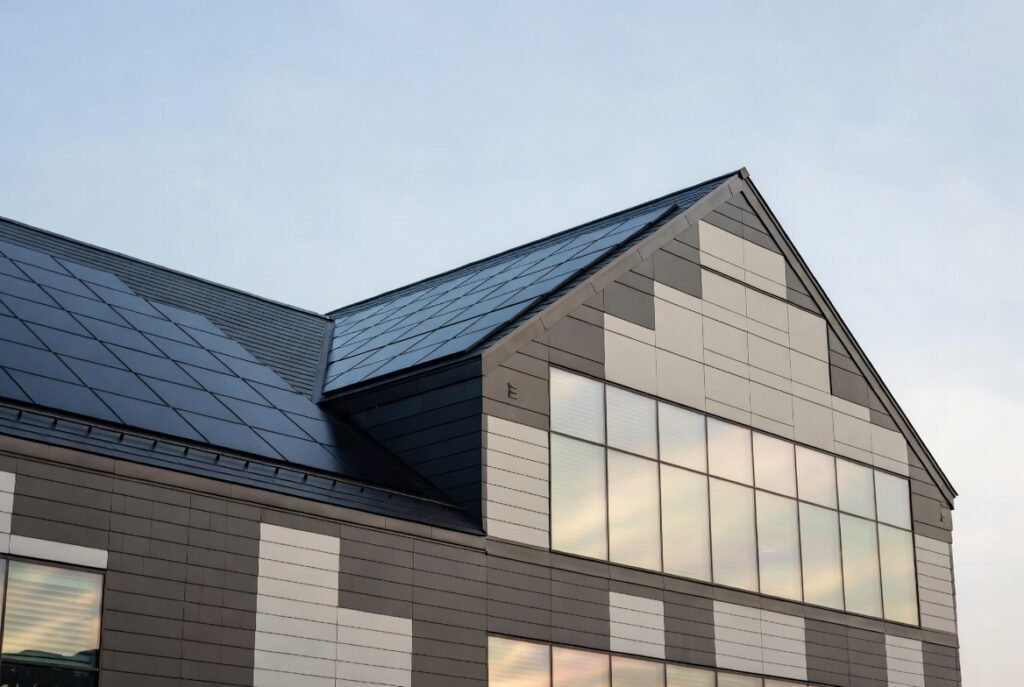
Solar technology is on the way to becoming invisible. No longer are we talking about bulky blue panels, but rather solar shingles that look just like an ordinary roof and solar glass to be used in the windows of a skyscraper. This means that, in the long run, practically every new building could effectively be its own power plant.
