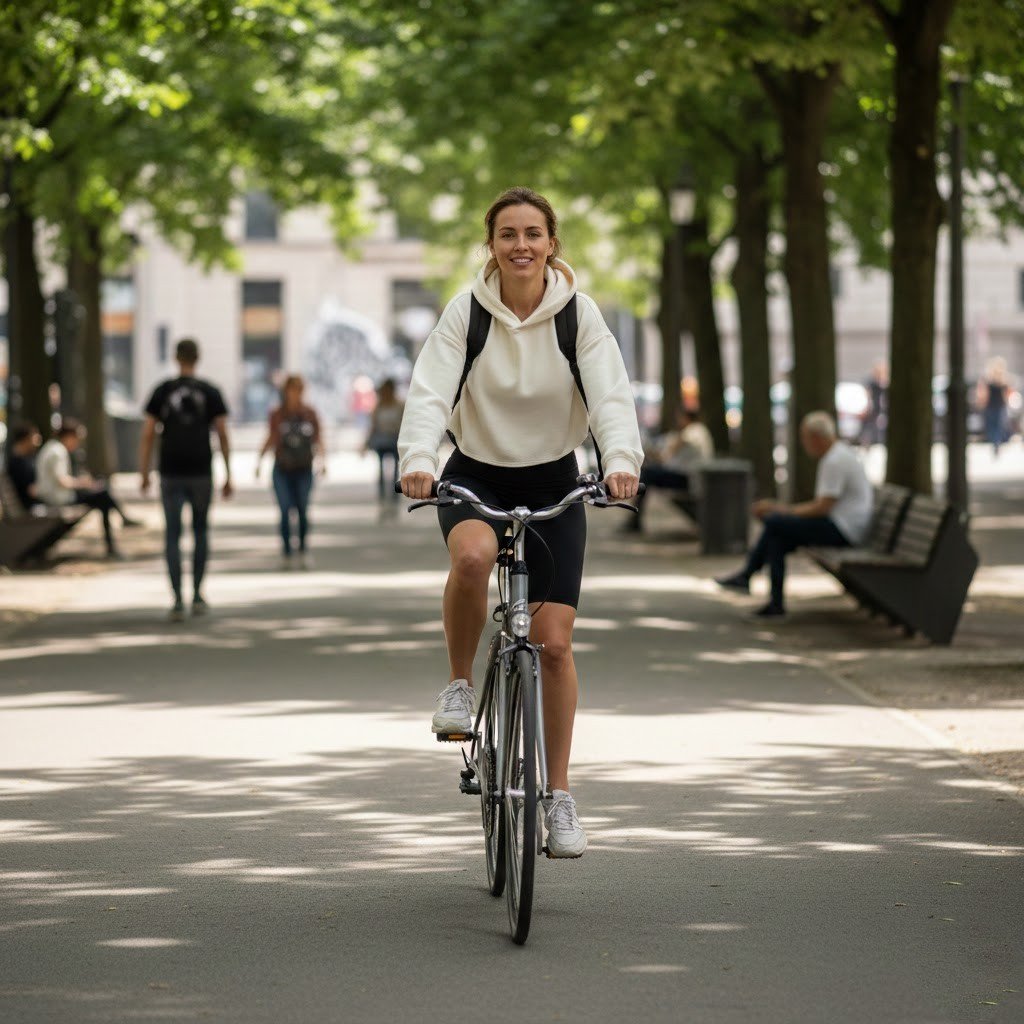
Biker shorts acquired a continuous presence due to the constant performance in the daily activities. Stable fit, less friction and loose-fitting styling are valued among riders, commuters and casual wear users. Designers perfected materials, cuts and ways of construction to ensure long-lasting usage. The outcome promotes ease of movement, rest and social use. These are some of the fundamental aspects of the comfort element and visual attractiveness, which is elucidated in this article through clear examples related to the behavior of fabrics, construction decisions, and the daily use behavior.
Fabric Quality and Wear Feel
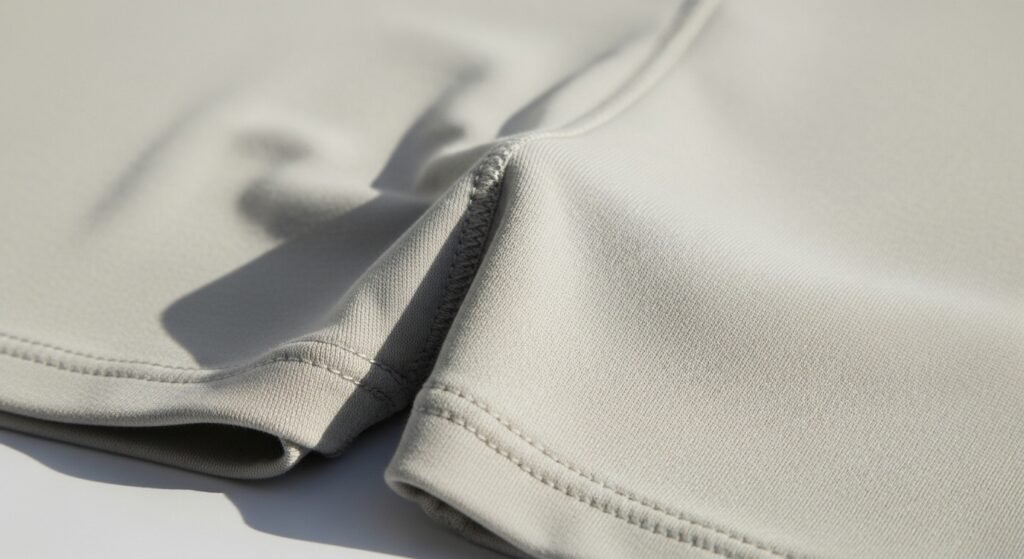
The quality of the fabric defines the comfort when worn over an extended period. The blends of nylon and elastane offer a soft touch of surface and regulated elasticity. Airflow through breathable knit constructions will be possible when walking or riding. Soft interiors minimize skin irritation in cases of long sitting, traveling, or commuting.
Waistband Design and Stability
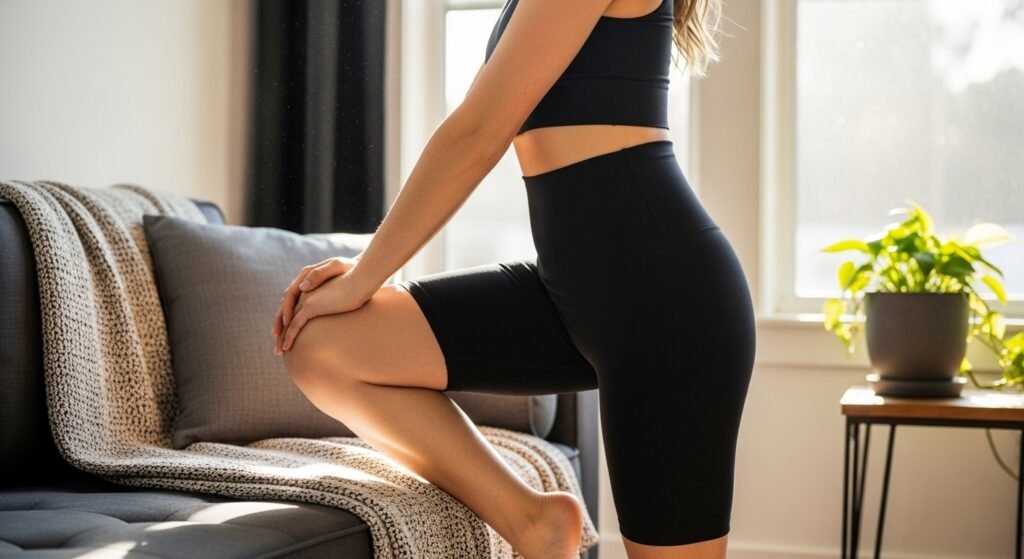
The support and comfort during movement depends on the design of the waistband. Large waistbands distribute the pressure equally about the waist. Elastic is structured and does not roll. A molded increase adheres to body lines which help in providing comfort when bending, riding or sitting at the desk.
Compression Balance and Daily Comfort
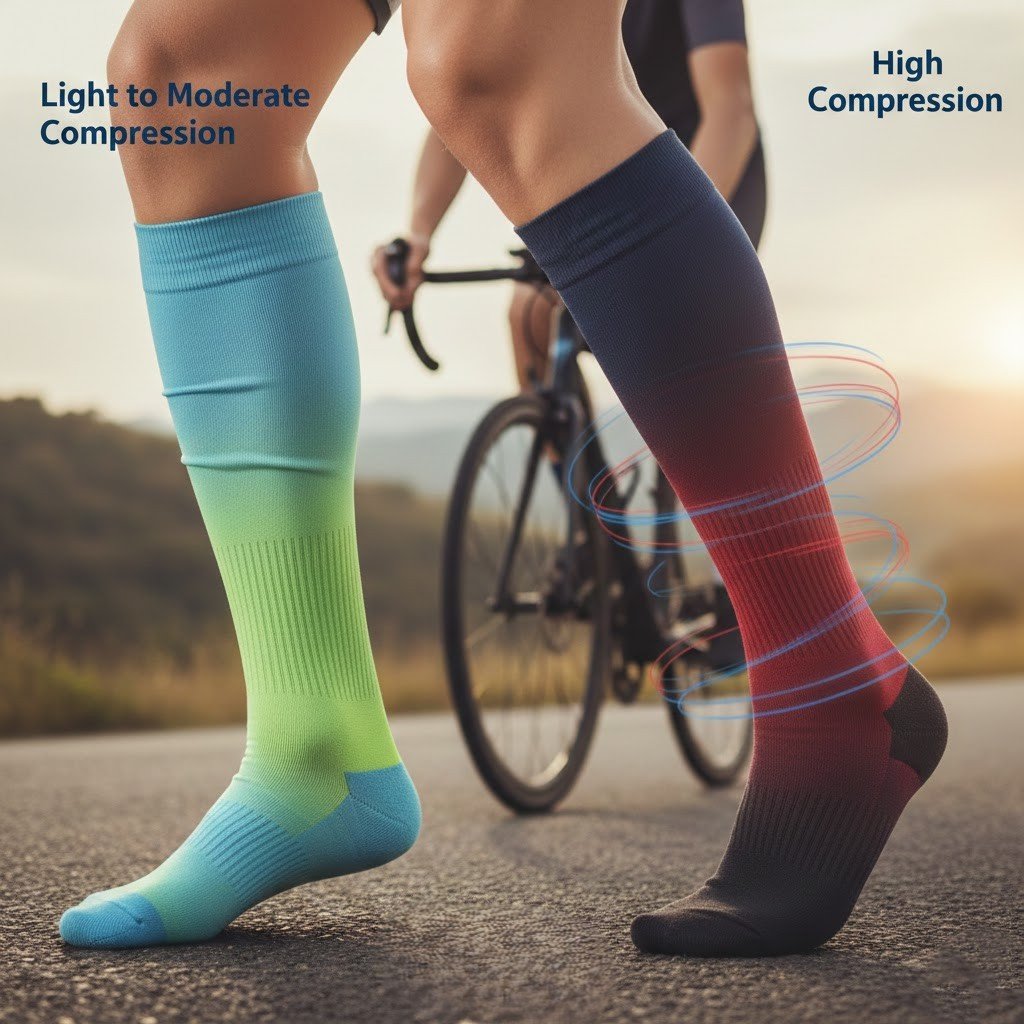
The level of compression affects fatigue and muscle support. Light to moderate compression helps in movement without constraining pressure. High compression causes pain on prolonged wearing. A balanced compression keeps shape intact and facilitates circulation, which is appropriate in day to day riding as opposed to competitive riding.
Inseam Length and Functional Coverage
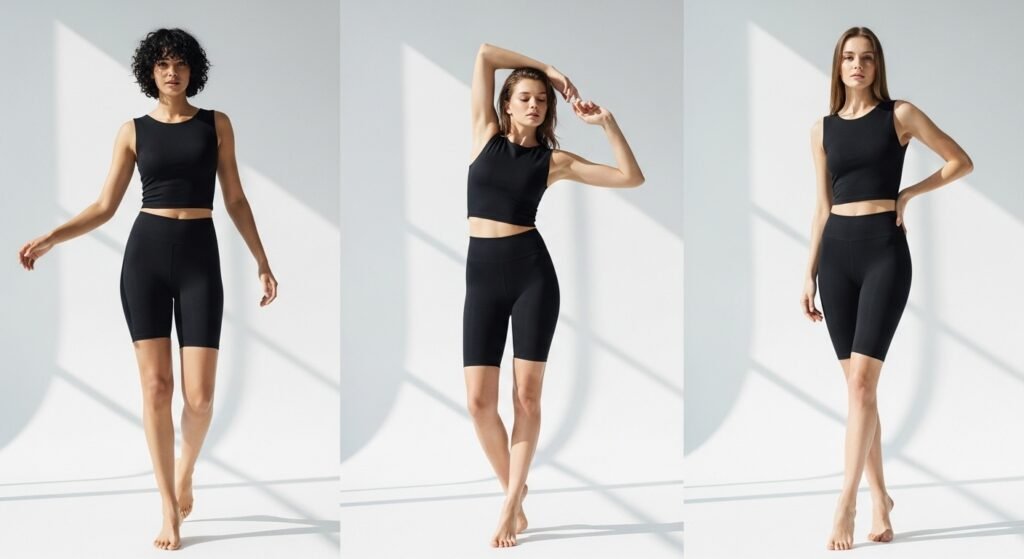
Comfort and utility are determined by inseam length. The long ones decrease friction in the inner thigh when walking or cycling. Shorter lengths are applicable to indoor activity and hot climate. Mid length fashions are airy and have cover, which helps in diverse day to day engagements.
Seam Construction and Skin Protection
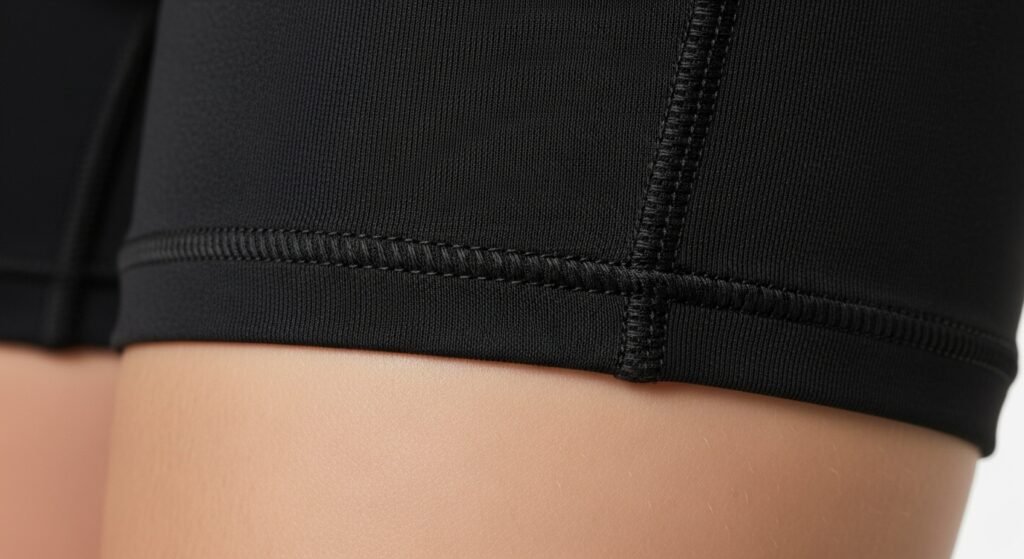
Seam construction plays a role in comfort. Flat seams limit raised edges against skin. Seam placement avoids high friction areas along inner thighs. Reduced panel overlap improves comfort during repetitive motion such as pedaling or stair climbing.
Moisture Handling and Climate Control
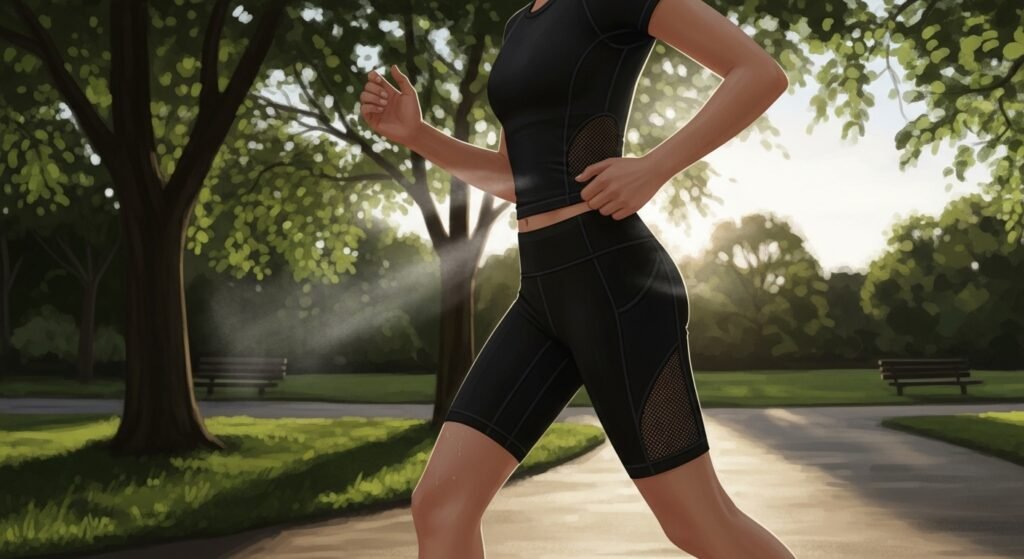
Moisture handling supports comfort across temperature changes. Quick drying fibers move sweat away from skin surfaces. Ventilated zones improve airflow in heat prone areas. Effective moisture control reduces cling and odor during extended daily schedules.
Stretch Recovery and Shape Control
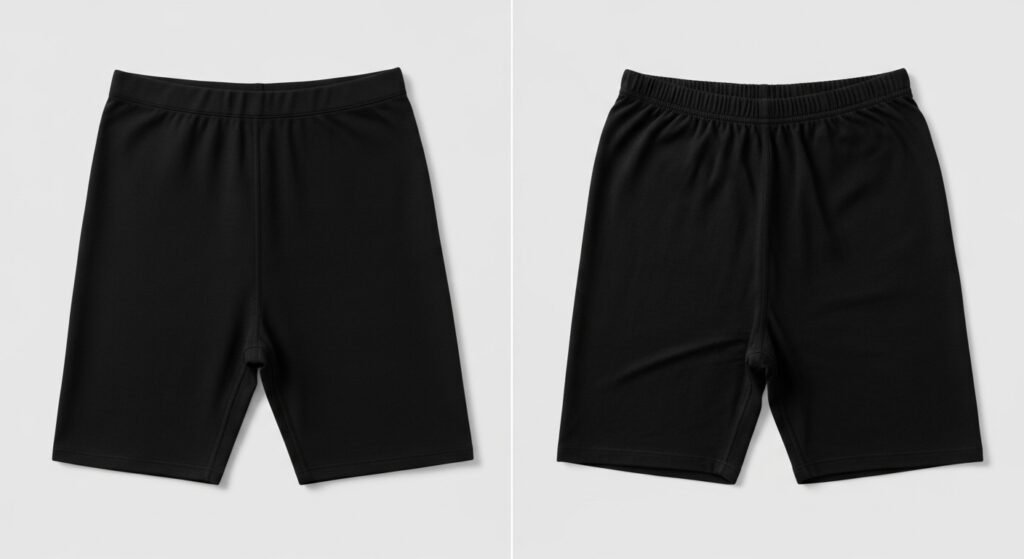
Stretch recovery affects long term performance. Quality elastane returns fabric to original form after repeated use. Weak recovery leads to sagging and uneven pressure. Strong recovery maintains support and clean appearance across frequent wear cycles.
Visual Design and Outfit Pairing
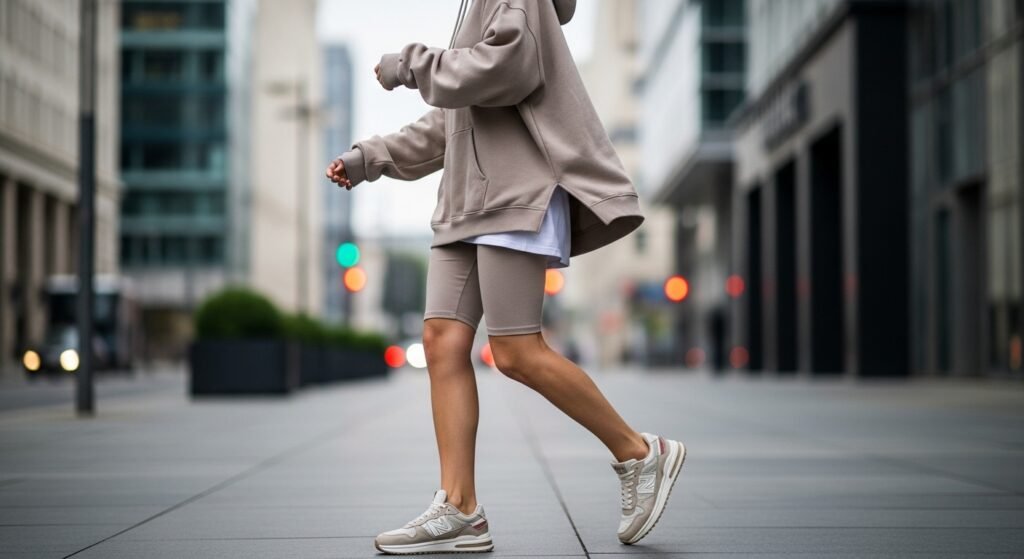
Visual design supports broader wardrobe use. Neutral tones pair well with oversized tops, jackets, and casual shoes. Minimal branding reduces athletic emphasis. Clean hems and matte textures support casual and travel focused outfits.
Durability Under Repeated Use
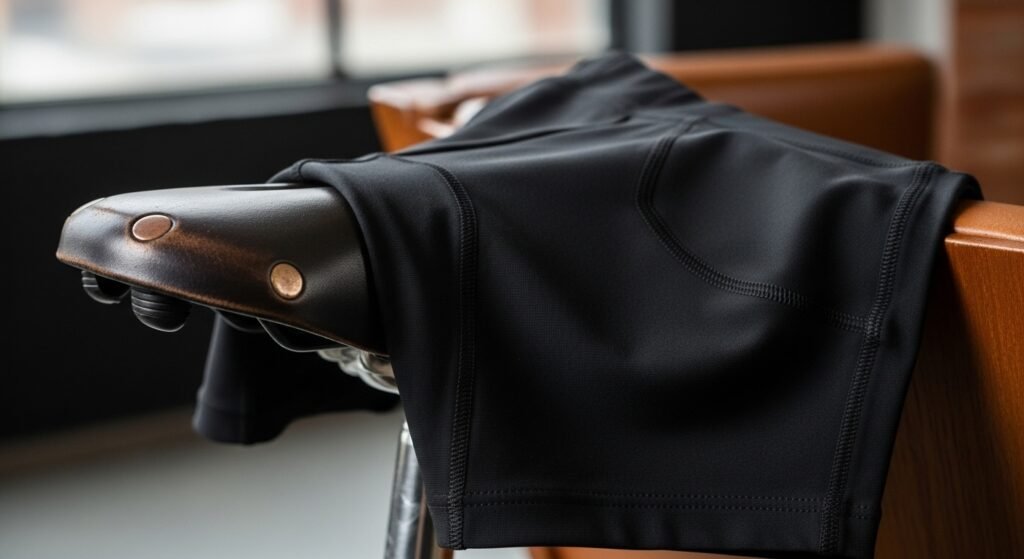
Durability depends on fabric density and stitching quality. Dense knits resist abrasion from saddles and seating surfaces. Reinforced seams handle frequent washing. Durable construction extends garment lifespan and improves long term value.
Fit Accuracy and Sizing Confidence
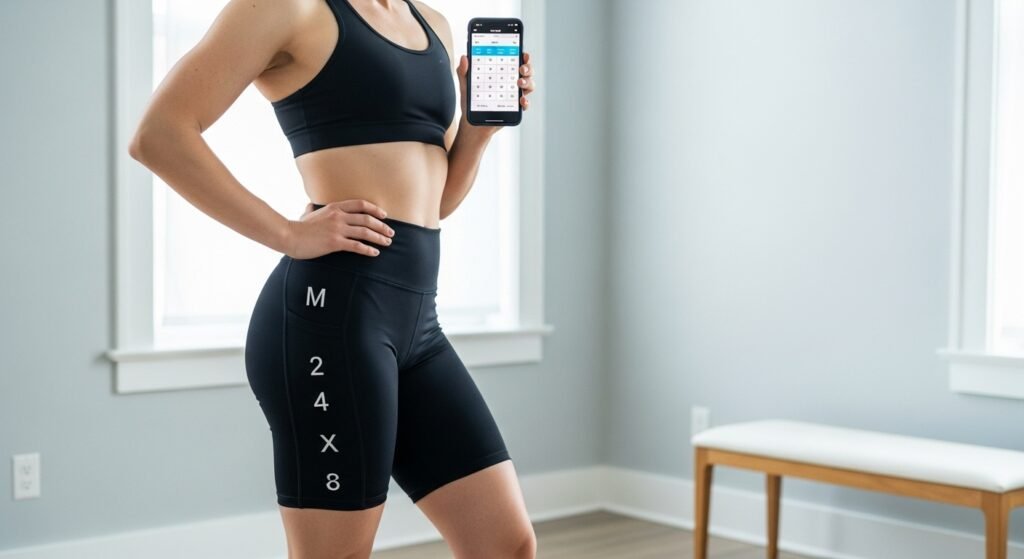
Accurate fit improves comfort and satisfaction. Size charts based on waist and hip measurements support better selection. Fit testing across movement types ensures real world comfort. Consistent sizing standards reduce returns and improve purchase confidence.
