
Climate discourse during the past decade relied on urgency, repetition, and emotional pressure. Recent signals point toward declining public responsiveness. Media metrics, polling data, and policy debates show reduced engagement with alarm focused narratives. Environmental risks still exist, yet communication strategies face scrutiny. Audiences show preference for measured language, evidence based timelines, and practical relevance. This change reflects fatigue, trust erosion, and growing demand for proportionate framing across public communication channels.
Media Exposure and Attention Decline

High frequency exposure to similar climate warnings reduces reader focus. Audience analytics from major news platforms during 2024 show lower click through rates on alarm driven headlines. Average reading time dropped compared to explanatory reporting. Editors respond by shifting tone, since sustained attention supports credibility and revenue.
Forecast Credibility and Record Tracking
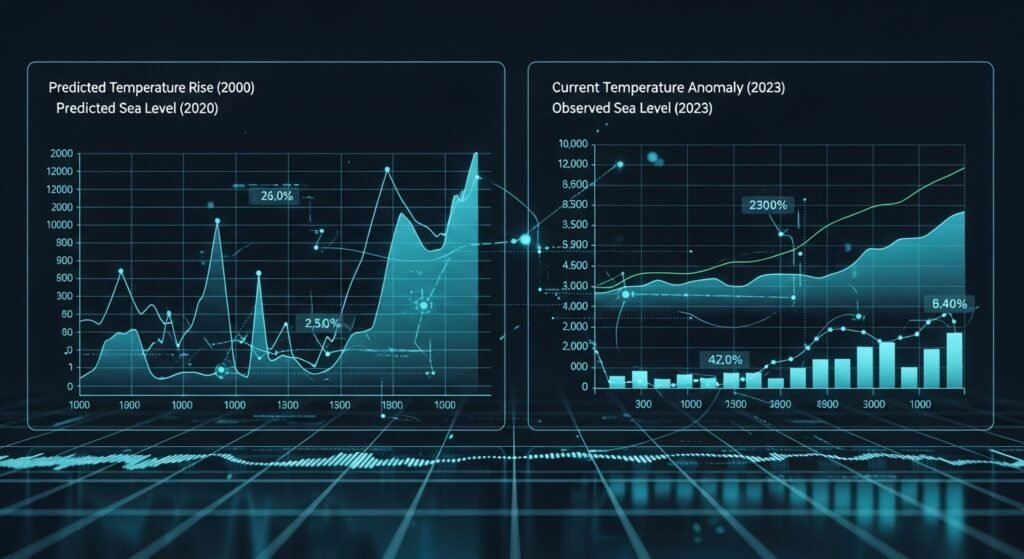
Public access to archived predictions influences perception. Several widely cited projections missed expected timing or magnitude. Online forums and independent analysts reference earlier claims alongside current outcomes. This comparison culture weakens confidence. Trust declines when forecasts appear overstated or revised without prominent clarification.
Scientific Messaging Adjustments

Research summaries now highlight probability ranges, data limits, and regional variation. Institutional review boards encourage precise language. Abstracts and press releases show reduced emphasis on worst case framing. This shift supports accuracy and reduces distortion during media translation, aligning public messaging closer to source material.
Political Feedback Loops
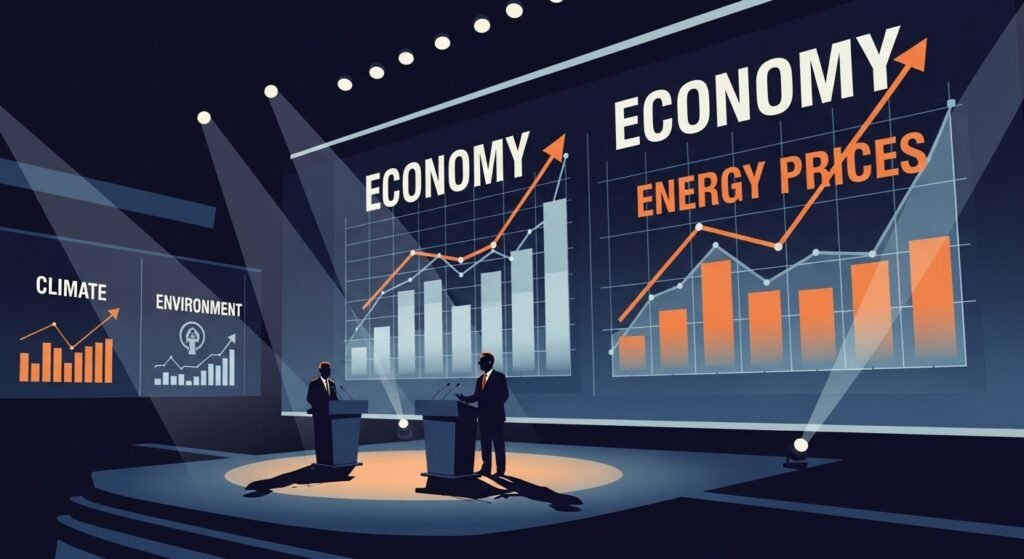
Polling of various regions indicates that language of the climate emergency is still ranked below the economic health and energy price. Political campaigns will change messages according to voter response information. Alarm centered narratives are ineffective in cases where daily expenses are the order of the day. Words of policy change toward equilibrium and practicability.
Financial Market Signals

Investment behavior reflects moderation rather than escalation. Green technology funding growth slowed during recent quarters. Carbon offset pricing stabilized after earlier volatility. Financial institutions prioritize long term return models and regulatory clarity. Market responses signal recalibration instead of heightened risk perception.
Platform Distribution Dynamics
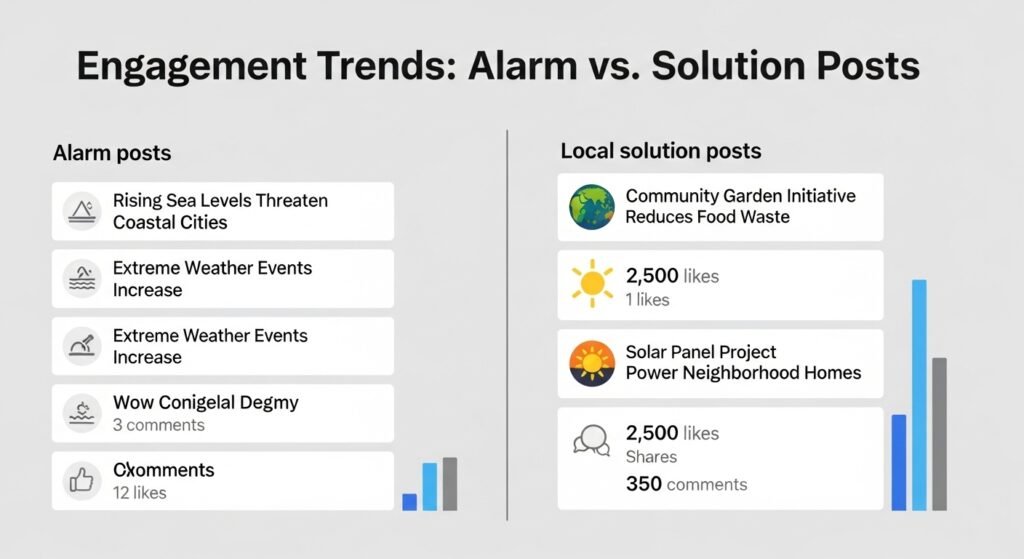
Social media ranking systems reduce reach for repetitive high intensity messaging. Engagement based algorithms favor specificity and solution oriented posts. Content creators report stronger performance for localized environmental topics. Distribution mechanics shape exposure, influencing broader narrative momentum.
Institutional Trust Patterns

Independent research groups polled reveal that the confidence towards organizations which issue frequent emergency alerts is on the decrease. Trust is enhanced through communication that involves assumptions, cost analysis and alternative scenarios. The masses react more effectively to openness than to panic. Credibility is associated with restraint and clarity of data.
Localized Environmental Priorities
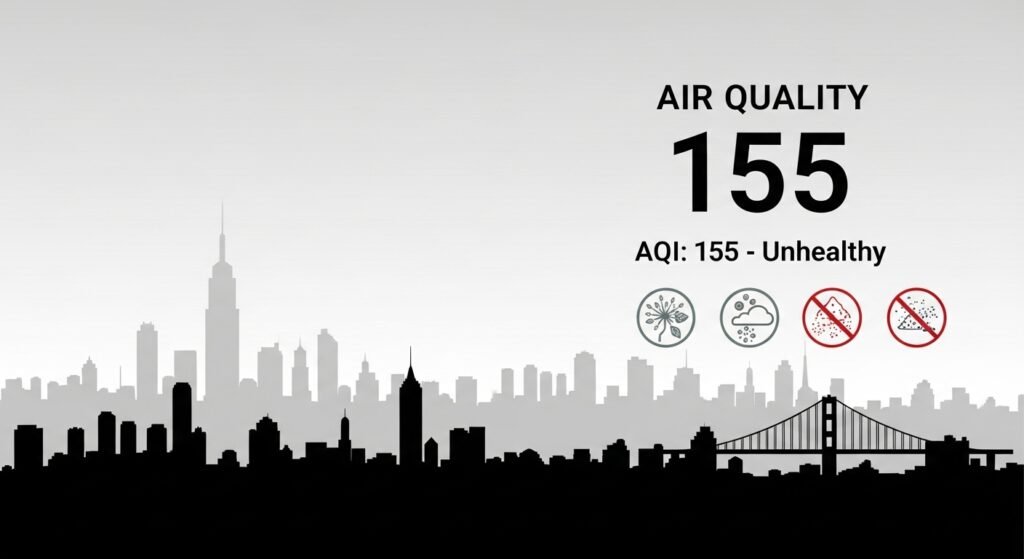
Public focus shifts toward immediate environmental conditions. Heat management, water access, and air quality attract stronger engagement than global projections. Local data offers direct relevance and measurable outcomes. This preference reduces appeal of abstract alarm messaging while increasing support for targeted interventions.
Journalistic Accountability Pressure

Media organizations face scrutiny for overstated claims lacking follow up evaluation. Reader feedback and independent reviews influence editorial standards. Corrections and updated context gain importance. Professional guidelines reinforce verification over amplification, shaping reporting practices across outlets.
