
NASA researchers recently shared findings from advanced climate simulations processed through a dedicated supercomputer. The work examines long term planetary trends tied to heat, atmospheric change, and solar output. Results point toward a distant but measurable limit for conditions suitable for complex organisms. The analysis draws from physics models rather than speculation, offering a grounded view of Earth’s future over geological timescales.
Supercomputers and climate modeling
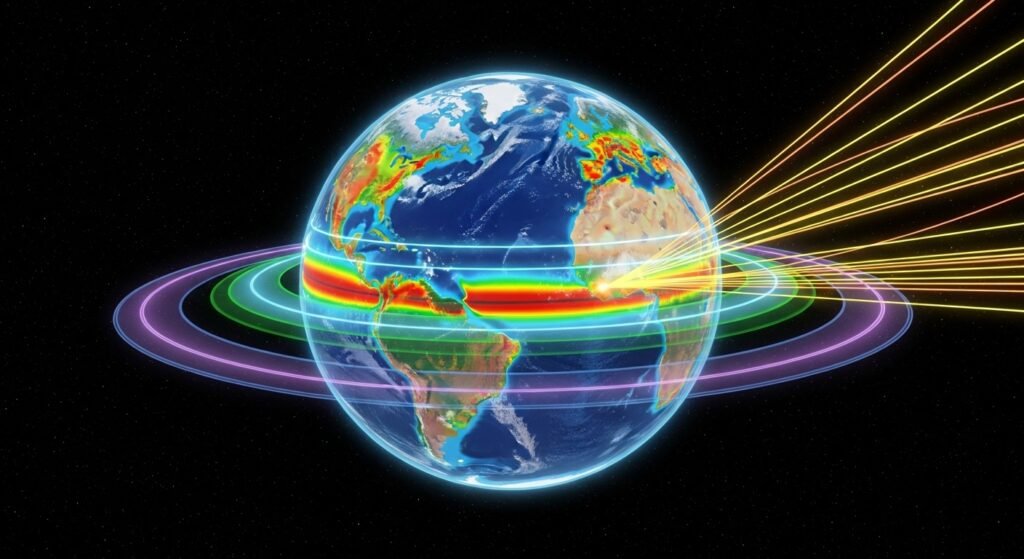
NASA relies on high performance computing systems designed for planetary simulation. These machines process vast datasets across atmospheric chemistry, ocean circulation, and solar radiation. Each simulation integrates millions of variables. The output reflects long term patterns rather than short term forecasts, giving researchers a structured view of future habitability conditions.
What the simulation measured
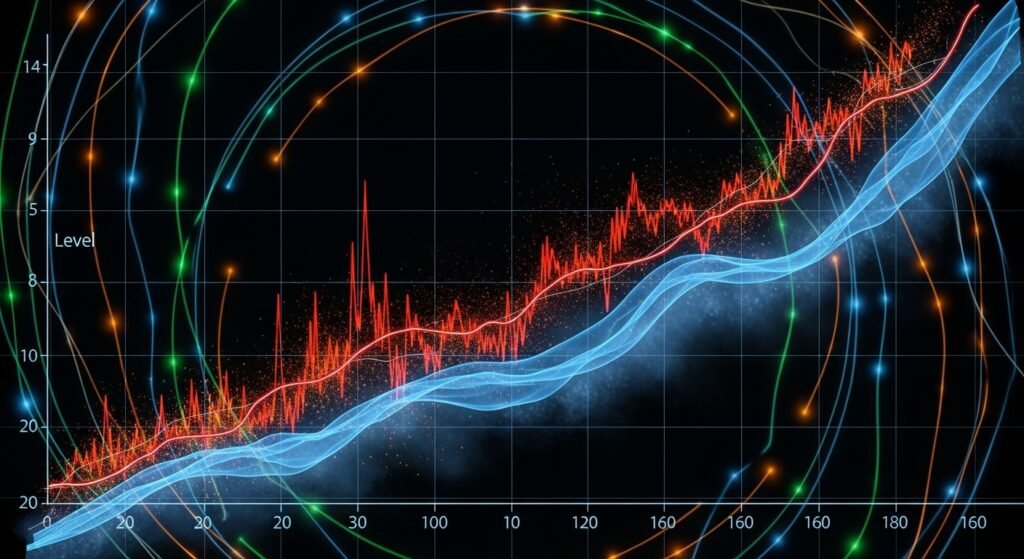
The study focused on surface temperature, atmospheric moisture, and carbon cycle stability. These metrics define biological tolerance thresholds. By adjusting solar brightness and greenhouse concentrations, researchers tracked when stable surface water declines. Such indicators serve as benchmarks for biological sustainability across epochs.
The role of the Sun’s gradual change
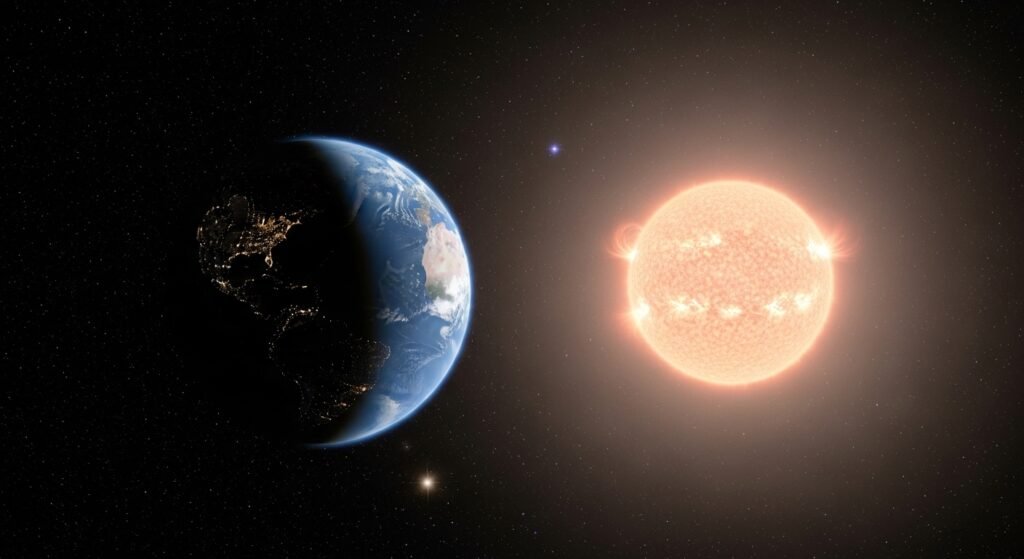
Solar output increases slowly over billions of years. The model accounts for this steady rise. Higher solar energy drives stronger evaporation and heat retention. Over extended periods, these shifts reduce climate balance. The simulation aligns with astrophysical estimates used across planetary science research.
Atmospheric limits under heat stress
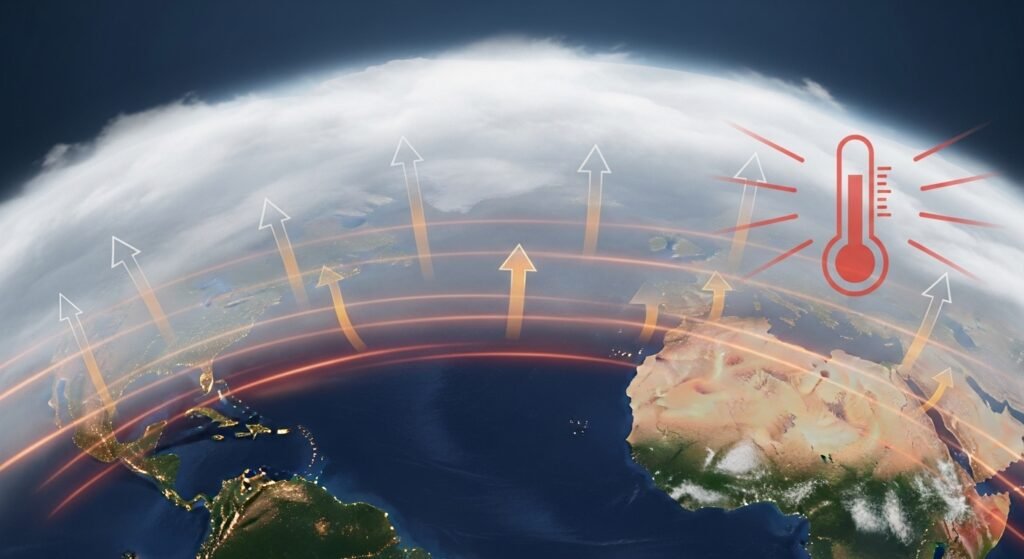
Rising heat alters atmospheric composition. Water vapor becomes more dominant, amplifying warming feedback loops. Carbon dioxide regulation weakens as geological cycles slow. The simulation identifies a point where atmospheric conditions drift outside ranges linked with complex ecosystems and long term stability.
Oceans as climate regulators

Oceans absorb heat and carbon across long spans. The model shows declining efficiency under sustained warming. Higher temperatures limit deep water circulation. Reduced circulation affects nutrient movement and climate buffering. This shift marks a gradual loss of Earth’s natural temperature regulation systems.
Timeframe indicated by the data

Results suggest a remaining window measured in hundreds of millions to roughly one billion years. This estimate reflects physical thresholds rather than sudden collapse. The timeframe sits far beyond human planning horizons, placing findings within academic and astronomical contexts rather than immediate concern.
Why life persists for so long
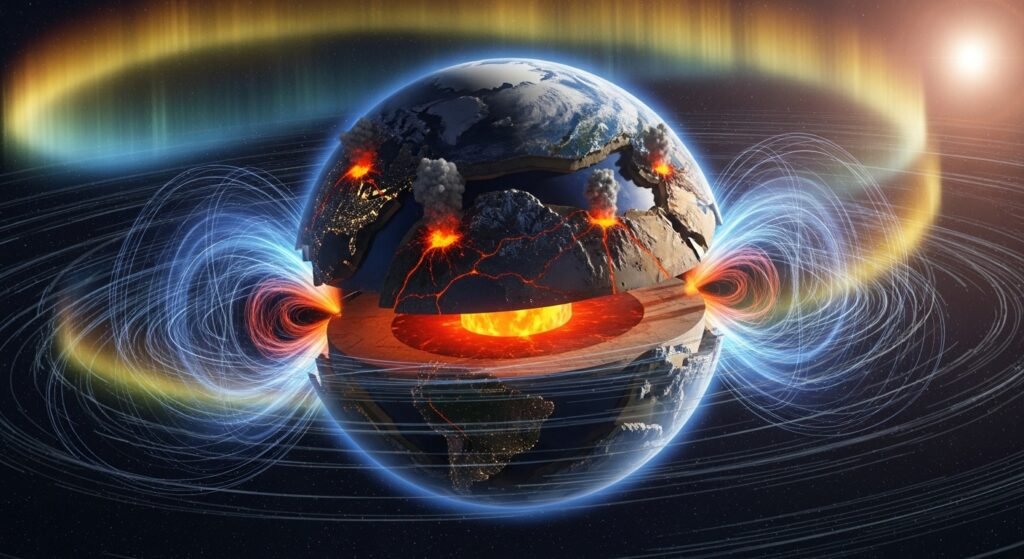
Earth benefits from plate tectonics, magnetic shielding, and large oceans. These features slow extreme change. The simulation credits these systems with extending habitability well beyond many known planets. Longevity stems from layered feedback mechanisms rather than a single stabilizing factor.
How findings compare with earlier studies
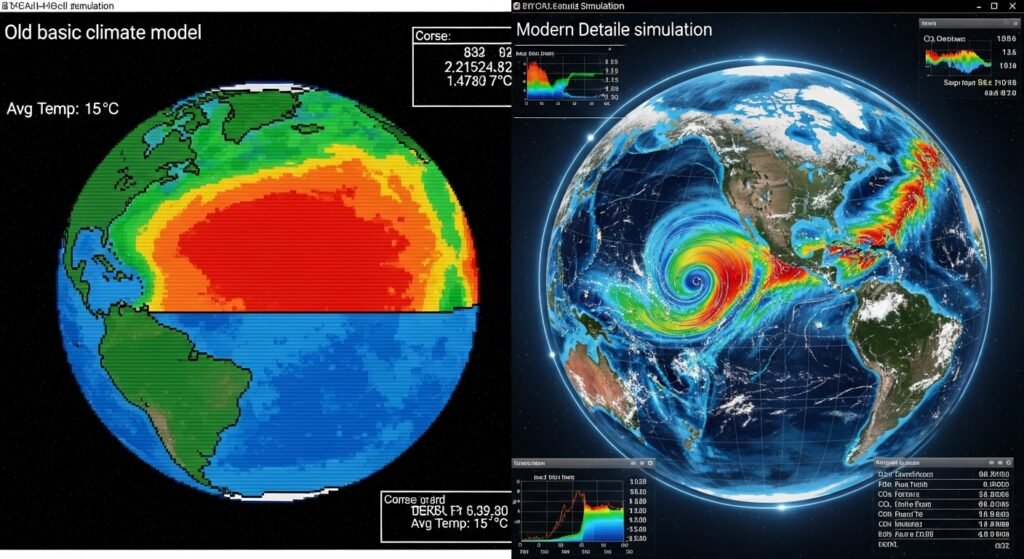
Earlier estimates varied widely due to limited computing capacity. The new simulation narrows uncertainty ranges. Results align with updated stellar physics models published during the past decade. Consistency across independent methods strengthens confidence in the projected timeframe.
Implications for planetary science

The study informs research beyond Earth. Scientists apply similar models when evaluating distant planets around other stars. Understanding Earth’s long arc supports clearer criteria for habitability elsewhere. This perspective guides telescope missions and future data interpretation strategies.
