
Science terms appear in news, work meetings, and daily talk. Many words shift meaning outside labs and classrooms. This shift creates confusion and weakens clear thinking. The article reviews ten science terms people misuse in routine speech. Each section explains the formal meaning, the common misuse, and a simple example. The goal involves clearer language and better understanding of scientific ideas used in everyday settings.
Theory
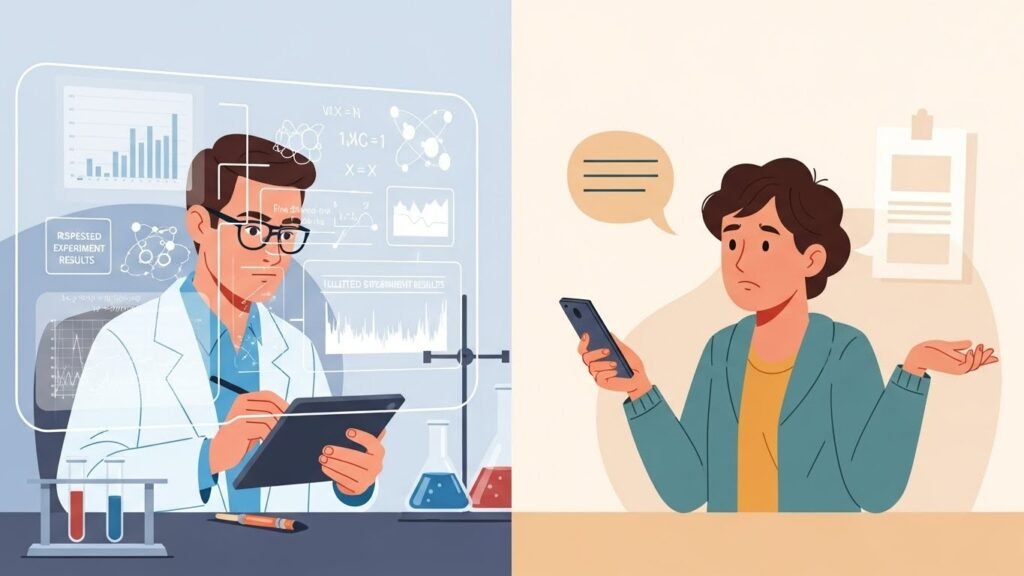
In science, a theory refers to a well tested explanation supported by repeated evidence. Daily speech treats theory as a casual guess or opinion. This mismatch causes confusion. For example, gravity qualifies as a theory due to extensive testing, while a personal idea lacks scientific status.
Hypothesis

A hypothesis represents a specific, testable statement formed before research begins. Everyday use treats hypothesis as a vague idea without structure. In research, a hypothesis sets measurable expectations. Confusing hypothesis with opinion weakens discussions about experiments, results, and evidence.
Law

A scientific law describes a consistent pattern observed in nature. Many people use law to suggest certainty or final truth. Science treats laws as descriptions, not explanations. Newton’s laws describe motion behavior without explaining underlying causes, which remain the role of theories.
Energy

Energy in physics refers to the capacity to perform work, measured in units like joules. Daily language links energy with mood or motivation. A person feeling tired lacks alertness, not physical energy in the scientific sense. Mixing these meanings blurs discussions about health and physics.
Chemical
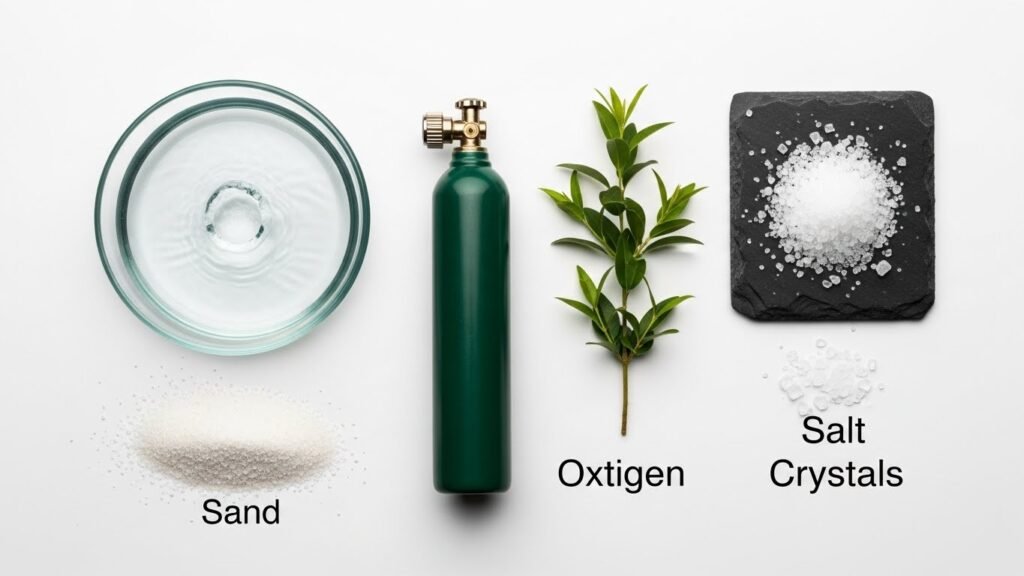
A chemical means any substance with defined composition. Casual speech treats chemical as harmful or artificial. Water and oxygen qualify as chemicals. This misuse feeds fear around food, medicine, and materials without factual basis.
Organic
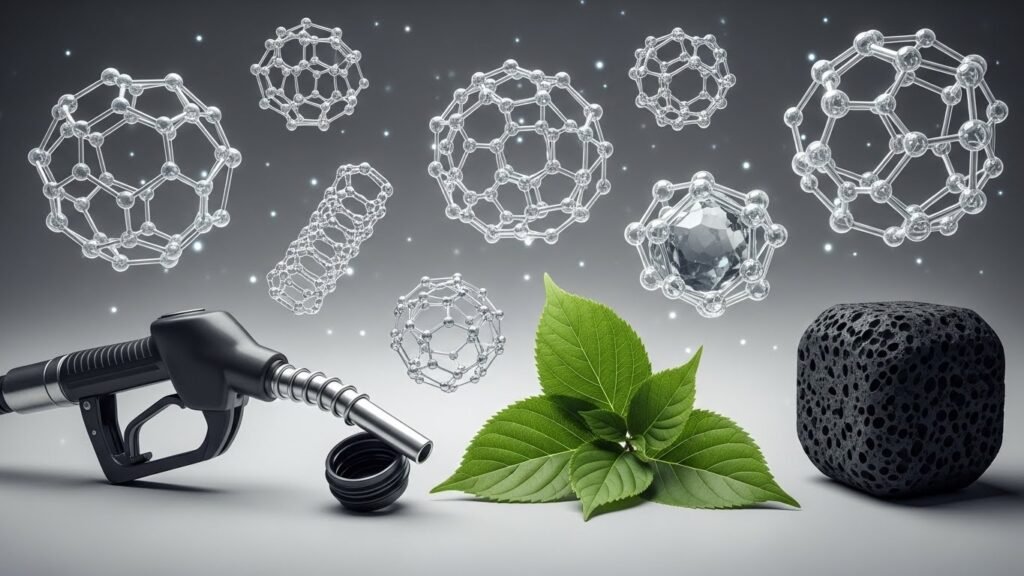
In chemistry, organic describes compounds containing carbon bonds. Popular use links organic with natural or healthy products. Plastic and gasoline count as organic compounds. Food labels use organic in an agricultural sense, which differs from the scientific definition.
Toxic
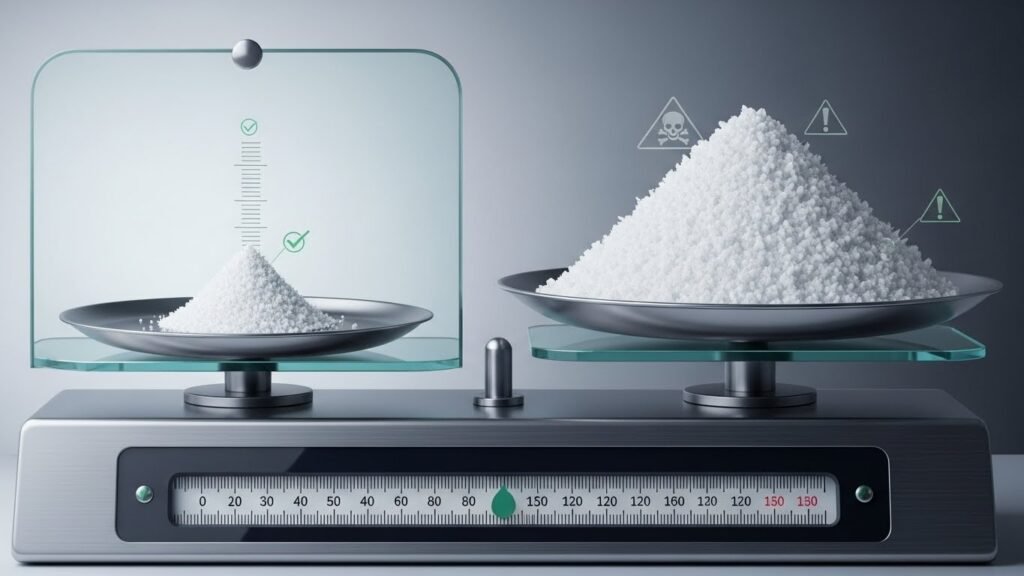
Toxic describes substances harmful at certain doses. Common speech treats toxic as universally dangerous. Science focuses on dose and exposure. Even water becomes toxic at extreme intake levels. Misuse promotes fear rather than informed risk assessment.
Virus
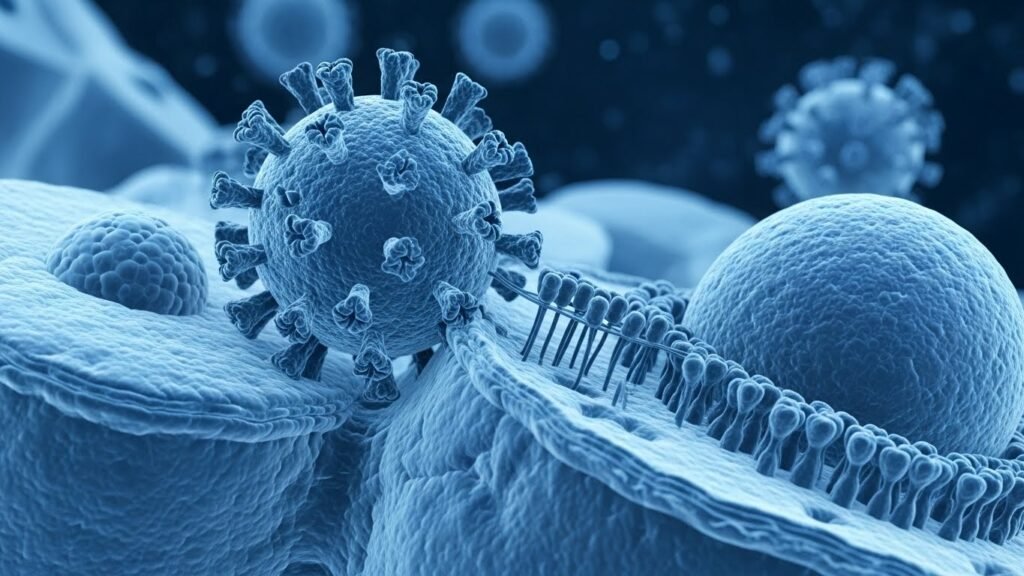
A virus refers to a microscopic agent requiring a host cell to reproduce. Daily talk labels computer issues or trends as viral. This figurative use erases the biological meaning and complicates public understanding during disease outbreaks.
Bacteria
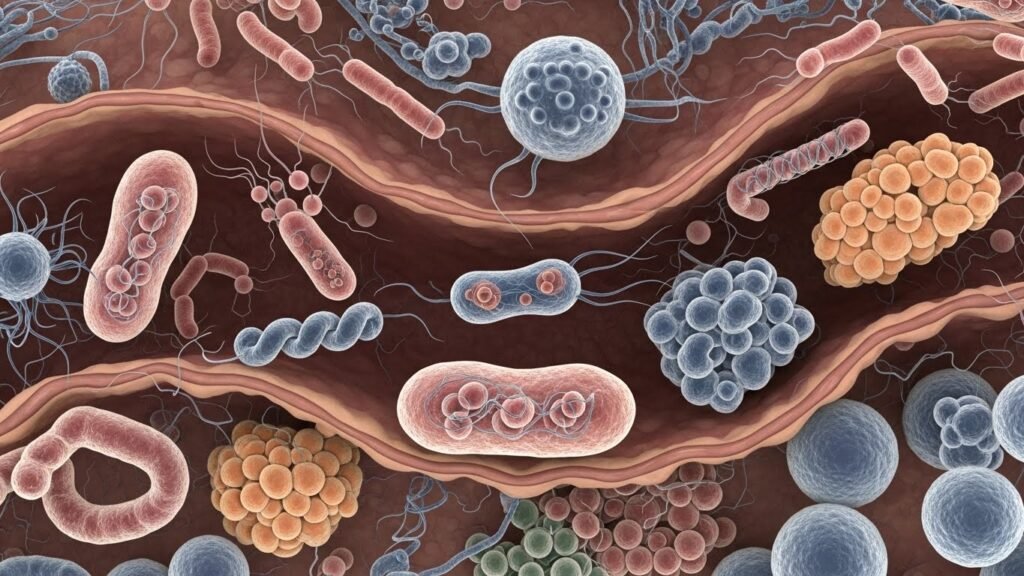
Bacteria represent single celled organisms with many beneficial roles. Popular speech frames bacteria as harmful germs. Gut bacteria support digestion and immunity. Treating all bacteria as threats distorts views on hygiene, medicine, and ecology.
DNA

DNA stores genetic instructions within cells. Casual use treats DNA as destiny or personality code. Science shows environment and behavior influence outcomes alongside genetics. Overstating DNA role oversimplifies biology and human development.
