
Public attention often frames human progress as a future event tied to distant worlds. Evidence shows a different pattern. Expansion already occurs through digital systems, orbital infrastructure, and biological research. These changes reshape daily work, health, and movement. The next phase of human reach develops through networks and tools rather than geography. Progress unfolds quietly through adoption and scale, not dramatic announcements.
Digital presence replaces physical distance

Human activity now extends through constant digital presence. Remote work platforms support cross border teams without relocation. Financial systems operate across time zones in real time. Social identity forms through persistent online profiles. These patterns show expansion through reach and influence rather than land ownership or settlement.
Orbit based systems shape daily life
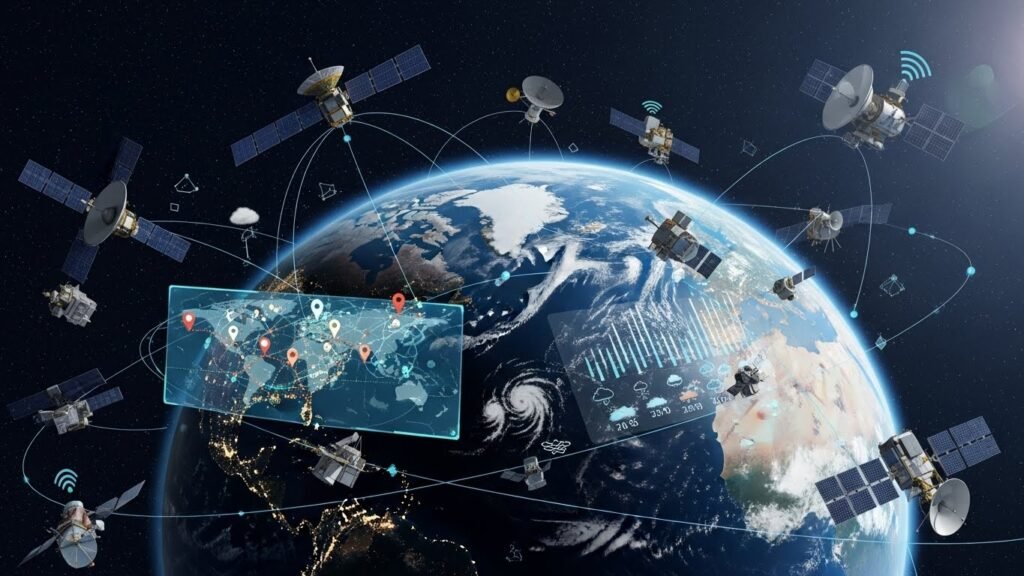
Navigations and communications, climate monitoring, and disaster response are some of the tasks satellites assist in. Transport and logistics is directed by global positioning systems. Orbital observation is applied in weather forecasting. Space based networks provide access to remote areas via the internet. The daily activities rely on the orbital infrastructure even though not many people are concerned about this dependence.
Biological research shifts human limits
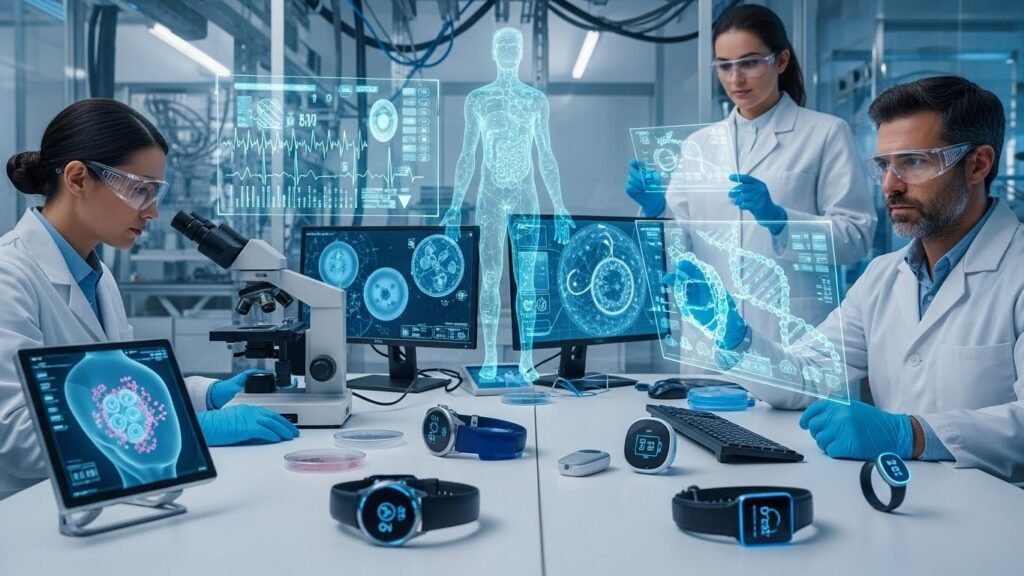
Research in genetics and longevity increases human lifespan functionality. Clinical trials are aimed at the cellular repair and prevention of diseases. Health monitors are devices to be worn, which record vital data in real-time. Reactive treatment is substituted by preventive care. These inventions widen the ability of man by internal enhancement than by external migration.
Artificial intelligence extends cognitive reach

Machine learning systems support analysis across medicine, finance, and engineering. Pattern recognition exceeds unaided human capacity. Decision support tools reduce error rates in diagnostics and logistics. Cognitive extension occurs through partnership between humans and systems, increasing output without physical expansion.
Virtual environments host economic activity

Digital worlds support commerce, education, and collaboration. Virtual training reduces cost and risk across industries. Real estate, goods, and services trade within simulated spaces. Economic value shifts toward experience and access. Human participation expands within constructed environments rather than new terrain.
Automation reshapes labor distribution
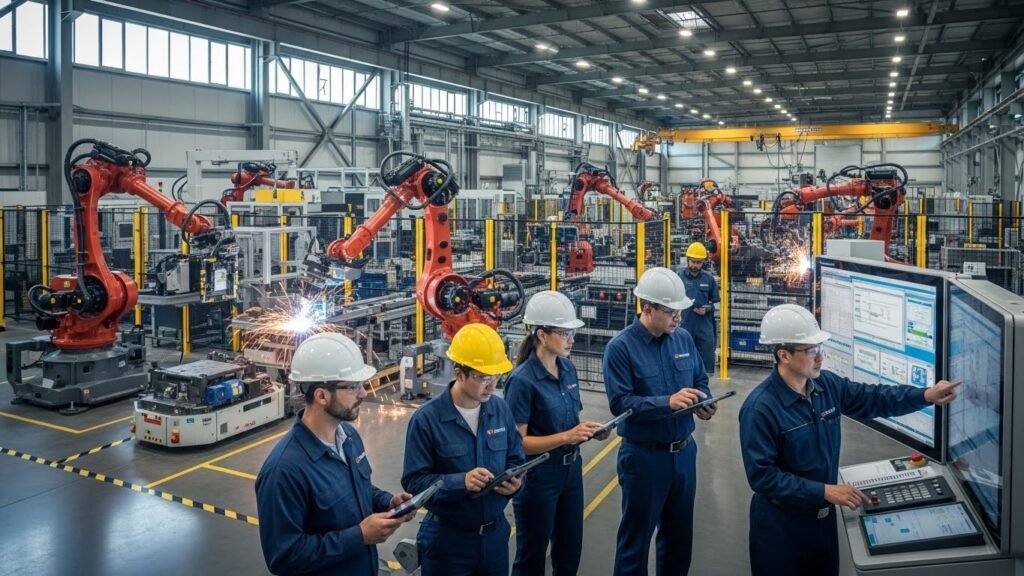
Robotics and software handle repetitive tasks across manufacturing and services. Productivity rises through system driven efficiency. Human effort shifts toward oversight, design, and problem solving. Workforce geography matters less as output links to connectivity. Expansion occurs through role evolution rather than population movement.
Data becomes a primary resource

Human behavior generates continuous data streams. Analysis informs urban planning, health policy, and market strategy. Predictive models guide resource allocation. Control over data access defines influence. Expansion follows information flow rather than physical borders or territorial claims.
Education detaches from location

Learning platforms deliver advanced instruction across regions. Credentials rely on assessment rather than campus attendance. Skill acquisition accelerates through adaptive systems. Workforce readiness improves without migration. Human development expands through knowledge access rather than proximity to institutions.
Energy systems enable broader reach

Renewable energy grids support decentralized production. Storage technology stabilizes supply across regions. Reduced dependence on centralized fuel sources supports remote habitation. Infrastructure flexibility supports wider human presence without planetary relocation.
Governance adapts to non physical domains

Regulation addresses digital identity, data rights, and orbital usage. Jurisdiction extends into virtual and shared spaces. Policy frameworks evolve to manage non territorial assets. Human organization expands through governance of systems rather than land acquisition.
