
Critics applaud the freshness and crunchiness of raw vegetables. Ironically, cooking has actually been proposed to enhance the nutrient quality of certain vegetables. Heat breaks cell walls in such vegetables, making the antioxidants and vitamins in them more bioavailable to the body. Here are ten vegetables that indeed give you more nourishment when cooked.
Tomatoes

One vegetable that is improved quite a bit by cooking is tomatoes. The intake of lycopene, a powerful antioxidant linked to good health for the heart and a lower chance of getting cancer, increases tremendously on heating. It is true that raw tomatoes tend to harbor some internal vitamin C; however, very processed tomatoes furnish much more lycopene to be absorbed by the body.
Carrots

The time when the beta-carotene of cooked carrots starts being released can be observed. A precursor of vitamin A, beta-carotene transforms in the body to finally become the vitamin that keeps the eyes, skin, and body’s immune system healthy. It is said that steaming and grilling carrots breaks down the cell walls of carrots for better absorption than when eating them raw.
Spinach
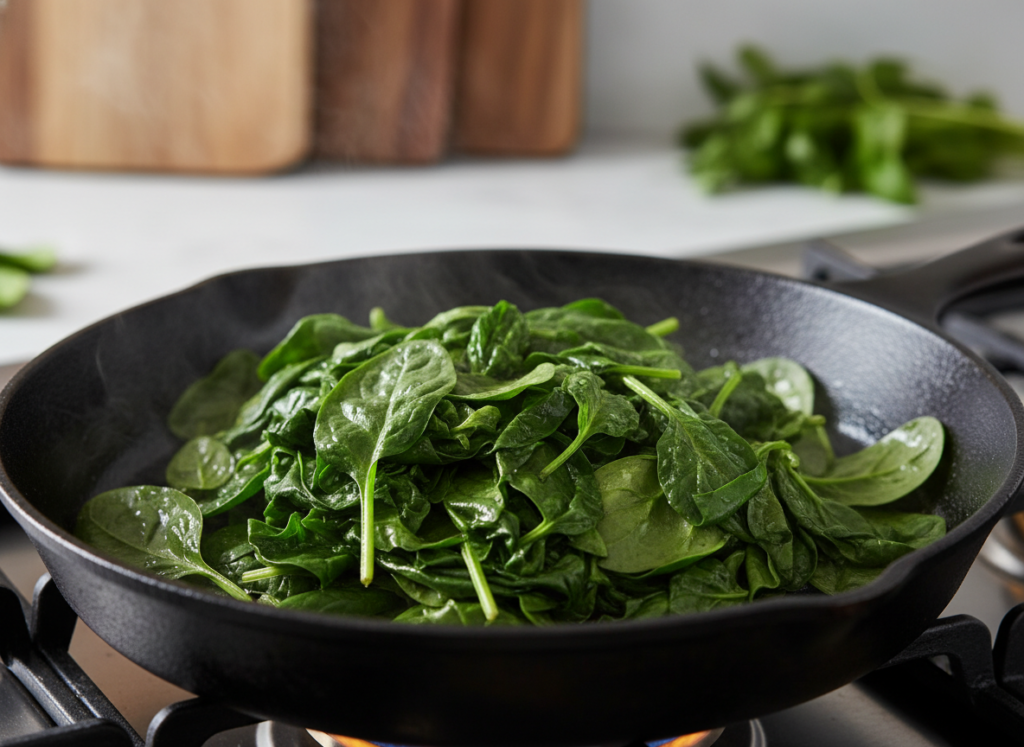
Cooked spinach is more helpful for nutrient absorption because spinach has oxalates, which block iron and calcium absorption. Cooking reduces a large amount of oxalates. Spinach is one of the best vegetable sources for the body with iron, magnesium, and calcium because it contains these nutrients.
Mushrooms

Its composition is improved by cooking, making it a potential means of adding more antioxidants and bioavailability of several required nutrients and also acting as a biological factor known to help enhance digestion. Heat triggers the availability of potassium and selenium for heart health and immune health. Finally, cooking breaks down the compounds that may be responsible for causing digestive discomfort when mushrooms are taken raw.
Asparagus
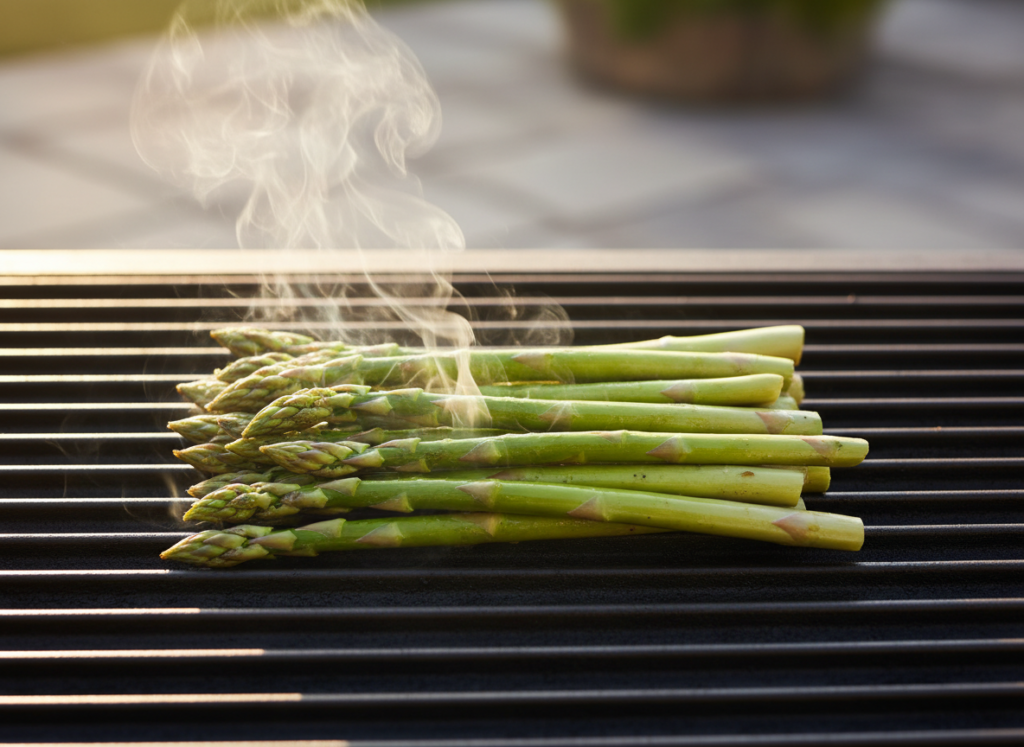
Excitingly, it is known that asparagus has increased antioxidant capacity with cooking. It is established that heating improved the availability of ferulic acids and such other compounds that help fight inflammatory diseases. Cooking also improved the uptake of vitamins A, C, and E contained in asparagus.
Bell Peppers
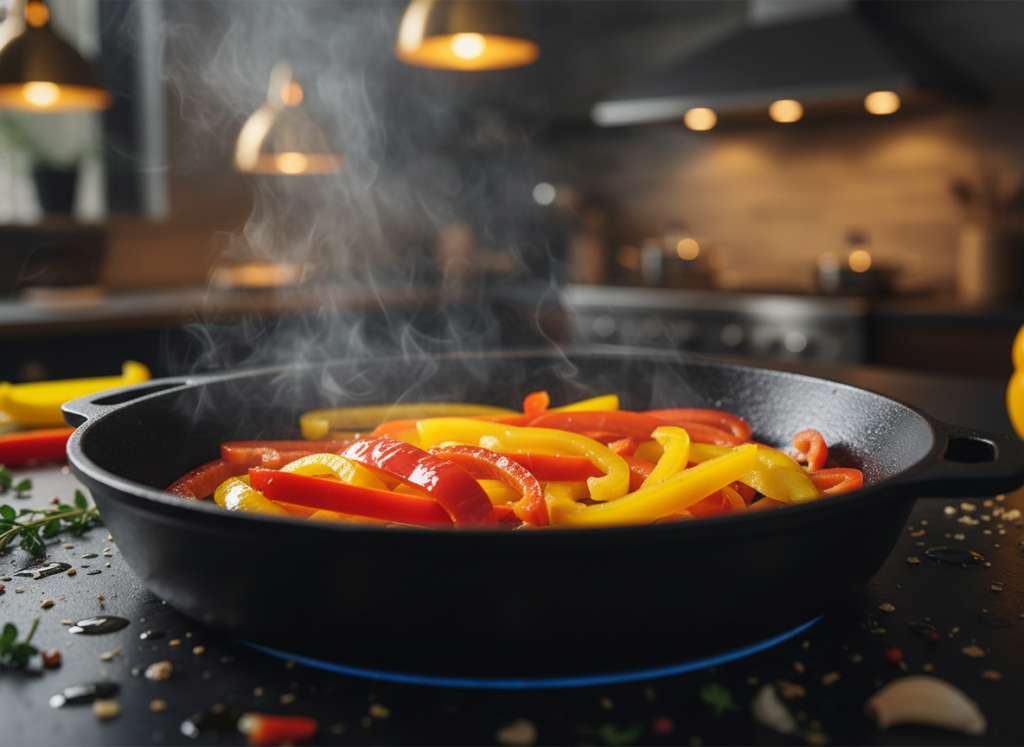
Mild cooking of bell peppers releases carotenoids that are essential for good eye and skin health. Although raw bell pepper is high in vitamin C, a mild cook will enhance the ability for the body to utilize other antioxidative components that offer damage protection to cells.
Broccoli
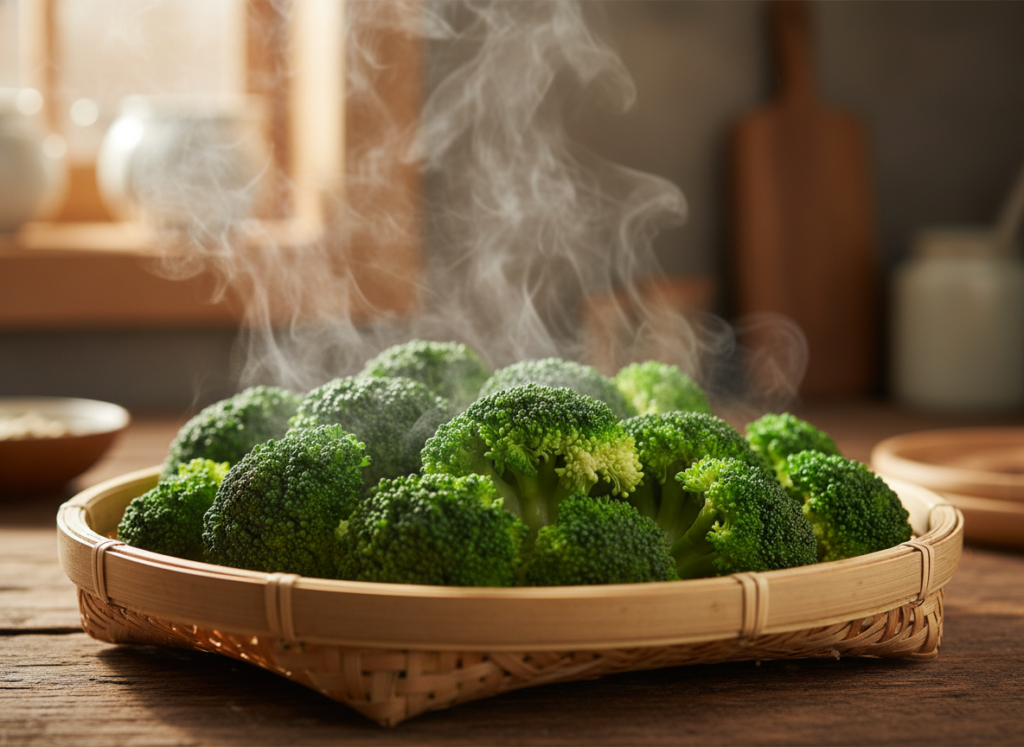
Well, cooking it makes broccoli soft and digestible. It is especially light steaming that increases the sulforaphane content, which is associated with cancer reduction risk and detoxification purposes. Appropriate cooking should be put in place to retain the benefits.
Zucchini

Cooking zucchini opens it up more in the body for its antioxidants and carotenoids. Cooking also helps improve digestion by softening fiber in the vegetable so that it’s easier to take in all-important nutrients.
Cabbage
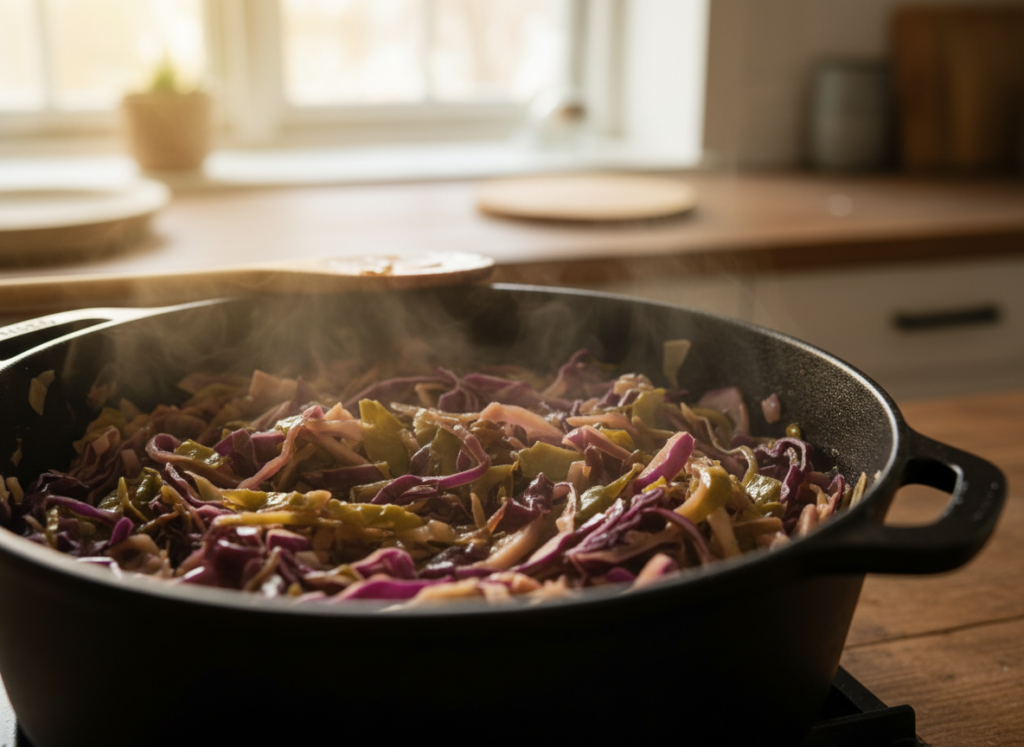
For some individuals, digesting raw cabbage seems rather difficult. Cooking cabbage causes it to override some of the elements that could bloat, rendering antioxidants more available. Cabbage that has been cooked will maintain a balance of fiber but will be friendlier towards digestibility.
Kale
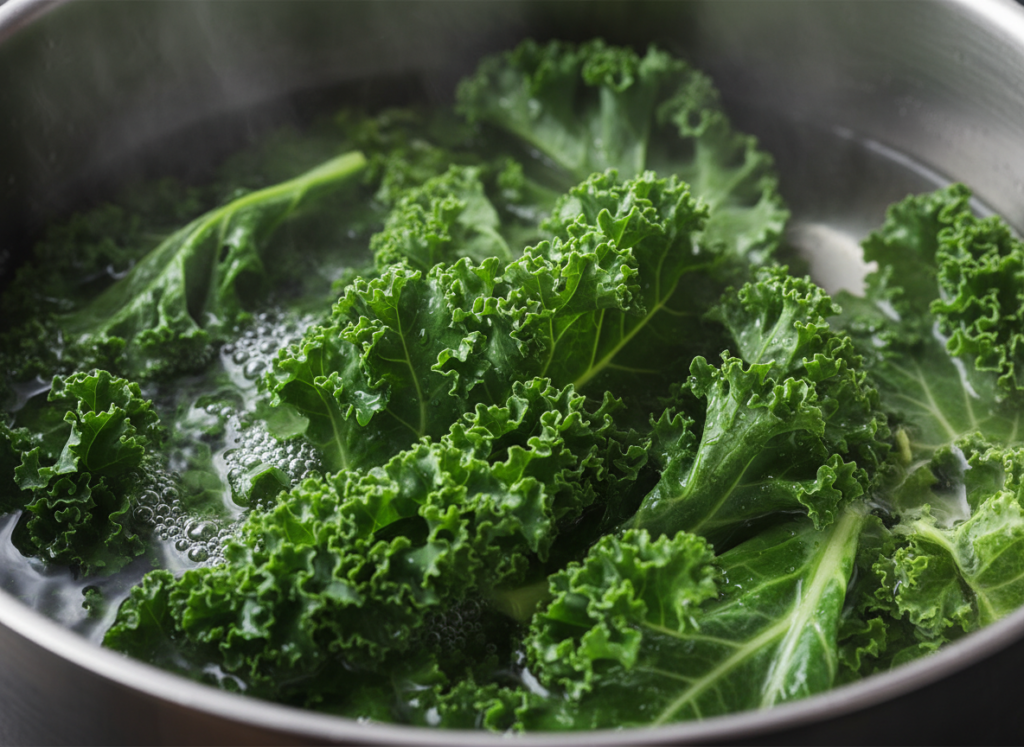
Kale, the power-nutrients-packed vegetable, has oxalates, and when there’s no cooking, the mineral absorption for very many minerals is lost; calcium, iron, and magnesium become quite difficult to acquire. Cooking will reduce the bitterness and aid digestion.
