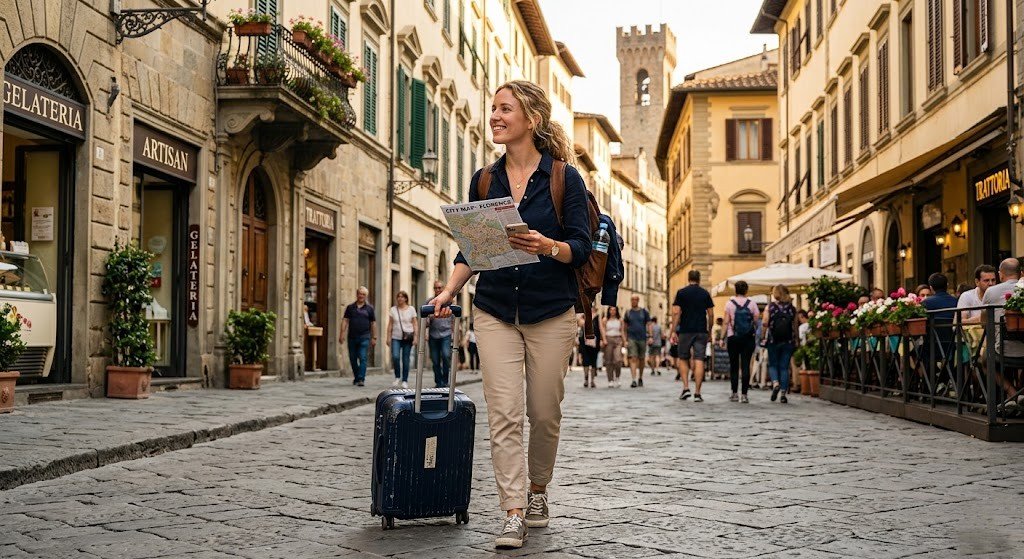
Traveling through Europe can feel exciting, especially with its mix of historic towns, efficient transit, diverse cultures, and iconic landmarks. At the same time, first-time visitors sometimes misjudge how different everyday travel routines can be compared to those in the United States. Like, small preparation choices can make a big difference in comfort, budgeting, and the general convenience while you’re actually on the move. Picking up a couple of smart travel habits before you go can help you glide through Europe more smoothly and with confidence.
Pack Lighter Than You Think You Need
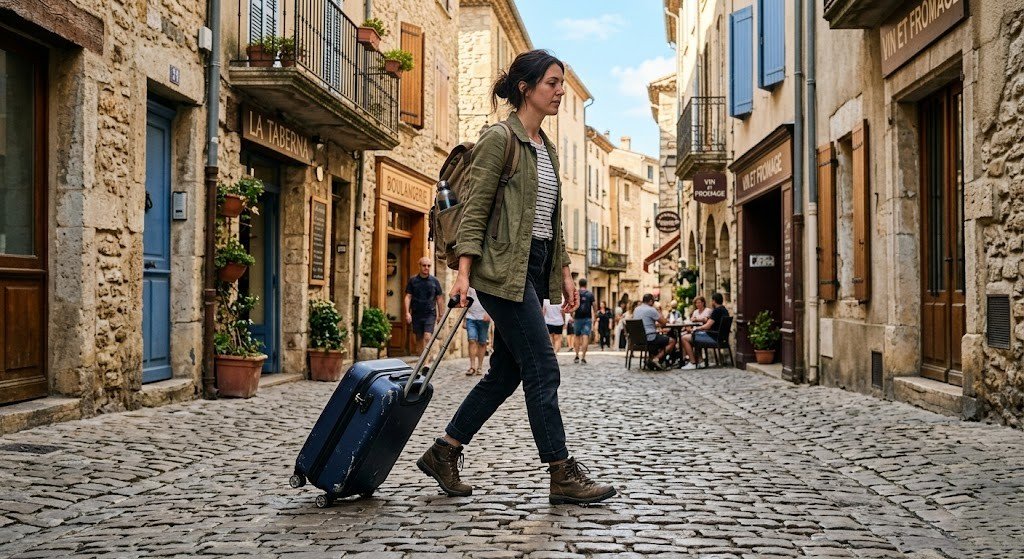
In Europe, you’ve got train stations, cobblestone streets, and compact hotel rooms, which can make oversized luggage difficult to manage. A lot of seasoned travelers, they like smaller carry-ons better for easier sliding from one city to another, without so much hassle.
Use Public Transportation Whenever Possible

Trains, metros, buses, and trams connect most major European cities efficiently. Public transportation often costs less and moves faster than relying heavily on taxis or rental cars.
Keep Multiple Payment Options Available
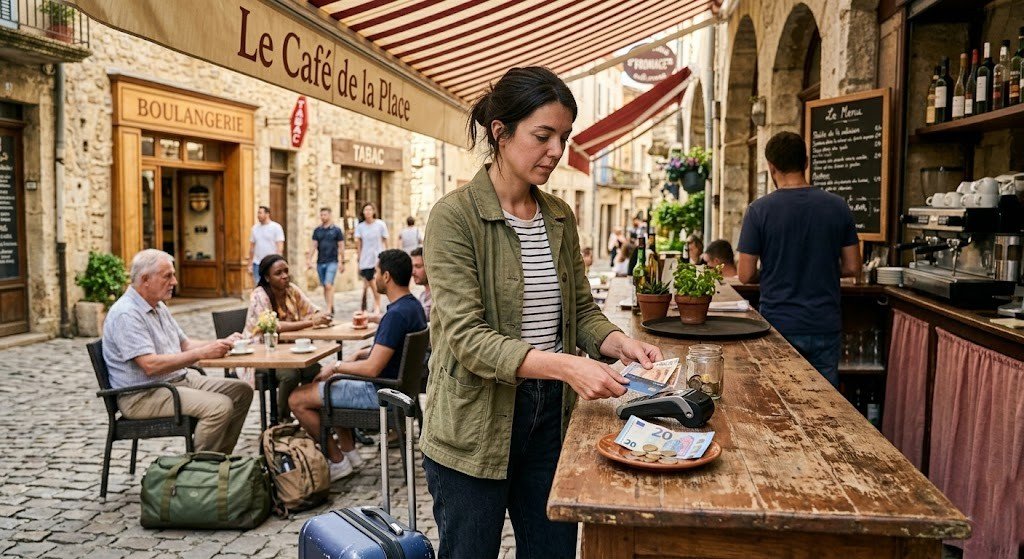
While card payments are mostly accepted all over Europe, a few smaller shops, cafés, and local markets still lean on cash. So carrying both cards and small amounts of local currency helps, just in case you hit an awkward moment or a place that does not quite take terminals.
Watch for Tourist Scams in Crowded Areas
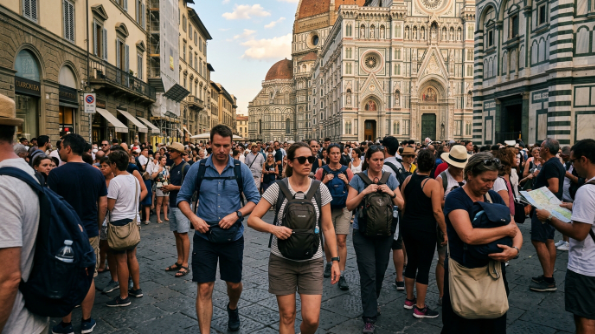
Busy landmarks and transit hubs sometimes end up drawing pickpockets or kinds of distraction scams aimed at visitors. If you keep your valuables secure and keep an eye on what’s around you, it usually helps to reduce the risks.
Learn a Few Basic Local Phrases
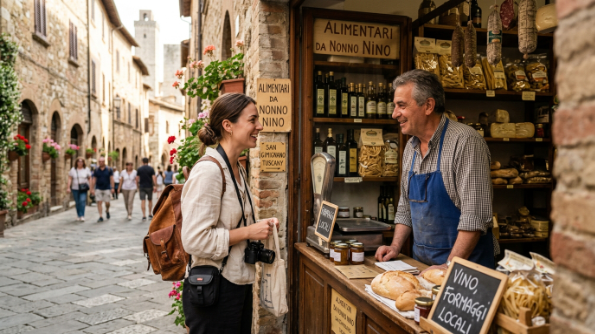
It would not be wrong to say that simple greetings and polite phrases in the local language tend to make interactions feel friendlier, even in places where English is used by tourism workers.
Don’t Expect Free Public Restrooms Everywhere
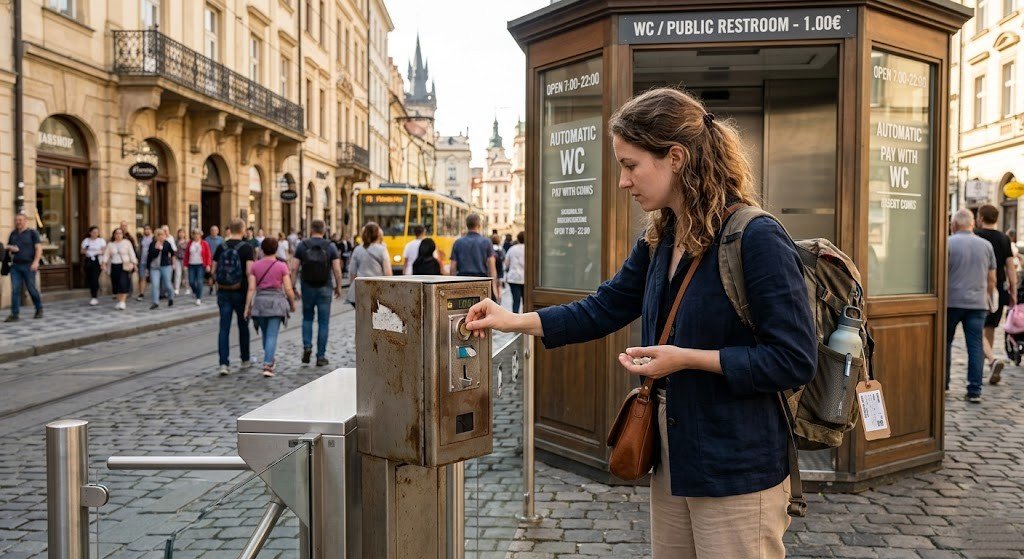
Public restroom access varies widely across Europe, and some locations charge small fees. Carrying coins or contactless payment options can help avoid awkward situations during long travel days.
Validate Train Tickets When Required
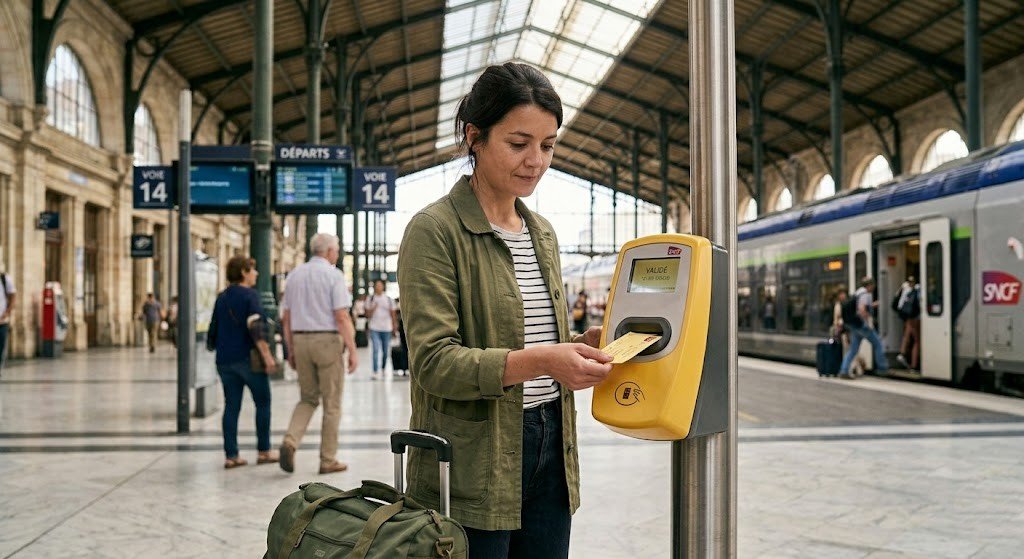
In a few European countries, train tickets have to be validated before you get on board, usually at station machines. If you jump over that little step, it can lead to fines, even though the ticket itself is still valid.
Check Store and Restaurant Hours Carefully
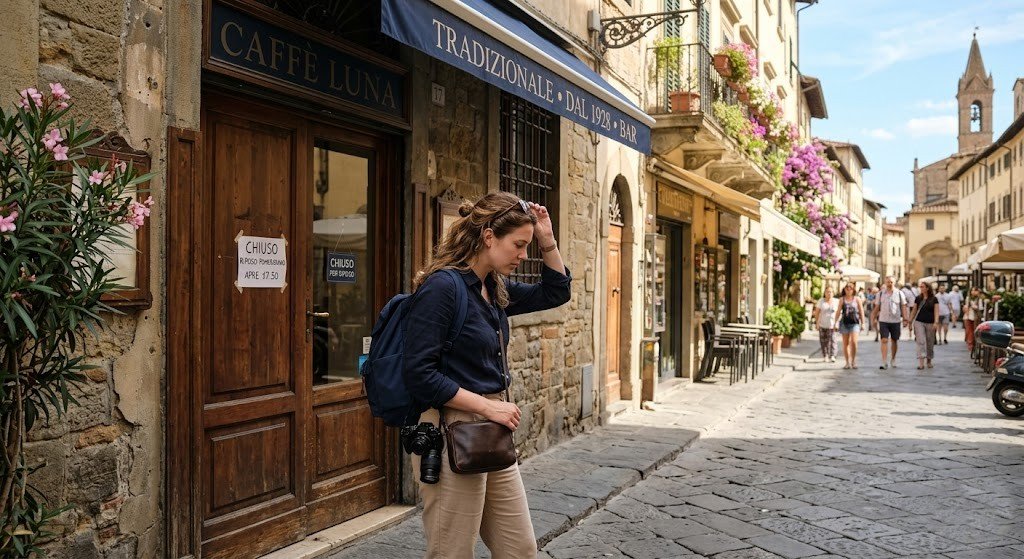
Many European businesses close earlier than Americans expect, especially on Sundays or during afternoon breaks in smaller towns. Planning helps avoid last-minute surprises.
Use Comfortable Walking Shoes

Exploring European cities often involves significant walking on uneven streets, stairs, and public transit systems. Comfortable footwear usually becomes one of the most important travel essentials.
Stay Flexible With Travel Plans
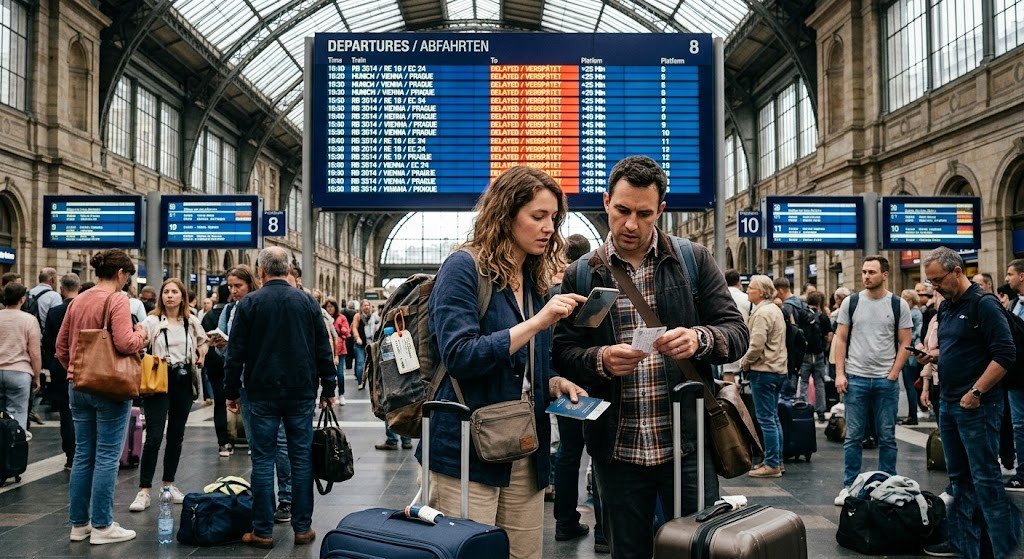
European travel can get slowed by transportation strikes, weather shifts, and those occasional schedule changes that come out of nowhere. Having a flexible plan, plus a little extra buffer time here and there, usually helps cut down on needless pressure, especially on multi-city journeys.
