
Airport security screening is basically more than just showing IDs, dealing with liquids, and juggling carry-on bags. The clothes you wear, and how you dress in general, can also change how fast you end up moving through TSA checkpoints. Some fabrics, little accessories, and even your outfit style can quietly cause extra screening, or they can just slow you down, and you might not even notice why. Since screening tech and airport procedures keep shifting in 2026, travel specialists, along with TSA guidance, are putting more emphasis on clothing-related routines that can help passengers sidestep setbacks and flow through the line more smoothly.
Oversized Hoodies and Bulky Layers
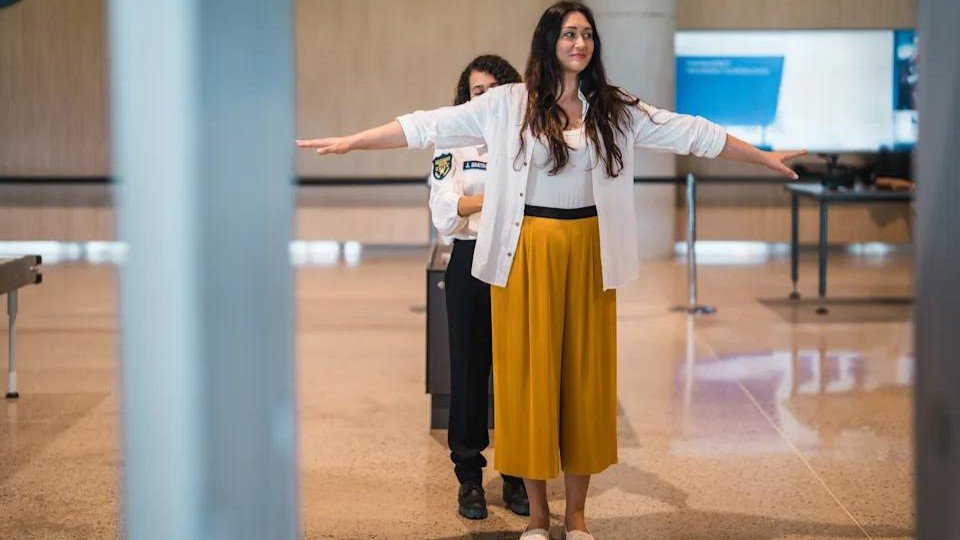
Large jackets, oversized hoodies, ponchos, and layered outfits sometimes create unclear scanner images, leading to additional screening or manual inspection by TSA officers. The Transportation Security Administration advises travelers to remove bulky outerwear before screening. TSA Clothing Screening Guidance
Metal Fashion Accessories

Belts with heavy buckles, large jewelry, metallic clothing details, and steel-toe footwear can activate metal detectors and slow down the screening process. TSA screening procedures specifically require the removal of many metal accessories before entering scanners.
Moisture and Sweat
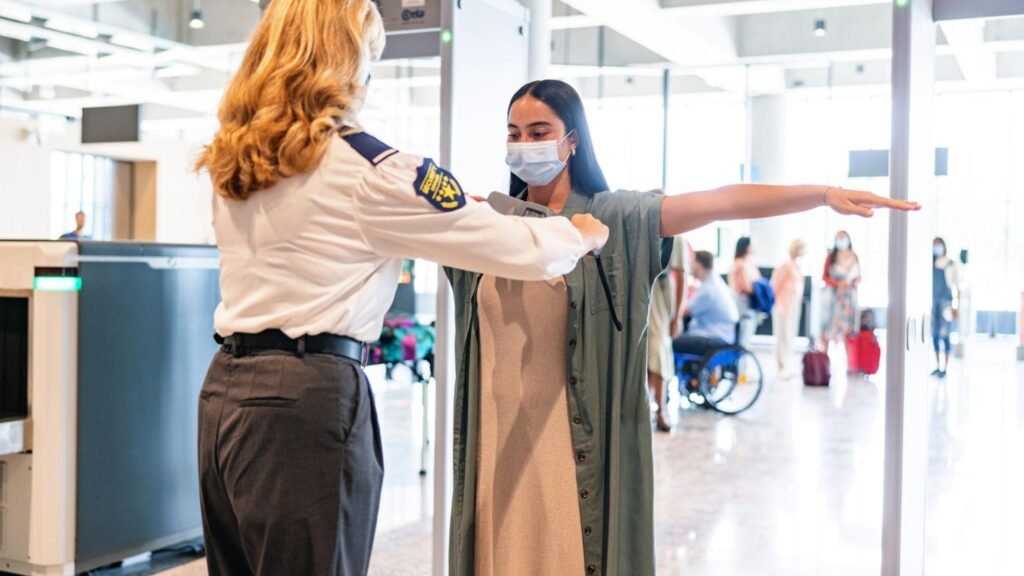
Aviation security experts and recent traveler reports note that excessive perspiration or damp clothing may occasionally trigger body scanner anomalies requiring additional inspection. TSA body scanners identify irregularities on clothing surfaces, which sometimes include moisture-related detection areas.
Loose Clothing
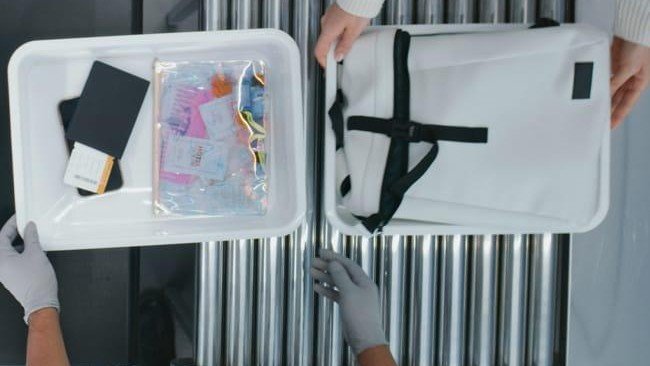
Very baggy clothing can create folds or shapes that scanners may flag for closer inspection because officers must verify unclear images during security checks. In addition, TSA Advanced Imaging Technology scanners are designed to identify anomalies requiring secondary review. TSA Advanced Imaging Technology
Shoes Still Matter at Many Airports
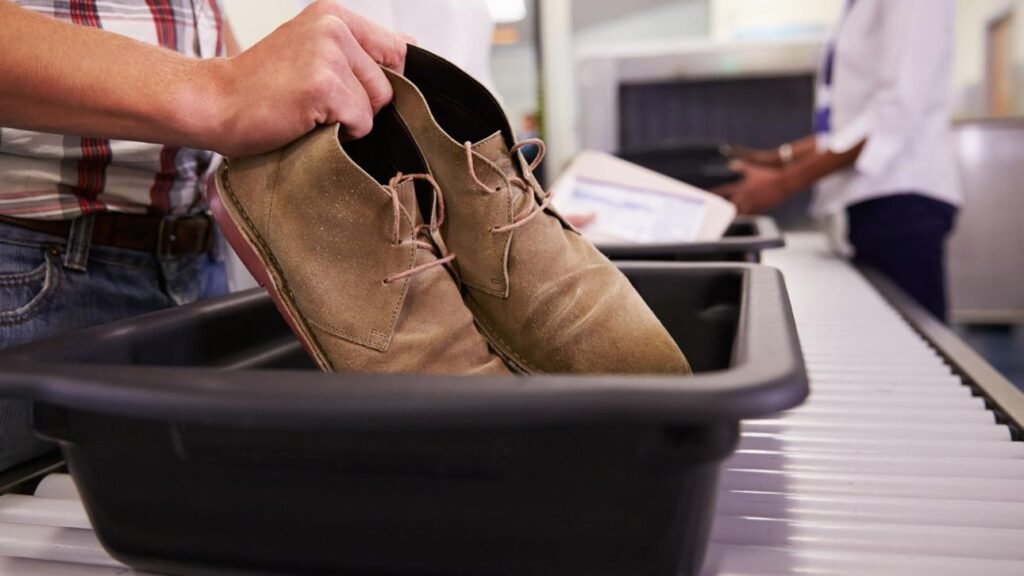
Although some airports now use upgraded scanning systems, many travelers are still asked to remove shoes during standard TSA screening unless enrolled in programs like TSA PreCheck. TSA continues requiring shoe removal for many standard screening passengers at U.S. airports. TSA Shoe Screening Information
Clothing With Hidden Pockets
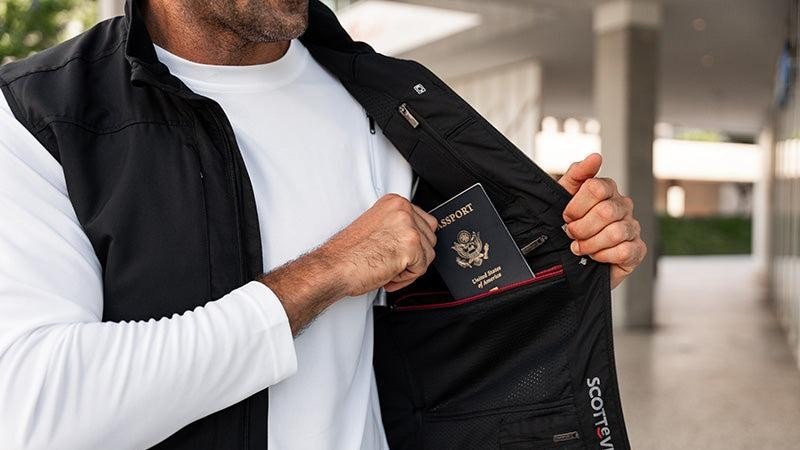
You would be surprised to know that TSA scanners are designed to flag concealed objects and unusual shapes during passenger screening procedures. Travel vests, concealed pouches, or garments with numerous hidden compartments can lead to additional checks if scanners identify unusually dense or layered areas.
Excessive Accessories Slow Down Security Lines

Large scarves, stacked bracelets, watches, hats, and layered accessories often require separate screening or removal before entering scanners. TSA recommends minimizing pocket contents and removable accessories before arriving at checkpoints to improve screening speed.
Certain Graphic Clothing Can Create Airline Issues
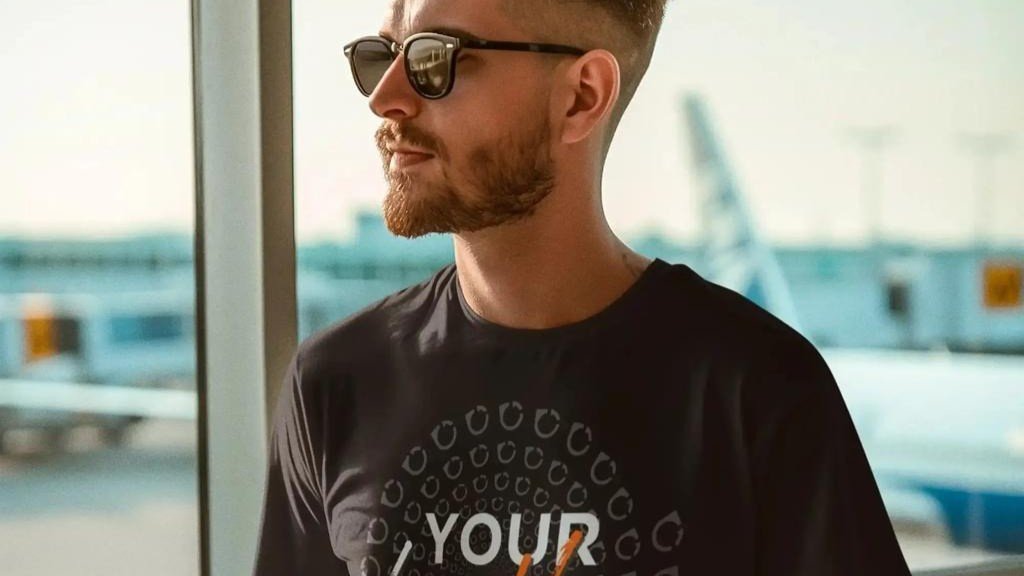
While TSA focuses mainly on security, some airlines maintain dress-code policies regarding offensive language, inappropriate graphics, or disruptive imagery displayed on clothing. Several airlines publicly list passenger conduct and attire policies within their conditions of carriage documentation.
