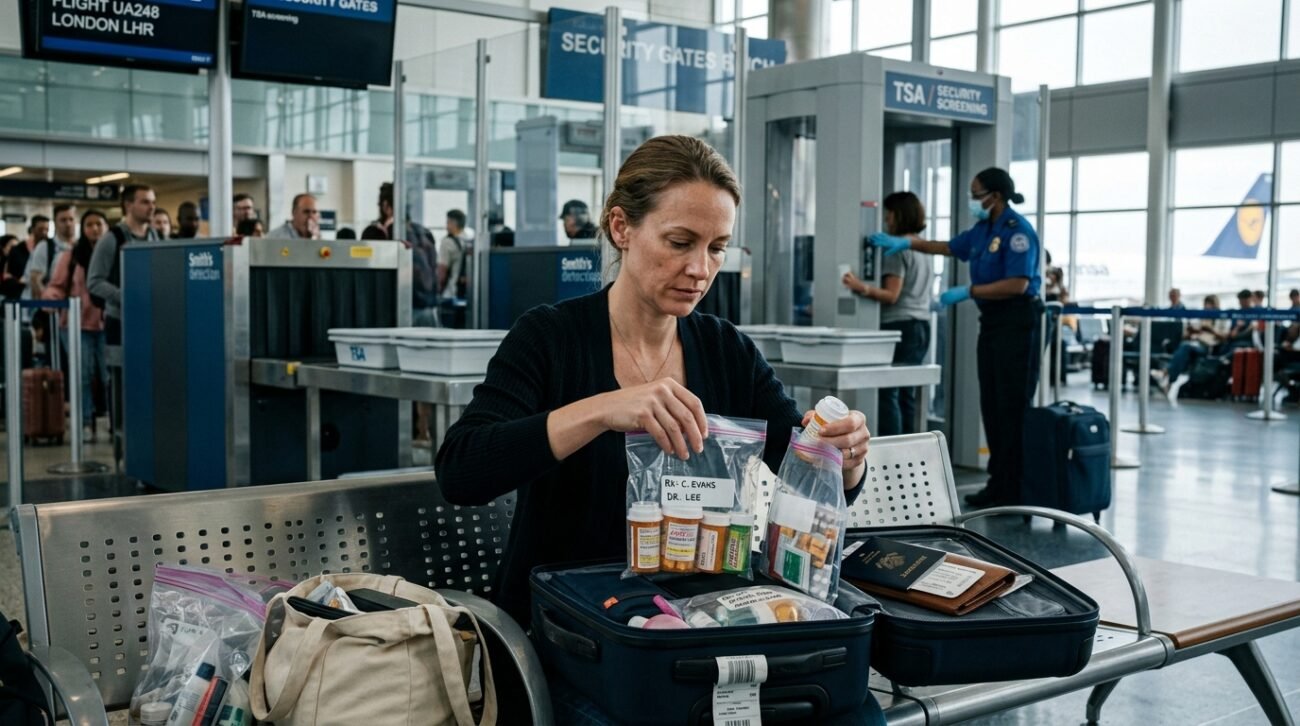
Whether a traveller is packing liquids, electronics, or the size of their bag at airport security, there are other places where they could make a mistake that may cause them to be held up when screening. Most prescription and over-the-counter drugs are permitted at TSA checkpoints, but how you pack and label them can draw extra attention. Security officers will have to check some elements, particularly liquids or unlabeled containers. When you are packing medications, it’s important to follow the proper guidelines to help you get through the airport screening process without hassle.
Don’t Pack Prescription Pills in Unlabeled Containers
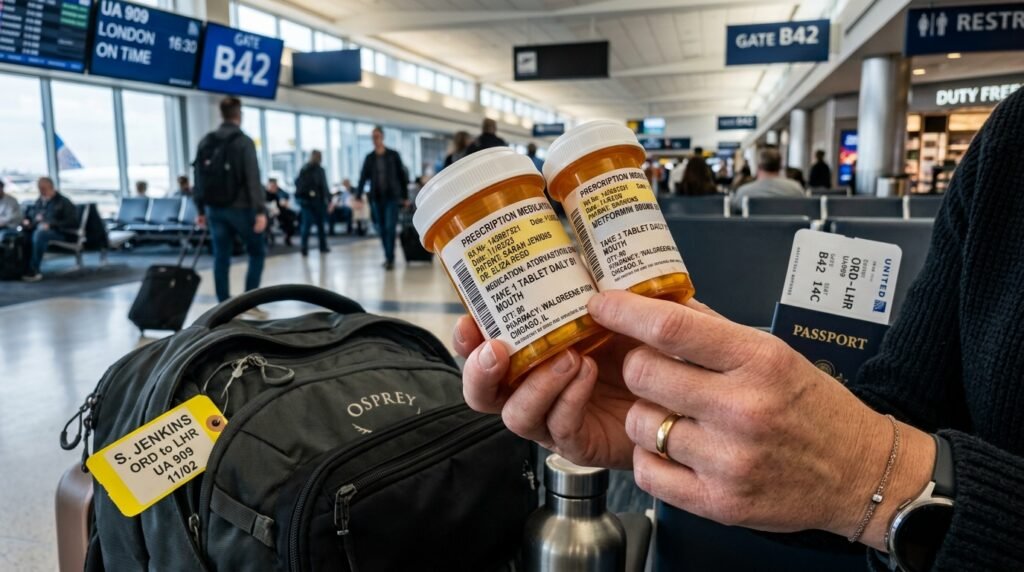
Medication is generally permitted at TSA checkpoints, although there may be some questions at screening time for medication that lacks labels, loose medications, or for prescriptions that are controlled substances, particularly when travelling internationally.
Avoid Mixing Different Medications
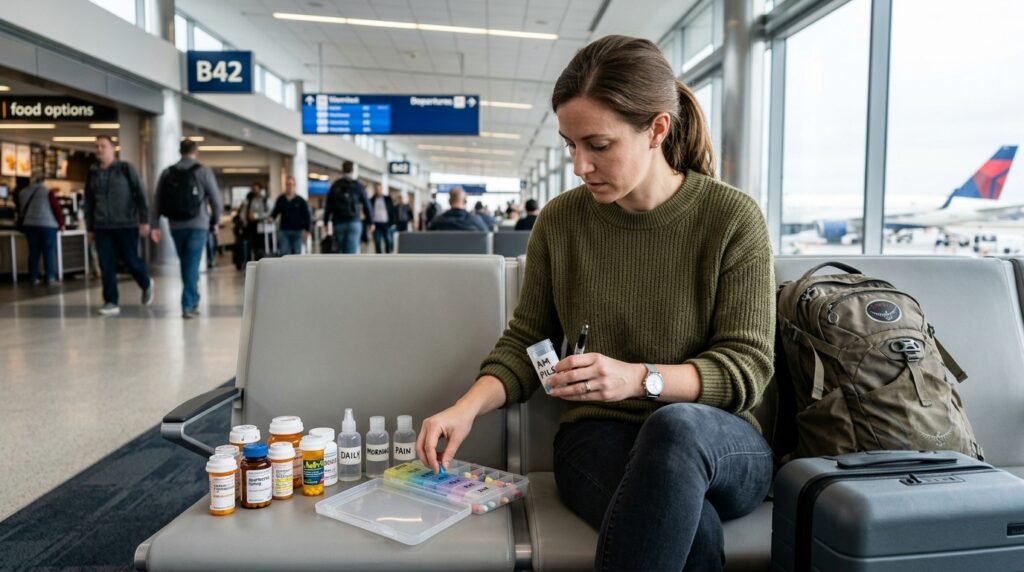
Having multiple medicines in one container can lead to confusion at security screening and to difficulty identifying the medicine if there is a need for further screening. Travel experts and TSA guidelines recommend that medications be kept organized and easily recognized while traveling.
Don’t Exceed Liquid Medication Rules
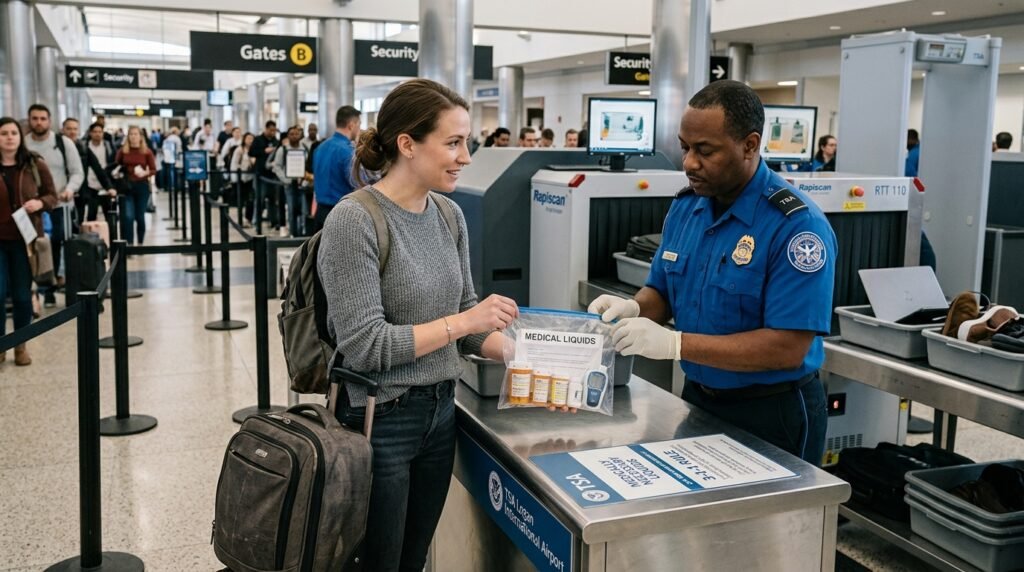
Liquid medicines greater than 3.4 ounces are normally permitted, but TSA requests that passengers inform the TSA agents at screening and request further inspection if necessary. TSA specifically states medically necessary liquids are exempt from standard liquid limits when declared at checkpoints.
Avoid Packing Essential Medication Only
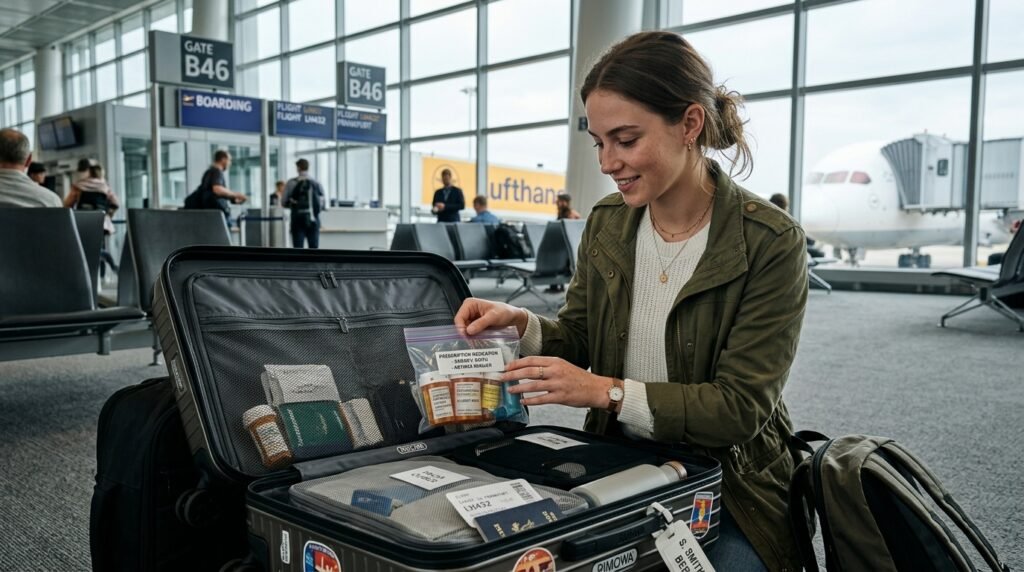
Checked luggage can be lost or temporarily unavailable when traveling. In general, travel experts advise traveling with critical medication in carry-on bags. Airlines and travel health organizations frequently advise travelers to keep daily medications accessible in cabin luggage during flights.
Don’t Travel With Expired Prescriptions
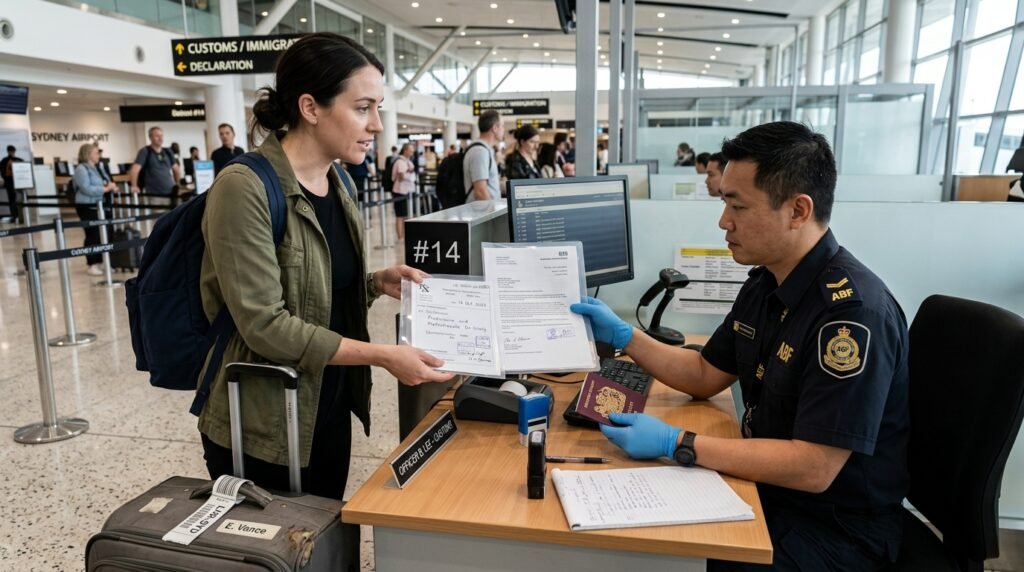
Medications with old labels or prescriptions that have expired may cause issues during customs or security screening in some countries, especially in the case of controlled medications. It is recommended to carry current prescriptions and physician documentation for regulated medicines.
Avoid Carrying Large Quantities
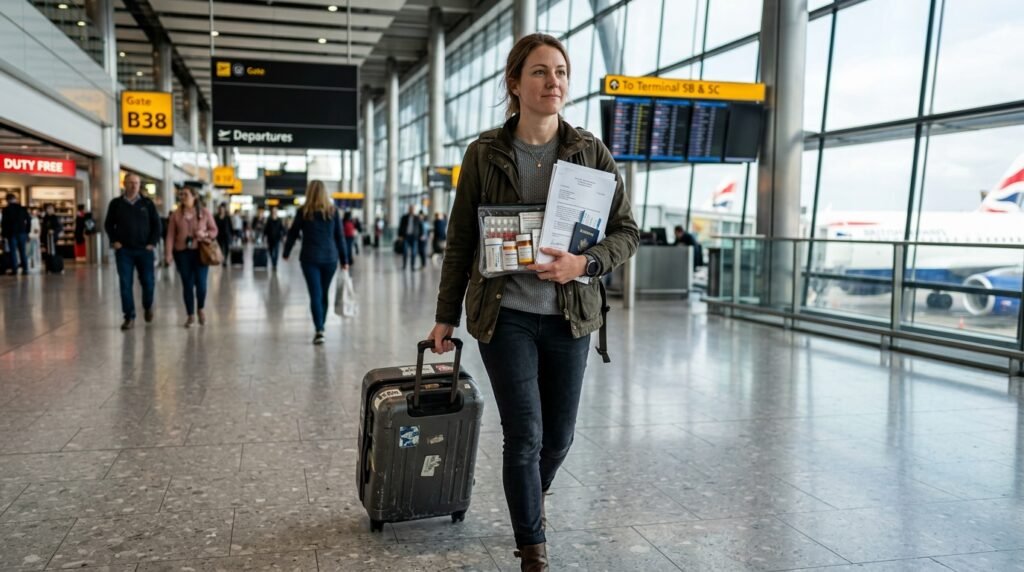
When travelling with excessive quantities of medication, extra attention may be given to them during screening or customs checks, particularly when travelling overseas. In addition, U.S. Customs and Border Protection and the TSA recommend bringing supporting medical documentation for larger quantities of medication, when applicable.
Don’t Forget Rules Vary Internationally
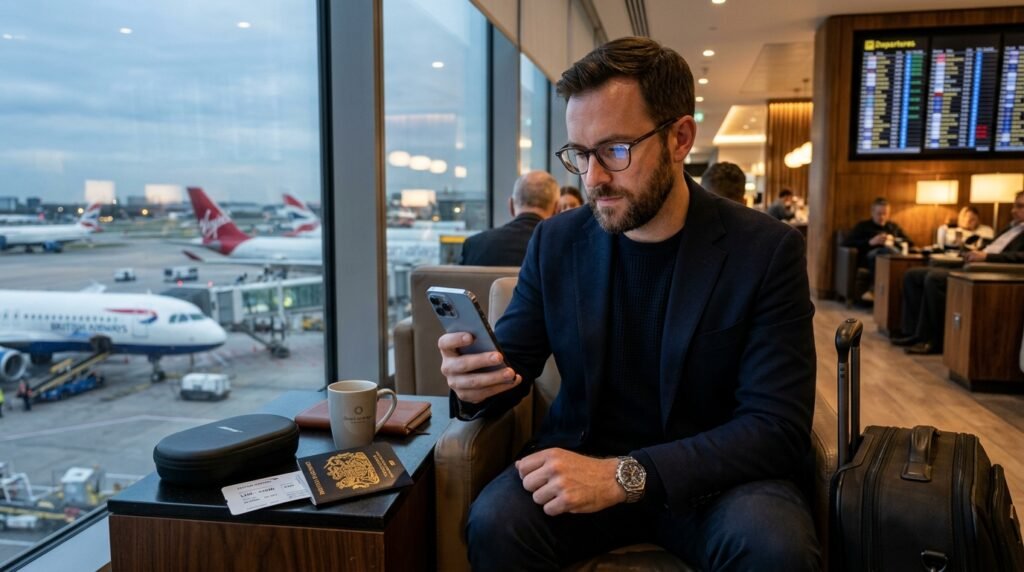
Medicines approved for use in the U.S. may not be available in other countries. Certain typical U.S. pharmaceuticals have different regulations in another country. The Centers for Disease Control and Prevention advises travelers to check destination-specific medication laws before international trips.
Avoid Packing Medical Devices
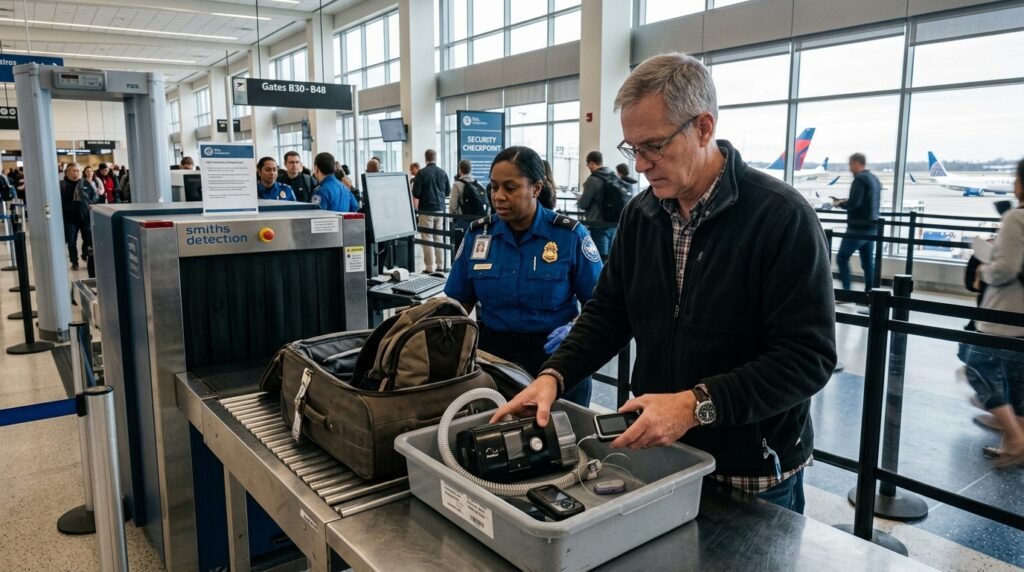
Some medical devices and equipment, such as CPAP machines and insulin pumps, may need to be screened separately. If they are packed in very full bags, the screening process will be significantly slowed down. TSA guidelines support that medical devices are stored in accessible locations so that they can be easily inspected if necessary.
